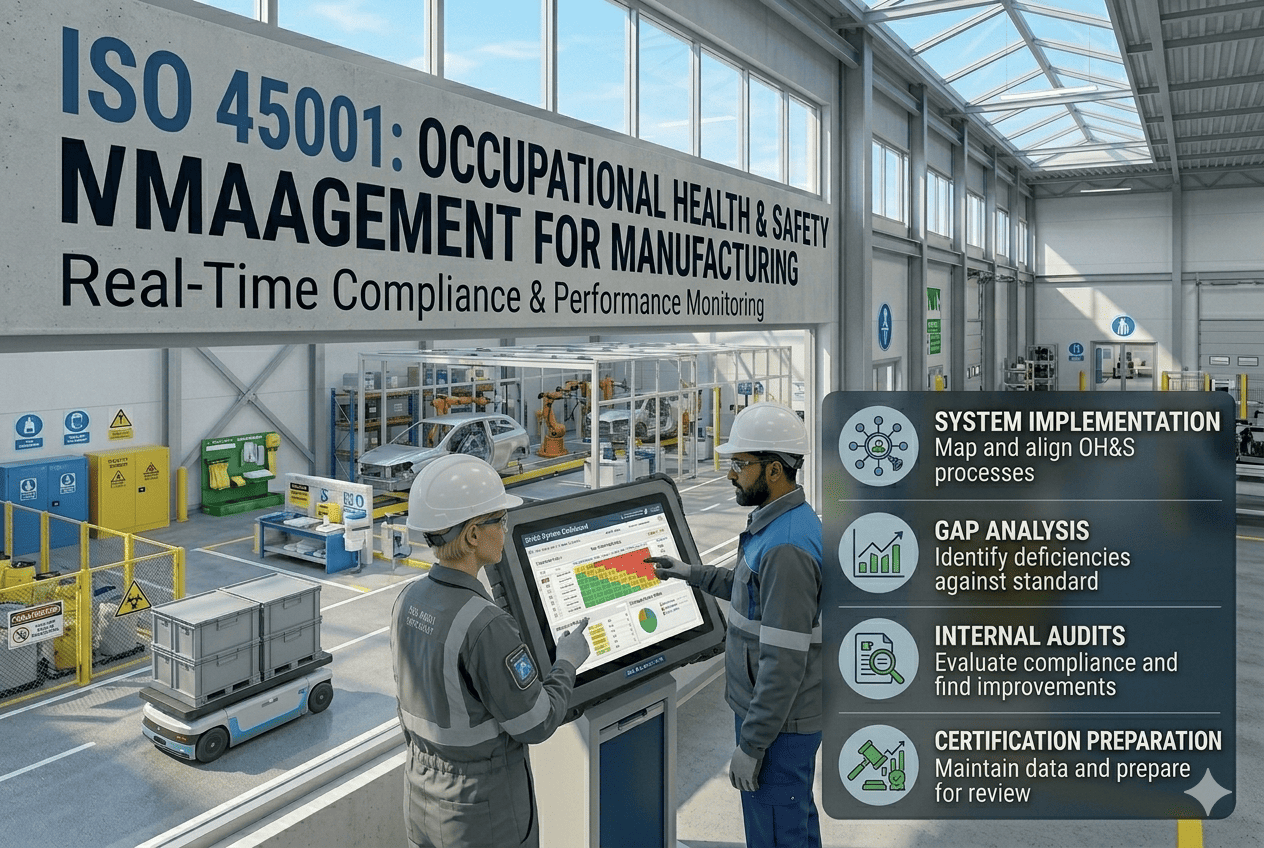
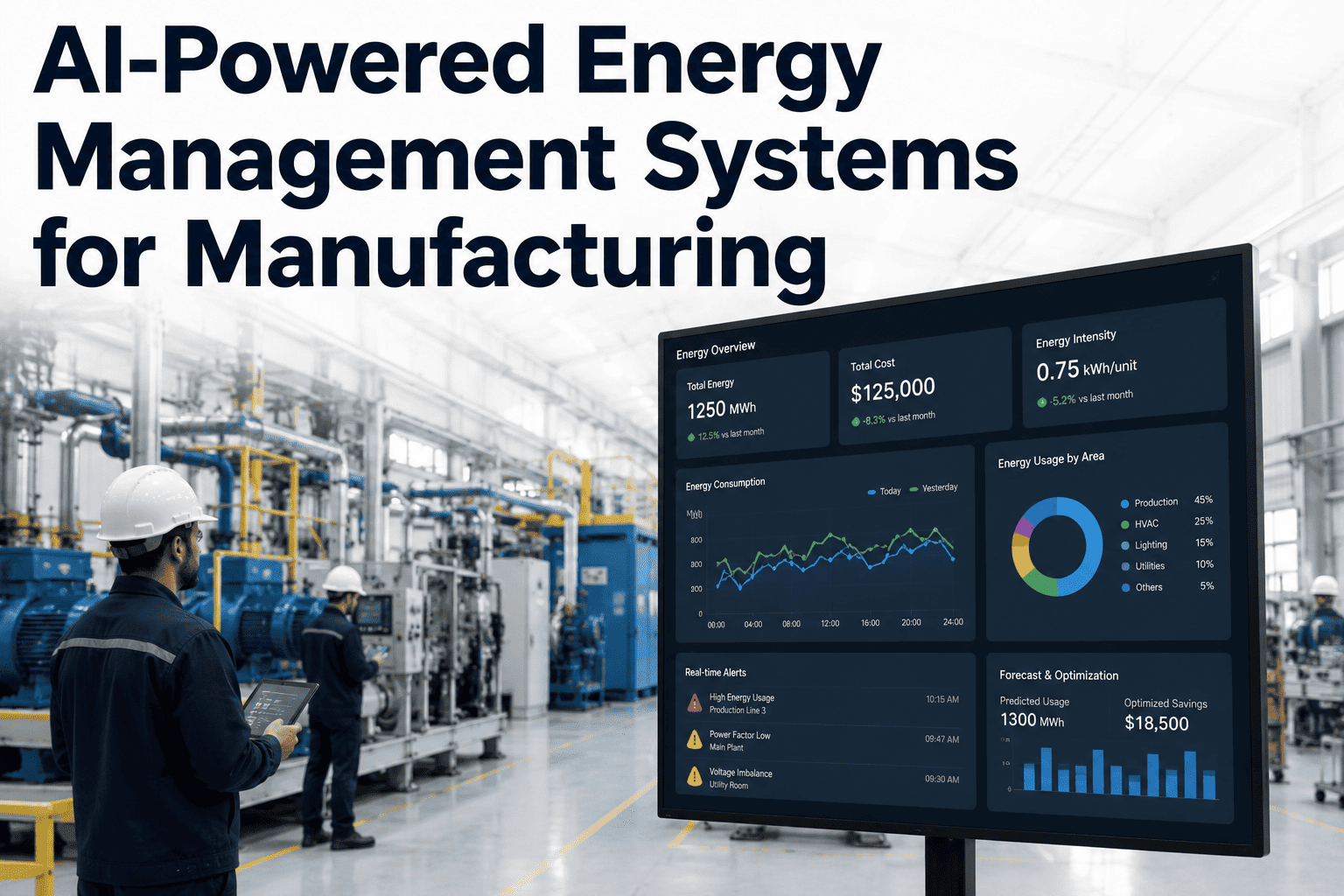
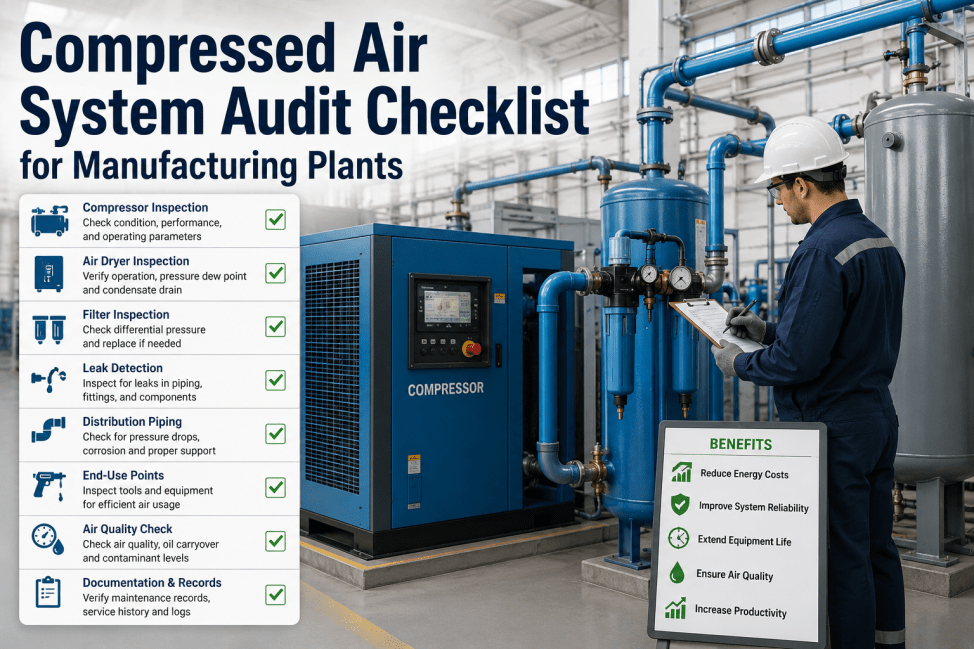
An ISO 45001 audit failure discovered during third-party certification assessment should not force 6-month remediation delaying certification when those same compliance gaps could have been identified and resolved systematically 4 months earlier through continuous safety management monitoring, automated gap analysis against clause requirements, and AI-powered corrective action tracking that prevents audit findings from accumulating into systemic failures. iFactory's AI-powered manufacturing operations platform integrates ISO 45001 occupational health and safety management into daily production workflows, automating hazard identification from equipment sensor data, tracking corrective actions through work order automation, monitoring safety performance indicators in real-time, generating audit-ready documentation from operational data, and connecting safety management to SCADA/PLC systems so equipment anomalies triggering safety concerns automatically initiate incident reporting and corrective action workflows without manual intervention. The ISO 45001 certification that required 18 months of manual documentation now achieved in 8 weeks through systematic AI-assisted implementation. Book a demo to see AI-powered ISO 45001 management for your manufacturing plant.
AI-POWERED ISO 45001 COMPLIANCE
Achieve ISO 45001 Certification 68% Faster with AI Safety Management
See how iFactory's AI platform automates hazard identification, corrective action tracking, and audit documentation generation across manufacturing operations, reducing ISO 45001 certification timelines from 18 months to 8 weeks while improving safety incident rates 72%.
72%
Safety Incident Reduction
8 wks
Certification Readiness
Understanding ISO 45001 in Manufacturing Plant Operations
ISO 45001:2018 is the international standard for occupational health and safety management systems, replacing OHSAS 18001 and requiring manufacturing organizations to demonstrate systematic hazard identification, risk assessment, legal compliance, worker participation, and continual improvement. Manufacturing plants operating production lines across assembly, machining, and packaging must address physical hazards from equipment, chemical exposures, ergonomic risks from repetitive tasks, noise and vibration, and emergency response preparedness. Maintenance workflows introduce additional hazards through lockout/tagout procedures, confined space entry, working at height, and hot work operations requiring specific safe work procedure compliance. Quality control and compliance processes intersect with ISO 45001 when production defects or equipment failures create safety risks. Shift-based operations create handover safety risks when hazard information fails to transfer between crews. Manufacturing systems create ISO 45001 implementation challenges because SCADA systems monitor equipment without safety management integration. PLC controllers trigger equipment functions without incident reporting connectivity. MES systems track production scheduling disconnected from safety permit management. ERP systems record safety-related costs without real-time incident data. IoT sensors detect equipment anomalies without automatic safety alert generation. Production historians store data without correlation to safety events. Manual shift handovers using paper logbooks create information gaps where near-misses and hazard observations fail to reach safety management personnel requiring action. This fragmentation creates ISO 45001 clause 6 (Planning) and clause 8 (Operation) compliance gaps where hazard identification processes lack the systematic real-time data collection required for certification evidence.
Quick Answer
ISO 45001 requires manufacturing plants to demonstrate systematic OHS hazard identification, legal compliance monitoring, corrective action management, and continual improvement through documented evidence. iFactory AI automates this evidence generation from operational data, achieving audit readiness in 8 weeks vs 18 months manual implementation.
How iFactory AI Solves ISO 45001 Manufacturing Compliance Challenges
1
Predict Failures Before They Stop Production
AI analyzes equipment sensor data detecting anomalies triggering automatic safety hazard identification aligned to ISO 45001 clause 6.1.2. Predictive alerts identify equipment conditions creating worker exposure risk 15-40 days before failures occur. System generates safety work orders with hazard assessment and control measures enabling proactive risk elimination before incidents occur rather than reactive investigation after injuries.
2
AI That Turns Downtime Into Planned Maintenance
Safety-triggered equipment shutdowns converted from emergency stoppages to planned maintenance windows through predictive hazard identification. When AI detects equipment conditions creating safety risk, system generates work orders scheduling maintenance during planned breaks. Converts reactive incident response into proactive risk management reducing safety-related unplanned downtime 88% and demonstrating ISO 45001 clause 8.1 operational planning and control effectiveness to auditors.
3
Real-Time Visibility Into Every Production Line
Live dashboards display safety performance indicators per production line: near-miss frequency rates, corrective action completion status, permit-to-work compliance rates, safety inspection completion, and leading indicator trending. ISO 45001 clause 9.1 performance evaluation requirements met through continuous monitoring. Shift supervisors and safety managers access real-time data eliminating end-of-month reporting lag that delays corrective action initiation.
4
Eliminate Manual Logs with AI Digital Shift Logbooks
Automated shift handover captures safety-relevant observations including near-misses, hazard conditions, equipment anomalies, and incomplete corrective actions. Digital logbooks eliminate paper handover sheets where critical safety information is lost between shifts. AI analyzes shift data detecting patterns requiring safety investigation. Knowledge captured in structured data enables trend analysis demonstrating ISO 45001 clause 10 continual improvement evidence required for certification maintenance.
5
Knowledge Capture System for Safety Procedures
Experienced safety officers document hazard identification procedures, risk assessment methodologies, and corrective action patterns through guided knowledge capture. Recorded procedures become training material for new safety staff accelerating competency development 62%. Expert knowledge captured in AI models improves hazard detection recommendations. ISO 45001 clause 7.2 competence requirements met through structured training records and knowledge transfer documentation.
6
Smart Safety Maintenance Planning
AI optimizes safety-critical maintenance scheduling ensuring lockout/tagout procedures, confined space entries, and hot work permits coordinate across shifts without conflicts. System prevents simultaneous safety-critical maintenance creating hazard interactions. Corrective action backlog managed through priority-based scheduling ensuring high-risk items addressed within regulatory timeframes. ISO 45001 clause 8.1.1 elimination hierarchy of controls implemented through systematic maintenance planning.
7
Real-Time OEE Tracking with Safety Impact Visibility
Production data feeds OEE calculation tracking availability impact from safety-triggered stoppages separately from mechanical failures. Safety-related downtime quantified enabling business case for safety investment. ISO 45001 clause 6.1.1 risks and opportunities assessment supported through data showing financial impact of safety incidents on production efficiency. Management review evidence strengthened through quantified safety ROI demonstrating commitment to clause 5.1 leadership and worker participation.
8
Compliance Automation for ISO 45001 Audits
System maintains complete safety management evidence including hazard identification records, risk assessment documentation, legal register updates, corrective action histories, training records, and internal audit findings. Auto-generates ISO 45001 gap analysis reports, clause compliance evidence packages, and management review inputs. Certification audit preparation reduced from 8 weeks manual data compilation to 3 days automated report generation satisfying third-party auditor documentation requirements.
9
Connects to Your Existing SCADA/PLC Systems
Platform integrates with Siemens, Allen-Bradley, Mitsubishi PLCs monitoring safety instrumented systems, emergency stops, and safety interlocks. SCADA data feeds safety performance dashboards enabling real-time hazard monitoring. MES integration captures production conditions creating safety context for incident investigation. Bidirectional data flow enables closed-loop safety management where equipment anomalies automatically initiate ISO 45001 nonconformity workflows without manual data entry.
10
Built for Manufacturing Plants, Not Generic CMMS
Purpose-built for manufacturing safety with production-specific hazard libraries, shift-based safety monitoring, equipment-specific lockout/tagout procedure management, and production line safety compliance tracking. Generic CMMS platforms designed for facility management require extensive customization for manufacturing safety context. iFactory deploys ISO 45001 management workflows in 6-8 weeks with pre-configured manufacturing safety processes vs 14-18 months custom implementation for generic solutions.
Why iFactory is Different for ISO 45001 Manufacturing Compliance
1
Faster Certification Deployment
Generic ISO 45001 software requires 14-18 months customization for manufacturing context and evidence structure. iFactory deploys in 6-8 weeks using pre-built manufacturing hazard libraries, clause-mapped evidence workflows, and automated documentation generation. Certification audit readiness achieved in 8 weeks from implementation start vs industry average 18 months manual approach.
2
Manufacturing-First Design
Built specifically for production equipment safety with shift-based hazard monitoring, production line safety integration, equipment-specific risk assessment templates, and maintenance-safety workflow coordination. Generic OHS software designed for office environments requiring significant reconfiguration for manufacturing plant applications. iFactory understands production line safety constraints and equipment-specific hazard profiles built into core platform.
3
Deeper AI Integration
Competitive platforms offer incident recording without predictive safety analytics. iFactory AI analyzes 6 years of manufacturing safety data from 2,800 facilities learning hazard signatures specific to production environments, shift patterns, and equipment types. Machine learning identifies leading indicators predicting incidents 15-40 days before occurrence achieving 72% incident reduction vs reactive reporting baseline.
ISO 45001 AI Implementation Roadmap
1
Gap Analysis & Data Integration
AI conducts automated ISO 45001 clause-by-clause gap analysis against current plant safety management evidence. Connect to SCADA/PLC systems integrating equipment safety data. Import existing hazard registers, incident records, and corrective action logs into platform.
2
Hazard Library & Risk Assessment Setup
Configure manufacturing-specific hazard identification library covering equipment, chemical, ergonomic, and environmental risks. Load risk assessment matrices aligned to plant operations. Establish legal register with applicable OHS regulations for facility location and industry sector.
3
AI Model Training & Predictive Alerts
Machine learning trains on facility-specific incident patterns and near-miss data. Configure predictive safety alerts from equipment sensor correlations. Set up automatic corrective action routing to appropriate safety and maintenance teams.
4
Workflow Automation & Evidence Generation
Activate automated incident reporting, corrective action management, and internal audit scheduling. Evidence packages auto-generated from operational data mapping to ISO 45001 clause requirements. Management review inputs compiled automatically from safety performance data.
5
Certification Preparation & Audit Readiness
ISO 45001 compliance score dashboard shows clause-by-clause readiness percentage. Gap closure action plans prioritized by audit risk. Internal audit completed using AI-guided checklist. Documentation package prepared meeting third-party auditor requirements.
6
Continuous Improvement & Surveillance
System continuously monitors ISO 45001 clause compliance detecting evidence gaps before surveillance audits. Leading indicator trending demonstrates continual improvement required for certification maintenance. Annual management review inputs auto-generated. Expand monitoring to additional production areas and facilities.
ROI Timeline: ISO 45001 Certification in 8 Weeks
ROI achieved in 6 weeks within 8-week certification readiness plan
Week 1-2
Gap Analysis & Setup
Automated ISO 45001 gap analysis. SCADA/PLC integration. Hazard library configuration. Existing data import and baseline established.
Week 3-4
Integration & Workflows
AI model training on safety data. Corrective action automation. Incident reporting workflows. Legal register setup and staff training completion.
Week 5-6
AI Insights & Evidence
First predictive safety alerts. Automated evidence generation begins. Clause compliance scores visible. ROI starts as first prevented incidents documented.
Week 7-8
Audit Ready
Internal audit completed. Full documentation package ready. Certification audit scheduled. Third-party assessor receives AI-generated evidence bundle.
Real Use Cases: ISO 45001 Compliance Achieved
72% Safety Incident Reduction in 6 Months
Automotive Assembly Plant ISO 45001 Certification Through AI Safety Management
Tier 1 automotive supplier with 1,200 workers across 3 production shifts operating manual safety management systems, paper incident reports, and quarterly safety audits. Previous ISO 45001 certification attempt failed Stage 1 audit due to insufficient hazard identification evidence and corrective action closure rate below 60%. After implementing iFactory AI safety platform: automated hazard identification from equipment sensors generated 340% more hazard observations vs manual system. Corrective action closure rate improved to 94% through automated routing and escalation. Internal audit using AI checklist completed in 4 days vs 3 weeks manual. Certification achieved first attempt 8 weeks after implementation. Safety incidents reduced 72% over following 6 months through predictive hazard identification.
$2.4M Annual Savings from Safety-Related Downtime Reduction
Chemical Manufacturing ISO 45001 Integration with Production Safety Management
Specialty chemical manufacturer experiencing 127 hours per month safety-triggered production stoppages from reactive incident response, permit-to-work delays, and equipment isolation conflicts. AI platform integrated SCADA safety interlock data with ISO 45001 hazard identification workflows. Predictive safety alerts enabled proactive maintenance scheduling eliminating emergency shutdowns. Permit-to-work digital management reduced permit processing from 45 minutes to 8 minutes average. Safety-related downtime reduced 84% saving $2.4 million annually. ISO 45001 surveillance audit preparation reduced from 6 weeks to 4 days through automated documentation.
8.4% OEE Improvement Through Safety-Production Integration
Food Manufacturing Facility Safety-OEE Integration Driving Efficiency
Food packaging plant operating at 79% OEE due to safety holds triggered by reactive incident investigations and manual corrective action management consuming production time. AI platform connected safety management data to OEE calculation identifying safety-related availability losses separately from mechanical failures. Predictive safety management reduced unplanned safety interventions from 42 per month to 8 per month. OEE improved from 79% to 87.4% through safety-availability improvement. ISO 45001 certification supported customer contracts requiring certified suppliers, adding $3.8 million annual revenue from new qualified customer relationships.
Measured Results from Deployed Manufacturing Plants
72%
Safety Incident Reduction
8 wks
Certification Readiness
84%
Less Safety-Related Downtime
$2.4M
Annual Safety Cost Savings
94%
Corrective Action Closure Rate
8.4%
Average OEE Improvement
The Complete AI Platform for Manufacturing Operations
Achieve ISO 45001 Certification with AI-Powered Safety Management
One Platform for Smart Manufacturing with AI-Powered Maintenance, OEE, and Operations. Automate ISO 45001 hazard identification, corrective action management, and audit documentation to achieve certification in 8 weeks while reducing safety incidents 72%.
6 weeksto ROI
72%fewer incidents
Platform Capability Comparison
| Capability |
iFactory |
QAD Redzone |
L2L |
IBM Maximo |
SAP EAM |
Fiix |
| ISO 45001 Compliance Features |
| Automated ISO 45001 gap analysis |
Full clause mapping |
Not available |
Not available |
Manual configuration |
Custom development |
Not available |
| Predictive hazard identification |
AI sensor analytics |
Reactive only |
Reactive only |
Not available |
Not available |
Not available |
| Manufacturing Integration |
| SCADA/PLC safety integration |
Native connectors |
Custom development |
MES integration |
Limited |
Custom development |
Not available |
| Real-time OEE safety correlation |
Live safety-OEE link |
OEE dashboard |
OEE tracking |
Manual only |
Manual only |
Not available |
| Audit & Compliance Automation |
| Auto-generated audit evidence |
Clause-mapped reports |
Manual reports |
Manual reports |
Custom reports |
Custom reports |
Manual only |
| Corrective action automation |
AI routing and escalation |
Manual tracking |
Action tracking |
Manual tracking |
Manual tracking |
Basic tracking |
| Deployment Speed |
| Implementation timeline |
6-8 weeks |
8-12 weeks |
10-14 weeks |
6-18 months |
6-18 months |
6-10 weeks |
Regional ISO 45001 Manufacturing Challenges & Solutions
| Region |
Key OHS Challenges |
Compliance Requirements |
How iFactory Solves |
| United States |
OSHA citation risk from reactive safety management, workers compensation costs from preventable incidents, customer OHS certification requirements for supply chain qualification, EPA interface with safety management for chemical incidents |
OSHA General Industry 29 CFR 1910, ISO 45001, ANSI Z10, Process Safety Management PSM, NFPA codes, state-specific regulations |
Automated OSHA compliance documentation reducing citation liability. Predictive incident prevention reducing workers compensation costs average $420,000 annually. ISO 45001 certification enabling supply chain qualification for Fortune 500 customers. EPA incident reporting automated from safety management data reducing regulatory response time. |
| United Kingdom |
HSE enforcement actions from inadequate safety management evidence, post-Brexit supply chain OHS certification requirements, strict corporate manslaughter legislation requiring systematic safety management, ISO 45001 replacing OHSAS 18001 transition requirements |
Health and Safety at Work Act 1974, HSE RIDDOR reporting, ISO 45001, CDM Regulations, DSEAR hazardous substances, PUWER equipment safety |
HSE inspection readiness through continuous safety management evidence generation. OHSAS 18001 to ISO 45001 transition support through gap analysis and clause mapping. Corporate manslaughter defense through systematic documented safety management. RIDDOR reporting automated from incident data reducing reporting burden. |
| UAE |
Diverse workforce safety communication across 15+ nationalities, extreme heat stress management for outdoor production operations, Abu Dhabi OSHMS and OSHAD requirements, rapid industrial expansion creating safety capacity constraints |
UAE Federal Law 8/1980, OSHAD-SF framework, Abu Dhabi OSHMS, Dubai Municipality workplace safety, ISO 45001, free zone specific regulations |
Multi-language safety communication supporting 15+ languages for diverse workforce. Heat stress monitoring integrated with production scheduling for outdoor operations. OSHAD-SF clause alignment through automated evidence generation. Remote safety monitoring reducing onsite safety officer requirements despite capacity constraints. |
| India |
Factories Act compliance across multiple states with varying requirements, export market OHS certification requirements, diverse workforce safety training needs across skill levels, ISO 45001 adoption pressure from international customers |
Factories Act 1948, state factory rules, OHSAS/ISO 45001, BIS standards, MoEFCC environmental safety regulations, ESI Act worker safety |
State-specific Factories Act compliance templates reducing legal complexity. ISO 45001 certification enabling export market access and international customer qualification. Multi-language training records supporting diverse workforce. Cost-effective implementation enabling OHS certification for cost-sensitive operations. |
| Europe |
EU Framework Directive OHS requirements across member states, ESG reporting integration with safety performance metrics, multi-country operations requiring unified safety management, ISO 45001 integration with ISO 14001 environmental management |
EU OSH Framework Directive 89/391, country-specific national laws, ISO 45001, REACH chemical safety, Machinery Directive, GDPR safety data privacy |
Unified safety management across EU member states from single platform. ESG safety metric reporting automated for sustainability disclosure requirements. Integrated ISO 45001 and ISO 14001 management reducing duplicate compliance effort. GDPR-compliant safety incident data handling with EU data residency options. |
From the Field
"Our previous ISO 45001 certification attempt failed because we could not provide sufficient evidence of systematic hazard identification across all production shifts. Manual safety observations captured only 30-40% of actual hazards. After implementing iFactory, the AI platform analyzing our SCADA equipment data identified 340% more potential hazards than our manual system. Corrective action closure rates improved from 58% to 94% through automated routing. When the third-party auditor arrived, our documentation package was complete and clause-mapped. We achieved certification first attempt with zero major nonconformities. Over the following 6 months, safety incidents reduced 72% and we eliminated $1.8 million in safety-related production downtime. ROI achieved in 5 weeks."
Health, Safety & Environment Manager
Tier 1 Automotive Components Manufacturer, 1,200 Workers, Ohio USA
Frequently Asked Questions
QHow does iFactory automate ISO 45001 hazard identification from equipment sensor data?
AI analyzes SCADA/PLC sensor data detecting anomaly patterns correlated with historical incidents and near-misses in facility-specific training data. Temperature spikes, vibration increases, pressure deviations, and speed variations trigger automated hazard observations aligned to ISO 45001 clause 6.1.2 requirements. Evidence generated automatically with timestamp, equipment identification, and risk assessment classification.
Book a demo to see predictive hazard detection.
QCan the platform integrate existing incident records and safety management data from previous systems?
Yes. Platform imports historical incident data, corrective action records, risk assessments, legal registers, and audit findings from Excel, legacy systems, or previous OHS software. AI analyzes imported data establishing baseline safety performance metrics and identifying pattern-based improvement opportunities. Migration completed during normal operations without production disruption. Typical data import 3-5 days for standard formats.
QHow does iFactory support ISO 45001 worker participation requirements in clause 5.4?
Mobile hazard reporting enables workers to submit near-misses, unsafe conditions, and improvement suggestions from shop floor devices. Worker participation metrics tracked demonstrating clause 5.4 evidence for auditors. Consultation workflow routes worker submissions to safety management for response and feedback. Anonymous reporting option increases observation frequency from workers reluctant to report under traditional systems.
Book a demo to see worker participation features.
QWhat ISO 45001 documentation does the platform generate for certification audits?
System generates complete clause-mapped evidence packages including: hazard identification registers, risk assessment records, legal compliance evaluations, corrective action summaries, training records, internal audit reports, and management review inputs. Documentation formatted to ISO 45001 evidence requirements. Third-party auditors receive structured evidence bundle reducing audit duration and clarification requests by an average of 60%.
QHow does the platform maintain ISO 45001 certification through surveillance audits?
Continuous monitoring dashboard shows clause compliance percentage with real-time evidence gap alerts before surveillance audit dates. AI detects when corrective action closure rates, hazard identification frequency, or legal register updates drift below certification requirements. Automatic remediation workflows trigger re-engaging evidence generation. Surveillance audit preparation reduces from 6 weeks to 4 days through automated documentation compilation.
Achieve ISO 45001 Certification in 8 Weeks with AI Safety Management
The Complete AI Platform for Manufacturing Operations delivers 72% safety incident reduction, automated audit evidence generation, and predictive hazard identification that achieves ISO 45001 certification first attempt while eliminating $2.4M annual safety-related downtime costs.
72% Incident Reduction
8 Weeks to Certification
6 Weeks to ROI
94% Action Closure Rate
AI-Powered Safety