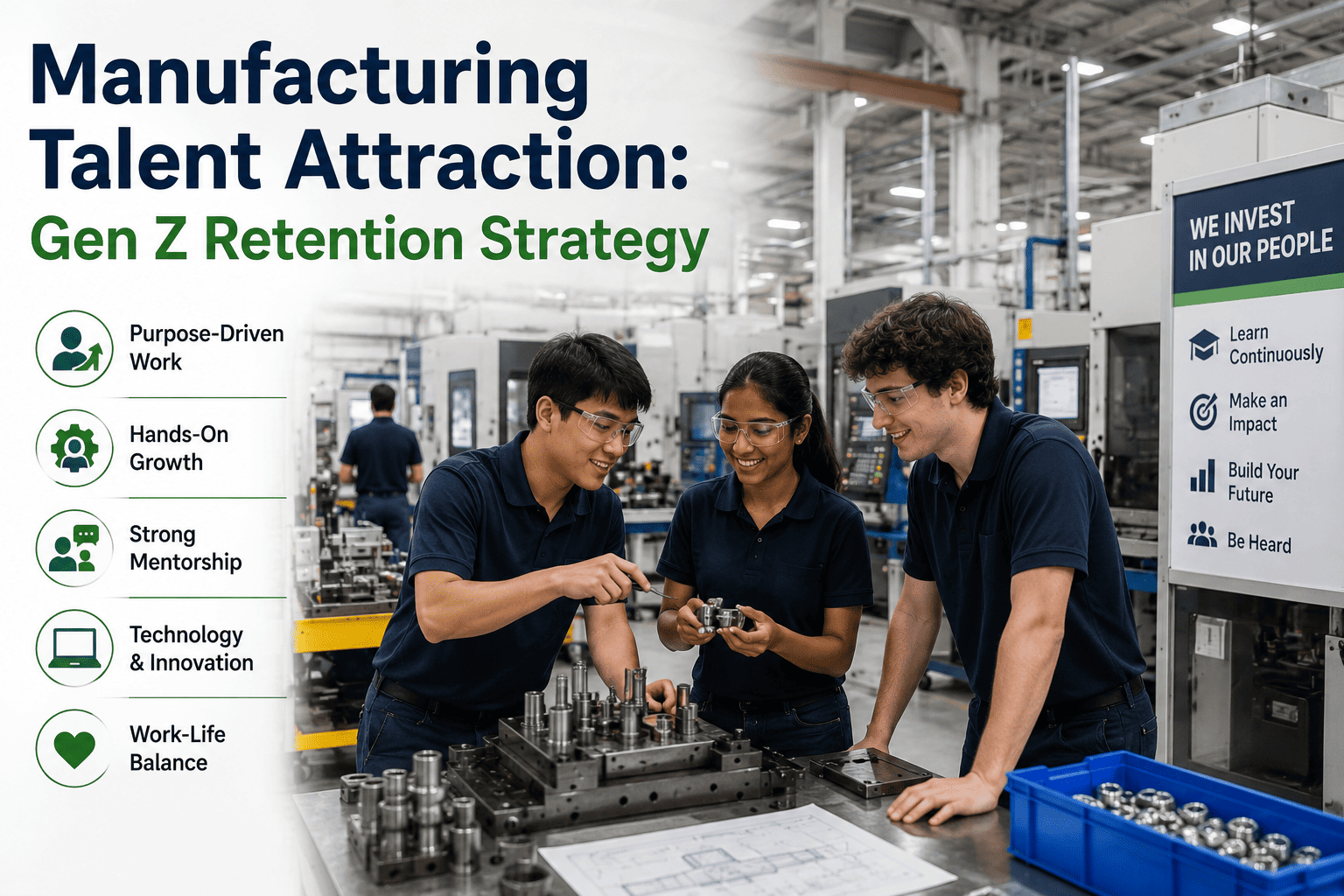
Ask a plant manager what keeps them up at night in 2026, and the answer is rarely a machine — it's the empty seat next to it. Manufacturing is short roughly 1.9 million skilled workers by 2033 according to Deloitte and The Manufacturing Institute, and the generation that's supposed to fill that gap has an average early-career tenure of just 1.1 years. Gen Z isn't avoiding manufacturing because the work is beneath them; they're avoiding it because most plants still recruit, train, and promote the way they did twenty years ago. Closing that gap starts with understanding what this generation is actually optimizing for, and how a technology-forward operations platform becomes part of the pitch instead of an afterthought.
Show Gen Z the Plant They Actually Want to Work In
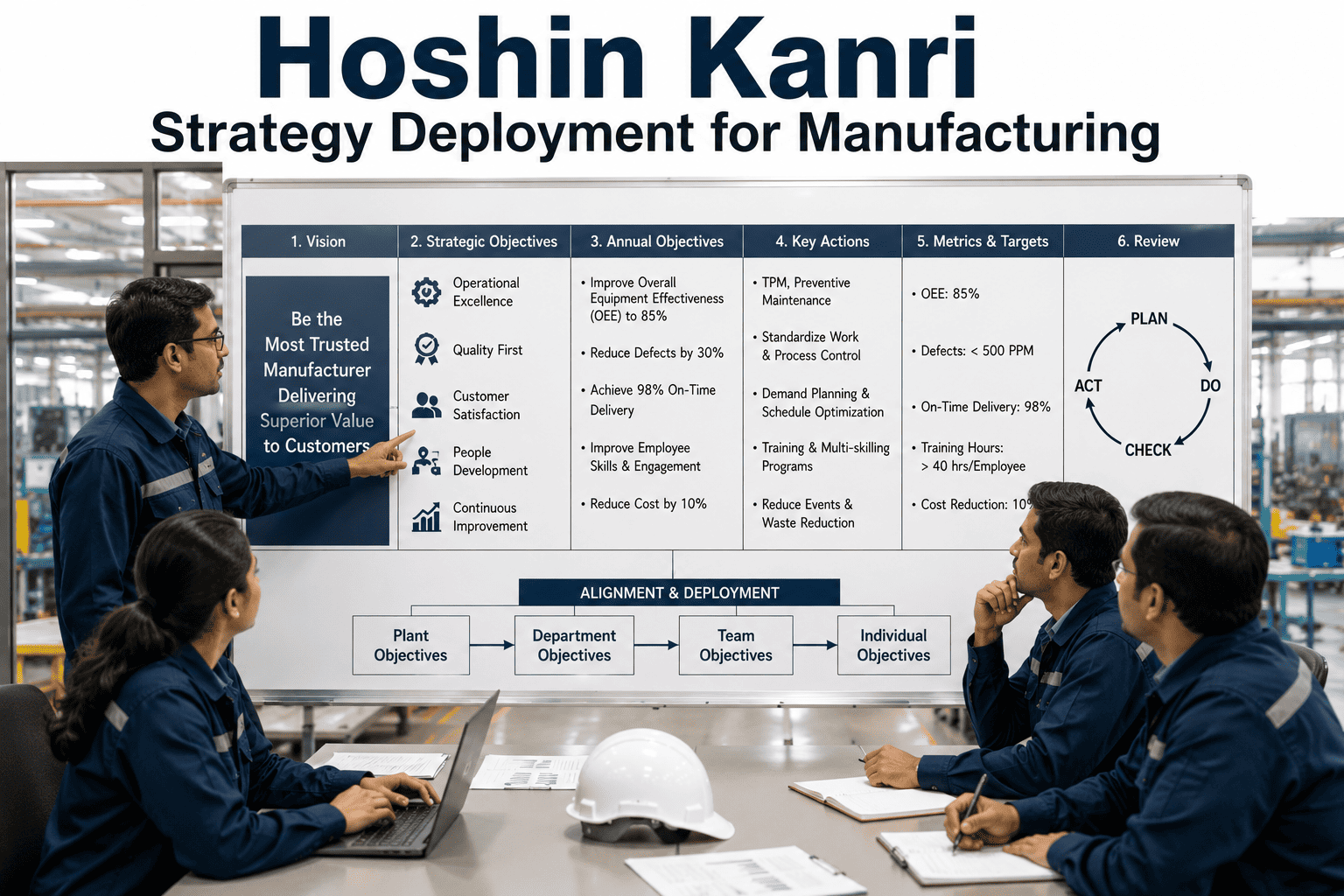
ifactory replaces clipboards and whiteboards with dashboards, digital work instructions, and real-time data — the technology-forward floor experience younger talent expects.
Why the Talent Gap Is Becoming a Generational Problem
The manufacturing labor shortage was already a structural issue before Gen Z entered the workforce — roughly a quarter of manufacturing's current workforce is nearing retirement age, and the industry needs as many as 3.8 million net new employees between 2024 and 2033 just to keep pace with growth. What's changed is who is supposed to fill those seats. Gen Z now makes up a growing share of the global workforce and, for the first time, has surpassed Baby Boomers in the U.S. labor force. This is not a future workforce problem — it is the workforce, right now, and it behaves very differently from the generations manufacturing has historically recruited.
The retention math makes the urgency concrete. Replacing a single skilled worker typically costs somewhere between half and double their annual salary once training, ramp-up time, and lost productivity are factored in. With Gen Z's average early-career tenure sitting around 1.1 years, and roughly one in three actively planning to change jobs within the next twelve months, a plant that cannot retain this generation is not just losing people — it is absorbing that replacement cost on a loop, year after year, while the skills gap keeps widening underneath it.
Executives surveyed on this exact problem tend to point to the same handful of root causes: new entrants have fundamentally different expectations for what a job and a career should look like, the industry still struggles with an image problem left over from decades of decline narratives, and the retiring generation is leaving faster than younger workers are arriving to replace them. None of those three causes are solved by a wage increase alone, which is why plants that only compete on hourly rate continue to struggle even when they are willing to pay a premium.
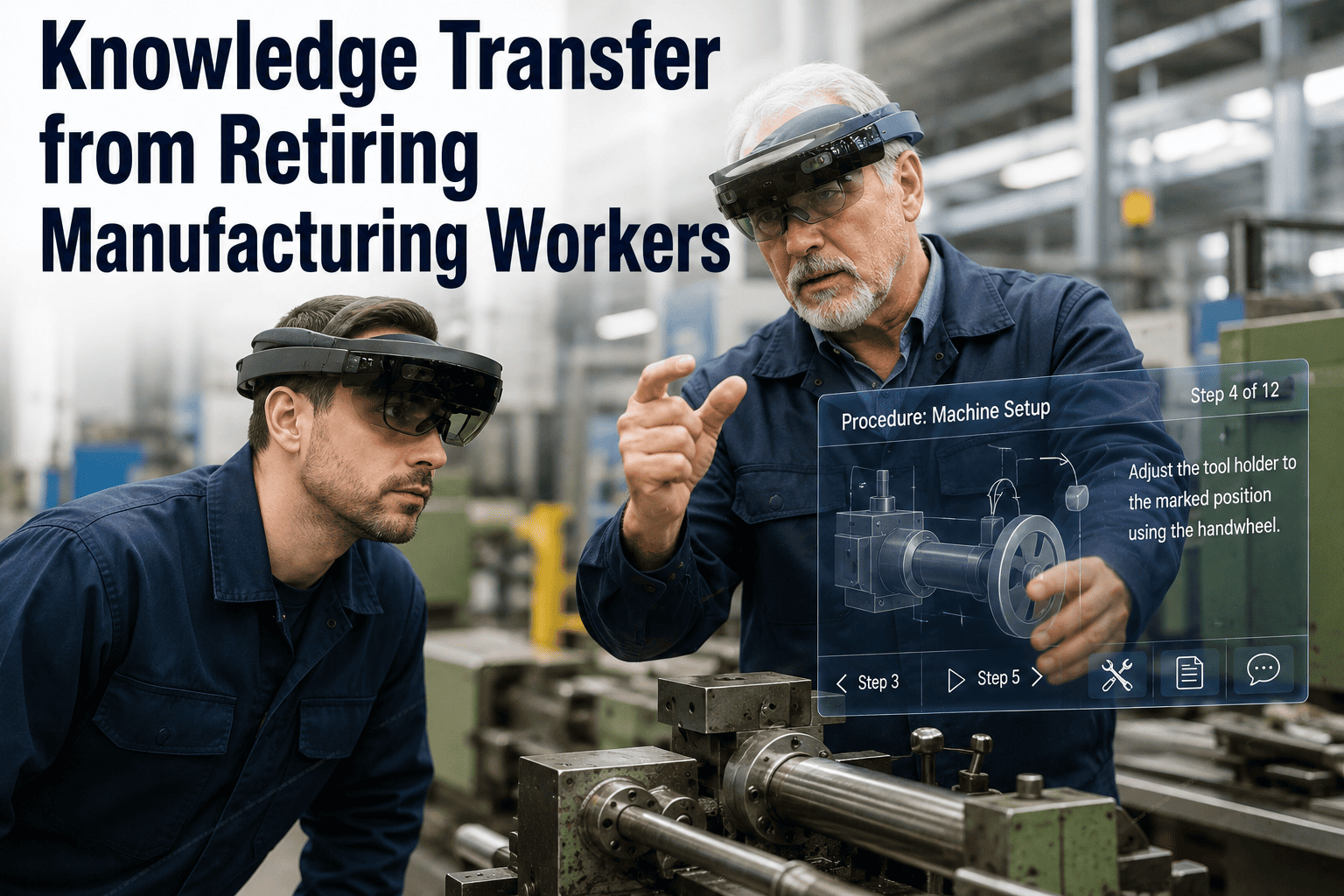
There is also a quieter cost that rarely makes it into a board presentation: the loss of institutional knowledge. When an experienced technician retires and their replacement leaves within a year, the plant does not just lose a headcount — it loses the tribal knowledge about which machine drifts out of calibration first, which supplier's material runs slightly differently, and which shortcut actually works versus which one only looks like it does. That knowledge either needs to be captured in a system before it walks out the door, or it needs to be replaced by a workforce that sticks around long enough to rebuild it.
Old Assumption vs. Gen Z Reality
Most recruiting playbooks in manufacturing were written for a workforce that no longer exists. The gap between what plants assume young workers want and what Gen Z actually prioritizes is where most attraction and retention strategies quietly fail — often without anyone in leadership realizing the playbook itself is the problem, rather than the candidates it keeps failing to attract.
Pay is the primary driver — beat the wage down the street and the role fills itself.
76% say they prioritize work-life balance over pay, and will trade some salary for flexibility and predictable scheduling.
Entry-level factory work is a stable, if unglamorous, long-term career choice.
Most view unlabeled entry-level roles as dead ends unless a visible skills and advancement path is shown up front.
Annual performance reviews are sufficient feedback for a growing employee.
Frequent, specific, two-directional feedback drives measurably higher engagement than an annual review cycle alone.
Paper logs, whiteboards, and legacy systems are just "how the floor works."
A majority regularly use AI and digital tools to build skills, and expect the same connected experience at work that they have everywhere else.
The Gen Z Attraction Funnel: Where Candidates Drop Off
Most plants lose Gen Z candidates long before a formal resignation — the exit happens quietly, one stage earlier than leadership usually notices. Treating attraction and retention as a single funnel, rather than two separate HR functions, makes it far easier to see exactly where a promising candidate pool thins out before it ever reaches the floor. Mapping the funnel from first impression to long-term retention shows exactly where the leaks tend to be.
Employer brand and job posts either signal a modern, tech-forward workplace or read like an unchanged 1998 listing.
Candidates research the role and company online before ever applying — a vague or absent digital presence loses them here.
Slow, paper-heavy, multi-step application processes cause a large share of qualified candidates to simply abandon the process.
Unclear training, no visible mentor, and outdated tools on day one confirm the candidate's worst assumptions about the role.
Without a visible skills path and regular recognition, tenure trends toward the industry's roughly one-year average.
Plug the Leak at the "First 90 Days" Stage
ifactory gives new hires guided digital work instructions and visible progress tracking from day one, instead of a binder and a shrug.
Reframing Entry-Level Work as a Skilled Technician Path
One of the most effective and least expensive changes a manufacturer can make is also the simplest to describe: stop calling the role "line worker" or "assembler" and start describing what it actually is in 2026 — a technician who monitors sensors, reads dashboards, and works alongside automated and robotic systems. This is not a rebranding exercise for its own sake. Modern production floors genuinely require more digital literacy than they did a decade ago, and job titles that reflect that reality attract a different, more engaged applicant pool than titles that still describe a factory from a previous era.
The reframing only works, though, if the day-to-day experience backs it up. A candidate who accepts a "manufacturing technician" role expecting to work with dashboards and digital systems, and instead spends their first week filling out carbon-copy paper forms, will notice the gap immediately and tell their peers about it. Employer brand and shop-floor reality have to move together, which is exactly why the technology layer underneath the job — not just the job title — has become part of the recruiting pitch, not a separate IT decision made after hiring.
Career ladders matter just as much as the title on day one. Gen Z candidates consistently ask, directly or indirectly, "what does the next two years look like?" A plant that can answer with a specific sequence — cross-training on a second machine at month six, a certification opportunity at month twelve, a lead technician track at month eighteen — is answering a question that a generic "opportunities for advancement" bullet point on a job posting never actually addresses. Writing that ladder down, publishing it internally, and referencing it during the interview costs nothing and consistently outperforms vague promises made verbally during onboarding and then never mentioned again.
Five Retention Levers That Actually Move the Needle
Visible Skills Pathways
Reframe entry-level roles as the first rung of a defined technician career ladder, with named skills, certifications, and pay steps attached to each rung — not a vague promise of "growth opportunities."
Technology-Forward Daily Tools
Replace paper travelers, whiteboards, and radio call-outs with digital dashboards and mobile-friendly work instructions. This is one of the fastest signals a candidate reads as "modern employer."
Predictable, Flexible Scheduling
Where production allows it, offer shift-swap tools, compressed schedules, or self-service scheduling. Predictability matters as much as flexibility itself for shift-based work.
Frequent, Specific Recognition
Replace the annual review with regular, two-directional check-ins tied to concrete achievements. The engagement gap between frequent and rare recognition is significant and well documented.
Purpose-Driven Framing
Connect daily tasks to the bigger picture — what the product does, who it serves, how the operator's role fits the whole. Purpose is consistently one of the top drivers of Gen Z engagement.
Employer Brand Checklist: Signals Gen Z Reads in the First Five Minutes
Before a candidate ever speaks to a recruiter, they form an impression from a handful of digital and physical signals. This checklist covers the ones that consistently separate plants with strong applicant flow from plants that struggle to fill entry-level roles.
Job posts show technology, not just tasks
Listings that mention robotics, automation, dashboards, or digital tools consistently outperform generic "line worker" postings in applicant quality and volume.
A real career ladder is visible before day one
Candidates should be able to see the path from entry-level technician to skilled specialist, with rough timelines, before they ever accept an offer.
The application process fits on a phone
A mobile-friendly, short application removes the single biggest source of drop-off between "interested" and "applied."
Current employees are visible in recruiting content
Peer stories and floor tours read as far more credible than corporate messaging alone, especially to candidates researching a company before applying.
Day-one tools match the pitch
If recruiting promised a modern workplace but onboarding hands new hires a binder and a clipboard, the mismatch is noticed immediately and repeated to peers.
Most of this checklist has nothing to do with wages, and that is deliberate. Compensation still needs to be competitive, but it is rarely the variable that determines whether a plant fills its entry-level roster in this labor market — the variable is usually whether the total experience, from job posting to first paycheck, matches what a candidate has come to expect from any modern employer. Plants that treat these signals as marketing polish rather than operational substance tend to see the gap reappear within a year, because the underlying floor experience never actually changed.
Frequently Asked Questions: Attracting and Retaining Gen Z in Manufacturing
Why is manufacturing struggling more than other industries to attract Gen Z?
Manufacturing carries an outdated public perception as repetitive, physically demanding, low-tech work, while Gen Z has grown up expecting digital tools, visible growth paths, and purpose-driven employers across every industry they consider. The roles themselves have modernized significantly with automation and robotics, but the recruiting message and day-one experience often have not caught up, which creates a mismatch between what the job actually is and what candidates expect to find. Other industries competing for the same entry-level talent pool, such as logistics and warehousing, have often modernized their applicant experience faster, which pulls candidates away even when the manufacturing role itself pays better. Our team can help you assess where that gap shows up in your own hiring funnel.
Does Gen Z really care more about purpose than salary?
Salary still matters, but it is rarely the deciding factor on its own. Research consistently shows Gen Z weighing work-life balance, growth opportunity, and a sense of purpose alongside compensation, with a majority saying they would trade some pay for flexibility or meaningful work. Manufacturers who frame roles around what the product accomplishes and how the operator's work fits into that story tend to see stronger applicant engagement than those leading with wage alone.
What does "technology-forward" actually mean for a shop floor?
It does not require full automation or a factory rebuild. It typically starts with replacing paper travelers, whiteboards, and radio-based communication with digital dashboards, mobile work instructions, and real-time production visibility. These are the tools Gen Z already expects in any modern workplace, and their presence signals investment in the workforce rather than just the machines. Plants often find that these changes also reduce errors and training time, so the retention benefit arrives alongside an operational one rather than instead of it. Book a demo to see what this looks like on an actual production floor.
How much does high turnover actually cost a manufacturing plant?
Replacing a single worker typically costs between roughly half and double their annual salary once recruiting, onboarding, lost productivity, and training time are included. With early-career tenure in manufacturing averaging close to a year for Gen Z, that cost compounds continuously rather than being a one-time expense, making retention one of the highest-leverage places to invest relative to most capital projects.
What is the single fastest change a plant can make to improve retention?
Fixing the first ninety days tends to produce the fastest measurable improvement, because that window is when new hires decide whether the job matches what recruiting promised. Clear onboarding, a visible skills checklist, an assigned mentor, and modern day-to-day tools address the most common early-tenure drop-off points without requiring a broader compensation overhaul first. Plants that track onboarding completion and early feedback systematically, rather than relying on a supervisor's general impression, tend to catch and correct problems well before they show up as a resignation.
Build the Plant Gen Z Wants to Stay For
ifactory connects your floor with the digital, data-driven experience today's workforce expects — from onboarding through every shift after it.