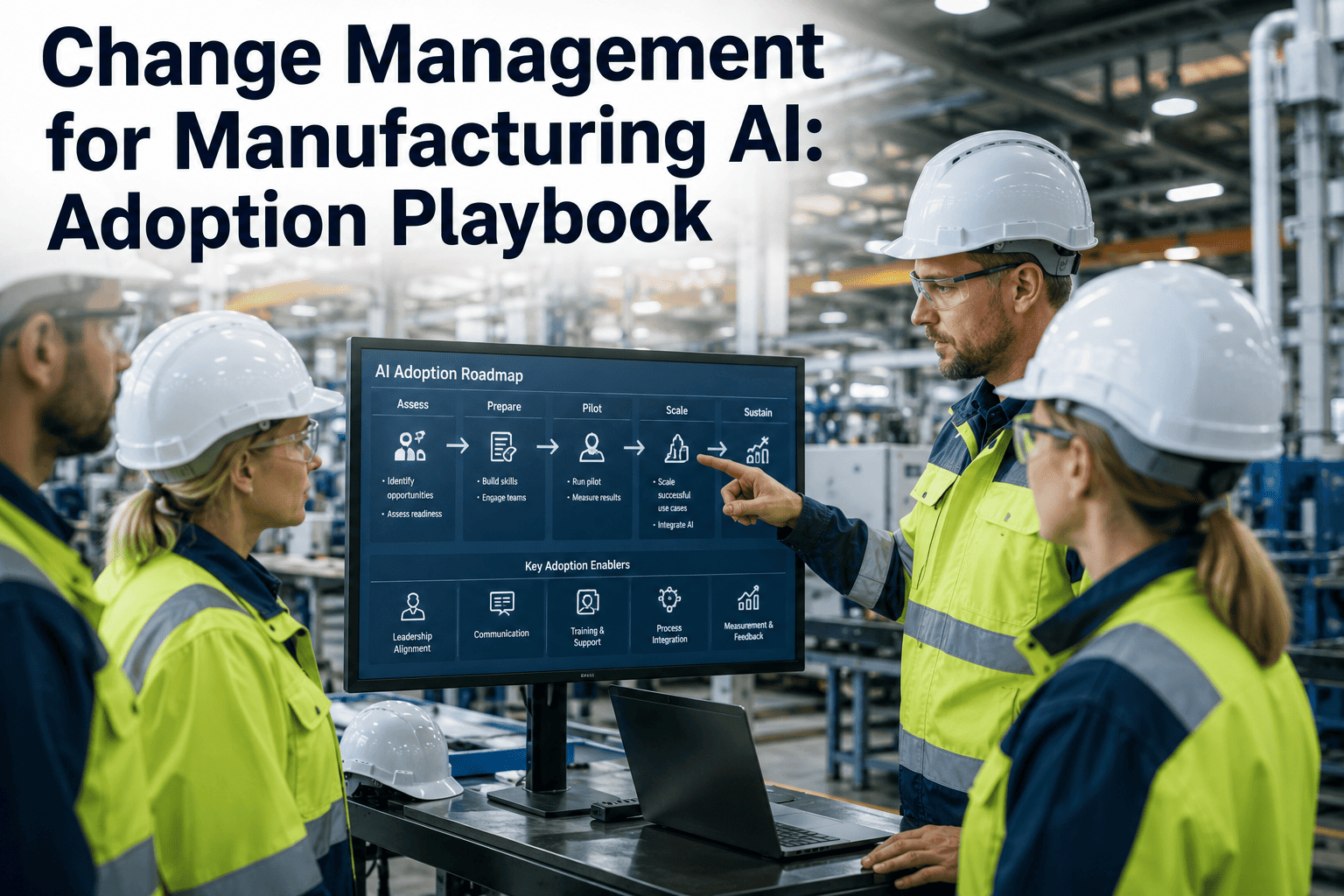
Implementing artificial intelligence in a manufacturing environment is rarely a technology problem. The algorithms work. The sensors deliver accurate data. The predictive models forecast downtime with impressive precision. The real friction, the one that causes multimillion-dollar AI initiatives to stall or fail entirely, is human. Operators distrust the system. Supervisors feel their expertise is being undermined. Middle managers resist changes to workflows they have optimized over decades. Without a deliberate, structured change management strategy, even the most technically sound AI deployment will be rejected by the very people it is designed to help. This playbook provides a step-by-step framework for manufacturing leaders to drive AI adoption that is embraced, sustained, and scaled across the plant floor. It is built on real-world case studies, behavioral science principles, and proven organizational tactics. If you are ready to move from pilot to plant-wide rollout, Book a Demo to see how our platform accelerates cultural readiness alongside technical deployment.
The Hidden Barrier to Manufacturing AI Success
Technology adoption fails 70% of the time due to human resistance, not technical limitations. Manufacturing AI is no exception.
Why Manufacturing AI Adoption Demands a People-First Approach
The Trust Deficit
Operators who have spent years fine-tuning machines by intuition often view AI recommendations as a black box. They need transparency, training, and proof that the system augments rather than replaces their judgment. Without building trust through demonstration and incremental wins, adoption stalls.
The Skills Gap
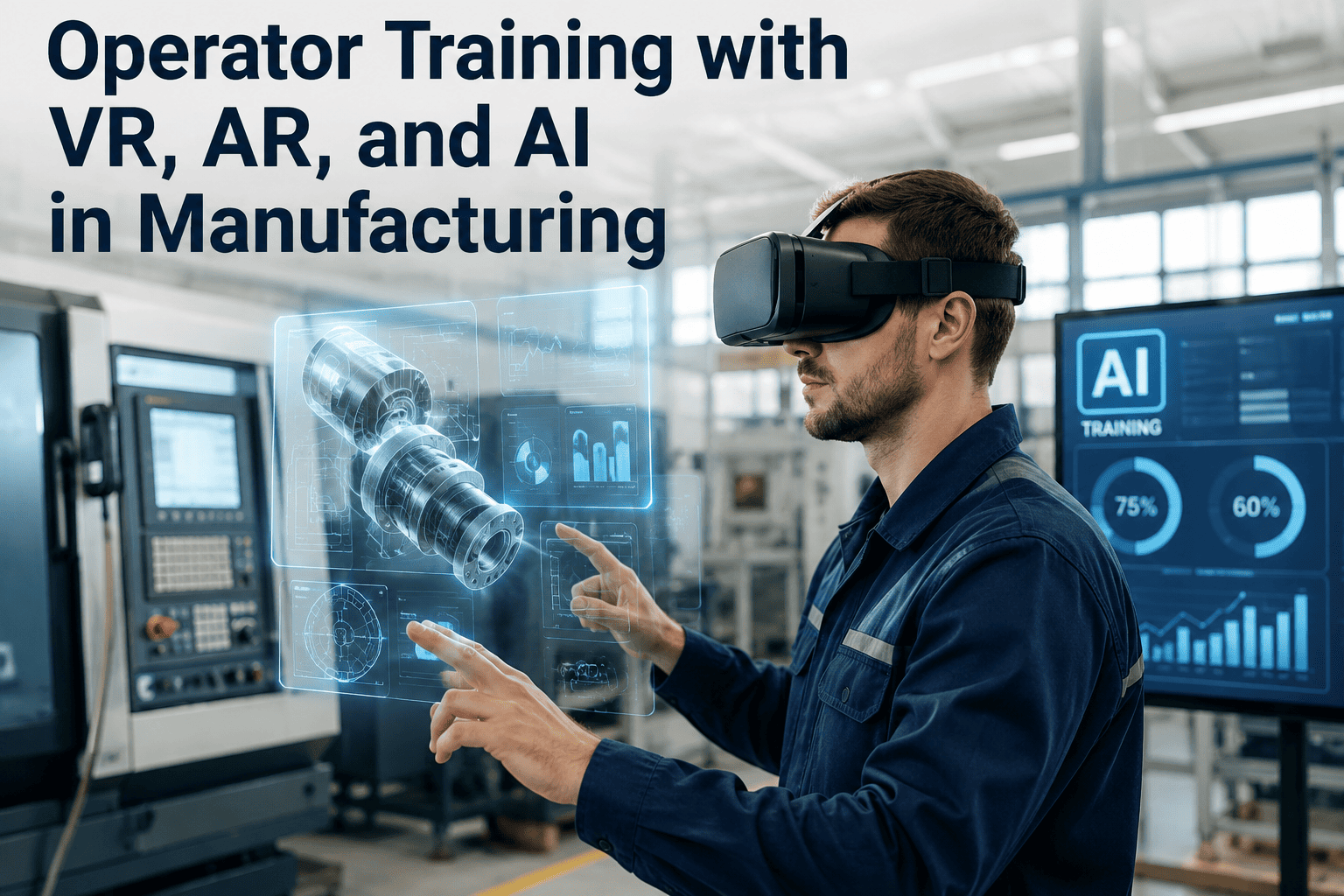
AI tools require new competencies: interpreting data dashboards, validating model outputs, and troubleshooting edge cases. A workforce without structured upskilling will default to manual overrides. Reskilling must be continuous, not a one-time workshop.
Middle Management Resistance
Supervisors and shift leads may feel their authority is eroded by AI-driven scheduling or quality control. Engaging them as co-creators of the new workflow, not passive recipients, is critical for buy-in.
Cultural Inertia
Manufacturing plants have deep-rooted rituals, from morning stand-ups to shift handoffs. AI disrupts these patterns. Change management must respect existing culture while introducing new behaviors gradually.
The 5-Phase AI Adoption Playbook
Phase 1: Assess Readiness
Conduct a cultural audit using surveys, focus groups, and observational studies. Identify champions and resistors. Map current workflows and pain points. Use this data to tailor communication and training strategies. Create a readiness scorecard with metrics like trust level, digital literacy, and change receptivity.
Phase 2: Build a Coalition
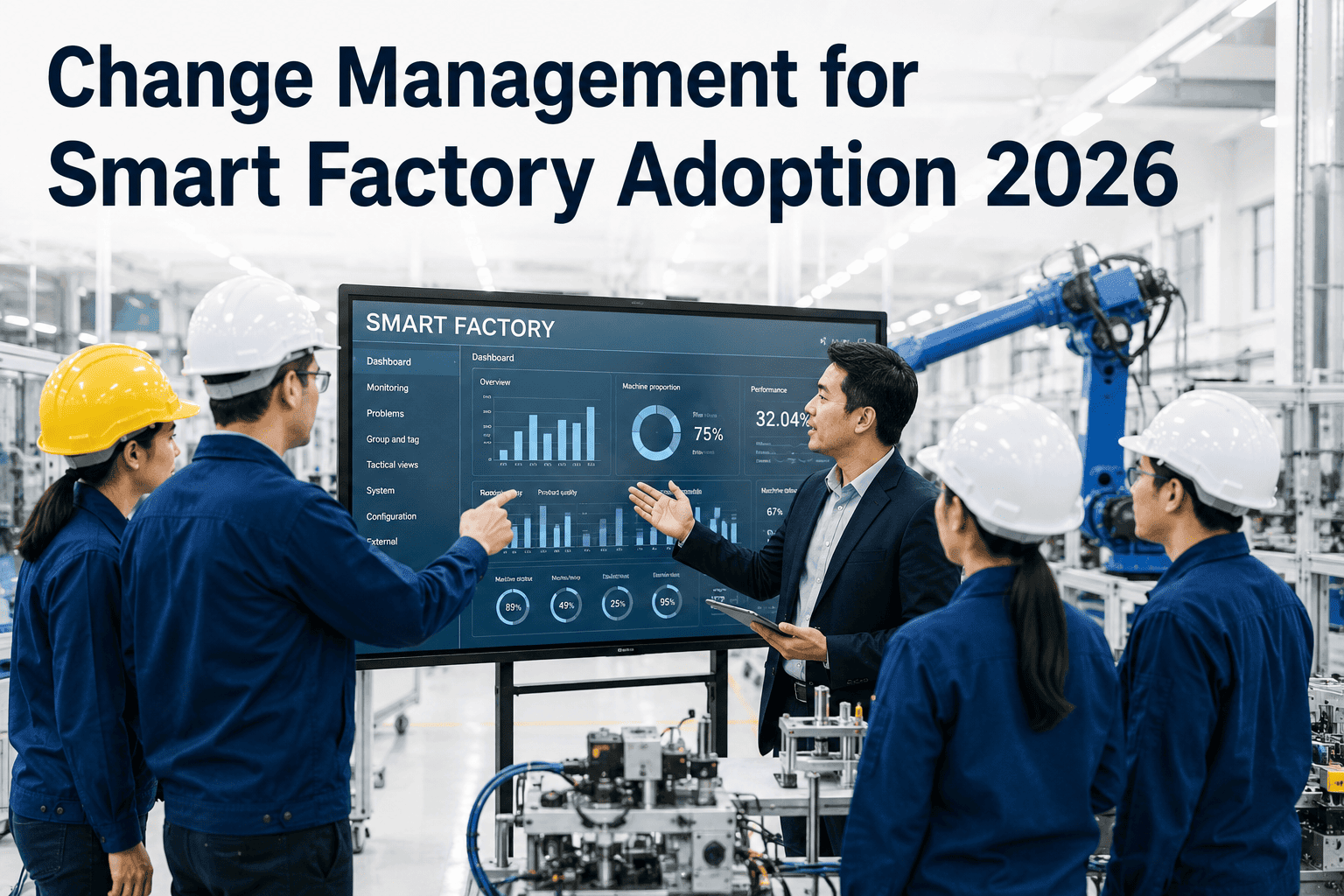
Form a cross-functional change team including operators, supervisors, union representatives, IT, and HR. Empower plant-floor champions to lead peer training. Ensure visible sponsorship from plant manager and C-suite. Regular town halls and open forums for Q&A.
Phase 3: Pilot with Transparency
Select a high-visibility, low-risk process for the AI pilot. Share raw data, model decisions, and outcomes openly. Hold daily stand-ups to review AI recommendations vs. operator decisions. Celebrate early wins and publicly address errors. Document lessons learned.
Phase 4: Scale with Feedback Loops
Roll out AI incrementally across lines and shifts. Embed feedback mechanisms: digital suggestion boxes, pulse surveys, and monthly review meetings. Adjust training content based on common questions. Recognize and reward adoption behavior.
Phase 5: Embed and Evolve
Make AI fluency part of job descriptions, performance reviews, and promotion criteria. Refresh training annually. Continuously update the change management playbook based on new data. Sustain momentum through ongoing communication and visible leadership commitment.
Ready to Transform Your Plant Floor Culture?
Our change management platform integrates with your AI rollout to ensure adoption sticks. Book a demo to see how we reduce resistance and accelerate ROI.
Real-World Case Study: Automotive Parts Manufacturer
The Challenge
A Tier 1 automotive supplier deployed an AI-based predictive maintenance system across three plants. After six months, adoption was below 30%. Operators continued using manual inspection schedules. The system generated alerts that were ignored.
The Intervention
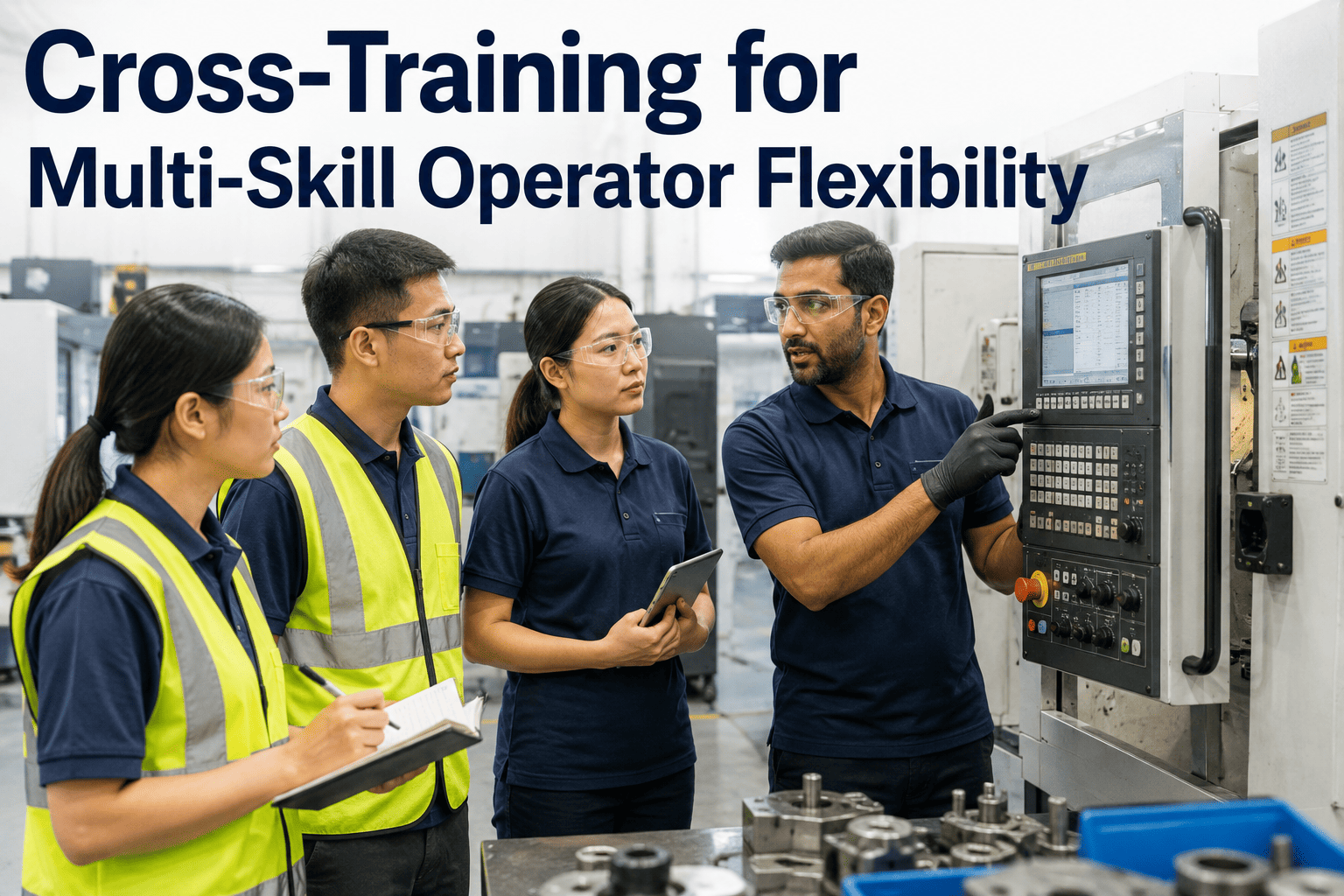
A structured change management program was launched: readiness assessment, champion identification, transparent piloting, and continuous feedback loops. Operators were trained in small groups with hands-on sessions. A digital leaderboard tracked adoption metrics.
The Result
Within 12 weeks, adoption rose to 78%. Unplanned downtime decreased by 22%. Operator satisfaction scores improved. The company expanded AI to quality control and scheduling. The playbook became standard for all future technology rollouts.
Change Management Tactics by Stakeholder Group
| Stakeholder | Primary Concern | Change Tactic | Success Metric |
|---|---|---|---|
| Operators | Job security, loss of autonomy | Hands-on training, transparency, champion program | Adoption rate, error reduction |
| Supervisors | Erosion of authority | Co-creation of workflows, recognition | Engagement score, turnover |
| Middle Managers | Performance metrics, workload | Incentive alignment, data access | Decision speed, compliance |
| IT/OT Teams | System integration, security | Joint architecture design, sandbox | Deployment time, incident count |
| Union Representatives | Worker rights, training equity | Early involvement, transparency | Grievance rate, satisfaction |
Adoption Maturity Model
Use this model to assess your plant's current stage and target interventions accordingly. Most plants stall at Acceptance without structured change management.
Frequently Asked Questions
How long does it take to achieve full AI adoption in a manufacturing plant?
The timeline varies based on plant size, workforce demographics, and the complexity of the AI system. In our experience, a structured change management program can achieve 70-80% adoption within 12 to 16 weeks for a single process. Full plant-wide adoption, including multiple shifts and departments, typically takes 6 to 9 months. Factors that accelerate adoption include strong leadership sponsorship, a dedicated change team, and continuous feedback loops. For a detailed timeline tailored to your facility, Book a Demo and we will map out a custom adoption roadmap.
What is the single most effective tactic for overcoming operator resistance to AI?
Transparency is the most powerful tool. When operators see the raw data the AI uses, understand how it weighs variables, and witness its recommendations compared to their own decisions, trust builds naturally. We recommend running a side-by-side pilot for at least two weeks where the AI's suggestions are displayed but not enforced. Operators can test the system without risk. Once they see the AI catching patterns they missed, resistance drops significantly. Pair this with a champion program where early adopters share their positive experiences. For a step-by-step guide on setting up a transparent pilot, visit our Support page.
How do we measure the success of change management for AI adoption?
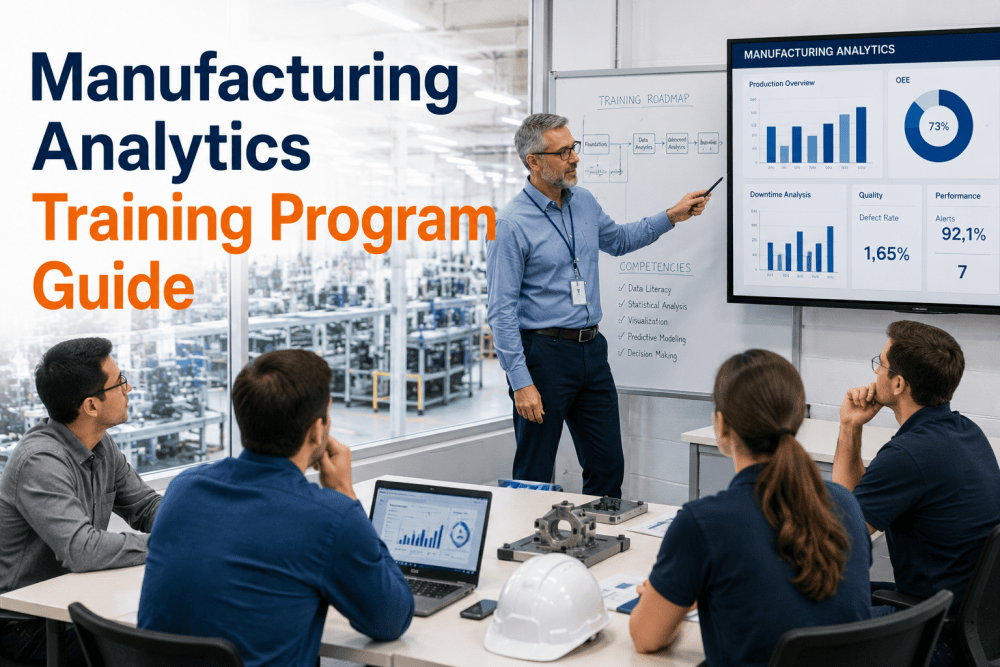
Success should be measured across four dimensions: adoption rate (percentage of operators using the AI system regularly), competency (score on a standardized skills assessment), satisfaction (survey scores on trust and ease of use), and business impact (reduction in downtime, quality defects, or throughput improvement). We recommend tracking these metrics weekly during the first three months and monthly thereafter. A dashboard that visualizes these KPIs helps maintain focus and identify areas needing intervention. Our platform includes built-in analytics for these metrics. Book a Demo to see how we track adoption in real time.
What role does HR play in manufacturing AI change management?
HR is a strategic partner in AI adoption. They lead the reskilling and upskilling programs, update job descriptions to include AI competencies, and redesign performance management to reward adoption behavior. HR also facilitates communication between leadership and the workforce, ensuring that concerns are addressed transparently. In unionized environments, HR coordinates with union representatives to negotiate training time and job security guarantees. Without HR involvement, change management efforts often lack the structural support needed for sustainability. For best practices on aligning HR with AI adoption, check our Support resources.
How do we handle AI adoption across multiple shifts with different cultures?
Each shift often develops its own norms, communication styles, and levels of trust. A one-size-fits-all approach will fail. We recommend conducting a separate readiness assessment for each shift, identifying shift-specific champions, and customizing training delivery times and formats. For example, night shifts may prefer shorter, more frequent training sessions with hands-on practice. Day shifts might respond better to longer workshops. Regular cross-shift meetings where champions share insights can foster consistency. Our platform allows you to track adoption by shift and tailor interventions accordingly. Book a Demo to learn how we support multi-shift rollouts.
Start Your AI Adoption Journey Today
Don't let cultural resistance derail your AI investment. Our proven change management framework ensures your workforce embraces the technology.