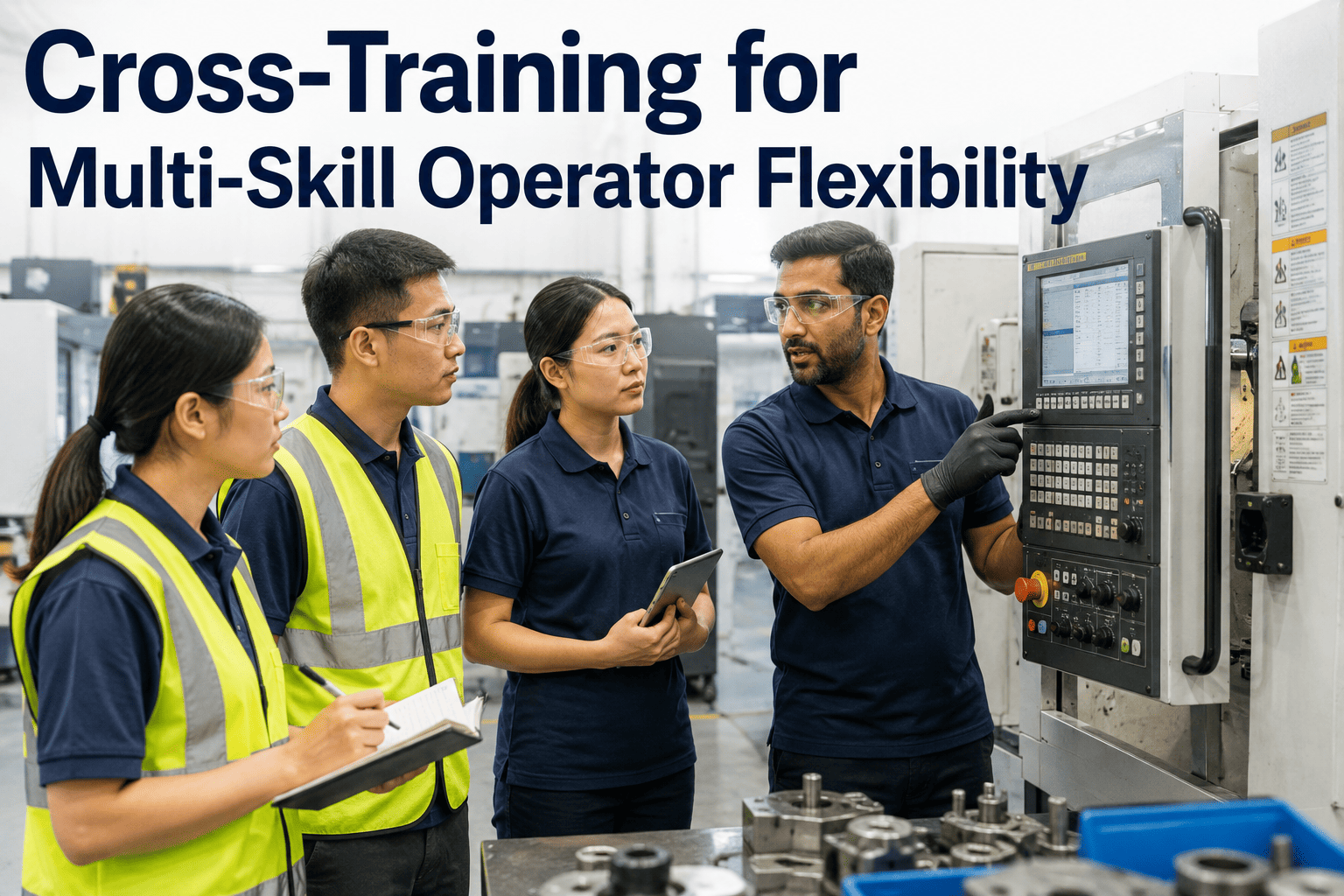
A single-skill workforce turns every absence into a production problem. When only one operator on a shift can run a particular machine and that person calls in sick, the line either slows down, runs with a less experienced substitute, or stops entirely until someone qualified arrives. Cross-training breaks that dependency by building a workforce where multiple operators can competently run multiple stations, turning staffing gaps from a crisis into a routine reassignment. The challenge most plants run into is not deciding cross-training is a good idea, it is tracking who is actually qualified on what, and building a rotation plan that develops skills without disrupting output. Our team can help you build that tracking system so cross-training becomes a managed program instead of an informal hope.
Cross-Training for Multi-Skill Operator Flexibility
Build a workforce that can absorb absences, cover peak demand, and rotate through stations without slowing the line, backed by a qualification tracking system that shows exactly who is certified on what.
The Real Cost of a Single-Skill Workforce
Most plants discover the cost of single-skill staffing at the worst possible moment, when a key operator is out and the only qualified backup is also unavailable. The line either runs understaffed with quality risk, gets covered by a supervisor pulled off other duties, or stops. This is not a rare edge case, it is a predictable outcome of a staffing model with no redundancy built in, and it repeats every time absenteeism, turnover, or a demand spike outpaces the number of people qualified to run a given station.
Cross-training addresses this directly by ensuring every critical station has more than one qualified operator, and by building enough overlapping skill across the team that a single absence never becomes a single point of failure. The operational benefit compounds with scheduling flexibility, since a cross-trained team can be reshuffled to match daily demand instead of being locked into a fixed assignment regardless of what the line actually needs that day.
The Skills Matrix: Making Qualification Visible
A skills matrix is the foundation of any real cross-training program. It maps every operator against every station they are qualified to run, at a defined proficiency level, so schedulers can see coverage gaps at a glance instead of relying on memory or word of mouth.
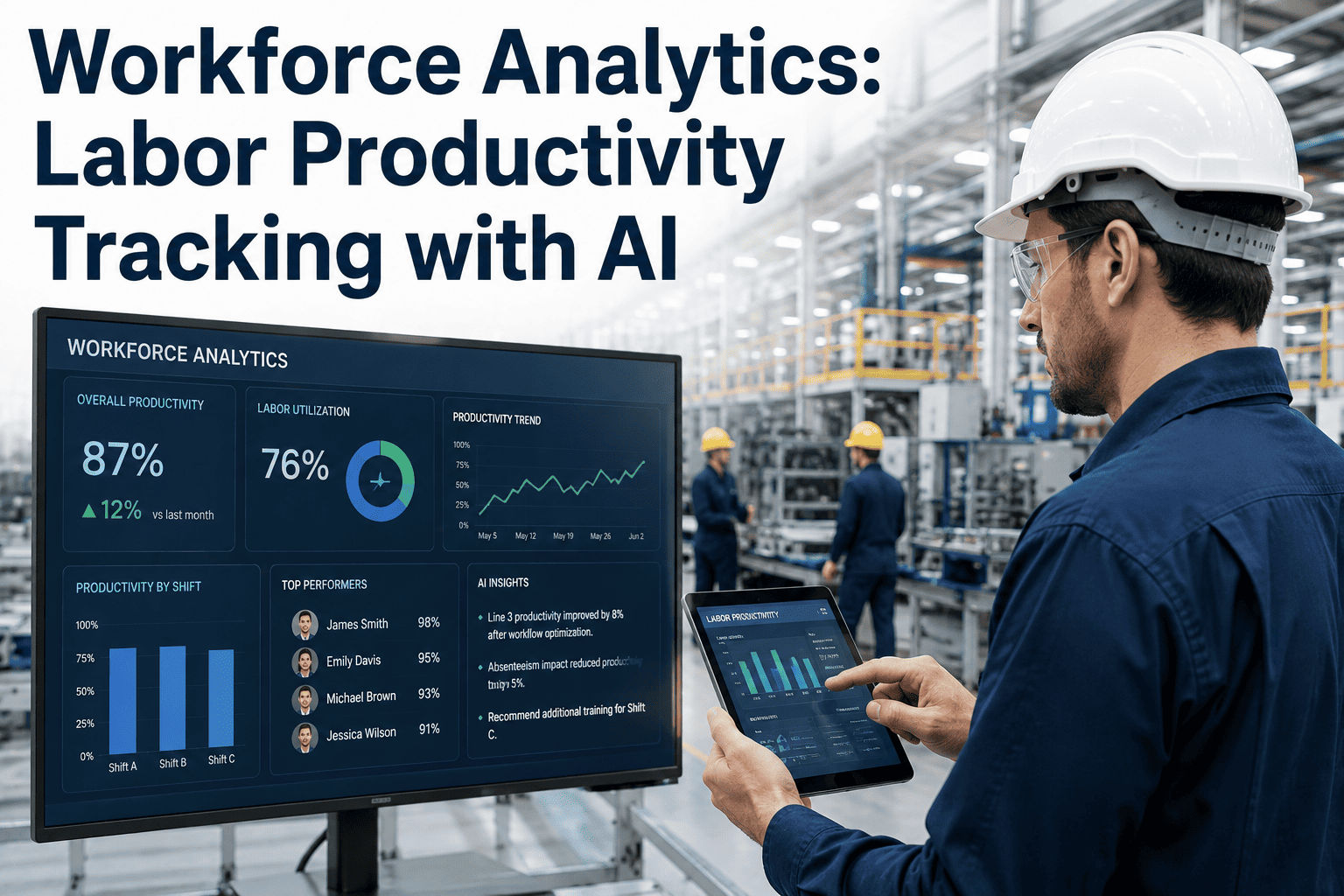
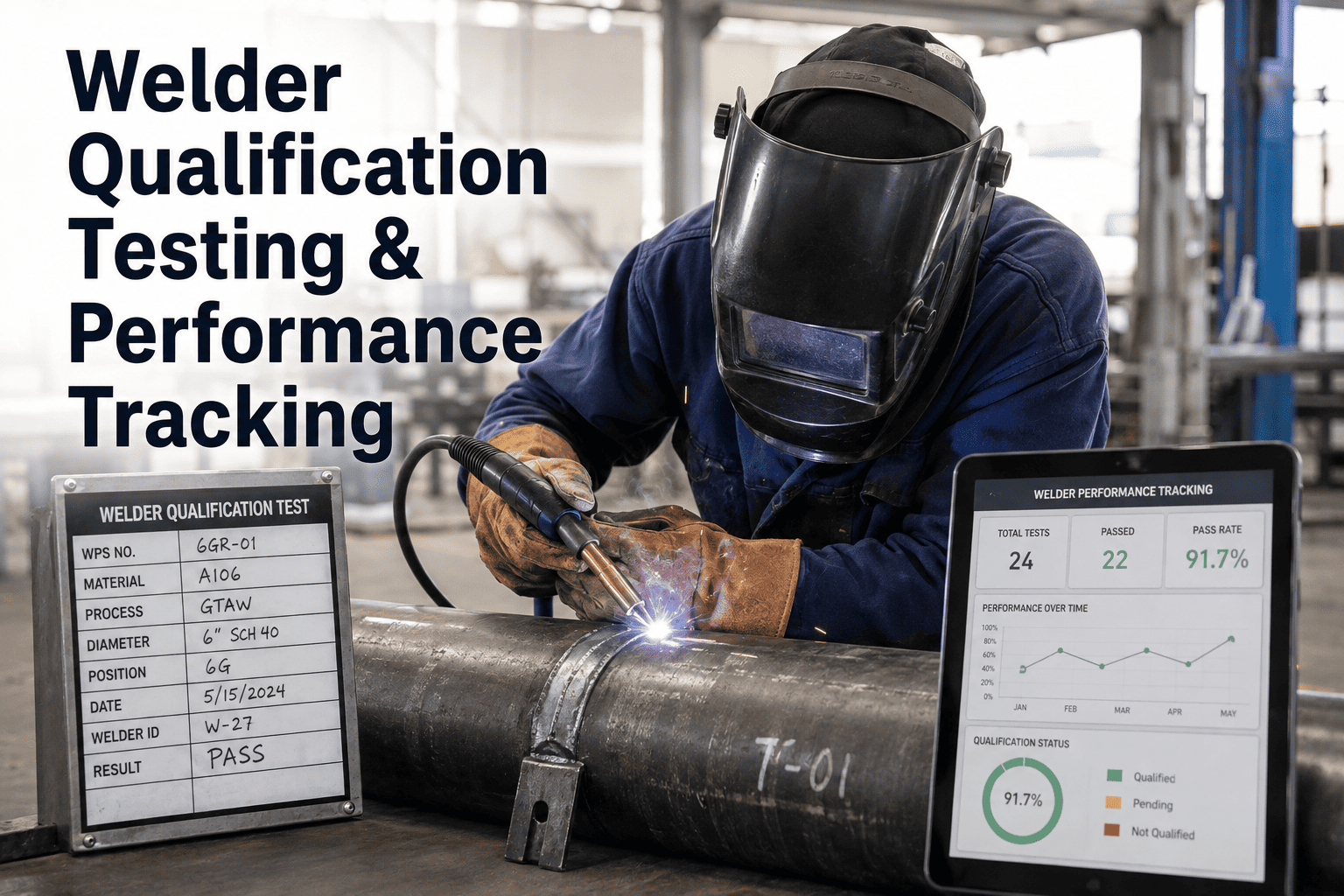
A digital skills matrix replaces the spreadsheet nobody updates with a live view of coverage gaps across every shift and station.
Building a Rotation Plan That Doesn't Hurt Output
Cross-training only works if operators actually rotate through new stations regularly enough to build and retain proficiency, but rotation done carelessly can hurt short-term output. A structured rotation plan balances skill development against production risk using a few consistent principles.
| Rotation Principle | Why It Matters |
|---|---|
| Train on lower-risk shifts first | New skill development happens during lower-demand periods, not during peak production windows where a slower learning curve carries more risk |
| Pair with a qualified trainer, not just a buddy | Only Level 4 operators sign off progression, preventing skill gaps from being passed down informally through undocumented shortcuts |
| Recertify skills that go unused | Proficiency degrades without practice, so stations run infrequently need periodic re-qualification rather than a one-time certification |
| Rotate in small increments | One new station at a time keeps cognitive load manageable and gives clear attribution if a quality issue emerges during training |
| Track rotation against attrition risk | Prioritize cross-training on stations where the current sole qualified operator is nearing retirement or has flagged intent to leave |
What a Mature Cross-Training Program Delivers
The Role of Digital Tools in Sustaining the Program
Cross-training programs that rely on memory or a static spreadsheet tend to decay within a year, as qualifications expire unnoticed and scheduling reverts to habit rather than actual coverage needs. A digital qualification system keeps the program alive by connecting three things that are usually managed separately.
Frequently Asked Questions
Turn Cross-Training Into a Tracked, Living Program
Give every shift a live view of who is qualified on what, so staffing gaps get caught before they become a production problem.