A supplier that passes an incoming inspection today can still be the reason a production line stops next quarter, because passing inspection and being capable of consistent, defect-free output at scale are not the same thing. Most manufacturers discover this the hard way — a critical part supplier that looked fine on paper starts drifting on delivery dates, then on defect rates, and by the time it shows up as a line-down event, the relationship has already cost far more than a structured improvement program ever would have. A supplier development program exists precisely to close that gap before it becomes a crisis, replacing reactive firefighting with a planned, measured path from an inconsistent vendor to a genuine performance partner. Our supplier development specialists can help you evaluate which suppliers in your base are the strongest candidates for a structured improvement plan.
Turn Inconsistent Suppliers Into Reliable Performance Partners
On-site audits, structured corrective action, and joint improvement projects that move a supplier from reactive quality escapes to predictable, on-time, cost-efficient delivery — with a documented plan instead of a hopeful phone call after every miss.
Why So Many Supplier Relationships Stall at "Acceptable"
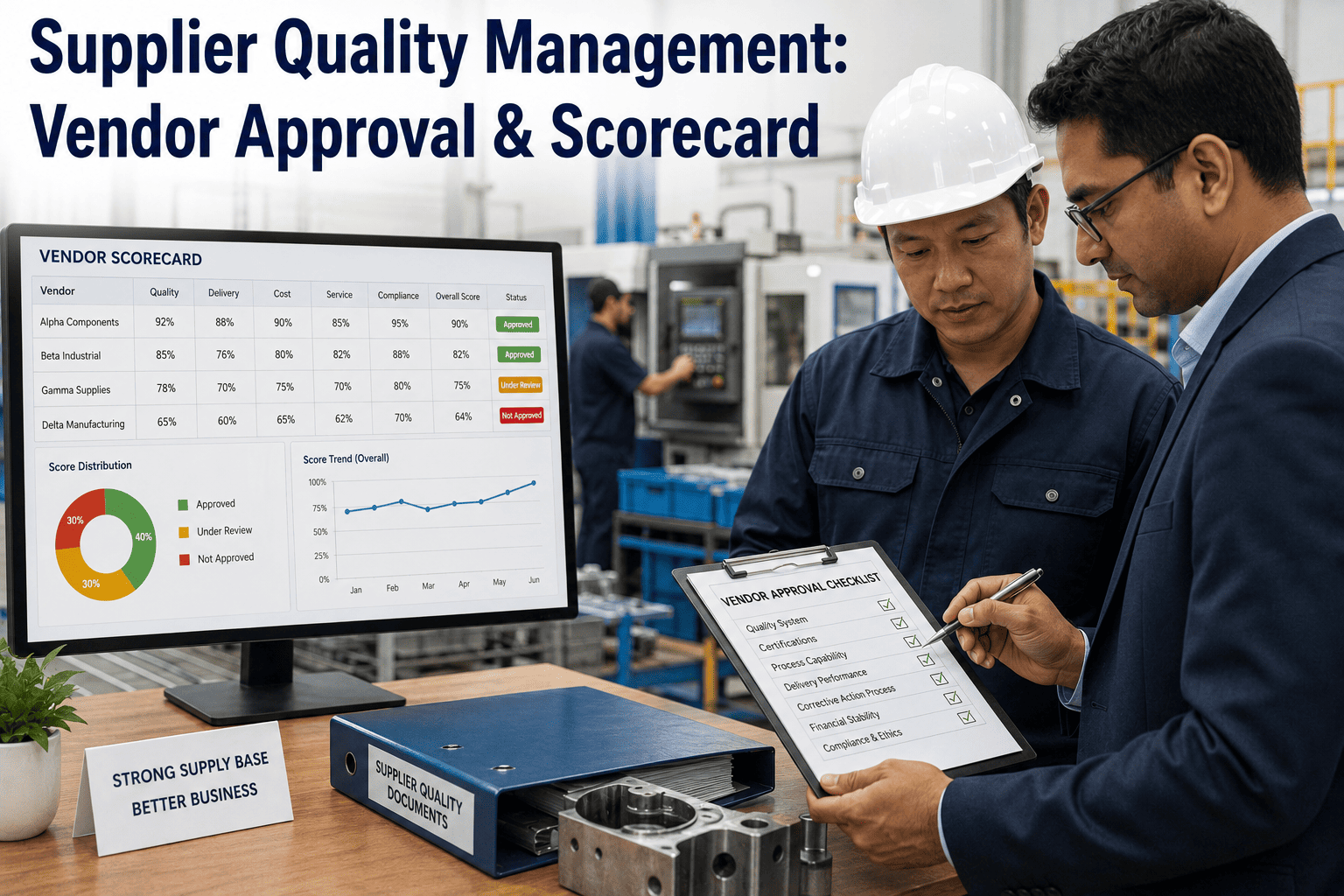
Most manufacturers do not lack supplier scorecards — they lack a mechanism for turning a low score into a funded, tracked improvement plan. A supplier can sit at a mediocre quality and delivery rating for years, quietly absorbed as the cost of doing business, because nobody owns the specific work of diagnosing why the supplier underperforms and building a joint plan to fix it. Supplier development is that ownership function. It treats a struggling supplier not as a vendor to be replaced at the next sourcing cycle, but as a capability gap that can often be closed faster and cheaper than a full re-sourcing effort would cost.
The organizations that get real value from supplier development do three things consistently: they select development candidates based on strategic importance and improvement potential rather than simply picking the worst scorer, they send people on-site to actually observe the process rather than relying only on incoming inspection data, and they track every corrective action to closure with the same discipline they would apply to an internal process deviation.
The Four Pillars a Real Development Program Has to Cover
Programs that only chase one metric tend to create side effects in the others — pushing a supplier hard on unit cost without addressing the process issues behind their defect rate usually just trades a quality problem for a margin problem on the supplier's side, which eventually comes back around as a delivery or quality problem again. A program built around all four pillars together avoids that trap.
Why Quality and Cost Pillars Have to Move Together
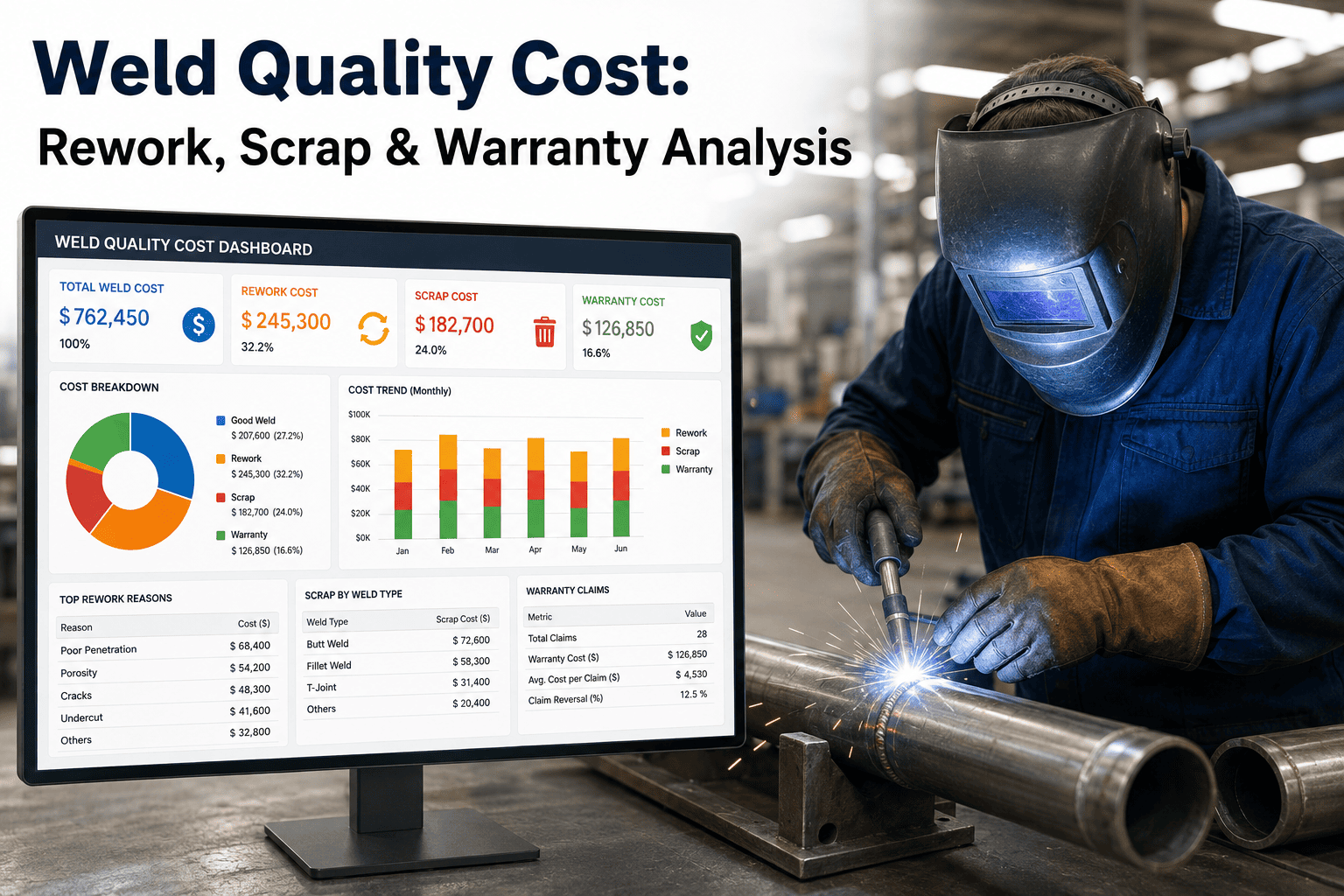
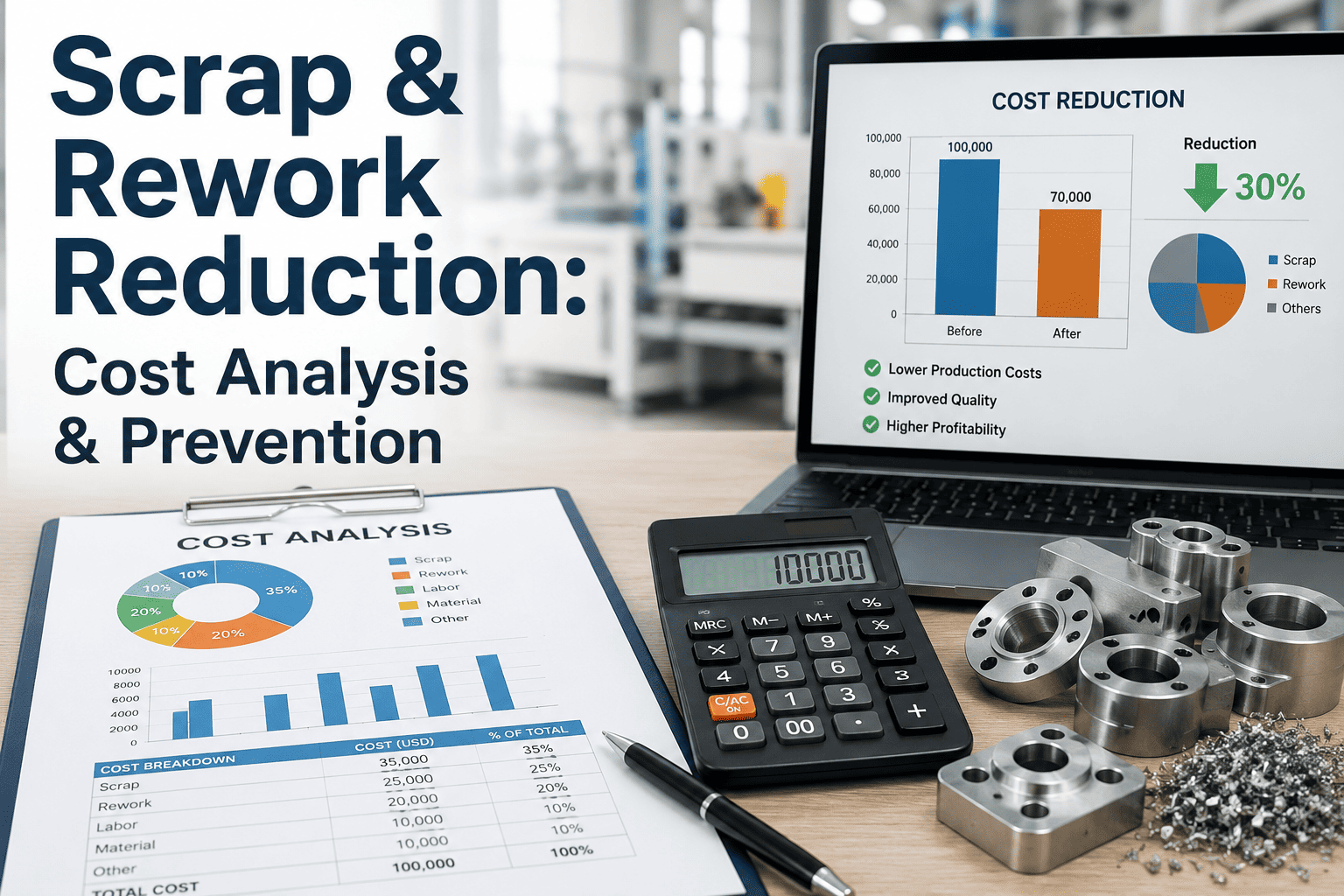
One of the most persistent misconceptions in supplier management is that quality improvement and cost reduction pull in opposite directions, so a purchasing team has to choose which lever to pull. In practice, the two are usually connected through the same root cause. A supplier running an unstable process generates scrap, rework, and inspection overhead that inflates their true cost of production, even if the unit price they quote looks competitive on paper. Fixing the process instability through structured quality development almost always surfaces a cost reduction opportunity as a byproduct, because a stable process needs less rework, less inspection, and less expedited freight to cover for missed dates.
This is why the strongest development programs resist the temptation to negotiate price reductions as a first move. Pushing a struggling supplier to cut price before addressing the underlying process issue tends to make the quality and delivery problems worse, since the supplier has fewer resources available to invest in the fix. A better sequence is to address the process issue first, let the efficiency gains show up naturally, and then negotiate a price adjustment once the supplier's true cost base has genuinely improved. Suppliers respond very differently to a program framed as joint problem-solving than to one that feels like a one-sided cost extraction exercise, and that difference in framing often determines whether the supplier engages seriously with the corrective action work or simply goes through the motions to satisfy an audit checklist.
Three Maturity Tiers: Where Does a Given Supplier Actually Sit?
Not every supplier needs the same level of investment, and treating a strategic single-source supplier the same way as a low-volume commodity vendor wastes effort on one and under-invests in the other. A maturity-tier model gives the development team a consistent way to decide how much attention a given relationship deserves.
Suppliers can and should move between tiers over time, and building that movement into the program design keeps it from becoming a permanent label. A supplier that enters at the managed development tier because of a specific quality issue can graduate to strategic partnership status once the corrective actions close and the relationship proves durable across several review cycles, gaining access to earlier design involvement and joint investment conversations as a result. Conversely, a strategic partner whose performance quietly slips should be re-tiered down rather than continuing to receive the same level of investment and trust on the strength of past performance alone. Building this movement explicitly into the governance cadence, rather than leaving tier assignment as an informal judgment call, keeps the whole system honest and gives suppliers a clear, motivating path to earn a deeper relationship.
Inside the On-Site Audit and Corrective Action Cycle
The on-site audit is where a supplier development program earns its value, because it is the point where the team stops reading a scorecard number and starts watching the actual process that produces it. A defect rate on a report tells you something is wrong; standing on the floor watching the operation tells you why.
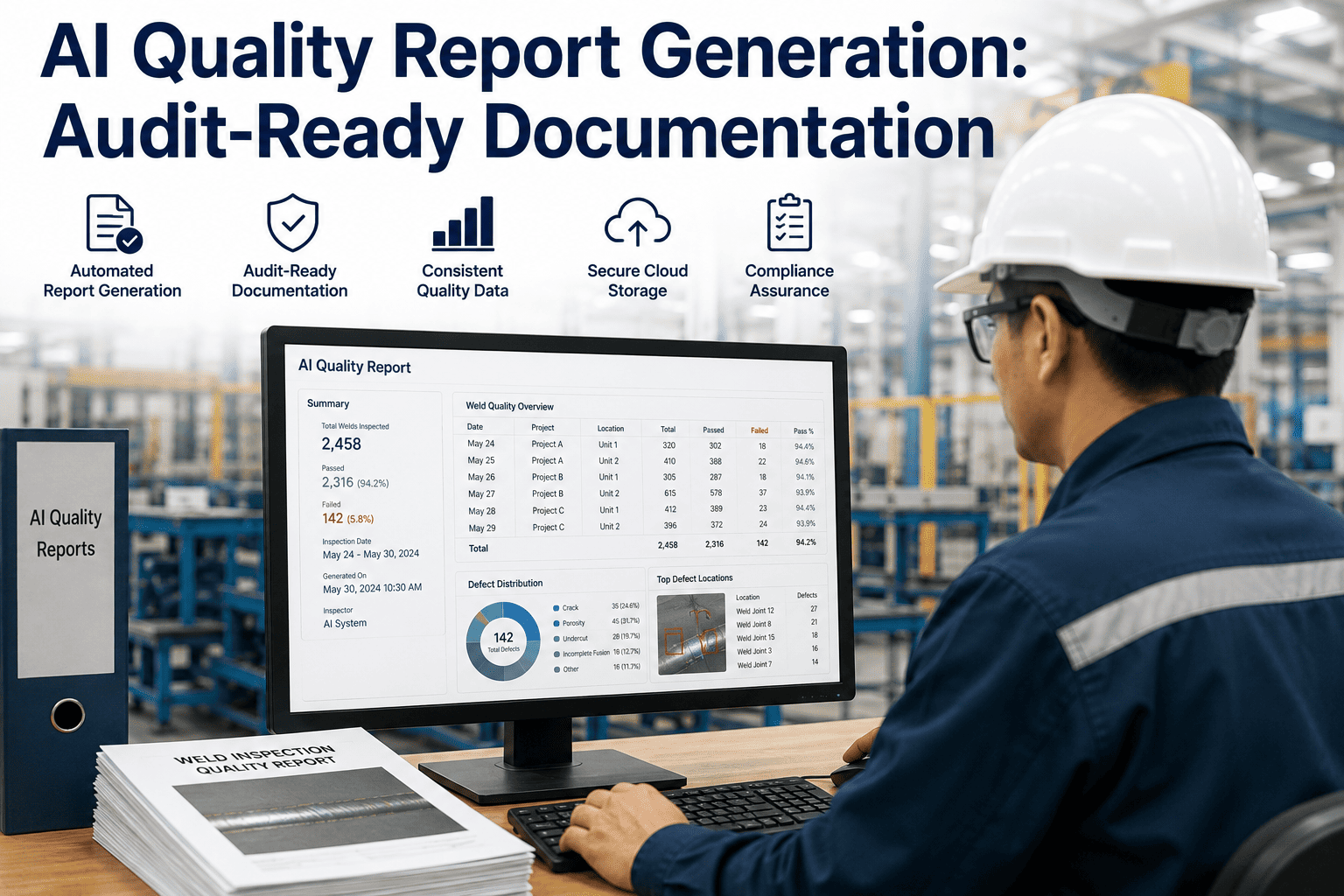
The corrective action step is where many informal supplier improvement efforts quietly fail, because a plan that lives only in a follow-up email tends to lose urgency the moment the auditor leaves the site and the supplier returns to normal production pressure. Treating the supplier's corrective action the same way an internal quality team would treat its own nonconformance, with an assigned owner, a target date entered into a tracked system, and a defined verification method, is what actually keeps the fix from quietly slipping. The verification step matters just as much as the fix itself, since a corrective action that looks resolved after one good production run can still recur once volume ramps back up or a different shift takes over the process, which is exactly why closure should require evidence across multiple cycles rather than a single clean data point.
Scorecard Metrics Before and After a Development Cycle
The value of a development program is easiest to defend internally when it is expressed in the same scorecard metrics procurement and quality teams already track every month, rather than a separate set of program-only numbers that leadership has to learn to interpret.
| Metric | Before Development Program | After 12-18 Month Cycle |
|---|---|---|
| Defect rate (PPM) | Above sector benchmark, inconsistent month to month | Typically reduced by roughly 60%, trending stable |
| On-time delivery | Frequent misses requiring expedite freight | Materially improved planning accuracy and lead time stability |
| Unit cost | Flat or rising, often masking inefficiency | Reduced roughly 10-15% through process efficiency, not margin pressure |
| Corrective action closure time | Open-ended, frequently informal | Tracked to a defined target with formal verification |
It is worth noting that these ranges are directional rather than guaranteed, since the actual improvement a given supplier achieves depends heavily on how much of the underperformance was rooted in a fixable process issue versus a more fundamental capacity or capability constraint. A supplier whose defect rate is driven by an outdated inspection method or an undocumented process step tends to respond quickly to a development program, often showing meaningful improvement within the first two or three review cycles. A supplier whose issues trace back to aging equipment, undertrained staff turnover, or genuine capacity constraints will need a longer runway and, in some cases, a joint capital investment before the same scorecard metrics move meaningfully. Setting realistic expectations at the start of the program, grounded in an honest read of which category the supplier falls into, prevents the frustration that comes from expecting a quick fix on what is actually a structural problem.
What Disciplined Supplier Development Actually Returns
Beyond the scorecard numbers, a well-run program changes the character of the relationship itself, from a purchasing team fielding complaints to a joint improvement team solving problems together.
These outcomes compound over time in ways that are easy to underestimate when looking at a single supplier in isolation. A procurement organization running development programs across even a handful of critical suppliers tends to see the benefit extend beyond those individual relationships, as the audit and root-cause methodology becomes a repeatable internal capability that the quality and purchasing teams can apply faster and more consistently to the next candidate. The first program in a given category often takes the longest to plan and execute simply because the team is building the process alongside the relationship; by the third or fourth program, much of the audit checklist, corrective action tracking approach, and review cadence can be reused with only minor adaptation, which meaningfully lowers the internal cost of running the next one.
Building a Governance Cadence That Actually Tracks Progress
A development plan without a review cadence tends to quietly stall after the initial audit energy fades, because nobody is checking whether the corrective actions from month one actually closed by month three. A simple, tiered review structure keeps the plan alive.
| Review Cadence | Focus | Typical Participants |
|---|---|---|
| Monthly scorecard check | Quality, delivery, and cost KPI trend against target | Supplier quality engineer, purchasing analyst |
| Quarterly on-site review | Corrective action status, process observation, roadmap progress | Development lead, supplier quality manager, plant contact |
| Semi-annual executive review | Program continuation, tier reclassification, investment decisions | Procurement leadership, supplier executive sponsor |
Frequently Asked Questions
Build a Program That Actually Moves Quality, Delivery, and Cost
Share your current supplier scorecard data and we will help you identify the strongest development candidates, structure the audit and corrective action cadence, and set milestone targets that make the business case easy to defend.