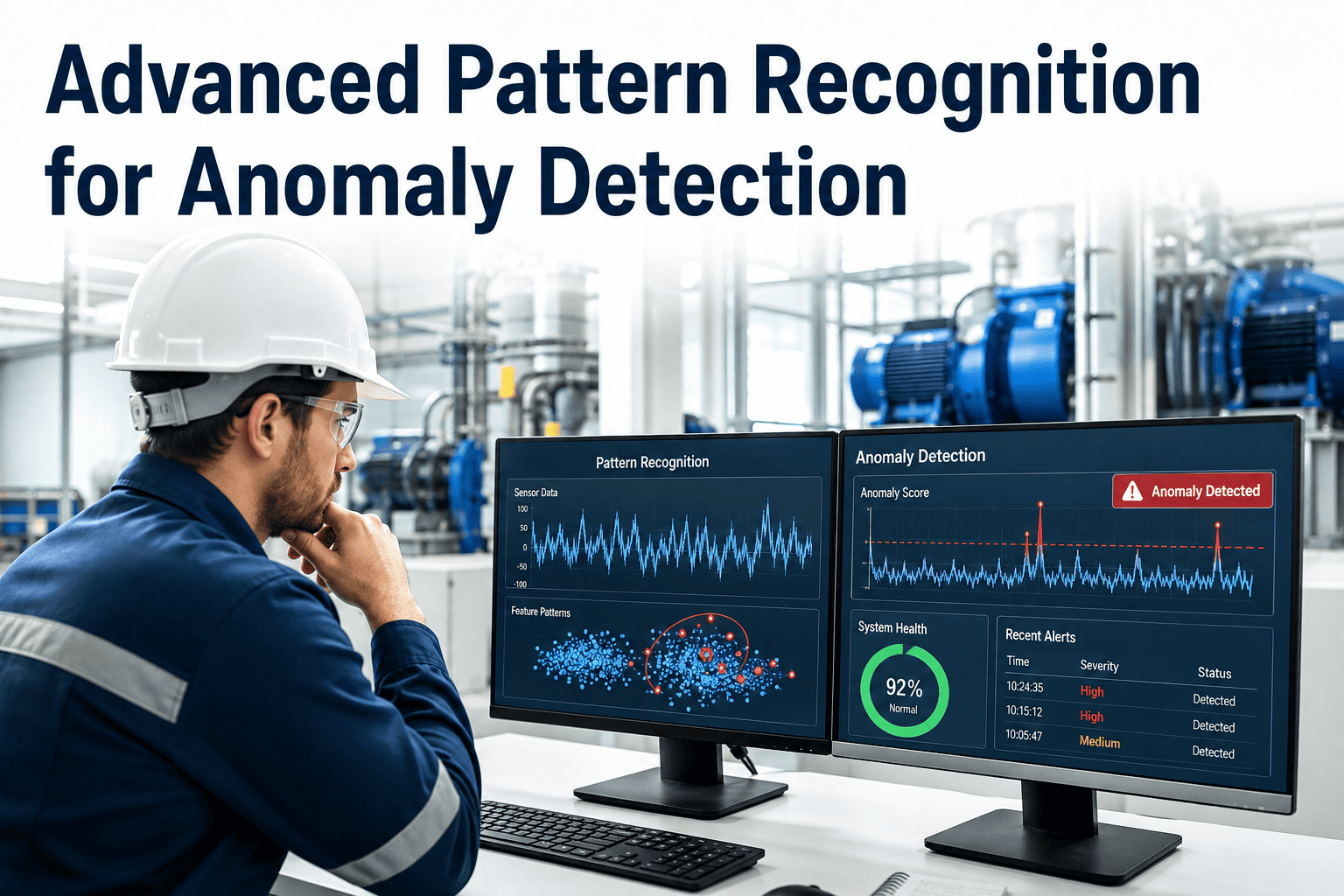
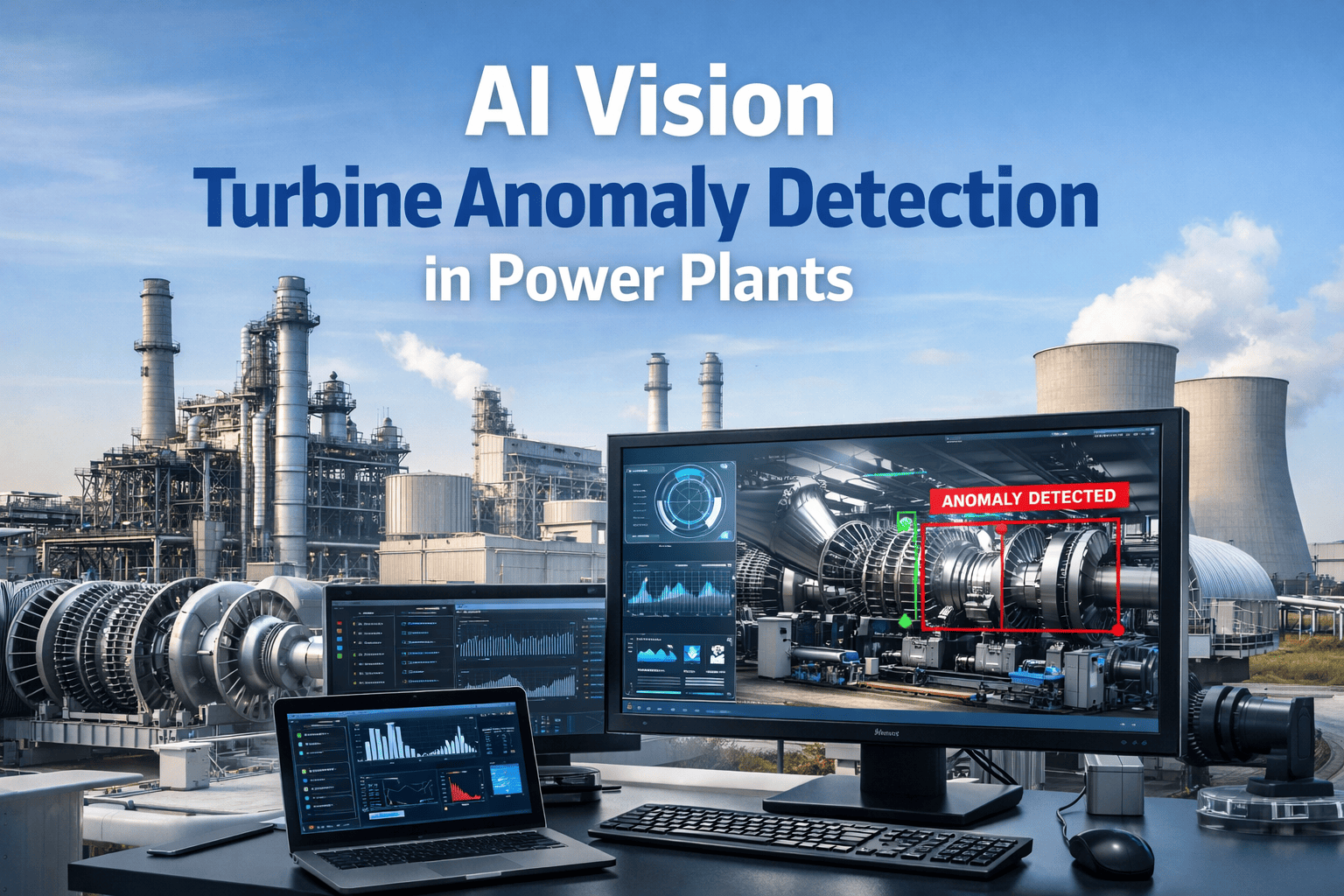
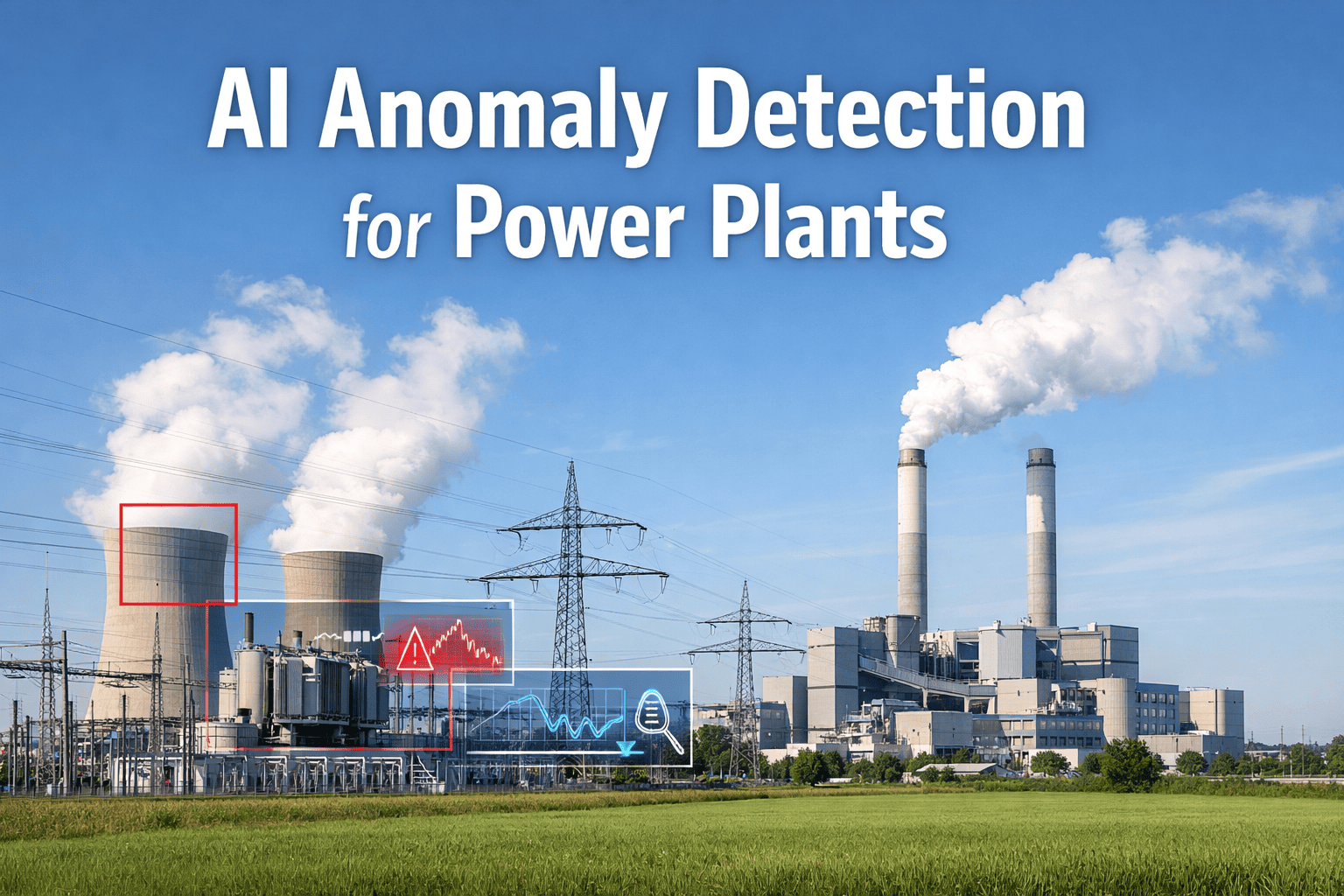
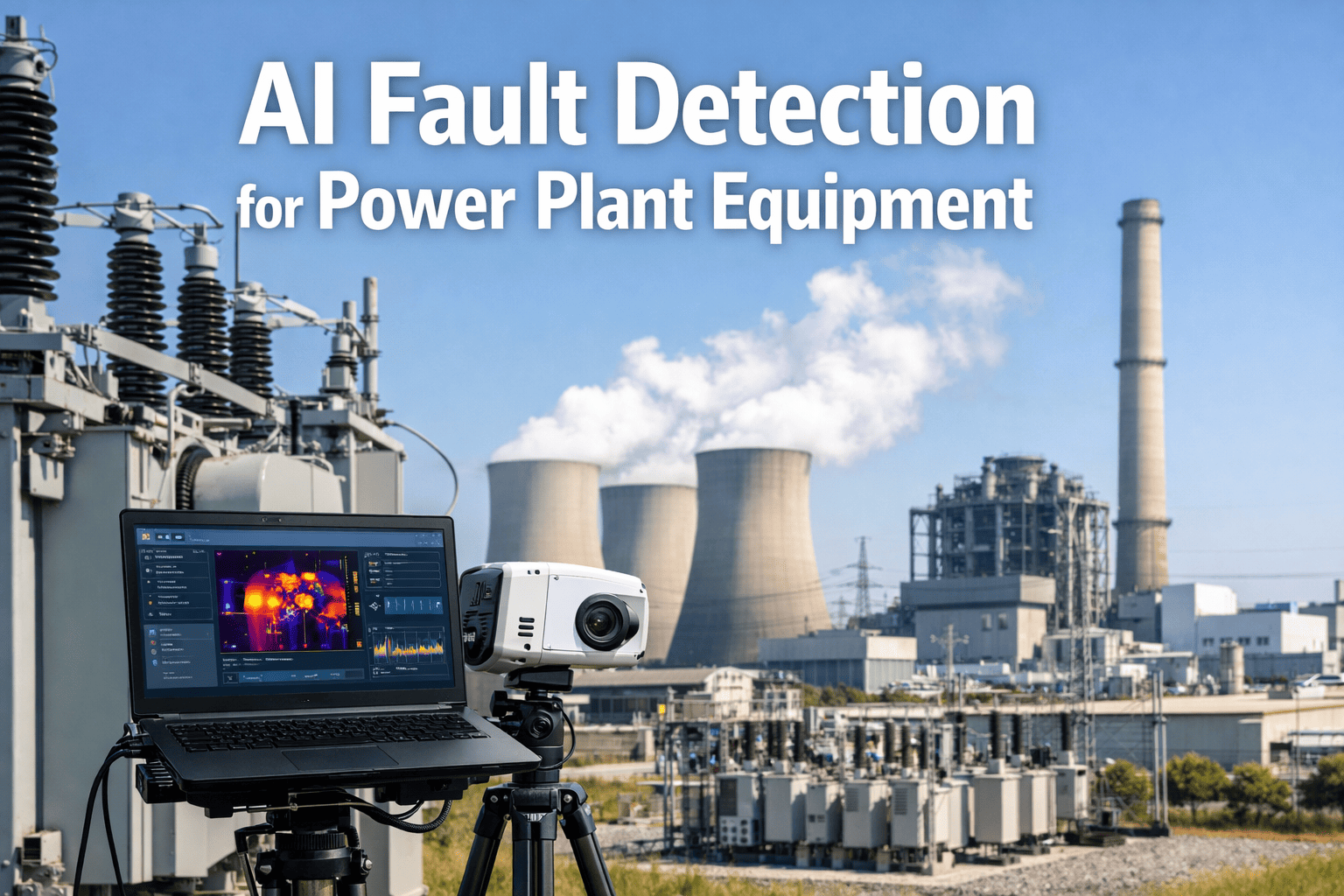
A single upset at a power plant can throw a few hundred alarms at the control room in under an hour, most of them single-tag thresholds tripping in a chain reaction off the same root cause. Operators learn to work around the noise, which is exactly how a real early warning ends up buried in a flood of alarms nobody has time to read individually. Advanced pattern recognition takes a different approach: instead of watching each tag in isolation, it learns what normal looks like across dozens of correlated signals at once, and flags the moment that pattern starts to drift — often well before any single threshold would have tripped. iFactory builds this directly into your existing monitoring stack, and you can book a demo to see it run against a real alarm history from your plant.
Excessive Alarms & Predictive Fault · Advanced Pattern Recognition
Advanced Pattern Recognition for Early Process Anomaly Detection
Single-tag thresholds catch a problem after it's already tripped something. Pattern recognition catches the moment dozens of correlated signals quietly start drifting away from normal — before that becomes an alarm at all.
Learned Normal Pattern
Live Signal — Tag Group 3
Deviation detected across 3 correlated tags — 14 hours before any single threshold would have alarmed
100s / Hour
Alarms a single upset can throw at the control room
One Signal
Correlated deviations grouped into a single explained alert
Hours to Days
Typical head start before a pattern drift becomes a threshold trip
Why Threshold Alarms Fall Short
What Single-Tag Monitoring Misses
Alarm Floods During Upsets
One root cause can trip a dozen downstream thresholds in sequence, burying the operator in alarms that are all symptoms of the same underlying issue instead of a clear first cause.
No Multivariate Context
A single tag can sit well within its normal range even while its relationship to three other tags has quietly shifted — a threshold alarm has no way to see that kind of drift.
Operator Alarm Fatigue
When nuisance alarms fire constantly, operators learn to acknowledge and move on, which means the alarm that actually matters gets the same half-second of attention as the ones that don't.
Root Cause Lost in the Noise
Once an alarm flood is underway, tracing which alarm fired first and why becomes a forensic exercise after the fact instead of information available at the moment it mattered.
The Core Difference
Threshold Alarms vs. Advanced Pattern Recognition
| Aspect | Single-Tag Thresholds | Advanced Pattern Recognition |
| What it watches |
One tag against a fixed limit |
Dozens of correlated tags against a learned pattern |
| When it fires |
After the limit is crossed |
When the pattern starts to drift, before any limit is crossed |
| Alarm volume during an upset |
A cascade of individual alarms |
One grouped, ranked deviation alert |
| Adapts to changing operating modes |
No, fixed thresholds |
Yes, learns normal per operating condition |
See Your Alarm History Re-Run Through APR
Find Out How Much Earlier a Past Event Could Have Been Caught
Bring an alarm log from a recent upset and we'll show where a pattern deviation would have surfaced ahead of the first threshold alarm.
How Pattern Recognition Actually Works
From Learned Baseline to a Ranked, Explained Alert
1
Normal Behavior Learned Across Operating Modes
The model builds a baseline of how dozens of correlated tags typically move together across startup, steady-state, and load-following conditions, not just a single fixed range.
2
Live Signals Compared Continuously
Every incoming reading is compared against the learned pattern for the current operating mode, watching the relationship between tags, not just each one on its own.
3
Deviation Scored, Not Just Flagged
A drift gets a severity score based on how far and how fast the pattern is moving away from normal, separating a minor blip from something that genuinely needs attention.
4
Correlated Tags Grouped Into One Alert
Tags that are drifting together as part of the same underlying issue get grouped into a single alert instead of appearing as a dozen separate alarms competing for attention.
5
Operator Gets a Ranked, Explained Signal
The alert is delivered with the tags involved and the direction of the drift, giving the operator a starting point for the root cause instead of a list of symptoms.
Where This Catches Something Early
Four Places a Learned Pattern Beats a Fixed Threshold
Turbine Bearing Degradation
A slow shift in the relationship between vibration, temperature, and load can appear years before any single reading crosses its individual alarm limit.
Boiler Tube Leak Precursors
Subtle changes across steam flow, feedwater flow, and drum level together often precede a confirmed leak long before any one of those tags looks abnormal alone.
Feedwater System Drift
A gradual shift in pump performance relative to flow and pressure can signal early cavitation or wear well before efficiency loss becomes visible on its own gauge.
Condenser Performance Decline
A change in the relationship between vacuum, cooling water flow, and temperature rise often signals fouling or air in-leakage before condenser backpressure alarms fire.
Where Rollouts Go Wrong
Common Mistakes When Deploying Pattern Recognition
Training the Baseline on Too Narrow a Window
A baseline learned only from a few weeks of steady operation won't recognize legitimate startup or load-swing behavior as normal, generating false deviations right out of the gate.
Not Retiring Redundant Threshold Alarms
Running the new pattern alerts alongside every old threshold alarm without rationalizing the alarm list just adds a new signal on top of the existing flood instead of reducing it.
No Operator Buy-In on Alert Format
A grouped deviation alert that doesn't clearly explain which tags are involved and why gets treated with the same skepticism as any other new alarm on the board.
Ignoring Operating Mode Transitions
A model that doesn't account for startup, shutdown, and load-following as distinct normal patterns will misread every transition as a deviation.
A Composite Scenario
Feedwater Pump Drift, Caught Ahead of a Trip
Before
A feedwater pump's flow, pressure, and vibration all sat individually within their alarm limits for weeks, giving no threshold-based warning while the relationship between them slowly shifted. The pump eventually tripped on high vibration during a load change, triggering an unplanned outage.
After
A pattern recognition model trained on the pump's normal multivariate behavior flagged the drift 11 days before the trip, grouping flow, pressure, and vibration into a single ranked alert instead of three separate readings that each looked fine on their own.
Before You Start
Getting Ready to Deploy Pattern Recognition
Pull a recent alarm log from an actual upset to see how much of it traces back to one root cause
Confirm enough historical data exists across startup, steady-state, and load-following modes to train a real baseline
Identify which existing threshold alarms are candidates for rationalization once grouped alerts are in place
Plan an operator review session on how grouped deviation alerts will be displayed and explained on the board
Common Questions
Advanced Pattern Recognition — FAQ
Does this replace our existing DCS alarm system?
No. Pattern recognition sits alongside the DCS and its threshold alarms, adding an earlier layer of detection based on multivariate behavior rather than replacing the safety-critical threshold alarms that already exist. Over time, some redundant nuisance alarms can be rationalized once the grouped alerts are proven out, but critical safety thresholds stay in place.
Talk to our team about how the two layers typically coexist.
How much historical data does it need to learn what's normal?
It depends on how many distinct operating modes the unit runs through, but the model generally needs enough history to see startup, steady-state, and load-following behavior multiple times each, so it doesn't mistake a normal transition for a deviation.
Will this actually reduce alarm flood, or just add another alert?
The goal is fewer, better alerts, not more. Because correlated tags drifting from the same root cause get grouped into a single deviation signal, one upset produces one explained alert instead of the dozen individual threshold alarms it might otherwise trigger downstream.
Can it tell the difference between a real deviation and a normal operating change?
That's the core of what separates it from a fixed threshold. Because the baseline is learned per operating mode rather than as one static range, a normal load change or startup sequence is recognized as expected behavior instead of triggering a false alert.
How long before we'd see it catching real deviations?
Most plants see the model producing meaningful, low-noise alerts within the first few weeks once a solid baseline is trained, especially on equipment with a reasonable amount of clean historical data already available.
Book a demo to see a baseline trained against your own historian data.
Stop Reacting to Alarm Floods
Catch the Pattern Drift Before It Becomes an Alarm at All
iFactory's pattern recognition learns what normal actually looks like across your correlated signals, so operators get one explained deviation instead of a cascade of threshold alarms.