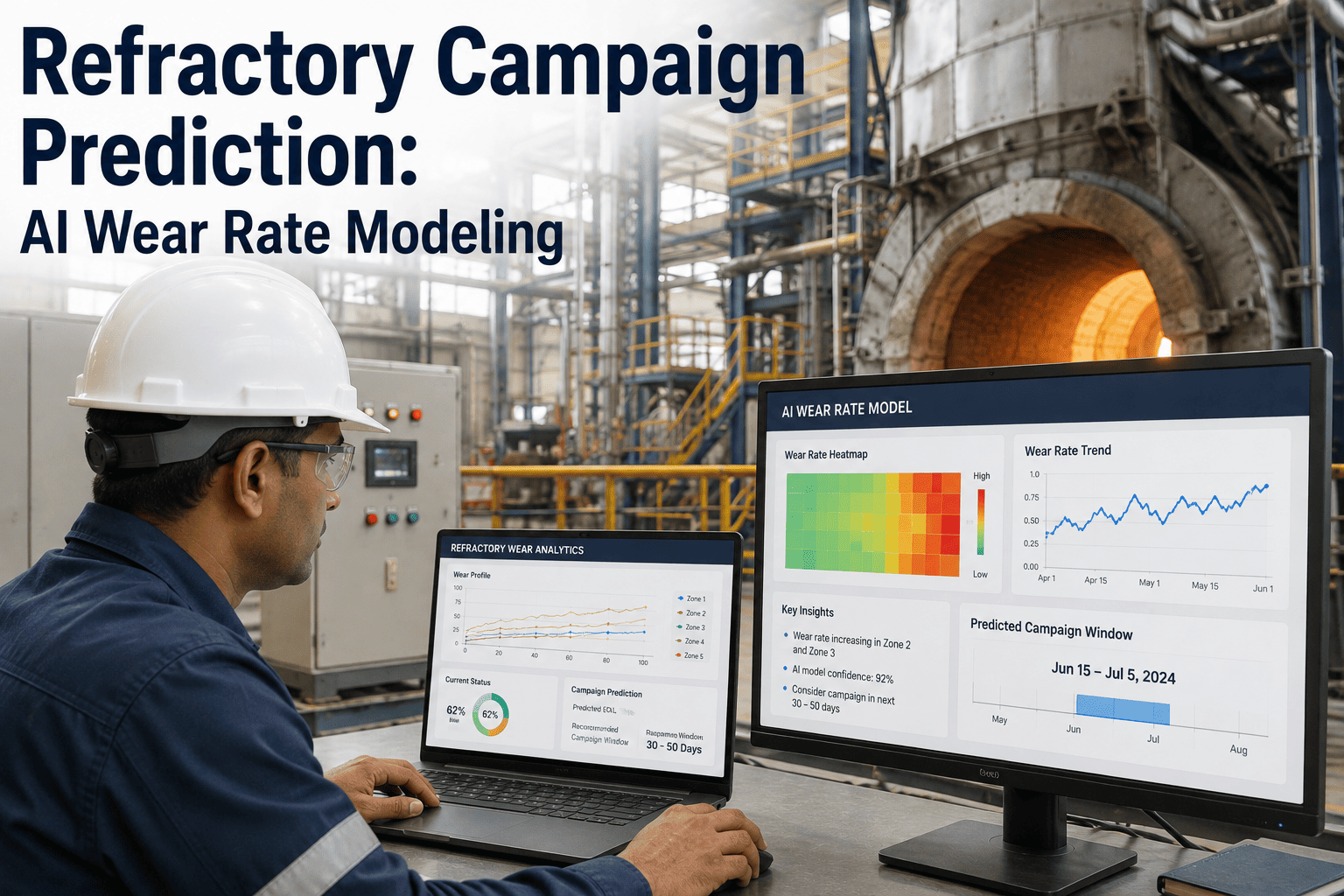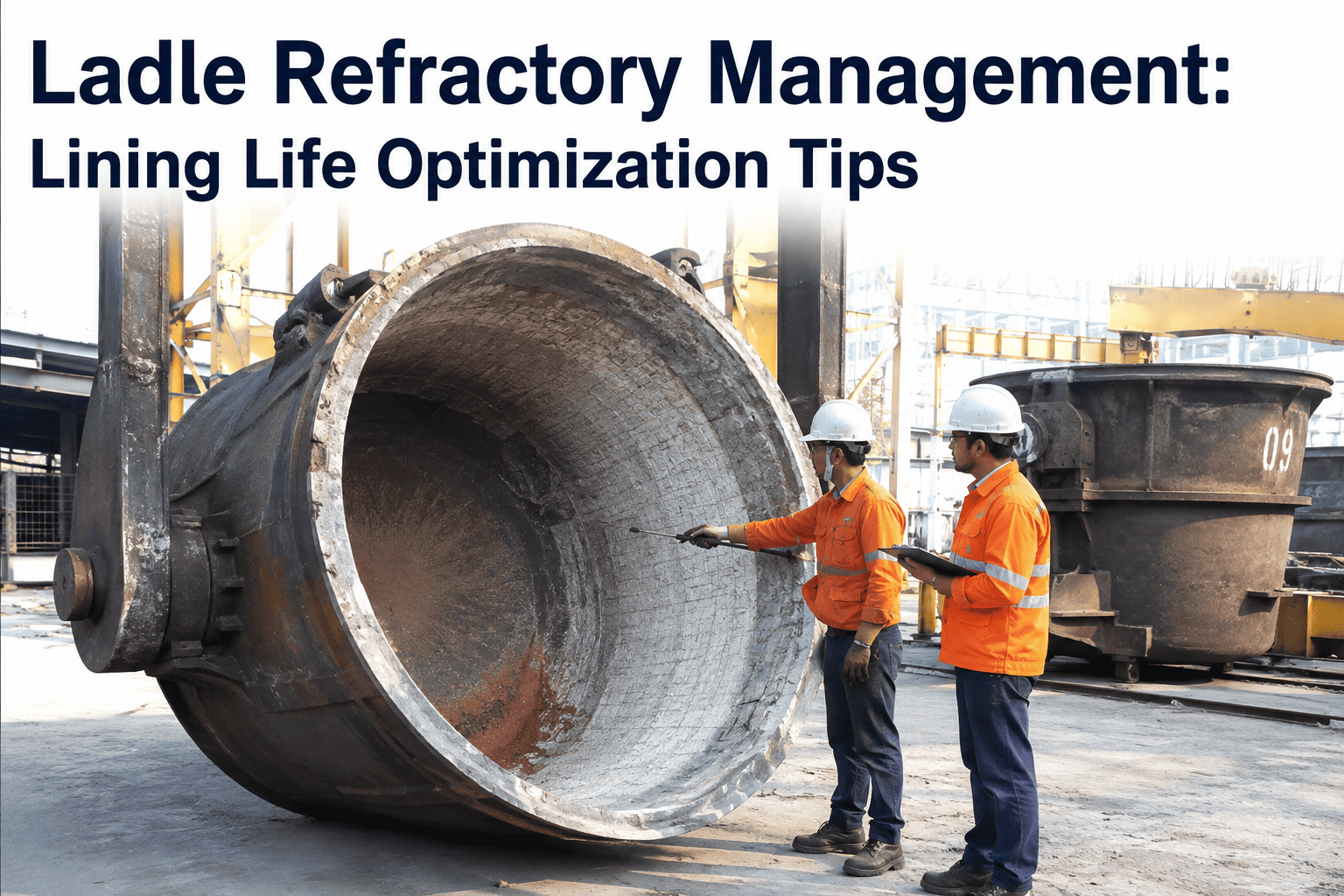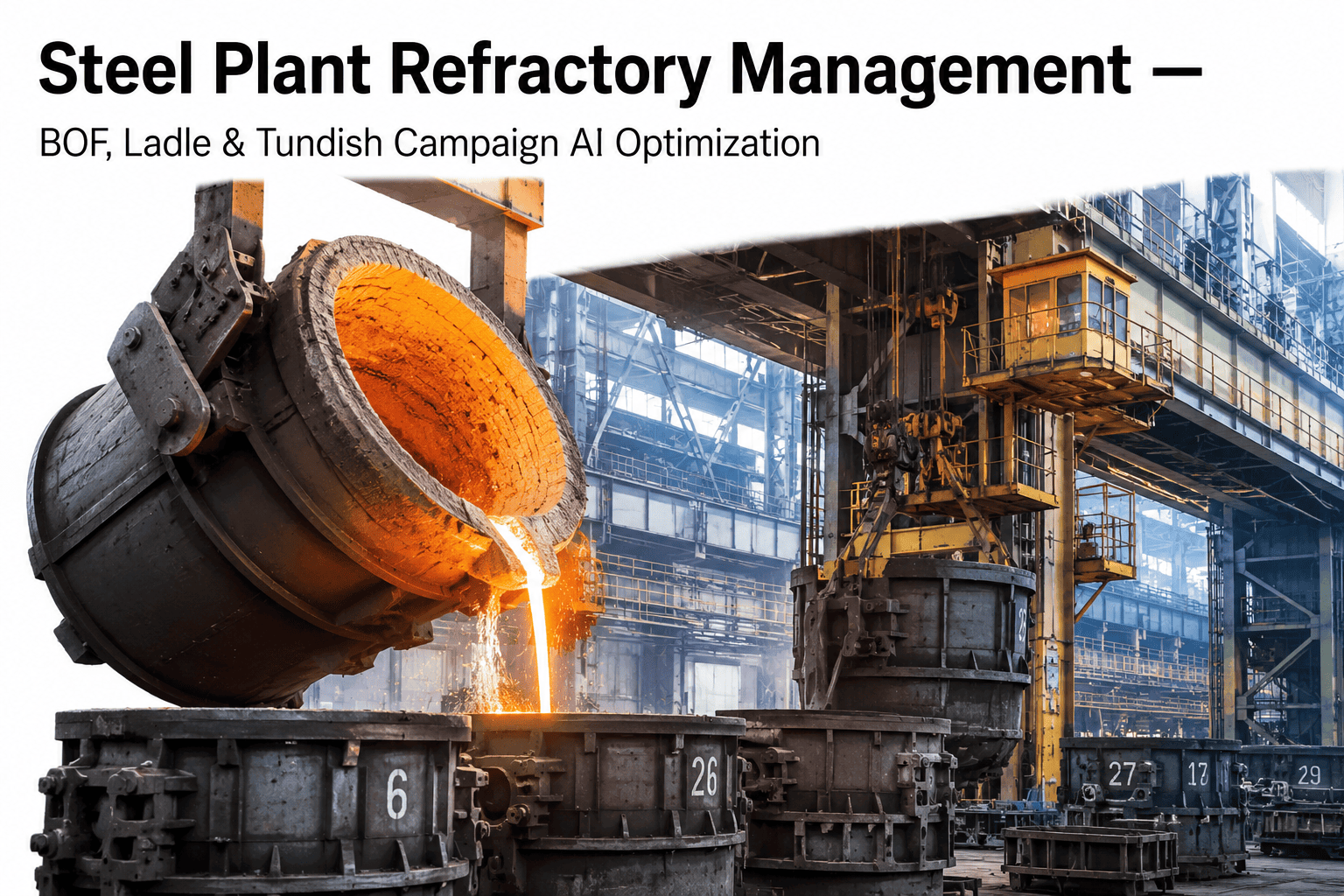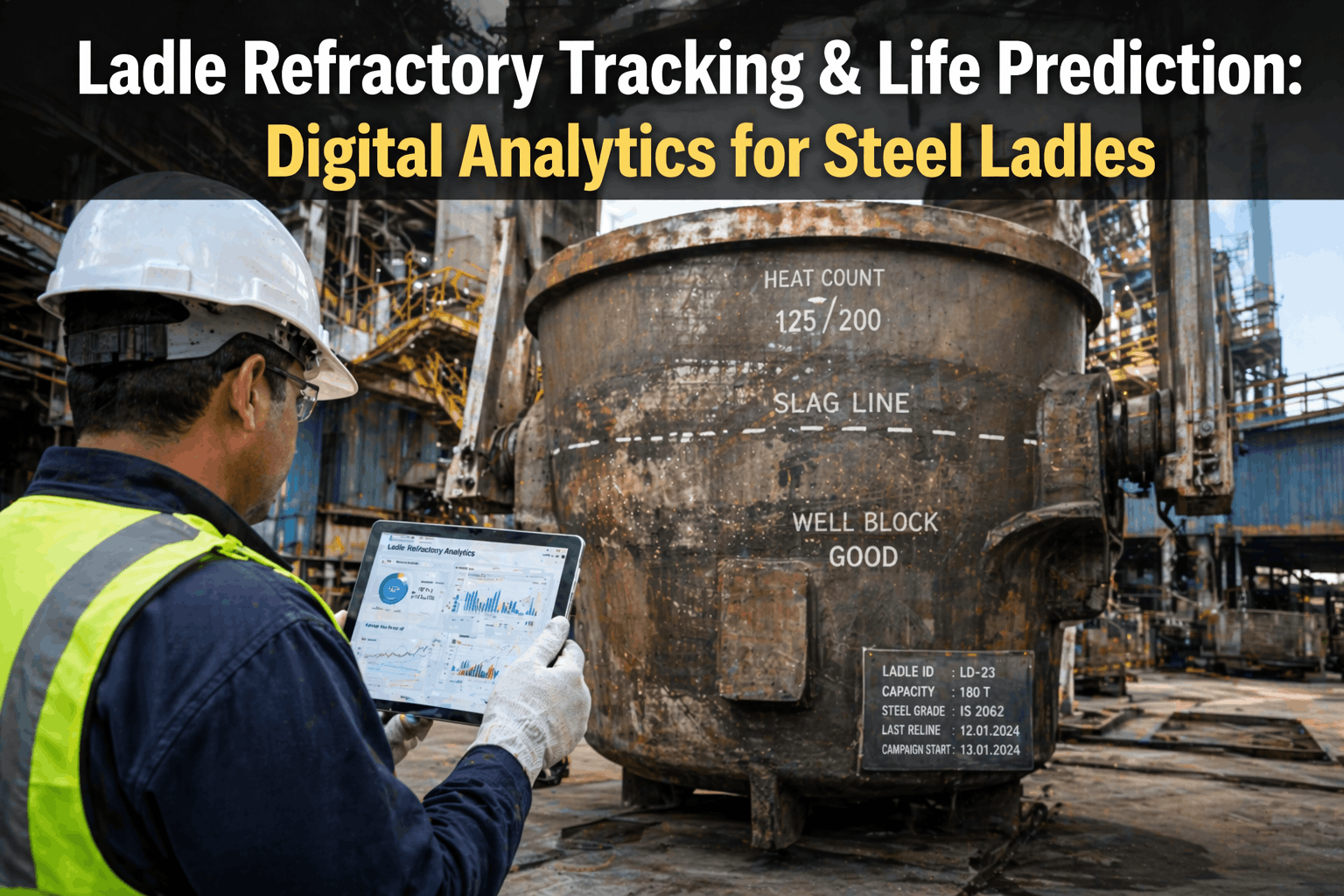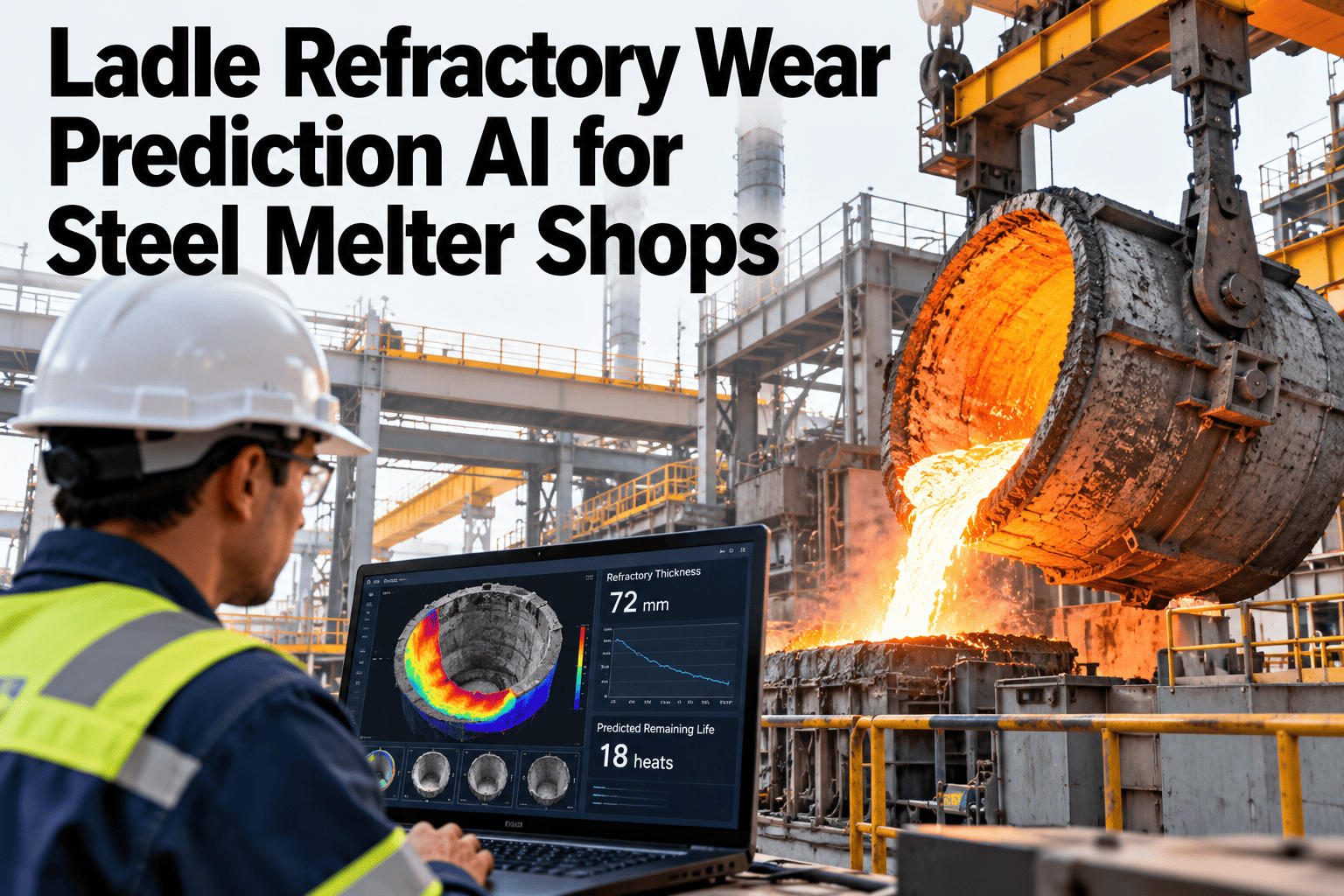
A ladle pulled for relining after a fixed heat count is either leaving useful refractory life on the table or, worse, running past the point where lining thickness has actually dropped into a risk zone, and a fixed schedule has no way to tell which of those two is happening on any given ladle. Heat count alone is a rough proxy for wear, not a measurement of it, since two ladles with identical heat counts can carry very different actual lining thickness depending on the temperature exposure and steel grades each one has actually seen. Modeling wear from the real variables, not just counting heats, is what actually extends campaign life. See refractory wear prediction running on your own ladle fleet.
Relining Decided by Actual Wear, Not a Fixed Count
iFactory AI models heat count, temperature exposure, and lining thickness together to extend ladle campaign life by 15-25% over fixed-schedule relining.
Heat Count Is a Proxy, Not a Measurement
Two ladles that have each completed the same number of heats can carry meaningfully different actual lining thickness depending on the steel grades poured, the temperature exposure during each heat, and the specific thermal cycling each ladle has been through, which means a fixed heat-count relining schedule is really an average applied uniformly to ladles that have not actually worn uniformly at all.
Heat Count
Tracked per ladle as a baseline wear signal, but not treated as the full picture.
Temperature Exposure
Cumulative thermal load per ladle, since higher exposure accelerates wear independently of heat count.
Lining Thickness Modeling
Predicted remaining thickness combining heat count and thermal history into one wear estimate.
Model Wear on Your Own Ladle Fleet
Book a 30-minute session and see lining thickness modeling running against your own ladle heat and temperature data.
Why Modeling Beats a Fixed Schedule
A fixed schedule and a wear model can reach very different conclusions about the same ladle, and the gap between them is exactly where campaign life is won or lost.
| Approach | What It Does | Risk |
|---|---|---|
| Fixed heat-count schedule | Relines every ladle at the same heat count regardless of actual wear | Wastes remaining life on low-wear ladles, risks breakout on high-wear ones |
| Thickness-modeled schedule | Relines based on predicted remaining thickness per ladle | Requires accurate thermal and heat history data to model correctly |
From Heat Data to Reline Decision
The model runs continuously against each ladle's actual operating history, not a generic campaign curve.
Fleet Wear Status
A composite view of predicted lining thickness across the ladle fleet, scored against the relining threshold.
Rolling Out in the Melter Shop
iFactory AI connects to existing heat tracking and temperature logging systems, building the wear model from data the melter shop already generates.
Expert Review
The 15 to 25 percent campaign life extension typically comes from two directions at once, pulling low-wear ladles further past where a fixed schedule would have relined them, while pulling high-wear ladles in earlier than their heat count alone would have suggested, and both corrections matter equally to the total gain.
Frequently Asked Questions
Does this require a direct lining thickness measurement device?
No, the model predicts remaining thickness from heat and temperature history; a direct measurement, where available, can be used to validate and refine the model's accuracy over time. Support can confirm what measurement data your shop currently has.
How is the model calibrated to our specific ladle construction?
The model is trained on your own ladle fleet's historical heat and relining data, so predictions reflect your specific refractory material and ladle design rather than a generic benchmark.
Can this account for different steel grades run through the same ladle?
Yes, wear modeling accounts for the specific grades and temperatures each ladle has been exposed to, rather than treating all heats as equivalent wear events. See grade-specific wear modeling on a call.
What happens when a ladle approaches its relining threshold?
A work order is generated ahead of the predicted threshold, giving the melter shop time to schedule the reline into production planning rather than reacting to an unplanned pull.
Does this integrate with our existing production scheduling system?
Yes, predicted relining windows can feed into your existing production and maintenance scheduling systems rather than requiring a separate standalone tool. Ask support about scheduling integration.
Extend Campaign Life With Real Wear Data
iFactory AI models heat count, temperature exposure, and lining thickness to extend ladle campaign life by 15-25%. Book a demo on your own fleet.