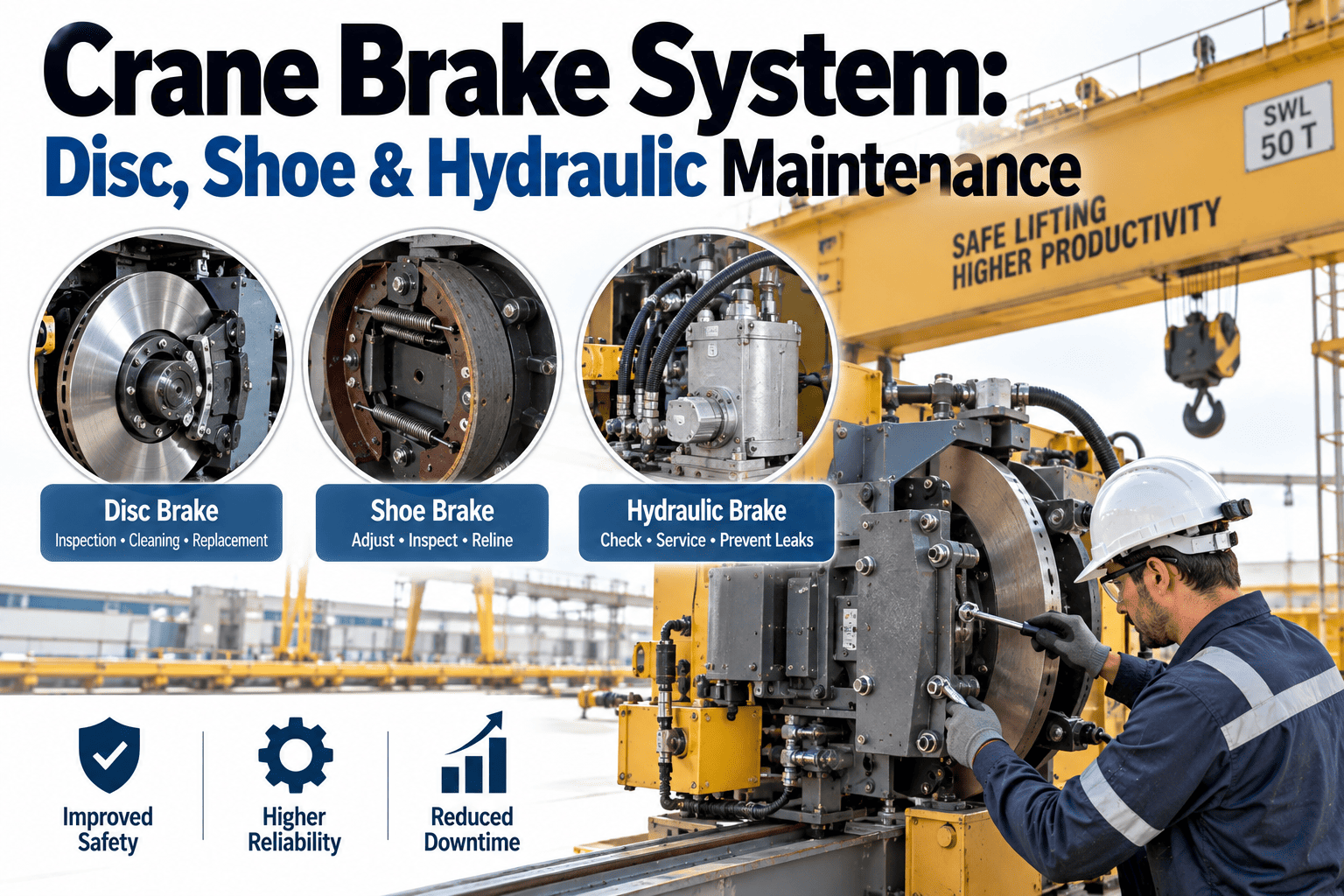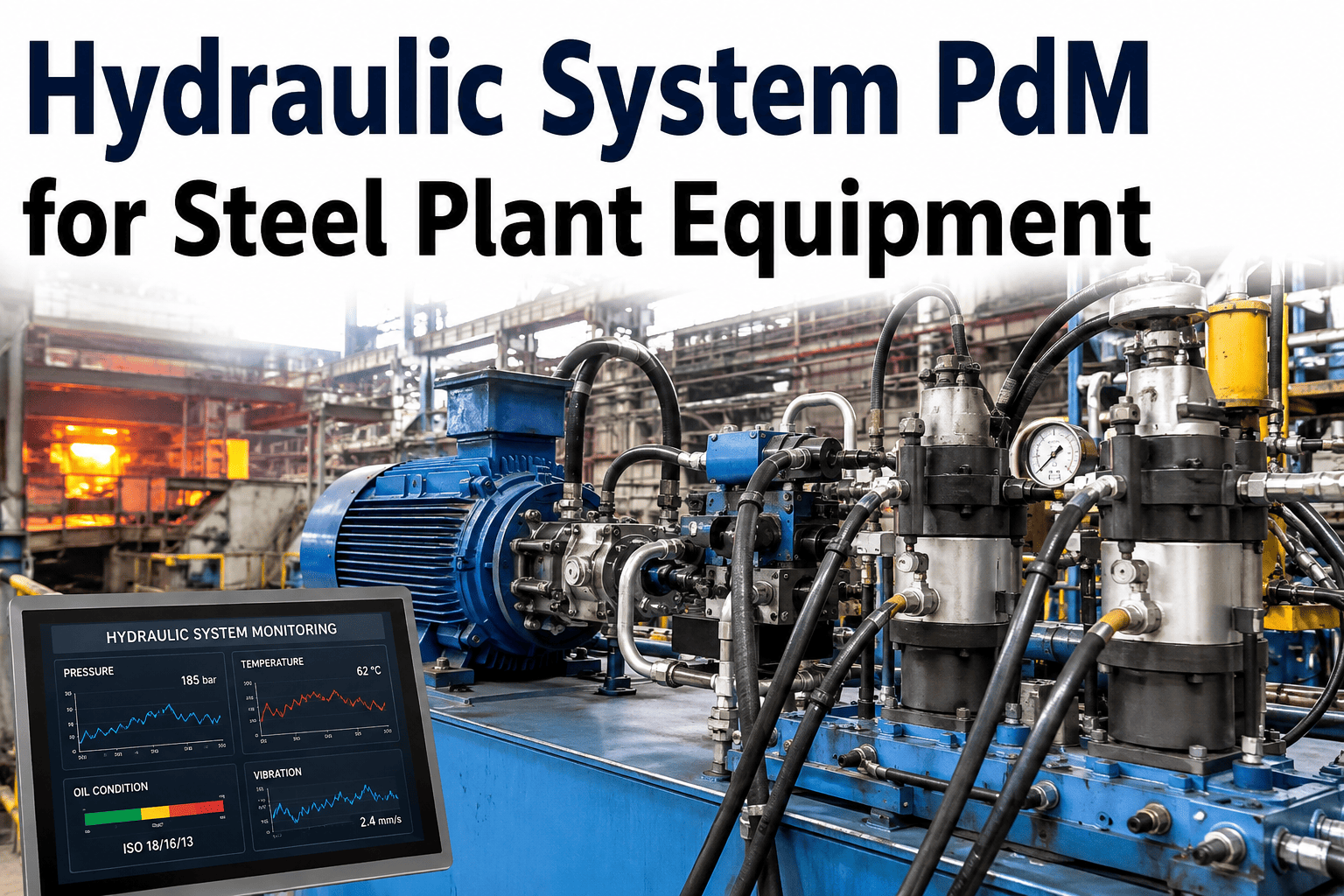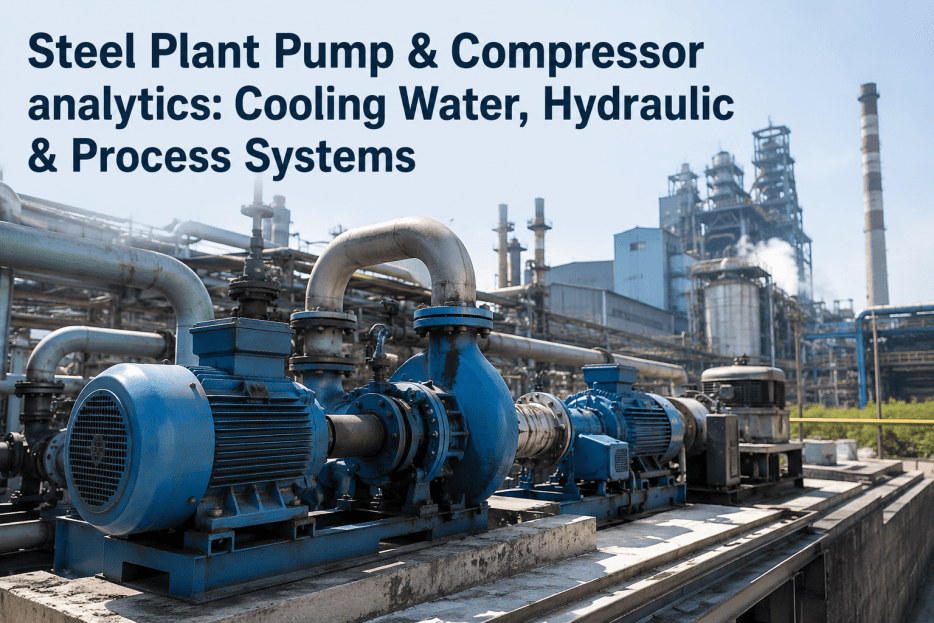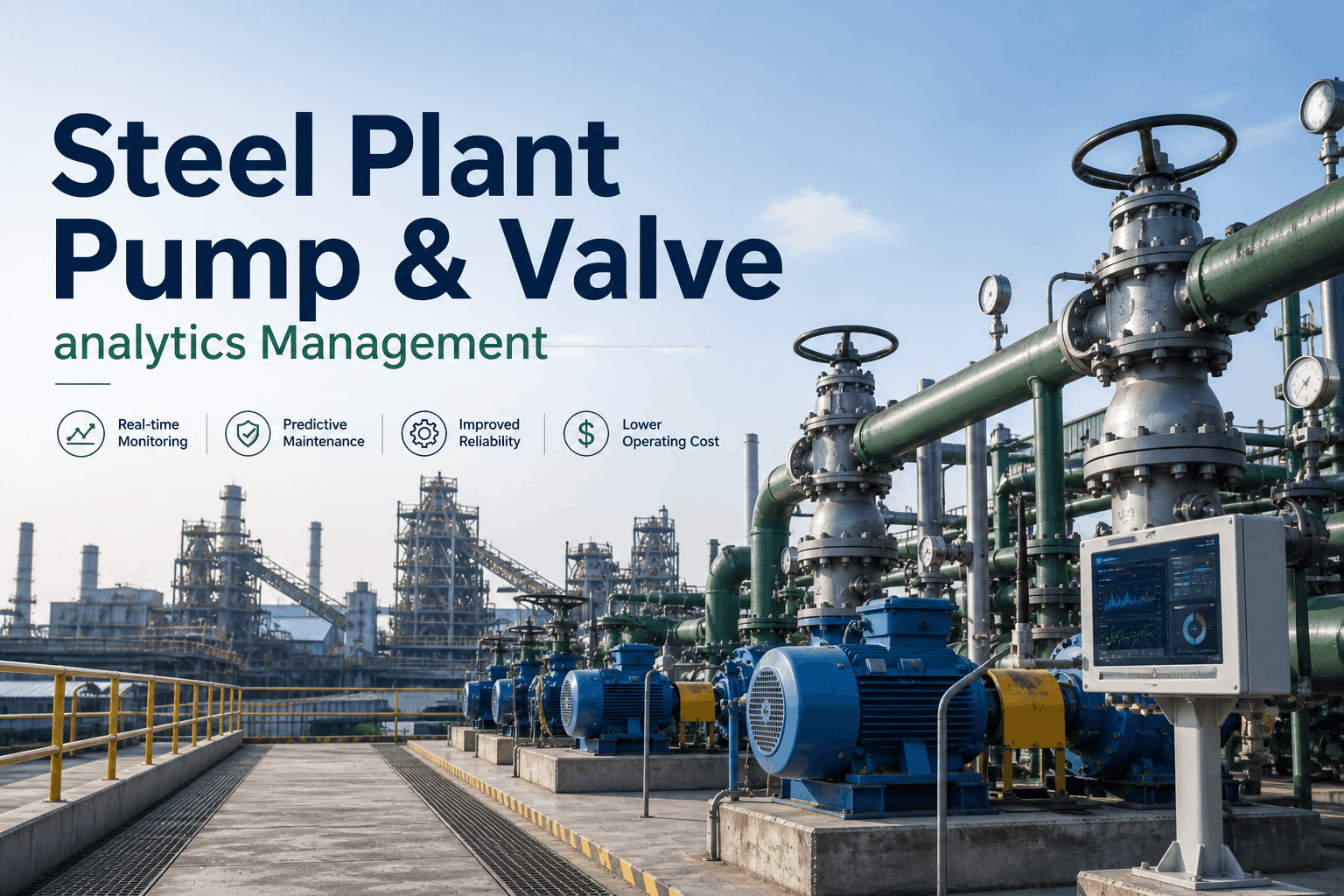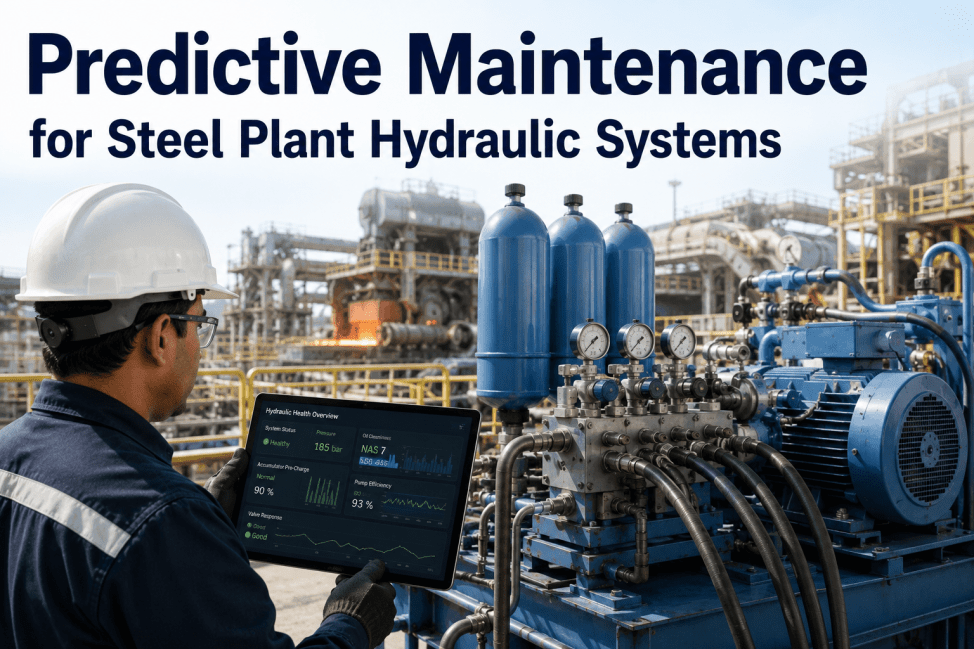
Steel plant hydraulic systems represent the most maintenance-intensive asset class in any integrated mill — and the most consequential from a production reliability standpoint. A single servo valve failure on an AGC cylinder in a finishing stand can halt 300 tons per hour of hot strip production while crews drain troubleshoot, and rebuild a manifold that may require 12 to 18 hours of hydraulic system downtime. The challenge for hydraulic systems engineers in steel manufacturing is not the availability of monitoring technology — it is the fragmentation of hydraulic condition data across pump vibration surveys, oil analysis laboratories, filter differential pressure logs, and accumulator pre-charge check sheets that rarely communicate with each other. AI-driven predictive maintenance for hydraulic systems closes this fragmentation gap by applying machine learning models trained on pump performance curves, oil cleanliness trends, servo valve response signatures, and accumulator pressure decay patterns to forecast hydraulic component failures weeks before they interrupt production. Hydraulic reliability teams that schedule a hydraulic PdM assessment with iFactory are discovering that the predictive signals already exist in their existing condition monitoring data — they simply need the right analytical architecture to connect them into a unified health model.
Is Your Hydraulic System Data Working for You?
Unify pump condition monitoring, oil analysis, servo valve diagnostics, and accumulator health tracking into one intelligent platform designed for high-consequence steel plant hydraulic systems.
The Hydraulic Reliability Challenge in Steel Manufacturing
Steel plant hydraulic systems operate under conditions that accelerate component wear beyond what standard hydraulic component life curves predict. Continuous operation at 3,000-5,000 PSI, fluid temperatures that cycle between 40 C and 85 C across production shifts, and particulate contamination from cylinder rod wiper seal degradation and reservoir breather ingestion create an operating environment where pump swash plate wear, servo valve spool erosion, and accumulator bladder degradation develop on timelines measured in months rather than years. Traditional time-based maintenance intervals — replace filter elements every 3 months, change hydraulic oil annually, rebuild pumps at 8,000 hours — are designed for constant-duty industrial applications, not for the cyclic pressure loading and thermal transients that define steel mill hydraulic service. The gap between scheduled maintenance timing and actual degradation rate is where unplanned hydraulic failures occur, and it is the gap that AI-driven condition-based hydraulic PdM is designed to close. Hydraulic systems engineers who book a platform demo consistently find that their first hydraulic PdM deployment reveals degradation patterns their existing pump vibration and oil analysis programs had been missing entirely.
Hydraulic Pump Wear Monitoring
Track piston pump swash plate angle efficiency, case drain flow rates, and vibration signatures across all pressure stages. Detect incipient pump failure 6-10 weeks before functional degradation affects system pressure or flow delivery.
Servo Valve Response Analysis
Monitor servo valve spool position feedback, step response time, and null bias drift. Identify progressive spool erosion and pilot stage contamination before positioning accuracy degrades AGC performance or caster mould level control.
Oil Condition and Cleanliness Intelligence
Integrate particle count, water content, viscosity, and acid number trends with filter differential pressure data. Predict when oil condition will cross NAS 1638 or ISO 4406 cleanliness targets before component wear accelerates.
Accumulator Health and Pre-Charge Tracking
Model accumulator bladder nitrogen pre-charge decay, piston seal wear, and gas valve leakage from pressure decay rate and cycling frequency data. Identify accumulators requiring re-charge or bladder replacement before system pressure ripple affects process control.
Building a Unified AI-Driven Architecture for Hydraulic PdM
A purpose-built hydraulic predictive maintenance platform for steel plants must address four foundational monitoring domains unique to high-pressure, high-contamination hydraulic systems: pump condition surveillance, servo valve and actuator diagnostics, oil cleanliness and degradation tracking, and accumulator health management. Hydraulic reliability engineers who have already booked a demo consistently report that connecting their fragmented pump vibration logs, oil analysis results, filter change records, and accumulator test data into a unified analytics layer is the single most impactful step in their hydraulic reliability modernization program.
| Monitoring Module | Primary Function | Hydraulic Application | Reliability Benefit | Priority Level |
|---|---|---|---|---|
| Pump Condition Analytics | Swash plate & bearing wear tracking | Main HPU Piston Pumps | 6-10 week failure warning | Critical |
| Servo Valve Diagnostics | Spool response & null bias monitoring | AGC & Caster Position Control | Prevents off-gauge production | Critical |
| Oil Cleanliness Tracking | NAS 1638 & ISO 4406 trending | All Hydraulic Circuits | Extends component life 2-3x | High |
| Accumulator Health | Pre-charge & bladder integrity | Ladle Turret & Mill Stands | Prevents pressure ripple events | High |
| Leak Detection AI | Flow balance & pressure decay | Underground Piping & Manifolds | Reduces oil consumption 30-50% | Standard |
How AI-Driven Hydraulic PdM Deployment Works in Practice
Deploying AI-driven predictive maintenance for steel plant hydraulic systems follows a structured progression that builds data infrastructure, model accuracy, and workforce confidence in sequence. iFactory's implementation methodology has been refined across commercial deployments at integrated steel mills in North America and Europe, and the typical timeline from kickoff to active hydraulic failure prediction is 10-14 weeks. Hydraulic systems engineers who schedule a technical review receive a detailed demonstration of how each deployment phase is configured for their specific hydraulic system architecture and plant operating conditions.
Hydraulic Asset Inventory and Criticality Classification
Create a comprehensive registry of all hydraulic power units, pump configurations, servo valve populations, accumulator banks, and filtration systems mapped against their production criticality. Each asset receives a criticality classification — AGC servo valves on finishing stands are Tier 1 critical, while auxiliary system hydraulic pumps on cooling bed drives are Tier 3 standard.
Sensor Gap Analysis and Data Infrastructure Deployment
Evaluate existing instrumentation — pump case drain flow meters, servo valve spool position transducers, oil particle counters, accumulator pressure sensors — against the minimum data requirements for each monitoring module. Install additional sensors at gap locations, prioritizing the Tier 1 critical assets. Connect all sensor streams to the plant historian or direct-to-platform data pipeline.
ML Model Training on Historical Hydraulic Failure Data
Train the platform's machine learning models on 12-24 months of historical pump performance data, oil analysis results, servo valve diagnostic logs, and accumulator test records correlated against confirmed hydraulic failure events and maintenance work orders. The models learn the specific degradation signatures that precede each failure mode — from pump swash plate angle drift to servo valve null bias migration to accumulator pre-charge decay rate acceleration.
Model Validation and Parallel-Run Calibration Phase
Run the trained models in parallel with existing hydraulic monitoring methods for 3-4 weeks without generating maintenance recommendations. During this phase, the platform's predictions are compared against actual hydraulic system condition verified through inspection and oil analysis to validate model accuracy and calibrate alert thresholds for each asset class.
Active Deployment with Automated Work Recommendation
Enable automated hydraulic health scoring and maintenance work recommendations for all monitored assets. Predicted failures are converted into specific maintenance actions — pump replacement, servo valve rebuild, oil change, accumulator re-charge — with recommended intervention windows and estimated labor and material requirements published directly to the plant CMMS.
"Before deploying iFactory's AI-driven hydraulic PdM platform, we were experiencing an average of three unplanned hydraulic pump failures per year on our hot strip mill main HPUs — each one costing approximately $180,000 in production losses, emergency rebuild costs, and overtime labor. In the 14 months since deployment, we have had zero unplanned pump failures. The platform predicted a servo valve null bias drift on our F4 AGC cylinder 8 weeks before it would have caused off-gauge production — giving us enough lead time to schedule the valve replacement during a planned roll change rather than an emergency mill stop."
Top Operational Gaps in Steel Plant Hydraulic Reliability Programs
Most mills pursuing improvements to their hydraulic system reliability encounter a predictable set of operational and data integration challenges. Understanding these gaps before an AI-driven PdM platform deployment dramatically improves implementation success and helps hydraulic engineers allocate finite reliability budgets more strategically across complex hydraulic asset portfolios.
Pump vibration data, oil analysis results, filter change records, and accumulator test logs sit in separate systems — making it impossible to correlate pump wear acceleration with oil cleanliness degradation or to identify the root cause chain linking multiple failure modes.
Time-based oil change schedules replace hydraulic fluid at fixed intervals regardless of actual condition — wasting usable oil on clean systems while allowing contaminated oil to damage pumps and valves on systems that degrade faster than the schedule interval.
Most steel plants lack continuous monitoring of servo valve step response, null bias, and spool position feedback — leaving the most critical control elements in the hydraulic system invisible until they cause a positional deviation or production quality event.
Accumulator pre-charge pressure is typically checked on a quarterly or semi-annual basis using portable test kits — a frequency that misses bladder degradation and nitrogen leakage events that develop and accelerate over weeks, not months.
Without continuous flow balance monitoring, hydraulic leaks in underground piping or inaccessible manifold locations go undetected until they become visible as puddles or pressure drops — by which point thousands of gallons of oil may have been lost and significant environmental reporting triggered.
Pump swash plate angle versus delivered flow data — the direct measure of volumetric efficiency — is rarely trended over time, so the gradual efficiency degradation that precedes catastrophic pump failure by months goes completely unmonitored until the pump fails or flow drops below system demand.
Closing these gaps requires more than adding additional sensors or increasing oil analysis frequency — it demands a purpose-built analytics platform that correlates all hydraulic condition data streams into a unified predictive model. Hydraulic engineers regularly book a demo to benchmark their hydraulic reliability gaps against a proven industrial analytics architecture.
Integrating AI Hydraulic PdM Into Existing Plant Infrastructure
One of the most technically demanding aspects of deploying AI-driven hydraulic predictive maintenance is the integration of digital monitoring and analytics into operating hydraulic systems without disrupting production. Existing pump case drain ports must be fitted with flow meters, servo valve diagnostic connectors must be accessed, and accumulator pre-charge valves must be instrumented — all without introducing contamination into systems that typically operate at NAS 1638 Class 8 or cleaner cleanliness standards. A robust hydraulic PdM platform supports this process by maintaining detailed documentation of every instrumentation point, sensor specification, and data pipeline configuration — creating a complete digital record that satisfies quality standards and supports future system modifications.
Key Hydraulic PdM Analytics Capabilities for Modern Steel Plants
Track swash plate angle versus delivered flow continuously. Detect efficiency degradation below 90% as the earliest indicator of piston slipper wear, valve plate erosion, or cylinder bore scoring.
Monitor spool position command-to-response time, overshoot percentage, and null bias drift. Alert when step response degrades beyond 15% of baseline or null bias shifts more than 5% from center.
Model ISO 4406 particle count trends against filter change history and contamination ingress events. Predict when oil cleanliness will cross critical thresholds for servo valve and pump protection before damage occurs.
Model nitrogen pre-charge decay rate from pressure cycling data. Predict remaining bladder life and generate re-charge or replacement work orders at the optimal point before gas loss affects system damping performance.
Modernize Your Hydraulic Reliability Program Today
Deploy a unified AI-driven analytics platform that integrates pump condition monitoring, servo valve diagnostics, oil cleanliness tracking, and accumulator health management — built specifically for steel plant hydraulic systems.
Hydraulic PdM Analytics — Common Questions Answered
How does the platform handle the wide range of hydraulic pump types used in steel plants?
The platform supports all major pump types found in steel mill hydraulic systems — axial piston swash plate pumps, bent-axis piston pumps, vane pumps, and internal/external gear pumps. The ML models are pump-type-aware and automatically adjust their degradation signature detection based on the specific pump design. Axial piston pump models focus on swash plate angle efficiency and case drain flow, while vane pump models track pressure ripple and vane tip wear patterns unique to that pump class.
What oil analysis parameters are most predictive of hydraulic component failure?
The four most predictive oil analysis parameters for steel plant hydraulic systems are particle count (ISO 4406 or NAS 1638), water content, viscosity at 40 C, and acid number. Particle count is the strongest predictor of pump and servo valve wear acceleration — a one-class deterioration in ISO 4406 (e.g., from 18/16/13 to 19/17/14) correlates with approximately 40% reduction in pump bearing life. Water content above 500 ppm accelerates servo valve spool erosion through cavitation and reduces oil film strength in pump cylinder block interfaces. The platform integrates all four parameters into a unified oil health score that feeds the overall hydraulic system remaining useful life model.
Can the system detect internal pump leakage before it affects system pressure?
Yes. Internal pump leakage — pistons to cylinder bore, slipper to swash plate, valve plate to cylinder block — is detectable through case drain flow monitoring before it produces measurable system pressure drop. A healthy axial piston pump operating at 3,000 PSI typically has case drain flow of 3-5% of rated pump flow. When case drain flow increases to 8-10%, internal clearances have enlarged to the point where pump volumetric efficiency has dropped below 90% — but system pressure may still be maintained because the remaining pump in the HPU or the accumulator bank compensates for the lost flow. The platform tracks case drain flow as a continuous percentage of main pump flow and alerts when the ratio exceeds user-configurable thresholds, typically providing 6-10 weeks of warning before the pump requires overhaul.
What is the typical cost structure for deploying hydraulic PdM across a hot strip mill?
For a typical hot strip mill with 4-6 main hydraulic power units, 40-60 servo valves on AGC and positioning circuits, and 20-30 accumulators across stand and coiler systems, the annual SaaS subscription ranges from $55,000 to $95,000 depending on monitoring node count and CMMS integration scope. Sensor installation costs range from $800 to $2,500 per monitoring point depending on existing instrumentation. Total first-year investment typically falls between $120,000 and $180,000 for a complete hydraulic system deployment. The documented avoided failure cost of $540,000 per unplanned pump failure and the oil consumption reduction of 30-50% typically produce first-year ROI exceeding 4:1, with full investment recovery within the first avoided major hydraulic failure event.
How does the platform integrate with existing oil analysis laboratory programs?
The platform ingests oil analysis data from any laboratory that provides electronic results in standard formats — including particle count, water content, viscosity, acid number, ferrous wear debris concentration, and elemental spectroscopy data. Results can be imported automatically via API integration with the lab's LIMS system or uploaded manually through a web-based data entry interface. The platform correlates oil analysis trends with pump performance data, filter differential pressure trends, and servo valve diagnostic data to provide a complete hydraulic health picture. Many facilities maintain their existing oil sampling routes and laboratory contracts while adding the platform's continuous sensor data — the combination of periodic lab analysis and continuous online monitoring provides the highest confidence degradation detection coverage.
The Economic Case for AI-Driven Hydraulic PdM in Steel Manufacturing
The data from deployed hydraulic PdM programs at integrated steel mills is unambiguous: the combination of pump condition monitoring, servo valve diagnostics, oil cleanliness tracking, and accumulator health management — applied through machine learning models trained on facility-specific hydraulic failure history — delivers failure detection lead times that traditional hydraulic reliability programs cannot achieve. A hydraulic PdM program that costs $120,000-180,000 to deploy across a hot strip mill typically prevents $540,000-1,200,000 per year in avoided unplanned pump failures, servo valve-related production quality events, and emergency maintenance costs — while reducing hydraulic oil consumption by 30-50% and extending pump overhaul intervals by 40-60% through condition-based rather than time-based maintenance scheduling.
The question for hydraulic systems engineers is no longer whether AI-driven hydraulic PdM technology works in steel plant environments. The question is how many unplanned hydraulic failures their facility will absorb while evaluating platforms that have already been proven at peer mills. The technology is deployable today, the integration path with existing hydraulic instrumentation and oil analysis programs is well-defined, and the cost structure produces positive ROI within the first avoided failure event. For steel mills still managing hydraulic reliability on fixed-interval maintenance schedules and standalone condition monitoring programs, every quarter of delay represents measurable production risk that AI-driven hydraulic PdM could have predicted and prevented.