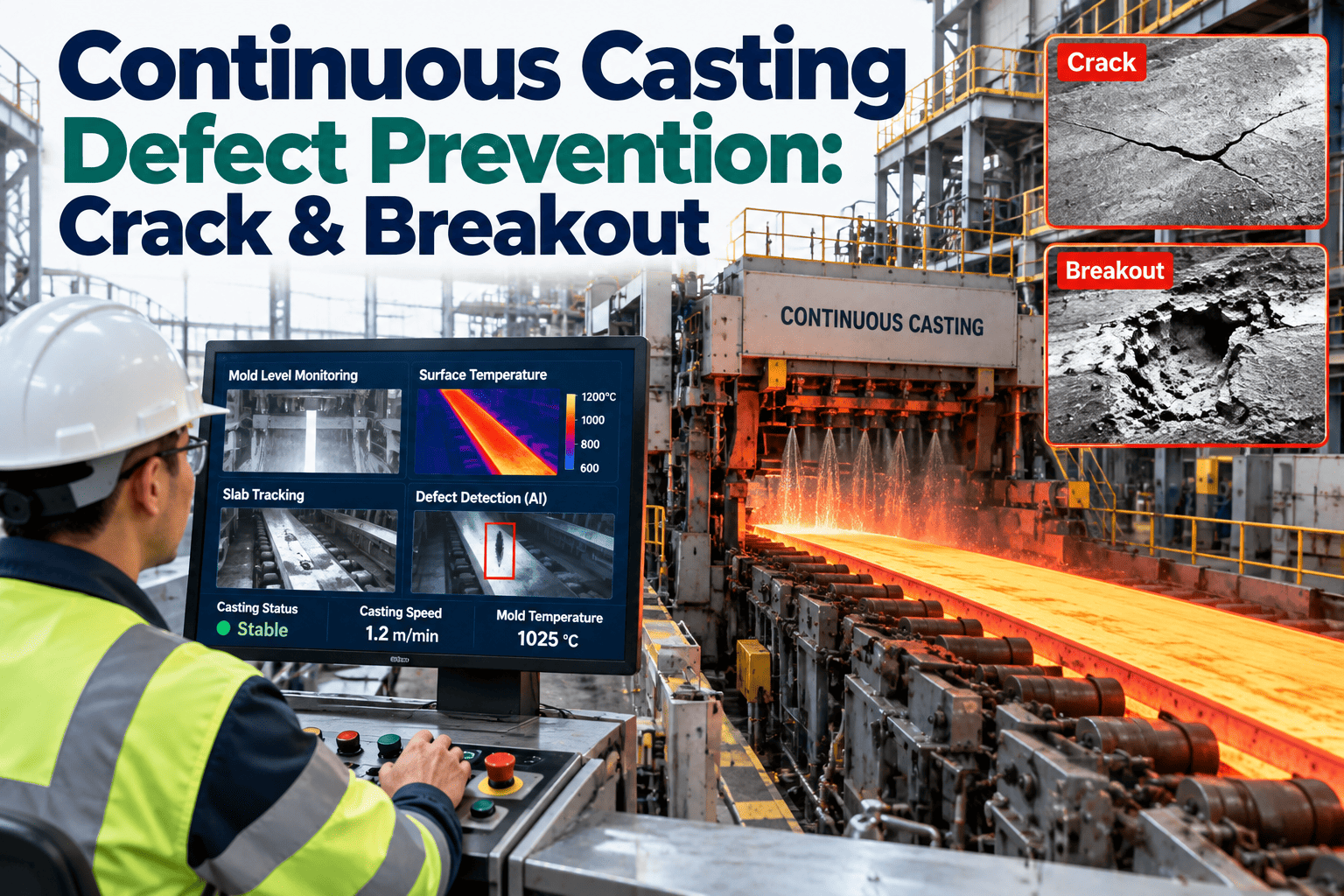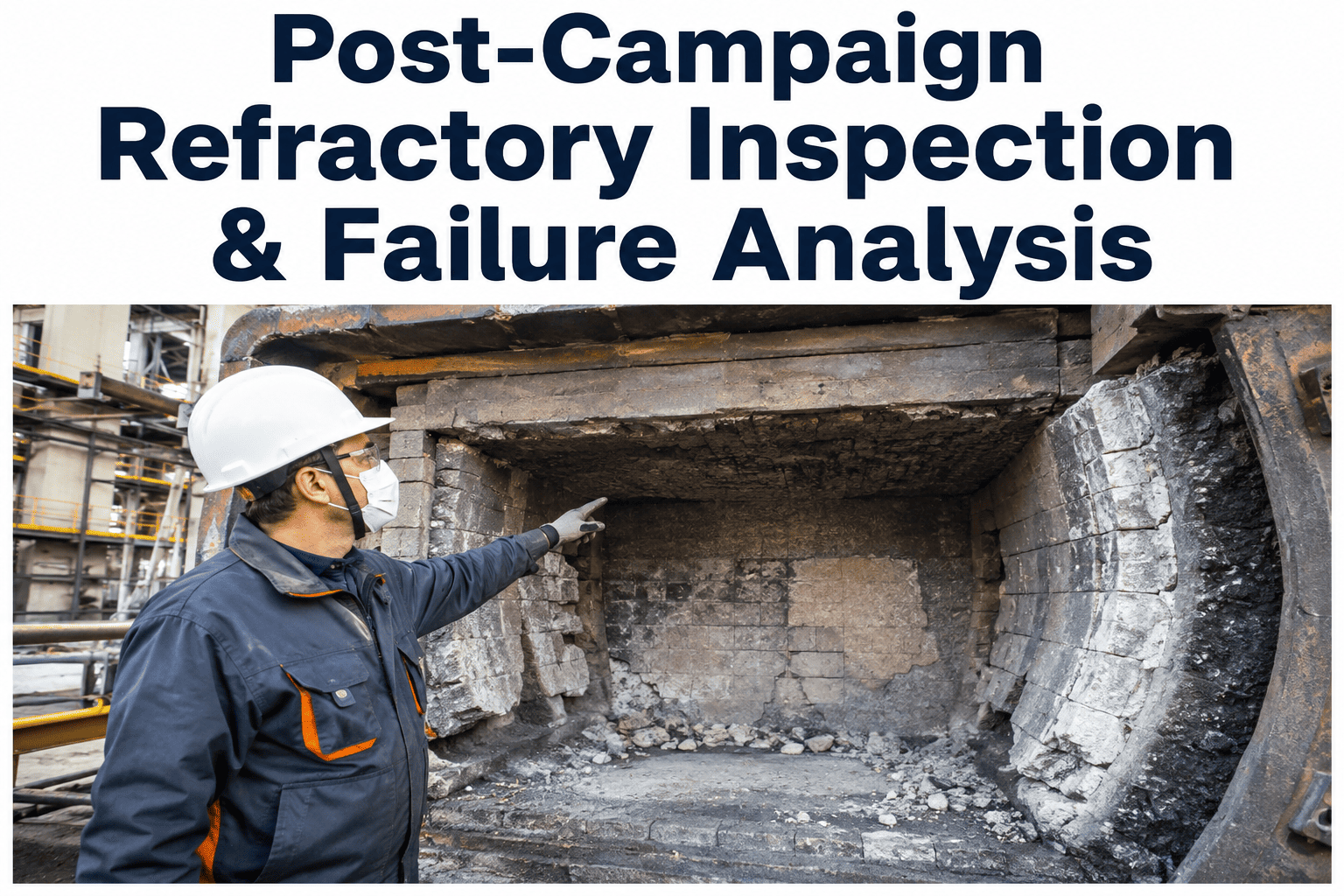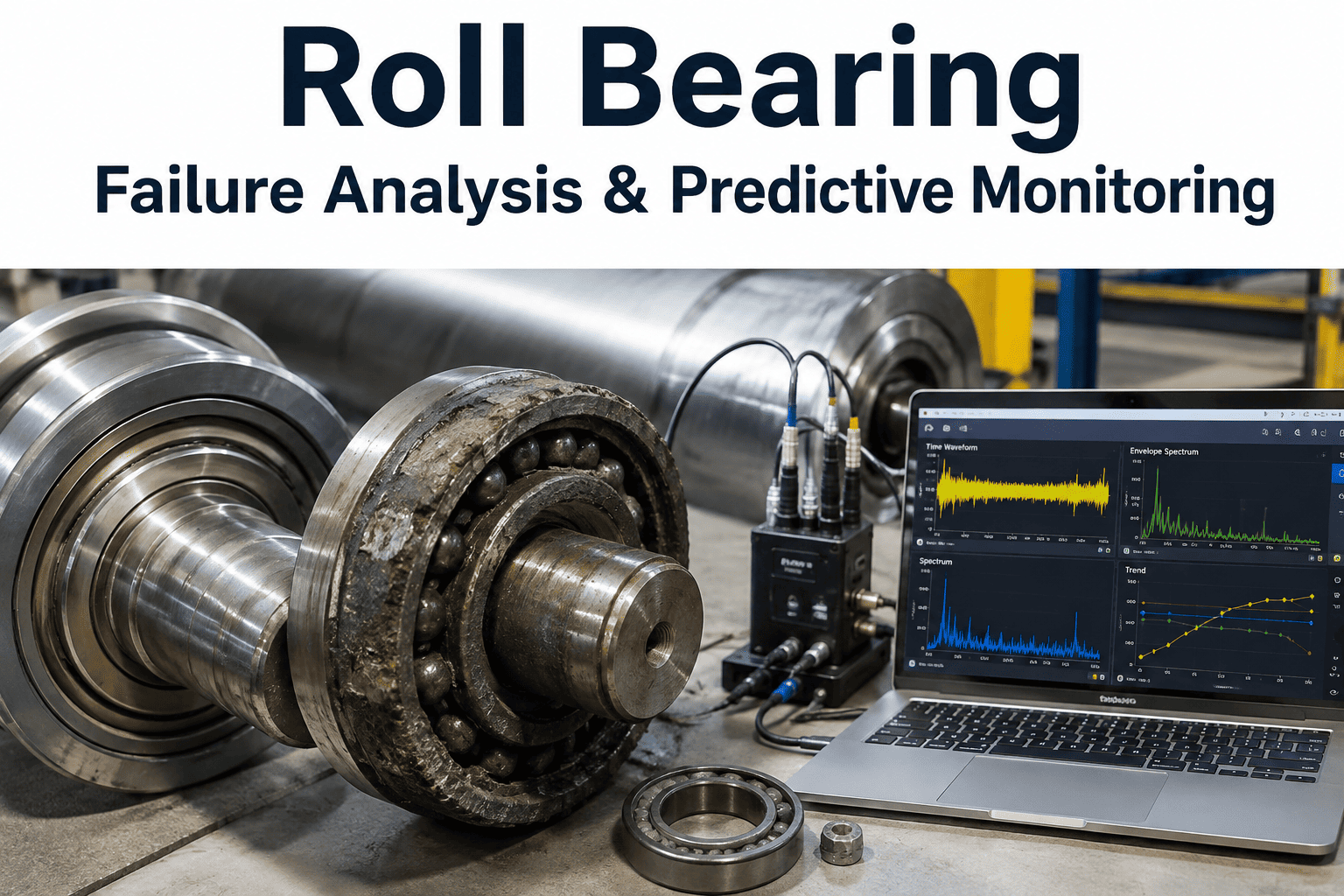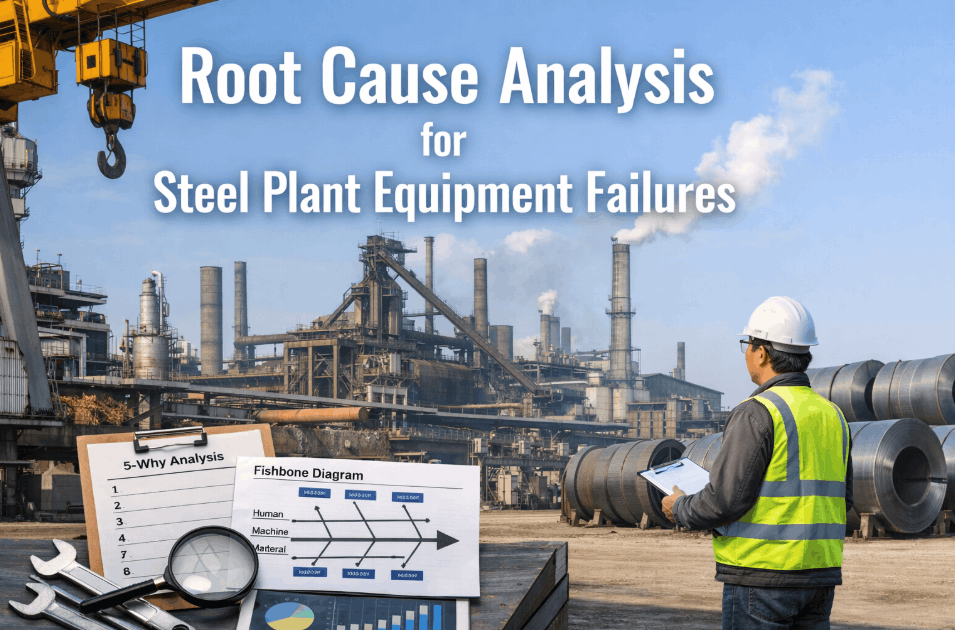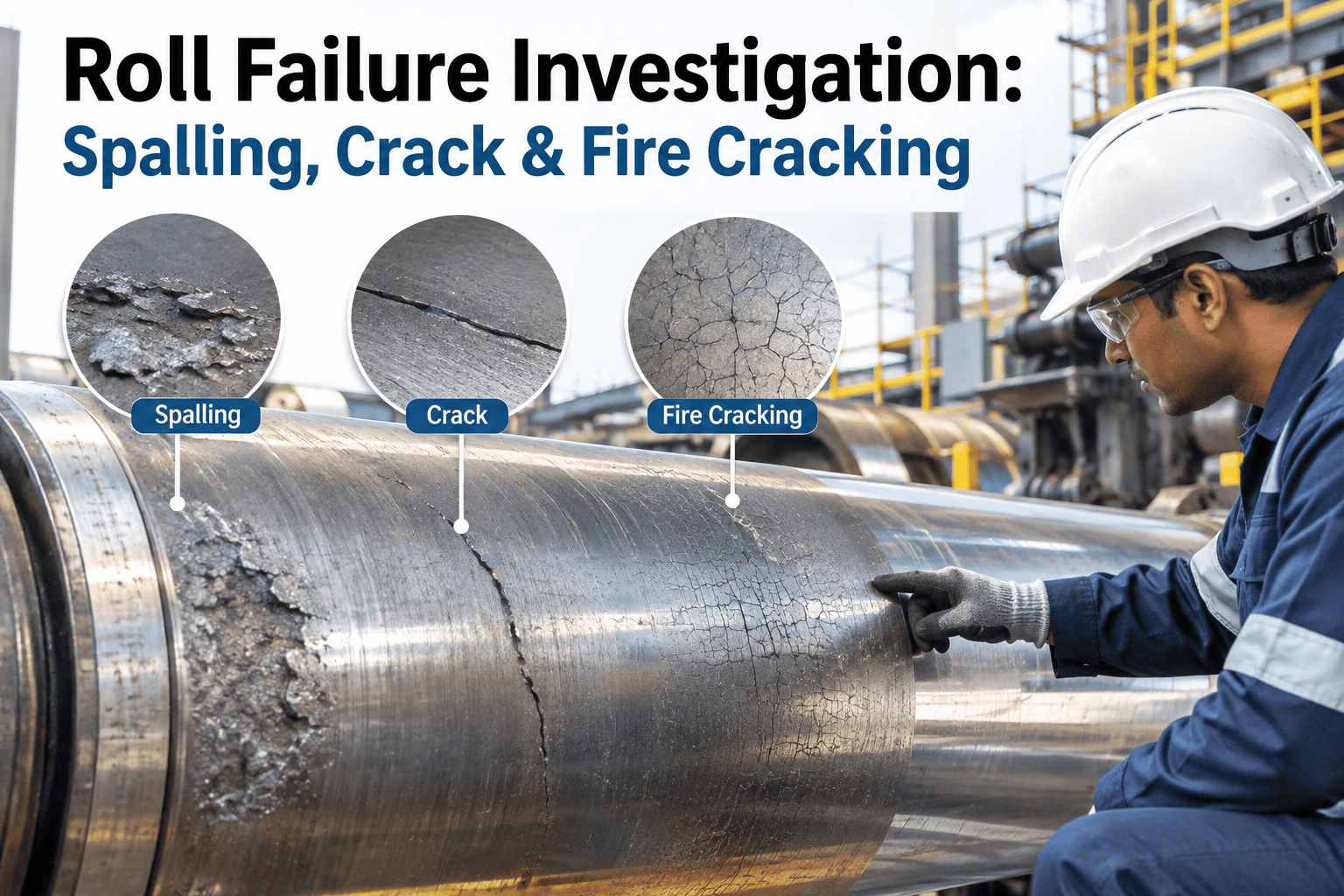
When a work roll fails in service, the immediate pressure is always to get a replacement roll running and the mill back up, and that urgency is exactly what causes so many roll failure investigations to stop at a surface-level description — spalling, a crack, fire cracking — without ever reaching the actual root cause underneath. Spalling, crack propagation, and fire cracking are three distinct failure modes with different underlying mechanisms, and treating them as interchangeable symptoms of "the roll failed" means the same failure is likely to recur on the next roll running the same operating conditions. A proper investigation combines metallurgical analysis with a careful review of the operating conditions the roll actually experienced, and shops building this discipline can start with a conversation with iFactory's support team about connecting roll operating history to failure investigation data.
Three Failure Modes, Three Different Root Causes — Treating Them the Same Guarantees a Repeat
Spalling, crack propagation, and fire cracking each point to a different underlying mechanism, and metallurgical analysis combined with operating condition review is what separates the real cause from the visible symptom.
Why Surface Description Is Not Root Cause
Describing a failed roll as "spalled" or "cracked" is an observation, not a diagnosis, in the same way that describing a patient as having a fever describes a symptom without identifying the infection causing it. Spalling can result from rolling contact fatigue, thermal cycling, or inclusion-driven subsurface cracking, each with a different corrective action, and jumping straight from the visible description to a repair or replacement decision without identifying which of these actually caused the failure leaves the shop guessing at prevention.
The Three Failure Modes and What Drives Each One
Each failure mode has its own characteristic signature, both visually and metallurgically, and correctly identifying which one occurred is the first step toward finding the actual cause.
Spalling
Material breaking away from the roll surface, typically driven by rolling contact fatigue, subsurface inclusions, or thermal cycling stress accumulating beneath the surface until a piece separates.
Crack Propagation
A crack that initiates, often at a surface defect or inclusion, and grows under repeated loading cycles until it reaches a critical size, distinguishable from spalling by its propagation pattern under metallurgical examination.
Fire Cracking
A network of fine surface cracks caused by rapid, repeated thermal cycling at the roll surface, common where cooling water coverage is inconsistent and localized overheating occurs repeatedly.
Connect Roll History to Every Failure Investigation
Book a 30-minute walkthrough of how iFactory links operating condition data to roll failure analysis for a defensible root cause.
Reading a Failure Investigation Report
A thorough investigation produces evidence from several sources, and each one rules certain causes in or out rather than any single piece of evidence being conclusive on its own.
| Evidence Source | What It Reveals | What It Rules Out |
|---|---|---|
| Metallurgical Section | Crack origin point, propagation path, microstructure at the failure site | Whether the failure originated at the surface or subsurface |
| Fracture Surface Examination | Fatigue striations, brittle versus ductile fracture characteristics | Whether failure was sudden overload or progressive fatigue |
| Operating Condition Log | Load history, cooling water coverage, temperature cycling pattern | Whether an operational anomaly coincided with the failure |
| Grinding and Maintenance Record | Prior grinding cycles, dressing history, any prior repair | Whether a prior process step contributed a defect |
Building a Standardized Investigation Checklist
Consistency across investigations is what makes patterns visible over time, and a shop running an ad hoc process for every failure loses the ability to compare one incident against the next.
Document the Failure Mode Precisely
A specific, metallurgically confirmed classification, rather than a general description, is what allows failures to be grouped and compared across the shop's full history.
Pull the Full Operating History
Load, cooling, and temperature data for the specific roll's service life is gathered before forming a hypothesis, exactly the data that surfaced the cooling nozzle issue in the scenario above.
Confirm the Mechanism Before Acting
A corrective action is only implemented once the proposed cause has been checked against the evidence, avoiding the wasted effort of fixing the wrong thing.
A Composite Scenario: The Fire Cracking Pattern That Was Actually a Cooling Gap
A hot mill was experiencing recurring fire cracking on work rolls at a rate noticeably higher than the mill's historical average, and the initial response focused on roll metallurgy, with the team suspecting the current roll supplier's alloy composition had changed. Multiple rolls from the same supplier were examined without finding a metallurgical defect that would explain the elevated failure rate.
A review of operating conditions, cross-referencing cooling water flow data against the specific rolls that had failed, found that a subset of cooling nozzles had been gradually losing coverage due to mineral buildup, creating localized zones on the roll surface that cycled through hotter and cooler temperatures more aggressively than the rest of the roll body during rolling. Cleaning and recalibrating the affected nozzles brought the fire cracking rate back to historical norms without any change to the roll supplier or alloy specification, confirming the metallurgy had never been the actual cause.
Mistakes That Undermine Failure Investigations
Stopping at the Visible Symptom Description
Recording "spalling" or "fire cracking" as the conclusion of an investigation, rather than the starting observation, leaves the actual driving mechanism unaddressed and free to recur.
Suspecting the Roll Before Checking Operating Conditions
Defaulting to a metallurgical or supplier-quality explanation before reviewing operating conditions, as happened initially in the scenario above, can waste time chasing a cause that was never there.
Examining Only the Failed Roll Without Comparison Data
A single failed roll examined in isolation, without comparing its operating history against rolls that did not fail, misses the kind of correlation that identified the cooling gap in the scenario above.
Treating a Repair as Closure Without Root Cause Confirmation
Repairing or replacing a failed roll and moving on without confirming the actual mechanism means the same failure pattern is likely to recur on the next roll under the same unaddressed condition.
Is Your Failure Investigation Process Reaching Root Cause
Metallurgical analysis and operating condition review happen together, not sequentially by default
Reviewing both sources in parallel, rather than assuming one first, is what would have found the cooling gap in the scenario above faster.
Failed rolls are compared against non-failed rolls under similar conditions
Comparison data is what turns an isolated observation into a pattern, exactly the correlation that identified the specific cooling nozzles at fault.
Corrective action is tied to a confirmed root cause, not a plausible guess
Confirming the mechanism before implementing a fix avoids wasted effort on a correction that addresses the wrong cause entirely.
Frequently Asked Questions
How can spalling be distinguished from crack propagation failure?
Metallurgical examination of the fracture surface and the material beneath it is the most reliable way to distinguish the two, since spalling typically shows evidence of subsurface fatigue or inclusion-driven separation while crack propagation shows a distinct initiation point and a characteristic growth pattern under repeated loading, differences that are usually not reliably visible from surface inspection alone.
What causes fire cracking on a work roll?
Fire cracking results from rapid, repeated thermal cycling at the roll surface, typically caused by uneven or inconsistent cooling water coverage that creates alternating hot and cool zones as the roll rotates through the rolling process, exactly the mechanism traced back to degraded cooling nozzle coverage in the scenario above rather than any metallurgical defect in the roll itself.
Why is comparing failed and non-failed rolls important in a failure investigation?
Examining a single failed roll in isolation can lead to an investigation chasing the wrong cause, since without a comparison point there is no way to know whether the suspected factor, such as roll metallurgy, actually differs between rolls that failed and rolls that did not, which is exactly the comparison that revealed the cooling water pattern was the actual differentiator in the scenario above rather than the roll supplier's material.
How much operating condition data should be retained to support future failure investigations?
Retaining load history, cooling system performance data, and temperature cycling records for each roll's full service life gives an investigation the comparison data it needs when a failure eventually occurs, since reconstructing this history after the fact, once a roll has already failed, is far harder and less reliable than having it already logged and available. Book a demo to see how iFactory retains this kind of operating history against each roll's service record.
What is the first step in investigating an unexpected roll failure?
The first step is correctly identifying which failure mode occurred, through metallurgical examination of the fracture surface, before jumping to a suspected cause, since assuming the cause based on a surface description alone is exactly what delayed the investigation in the scenario above. Pulling the roll's full operating history alongside the metallurgical finding, rather than examining either in isolation, gives the investigation its best chance at reaching an actual root cause quickly. Shops wanting help structuring this kind of investigation can reach iFactory support.
Turn Every Roll Failure Into a Confirmed Root Cause, Not a Guess
iFactory connects operating condition history to metallurgical findings, so a failure investigation reaches the actual mechanism instead of stopping at the visible symptom. Book a walkthrough to see it running on a live roll shop.