A ring frame can run for a full shift with a worn traveller, a glazed apron or a drafting roller that's drifted slightly out of setting, and none of it stops the machine. What it does instead is quietly degrade yarn quality, count variation, strength loss, occasional ends down, in ways that often only surface once a customer complaint or a quality audit traces the problem back. Most of these components wear on a predictable schedule, which means a disciplined inspection checklist, not a reactive one, is what catches the drift before it reaches the yarn. Spinning mill teams can review their own maintenance checklist against this structure in a short session.
Worn Components Don't Stop the Machine, They Just Stop Making Good Yarn
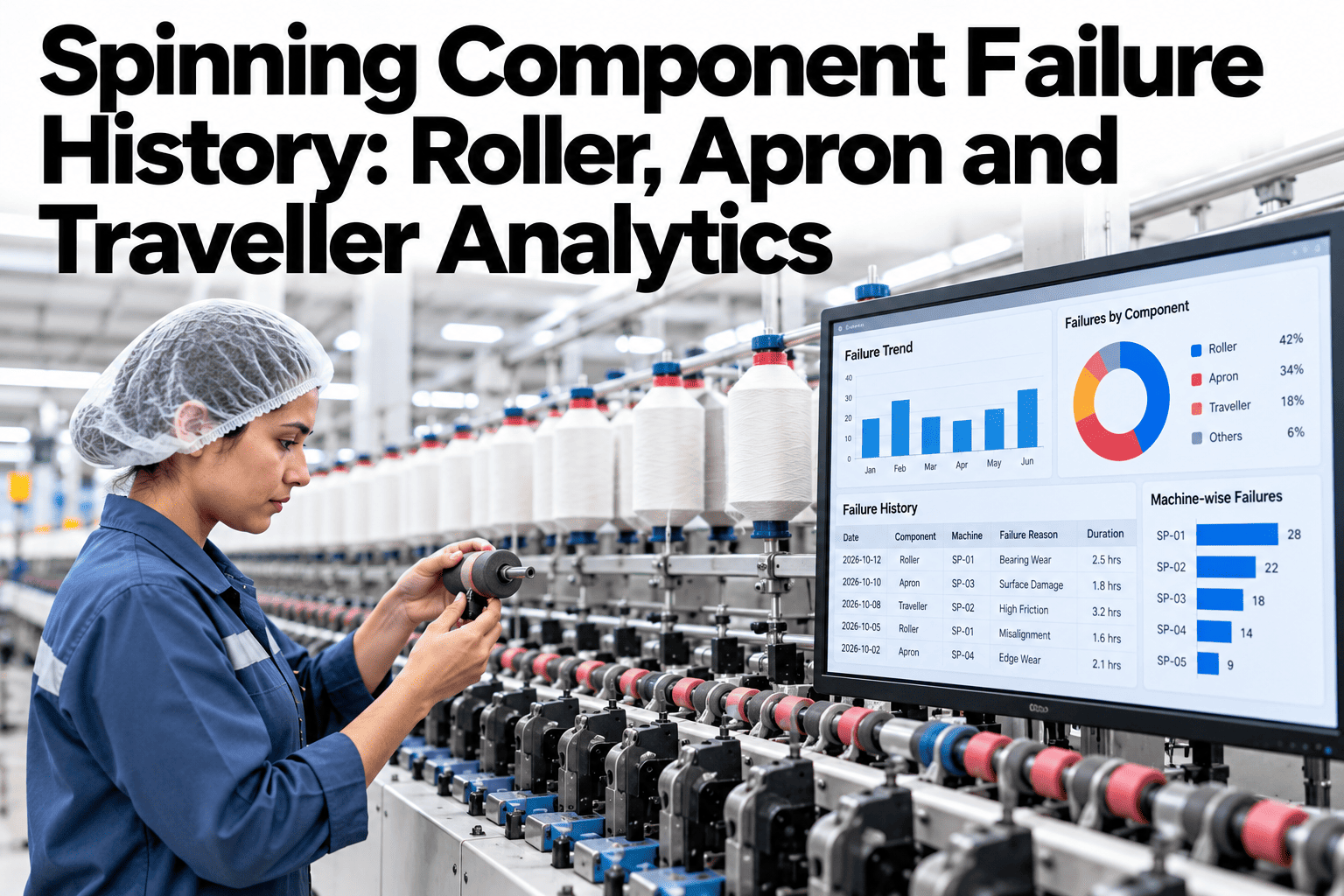
iFactory turns drafting and traveller maintenance into a scheduled, trackable checklist instead of a reactive response to a quality complaint.
Why These Components Wear Quietly
A traveller is designed to wear, that's part of how it works, but the rate of wear and the point at which it starts affecting yarn quality aren't always obvious from a quick visual glance.
Drafting rollers and aprons degrade even more gradually, through glazing, slight setting drift or surface wear, none of which trigger an alarm or stop the frame.
| Component | Wear Signature | Quality Impact if Missed |
|---|---|---|
| Traveller | Gradual wear changing yarn tension and twist insertion | Count variation, occasional ends down |
| Apron | Glazing or surface wear affecting fiber control during drafting | Irregular yarn, increased thin and thick places |
| Drafting roller settings | Gradual drift from original calibration | Uneven draft, strength and evenness variation |
| Lubrication points | Degrading lubrication increasing friction and wear rate | Accelerated wear on multiple connected components |
Build a Maintenance Checklist Around Your Own Frames
Book a 30-minute session and iFactory will review your current inspection cadence against this maintenance structure.
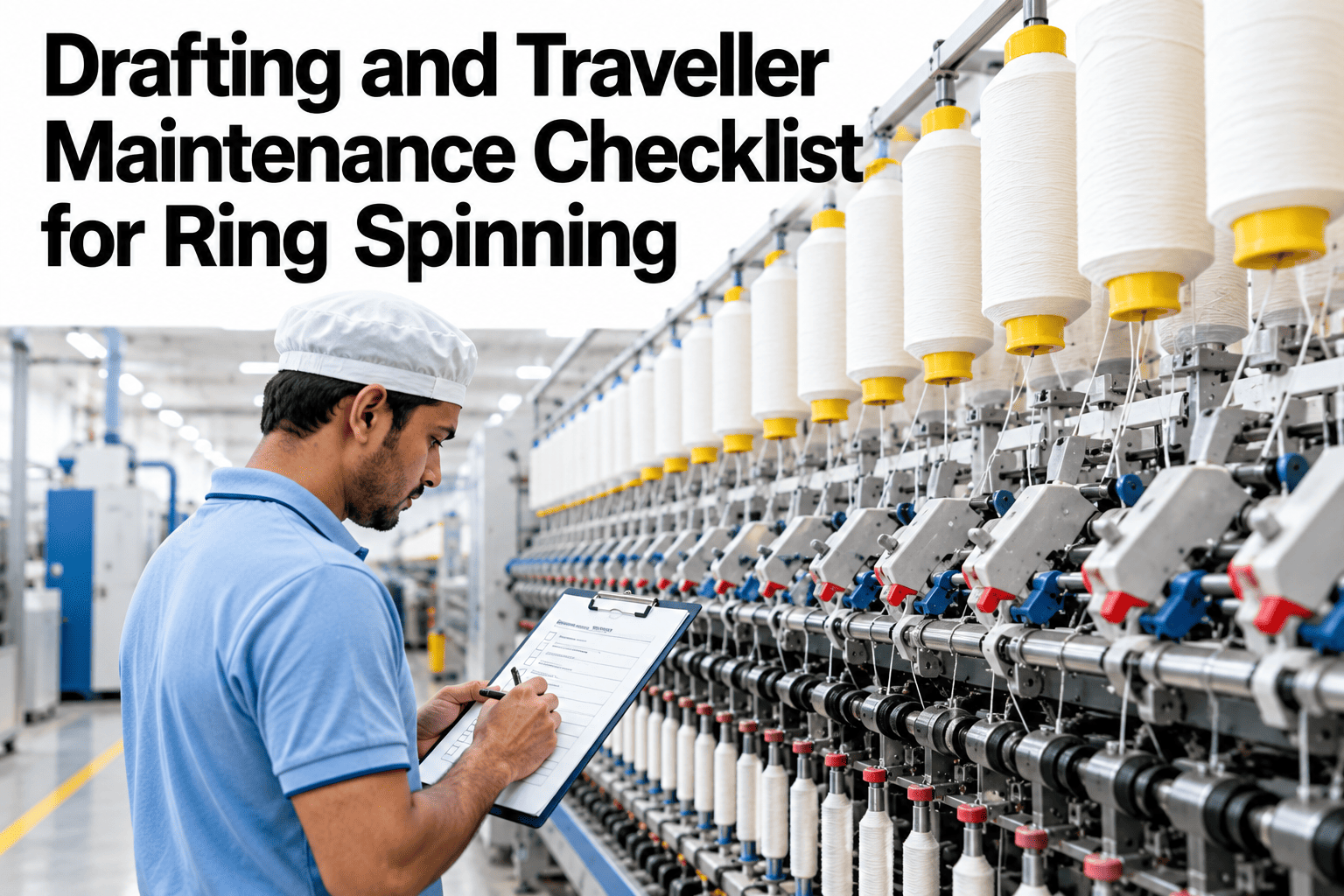
Ring Frame Maintenance Checklist
A practical checklist grouped by inspection frequency, covering the components that most directly affect yarn quality.
Quality Verification as Part of Maintenance
Connect Quality Trends to Component Age
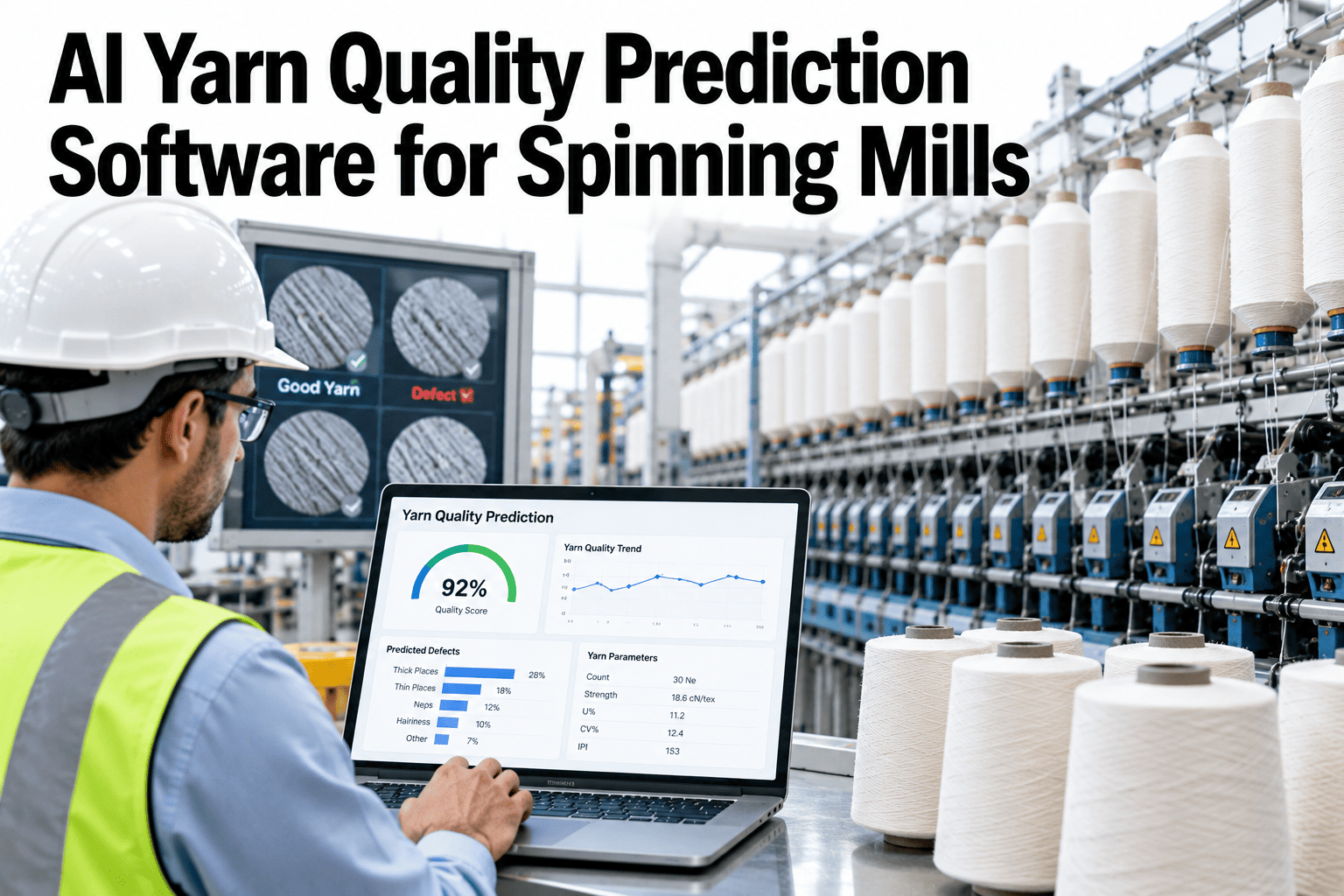
A gradual rise in a specific defect type, cross-referenced against traveller or apron age, often points directly at a wear-related root cause.
Verify After Component Replacement
A quick quality check after replacing a component confirms the fix worked, rather than assuming replacement alone solved the issue.
Flag Spindle-Specific Patterns
A defect pattern tied to one spindle or small group, rather than spread evenly, usually points to a specific component needing attention.
Signals Your Current Checklist Has a Gap
Where iFactory Fits
iFactory turns this maintenance checklist into a scheduled, tracked system, connected to actual quality data rather than a calendar alone.
Scheduled Inspection Tracking
Daily through quarterly checks are scheduled and tracked automatically, with completion visible by frame and zone.
Running-Hour Based Replacement
Traveller and component replacement schedules can follow actual running hours rather than a fixed calendar.
Quality-Linked Maintenance Review
Quality trend data connects to component age and maintenance history, surfacing a likely wear-related cause faster.
Spindle-Level Pattern Detection
Defect patterns concentrated on specific spindles or zones are flagged automatically, pointing maintenance to the right component.
Reviewed by iFactory's Textile Operations team for alignment with standard ring spinning maintenance practice. The inspection frequencies shown are illustrative; actual intervals should reflect your own yarn count, running speed and component specifications.
Frequently Asked Questions
How often should travellers actually be replaced?
This depends on yarn count, spindle speed and traveller type, so there's no single universal interval, but tracking against running hours rather than a fixed calendar tends to match actual wear more closely. Support can help set an interval for your own specifications.
Can this checklist be run without a digital system, just on paper?
It can, though a paper checklist is harder to connect to quality data trends and running-hour tracking, which is where much of the proactive value comes from.
How do we know if a quality issue is traveller-related versus apron-related?
The specific defect pattern, count variation points more toward traveller wear, while irregularity and thin or thick places point more toward apron condition, though cross-referencing against each component's maintenance history helps confirm. See this diagnostic approach applied to your own quality data in a short session.
Does this checklist apply across different yarn counts and fiber types?
The checklist structure applies broadly, but specific intervals and tolerances should be adjusted for different counts and fiber types, since wear characteristics can vary.
How does this connect to our existing quality inspection records?
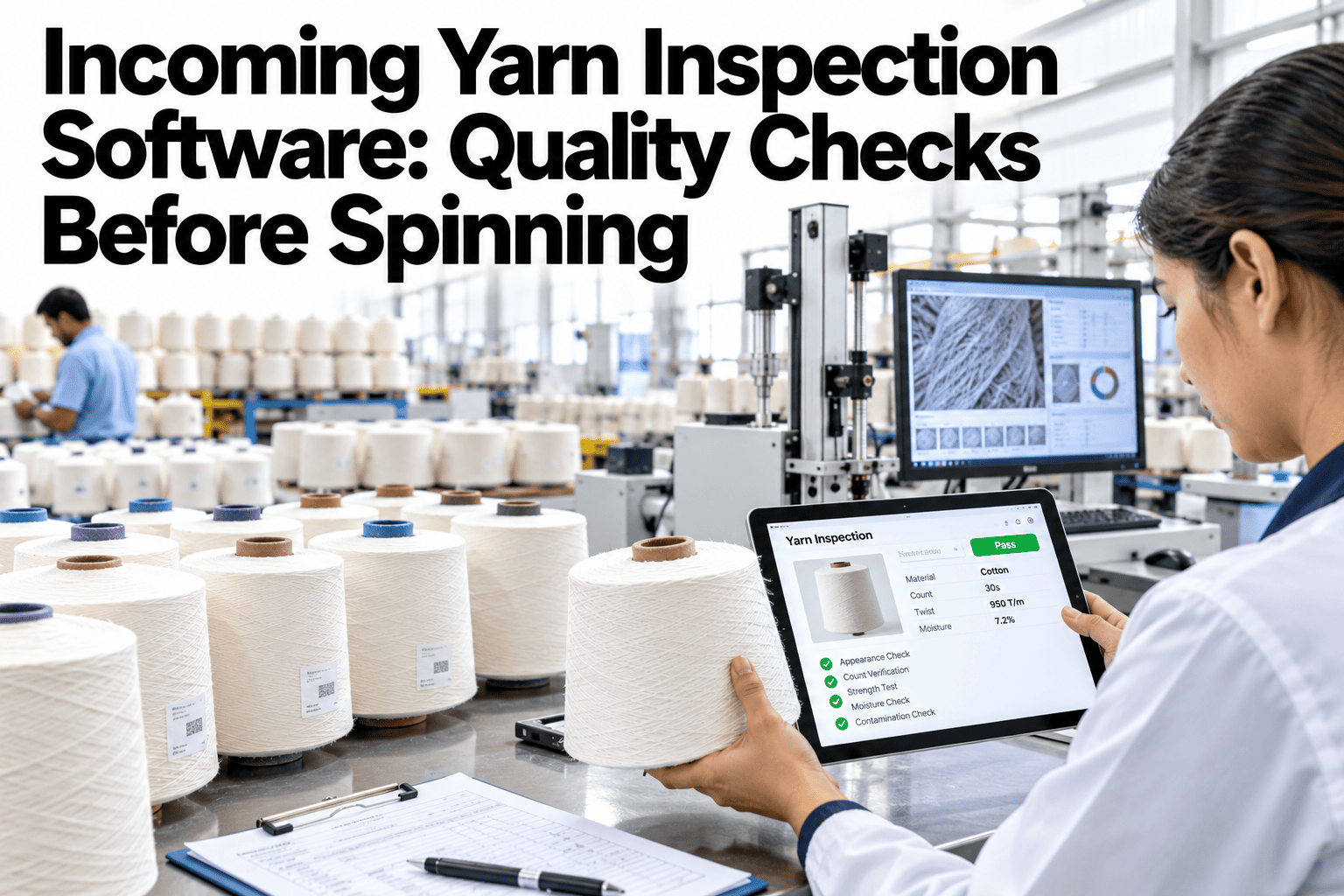
Maintenance records are built to connect with existing quality inspection data, supporting the kind of cross-reference that helps trace a defect trend back to a specific component. Ask support how this integrates with your current quality system.
Catch the Drift Before It Reaches the Yarn
iFactory schedules and tracks drafting and traveller maintenance against real running hours and quality data. Book a walkthrough on your own frames.