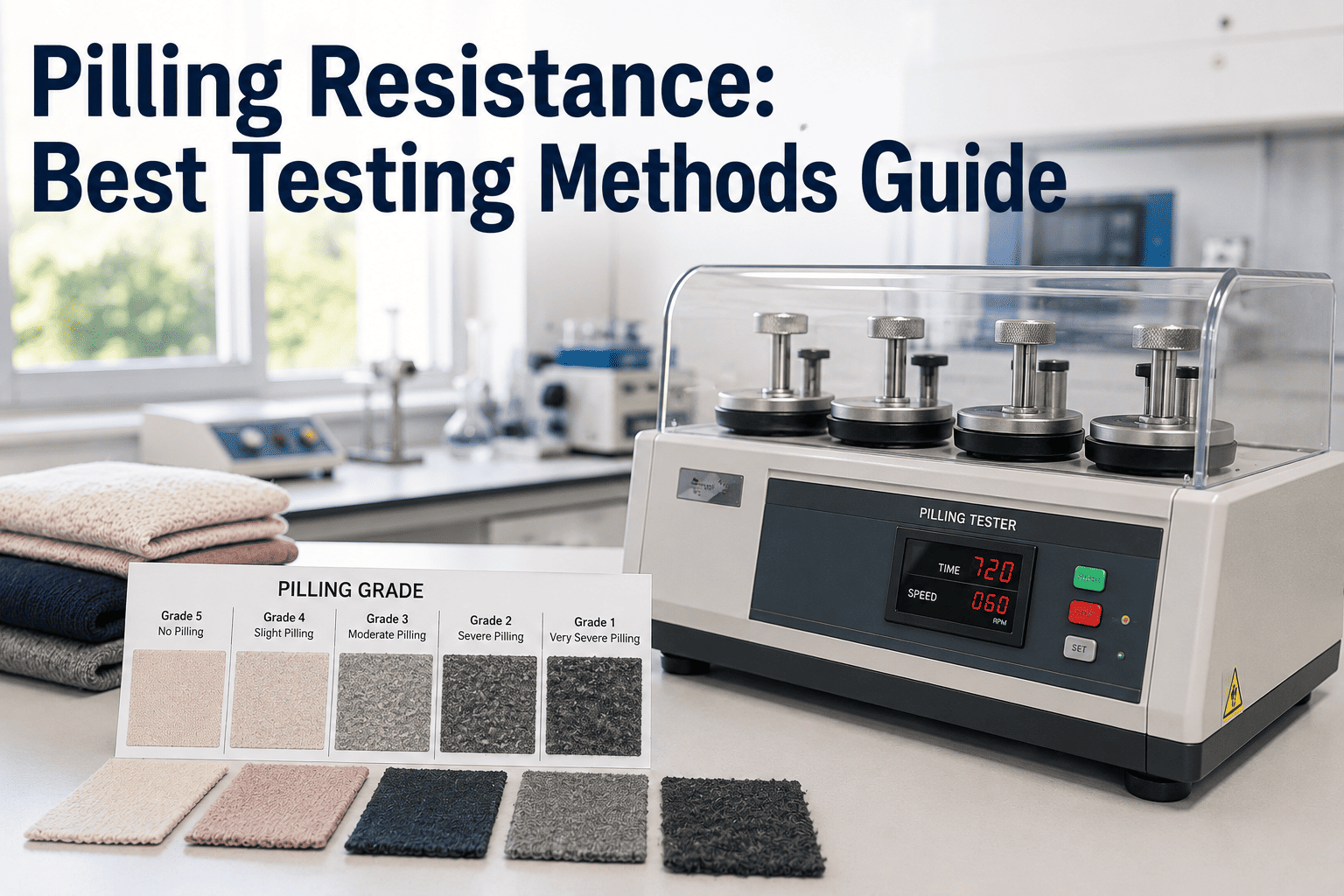
Pilling — the small fuzzy balls of tangled fiber that form on a garment's surface after repeated wear and washing — is one of the few quality defects a customer discovers weeks or months after purchase, well past the return window, which makes it a direct driver of brand trust erosion rather than a simple exchange transaction. A fabric can pass every strength and colorfastness test a buyer requires and still generate a wave of customer complaints once it pills visibly after three or four wash cycles, because pilling resistance depends on fiber-level properties like staple length and twist that mechanical strength tests do not measure at all. Three methods dominate pilling assessment globally: Martindale abrasion, ICI pilling box, and random tumble pilling, and results between them do not always correlate directly on the same fabric. A blend that performs acceptably under Martindale's controlled rubbing motion can still pill heavily under random tumble's more varied friction pattern, which is why matching the test method to the buyer's actual specification matters as much as the fabric performance itself. Book a Demo to see how iFactory flags pilling-prone fabric batches before they reach full production commitment.
Pilling Grade Scale: What Each Rating Means for Retail Acceptability
5
No pilling, premium acceptable
4
Slight surface fuzzing only
3
Moderate pilling, marginal pass
2
Dense pilling, typically fails
1
Severe pilling, always fails
Pilling Shows Up After the Sale. Catch It Before the Shipment.
iFactory tracks pilling grade trends against yarn source, twist level, and finishing parameters, flagging fabric batches trending toward customer-visible pilling before full production is committed.
The Three Pilling Test Methods and Why Results Diverge
Each pilling method simulates a different type of surface abrasion, and the mechanical action of each test tends to favor certain fiber and fabric constructions over others, which is why the same fabric can grade differently across methods. Compare your current pilling results against the method your buyer actually specifies.
ISO 12945-2
Martindale Pilling Method
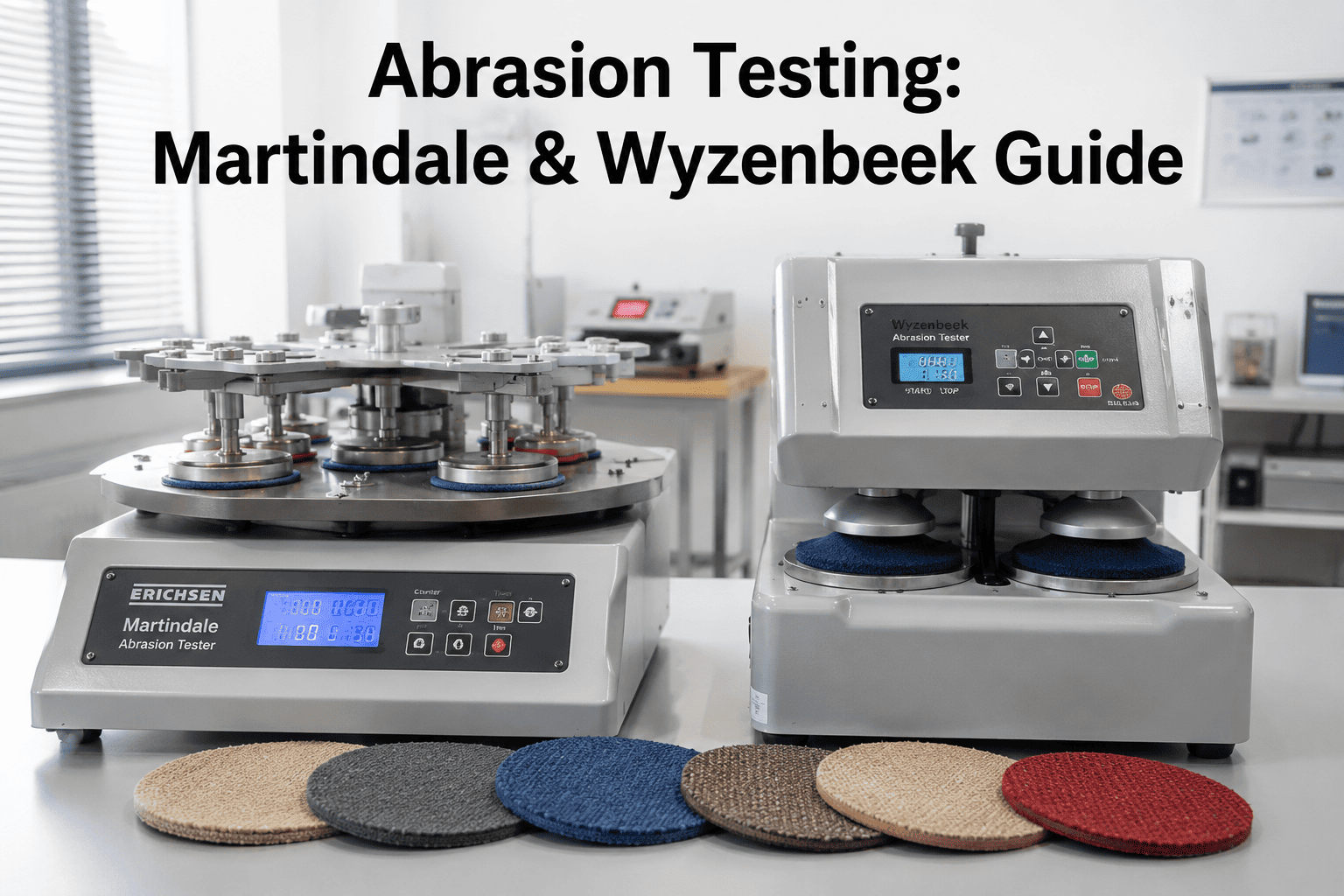
Rubs circular fabric samples against a standard abradant in a figure-eight motion for a specified number of cycles, then compares surface appearance against photographic pilling standards. The dominant method for European and premium global buyer packs.
ASTM D3511
ICI Pilling Box Method
Tumbles fabric samples inside a cork-lined rotating box for a set duration, generating pilling through fabric-on-fabric friction. Widely specified for knitwear and sweater categories in North American buyer packs.
ASTM D3512
Random Tumble Pilling Method
Tumbles fabric samples in a chamber with mixed abrasive material at controlled speed and air flow, producing pilling more representative of actual laundering conditions than pure mechanical rubbing methods.
Pilling Method Comparison and Typical Retail Thresholds
Buyer packs rarely specify all three methods for the same fabric category; instead, the region and fabric type typically dictate a single primary method with grading thresholds that vary by product tier.
| Fabric Category | Primary Method | Typical Minimum Grade | Common Risk Factor |
|---|
| Cotton/Poly Blend Knits | Martindale (ISO 12945-2) | Grade 3-4 | Short staple fiber, low twist yarn |
| Wool and Wool Blend Sweaters | ICI Pilling Box (ASTM D3511) | Grade 3 | Loose knit gauge, low-twist spun yarn |
| Synthetic Activewear | Random Tumble (ASTM D3512) | Grade 4 | Filament breakage, surface friction from seams |
| Premium Woven Shirting | Martindale (ISO 12945-2) | Grade 4-5 | Loose weave density, fiber blend ratio |
What Actually Causes Fabric to Pill
Pilling forms when loose fiber ends on a fabric surface become entangled through friction, forming small balls that remain attached because they cannot break free from the yarn structure. Several fiber and construction factors determine how quickly and severely this happens, and understanding them allows development teams to reduce pilling risk before a fabric ever reaches formal testing. Most of these factors are decided months before pilling testing even occurs, at the fiber sourcing and yarn spinning stage, which is precisely why treating pilling as a late-stage compliance check rather than an early development consideration leads to recurring, avoidable failures.
01
Short fiber staple length
Shorter fibers have more loose ends per unit area and are more likely to work free from the yarn structure under abrasion, forming pills faster than long-staple equivalents.
02
Low yarn twist level
Loosely twisted yarns hold fiber ends less securely, allowing them to migrate to the fabric surface and entangle more readily than tightly twisted equivalents.
03
Synthetic fiber strength preventing pill breakage
Strong synthetic fibers like polyester form pills that do not break off naturally the way weaker natural fibers do, causing pills to accumulate and remain visible over repeated wear cycles.
04
Loose knit or weave construction
Open, low-density constructions allow fiber ends greater freedom of movement under friction, increasing pilling risk compared to tighter, denser fabric structures.
05
Absence of anti-pilling finish or treatment
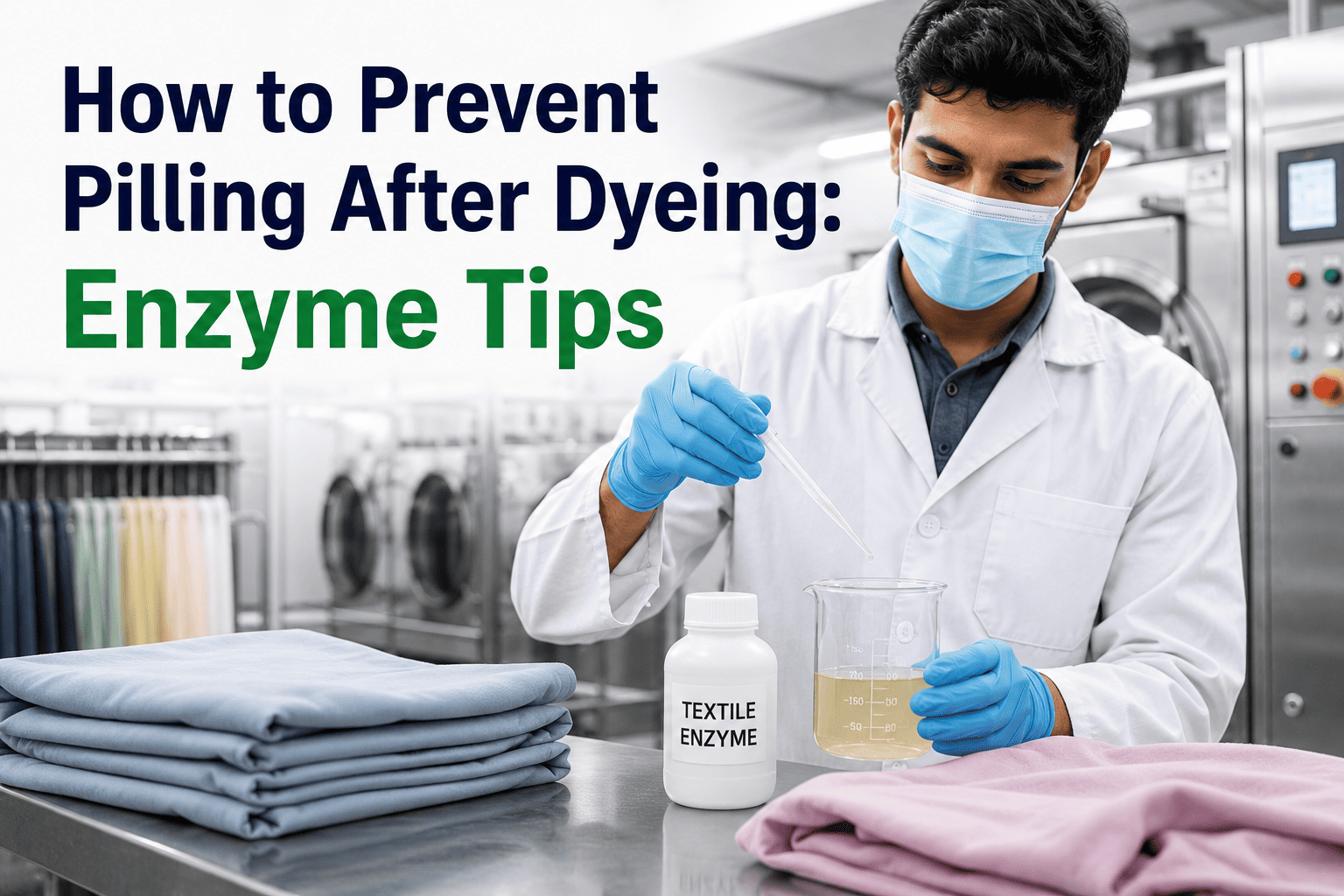
Singeing, enzyme treatment, and specialty anti-pilling finishes reduce loose surface fiber; skipping these steps on pill-prone fiber blends leaves fabric more vulnerable to visible pilling.
Reducing Pilling Risk Before It Reaches the Test Lab
Pilling resistance is largely determined during fiber selection and yarn engineering, long before a fabric reaches the Martindale or ICI test chamber, which means the most effective interventions happen at development stage rather than after a failing test result. Development teams that build pilling risk assessment into early fiber and yarn decisions consistently see fewer late-stage surprises than teams that treat pilling testing as a final compliance checkpoint.
Fiber Selection
Favor longer staple length where cost allows
Longer staple fibers hold more securely within the yarn structure, reducing the loose fiber ends that initiate pill formation under abrasion.
Yarn Engineering
Increase twist level on pill-prone blends
Higher twist yarns bind fiber ends more tightly, reducing surface migration and pilling risk without necessarily changing fiber cost.
Fabric Construction
Increase fabric density on open constructions
Tighter knit or weave density limits fiber end mobility at the surface, reducing the space available for pills to form and accumulate.
Finishing
Apply anti-pilling treatment to known risk blends
Singeing and enzyme treatments specifically target loose surface fiber on blends already identified as historically pill-prone.
iFactory correlates pilling grade history against fiber source, yarn twist, and finishing treatment data, identifying which combinations reliably produce pill-prone fabric before a new development reaches full testing.
Results from Mills Reducing Pilling-Related Complaints
The following outcomes reflect real mill and knitwear operations after implementing pilling risk correlation and anti-pilling finish optimization. Request the full case study for your fiber blend and fabric category.
A knitwear producer supplying mid-tier retail brands faced a recurring pattern of customer pilling complaints traced to a specific short-staple cotton source used in blended yarns. Correlating Martindale results against yarn source data identified the pattern before a full seasonal order was committed, and switching to a longer-staple source on affected styles reduced customer pilling complaints substantially within one season. The producer now maintains a running risk score for every fiber source based on historical pilling grade outcomes, flagging any new supplier below the established threshold for additional pre-production testing.
64%
Reduction in customer pilling complaints
1 season
Time to measurable improvement
$190K
Annual returns and chargebacks avoided
A wool sweater manufacturer inconsistently applying anti-pilling enzyme treatment across production lots faced grade variation between otherwise identical styles. Standardizing finish application parameters and tracking ICI pilling box results against treatment batch data closed the variance gap, bringing pilling grade consistency across all lots to within a single grade point of each other.
90%
Lots within one grade point of target
5 weeks
Time to standardize finish application
0
Pilling-related shipment holds since rollout
What Knitwear Quality Teams Say About Pilling Risk Tracking
Pilling complaints used to arrive months after shipment with no way to trace them back to a specific yarn lot. Correlating results against fiber source data changed that completely, and we caught the next problem yarn before it shipped.
Quality Manager
Knitwear Producer, Bangladesh
Our anti-pilling finish application was inconsistent between shifts and we didn't know it until we started tracking grade results by treatment batch. That single change closed most of our variance.
Production Director
Wool Sweater Manufacturer, Nepal
We were testing Martindale because that's what we always did, but our buyer actually specified ICI pilling box. Matching the right method to the right buyer pack alone resolved a chronic dispute pattern.
Lab Director
Blended Fabric Mill, India
Synthetic activewear pilling was our hardest problem because the pills never broke off naturally. Understanding that fiber-level property changed how we approach yarn selection at the development stage entirely.
Head of Product Development
Activewear Fabric Supplier, Vietnam
Frequently Asked Questions
Why does a fabric pass Martindale testing but generate pilling complaints from customers?
Martindale testing simulates a specific type of rubbing abrasion under controlled laboratory conditions, but real-world pilling also depends on factors the test does not fully replicate, including repeated home laundering, friction against other garments in storage, and prolonged wear at high-friction body contact points like underarms and inner thighs. A fabric can perform acceptably under the standardized test cycle count while still pilling visibly after the extended, varied friction exposure of months of actual use.
Can pilling be fixed after it appears, or only prevented before manufacturing?
Pilling that has already formed on a finished garment cannot be reversed through washing or normal care; it can only be manually removed with a fabric shaver, which is a consumer-side remedy rather than a manufacturing fix. Prevention happens entirely upstream, through fiber selection, yarn twist level, fabric construction density, and anti-pilling finish application, all of which must be addressed before the fabric leaves the mill.
Is a higher pilling grade always better regardless of fabric type?
A higher grade indicates less pilling and is generally preferable, but the appropriate minimum threshold varies significantly by fabric category and price tier. A budget acrylic sweater is rarely held to the same grade 4-5 threshold as a premium merino wool sweater, since fiber cost, hand feel, and consumer price expectations all factor into what a buyer considers an acceptable minimum for a given product category.
Does anti-pilling finish permanently prevent pilling or does it wear off over time?
Anti-pilling finishes, including enzyme treatments and specialty resin applications, reduce loose surface fiber and improve initial pilling resistance, but their effect typically diminishes gradually over repeated wash cycles as the treatment wears down. Buyer specifications increasingly require pilling testing after a set number of simulated wash cycles specifically to capture this durability-of-finish factor rather than only testing unwashed fabric.
What is the most effective way to reduce pilling risk during fabric development rather than after production?
Tracking historical pilling grade results against fiber source, yarn twist level, and finishing treatment data allows development teams to identify which combinations reliably produce pill-prone fabric before committing to full production, rather than discovering the problem through customer complaints months later.
Book a demo to see how correlated pilling risk tracking fits your current development workflow.
Stop Discovering Pilling Problems from Customer Complaints. Catch Them Early.
iFactory tracks pilling grade trends against fiber source, yarn twist, and finishing data, flagging pill-prone combinations before full production and giving you the evidence to defend every shipped lot.
Covers Martindale, ICI pilling box, and random tumble methods
Correlates pilling risk to fiber source and yarn twist data
Flags pill-prone lots before full production commitment
Full audit trail for every buyer compliance review