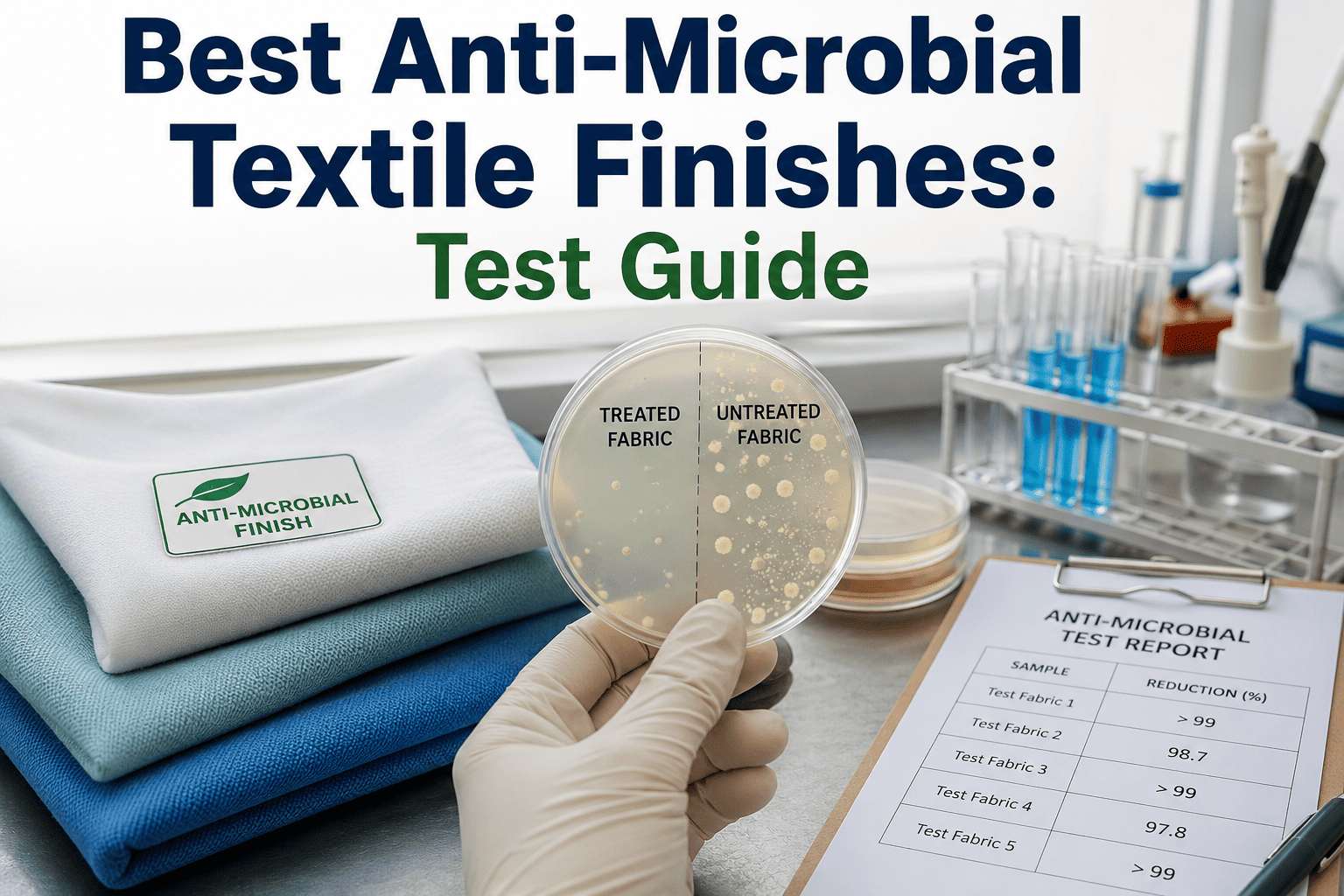
A healthcare curtain or a pair of running socks claiming antimicrobial protection means very little without a specific test standard behind that claim, because "antimicrobial" describes an outcome, not a single chemistry or a single guaranteed level of performance. Silver ion, chitosan, and synthetic biocide finishes each work through different mechanisms, degrade at different rates through washing, and are validated against different test protocols depending on end use. For finishers and brand quality teams sourcing or specifying antimicrobial textiles, understanding which finish chemistry suits which application and which test standard actually proves durability is the difference between a defensible product claim and one that fails independent verification, a distinction outlined further in iFactory's support documentation.
01 / Three Finish Chemistries, Three Different Mechanisms
Antimicrobial textile finishes broadly fall into three chemistry families, and choosing between them depends heavily on end use, durability requirements, and regulatory context rather than any one option being universally superior.
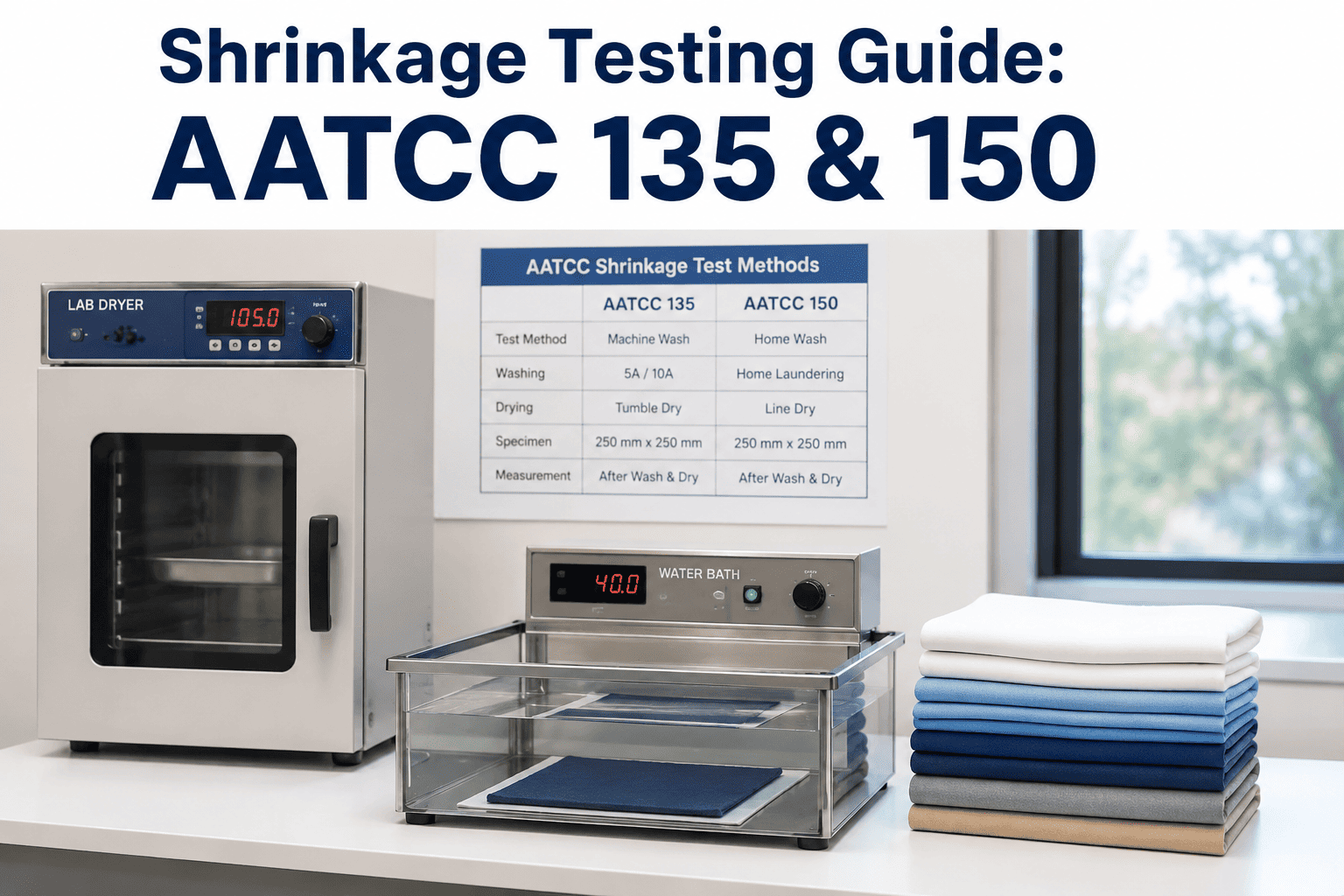
02 / AATCC 100 vs ISO 20743 — What Each Test Actually Measures
The two most widely referenced antimicrobial textile test standards measure the same underlying principle — reduction in bacterial colony count after fabric contact — but differ in methodology, making direct comparison between results reported under each standard unreliable without understanding the procedural differences.
| Test Standard | Method | Typical Application | Result Reported As |
|---|---|---|---|
| AATCC 100 | Fabric inoculated with bacteria, incubated, colonies counted before and after contact time | Wovens, knits, and nonwovens across apparel and healthcare textiles | Percentage reduction in bacterial count |
| ISO 20743 | Similar contact-based methodology with absorption and transfer method variants for different fabric types | Broader international use, often required for EU and Asian market compliance | Logarithmic reduction value against untreated control |
Both standards test the finish under controlled laboratory contact conditions, but neither alone confirms wash durability — that requires separate cyclical laundering testing before the antimicrobial test is repeated, which is the step most commonly skipped in preliminary product claims and the one most likely to be challenged in independent verification.
03 / Durability Testing — Where Most Antimicrobial Claims Actually Fail
A finish that shows a ninety-nine percent bacterial reduction fresh off the finishing line tells buyers very little about performance after twenty, fifty, or one hundred home laundry cycles, and durability is where the real differentiation between finish chemistries and application quality shows up.
04 / Matching Chemistry to Application
Healthcare textiles, sportswear, and general hygiene applications each place different demands on antimicrobial finish performance, and the same chemistry that performs well in one context can be a poor fit in another.
05 / Building a Defensible Testing and Documentation Process
Independent verification of antimicrobial claims has become standard practice among major apparel and healthcare textile buyers, which means the finishing facility's own testing documentation needs to withstand scrutiny beyond an internal quality pass.
06 / Common Testing Mistakes That Undermine Antimicrobial Claims
A recurring pattern among antimicrobial claims that fail independent audit is not fraudulent testing but incomplete testing scoped to look favorable rather than to reflect real product performance. Testing against a narrow set of easily-inhibited bacterial strains while marketing the product as broad-spectrum protective is one common gap, since a finish that performs strongly against one common test organism may show materially weaker results against other strains relevant to the actual use environment. Reporting fresh, unlaundered fabric results as though they represent in-use performance is another frequent issue, particularly for products marketed around extended wear or repeated washing. A third common gap is applying a healthcare-grade test protocol during development but shifting to a lighter consumer-grade protocol for ongoing production quality control, which means the original claim is no longer being verified against actual production output over time. Building a testing program that matches protocol rigor to the actual product claim, tests the specific organisms relevant to the end-use environment, and validates durability across the wash-cycle count consistent with expected product life is the most reliable way to avoid these gaps before they surface during a buyer or regulatory audit.
Conclusion — The Claim Is Only as Strong as the Testing Behind It
Antimicrobial finish chemistry selection matters, but the testing protocol and durability documentation behind the finish are what actually determine whether a product claim holds up under buyer or regulatory scrutiny. Book a demo to review your current antimicrobial finish and testing process against the standard your target market requires.
Frequently Asked Questions — Antimicrobial Textile Finishes
A ninety-nine percent reduction claim, when reported under AATCC 100, means that after a specified contact time — typically eighteen to twenty-four hours — the treated fabric showed a ninety-nine percent lower bacterial colony count compared to the starting inoculation level, calculated against an untreated control fabric run in parallel. This is a meaningful laboratory result, but it says nothing on its own about real-world performance during actual wear, since contact time, bacterial species tested, and environmental conditions in the lab differ significantly from everyday use. It also says nothing about durability unless the same test was repeated after laundering cycles matching the product's expected use life. Buyers evaluating antimicrobial claims should always ask which specific bacterial strains were tested and whether the reduction figure holds after realistic wash-cycle counts, details covered further in iFactory's support documentation.
Silver ion finishes are typically bonded to the fiber through mechanisms designed for slow, controlled ion release over an extended period, which allows the finish to maintain measurable antimicrobial activity across a higher number of wash cycles compared to many standard synthetic biocide applications. Synthetic biocides, particularly lower-cost formulations, often rely on surface deposition that is more readily stripped by detergent and mechanical laundering action. Enhanced synthetic biocide formulations using binder systems designed for improved wash fastness have narrowed this durability gap significantly, but as a general category, silver ion finishes still tend to hold a durability advantage, which is reflected in their continued dominance in healthcare textile applications requiring institutional-grade laundering durability.
Chitosan finishes demonstrate genuine antimicrobial activity, particularly effective against certain bacterial and fungal species, but they generally show somewhat lower wash durability than silver ion finishes and can require higher application concentrations to achieve comparable reduction percentages in initial testing. The primary reason brands choose chitosan over silver ion or synthetic alternatives is rarely raw antimicrobial performance alone — it is more commonly driven by the bio-based, biodegradable sourcing story that chitosan offers, which carries sustainability marketing value that synthetic and metal-ion finishes cannot claim. For applications where durability through extensive institutional laundering is the primary requirement, silver ion remains the more common choice; for consumer apparel where sustainability messaging carries commercial weight, chitosan is an increasingly common selection despite its somewhat different durability profile.
Sportswear odor-control claims are most commonly validated across twenty to fifty home laundry cycles, reflecting the realistic wash frequency of an actively used performance garment over roughly one to two years of typical wear. Premium performance brands increasingly test to the higher end of this range or beyond, since consumer expectations for durability have risen alongside greater product cost and marketing emphasis on long-term performance. Testing fewer cycles than the product's realistic use life creates exposure to claim challenges if independent testing at higher cycle counts shows activity has dropped below the claimed threshold, which is one of the more common gaps found during third-party antimicrobial claim audits.
In several markets, antimicrobial textile finishes are subject to regulatory oversight beyond standard performance testing, particularly where the finish is classified as a pesticide or biocidal product under regional chemical regulation frameworks, which is common for many silver-based and synthetic biocide chemistries. Requirements vary significantly by country and by the specific chemistry used, and healthcare textile applications in particular often face additional regulatory scrutiny given the medical-adjacent use context. Finishers and brands should confirm regulatory registration status for their specific finish chemistry and target markets before finalizing product claims, since performance testing alone does not substitute for required regulatory compliance in jurisdictions where the finish chemistry falls under biocidal product regulation. Book a demo to discuss regulatory considerations for your target markets.