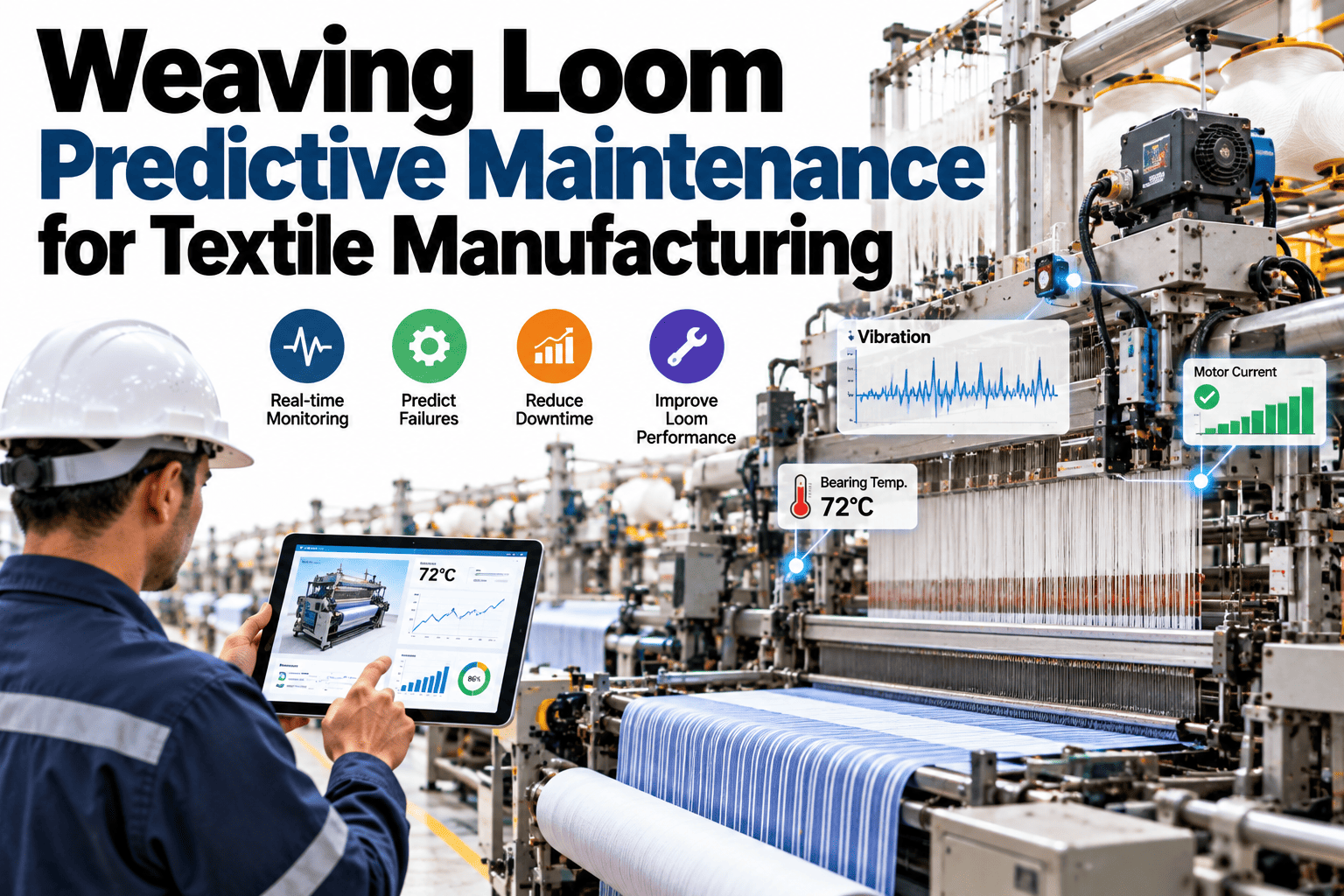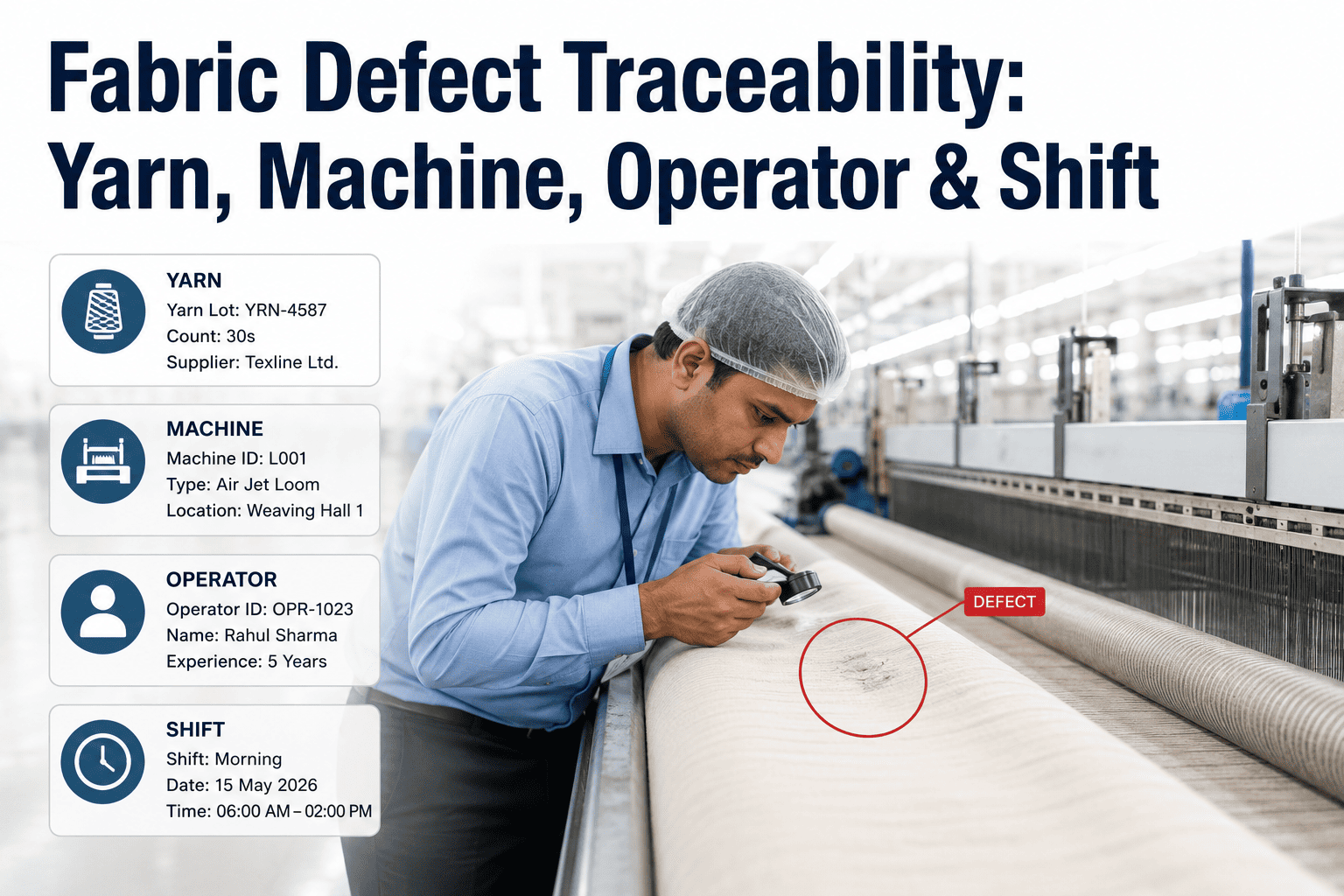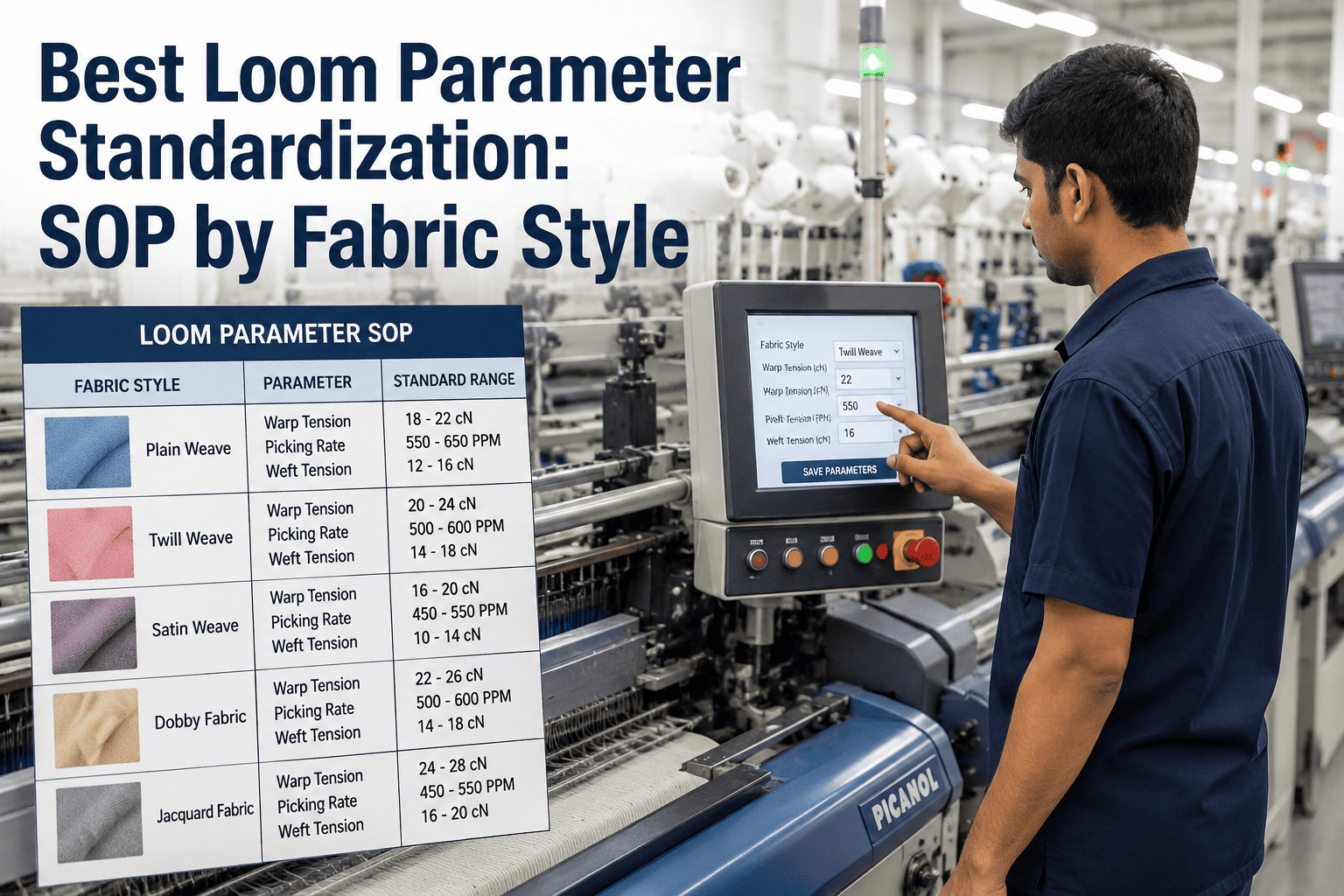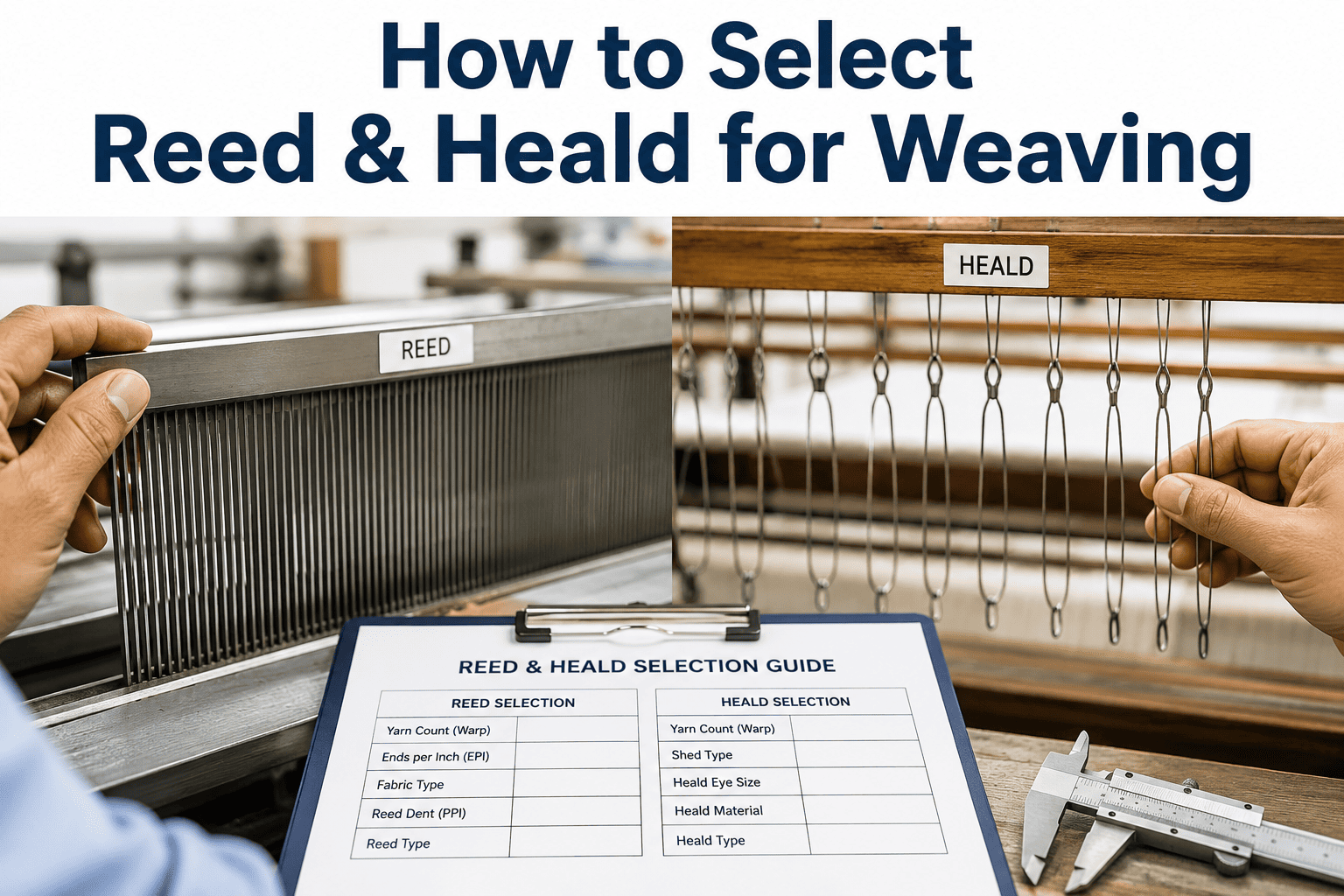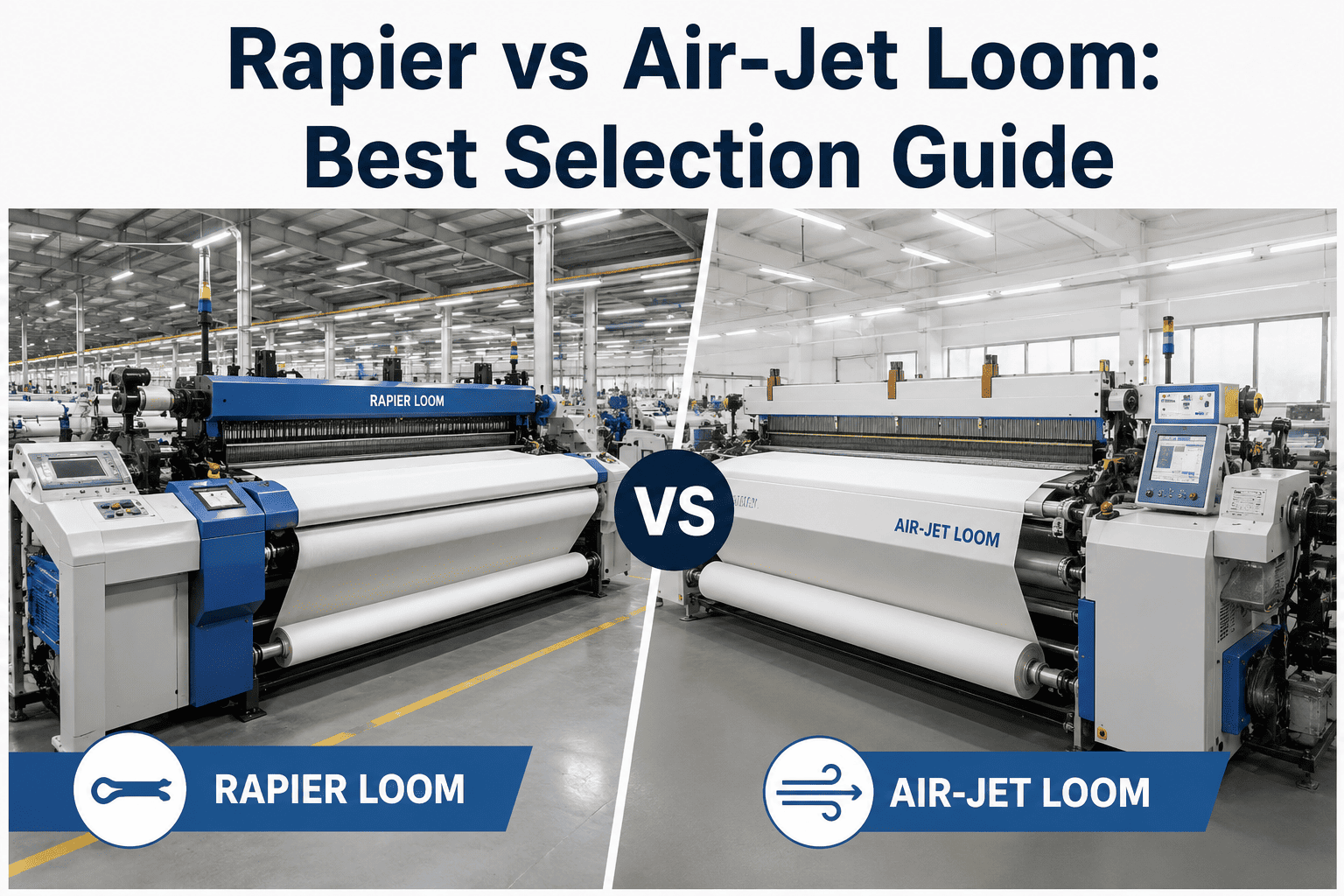
Choosing between a rapier loom and an air-jet loom is a ten-to-fifteen-year capital decision, not a spec-sheet checkbox — the wrong pick locks a mill into the wrong yarn range, the wrong fabric width, or an energy bill that erodes margin on every meter woven. Air-jet looms use compressed air to fire the weft across the shed and can push past 1,000 picks per minute on lightweight synthetics, while rapier looms use a mechanical tape-and-gripper system that runs slower but accepts almost any yarn — cotton, wool, silk, linen, and heavy blends — without the pressurized-air infrastructure air-jet demands. Neither machine is universally "better." The right choice depends on fabric weight range, yarn type, design-change frequency, and how a mill's cost-per-meter economics actually work once utilities, maintenance, and changeover time are counted. This guide breaks the decision down by mechanism, speed, yarn compatibility, fabric weight range, and total cost of ownership, and ends with a use-case matcher so a mill can match its own product mix to the right machine before signing a purchase order. Teams sizing a weaving line expansion can book a 30-minute demo to see how iFactory tracks loom-level OEE across mixed rapier and air-jet sheds.
Rapier Loom vs Air-Jet Loom — The Complete Selection Guide
Weft insertion mechanism, speed, yarn compatibility, fabric weight range, energy cost, and total cost per meter — compared side by side, with a use-case matcher to identify the right machine for a given fabric application before capital is committed.
Air-jet: highest throughput on lightweight-to-medium synthetics and blends (30–550 GSM), best for mass-market woven fabrics run in long, stable design cycles. Rapier: broadest yarn compatibility (cotton, wool, silk, linen, heavy blends up to 1,500 GSM), best for frequent design change, multi-color weft, and premium or appearance-critical fabrics. Most mills serving both segments run a mixed shed rather than standardizing on one machine.
How Each Machine Actually Inserts the Weft
The entire performance difference between these two looms traces back to one mechanical choice: how the weft yarn crosses the shed. Everything else in this comparison — speed, yarn range, energy profile, maintenance load — is a downstream consequence of that one design decision.
Air-Jet Insertion
A main nozzle fires a burst of compressed air that carries the weft yarn across the shed, with relay nozzles positioned along the reed reinforcing the air stream so the yarn maintains velocity across the full fabric width. There is no physical carrier touching the yarn mid-flight, which reduces mechanical friction and vibration at the weft level and is the reason air-jet can reach such high insertion speeds.
Rapier Insertion
A rapier loom uses a rapier belt and yarn clamp to actively carry the weft yarn across the shed, rather than relying on a jet or a projectile. One rapier head brings the weft to the fabric centre and a second head receives it, giving the system positive mechanical control over the yarn from pick to pick regardless of yarn type.
That single distinction — air stream versus mechanical carrier — is why rapier can grip and place a coarse, hairy, or brittle yarn that would break or tangle inside an air-jet's nozzle system, while air-jet can run a smooth, tightly-spun synthetic yarn at a velocity no mechanical carrier could match.
Speed: The Headline Number Everyone Asks About
Speed is the first question every mill owner asks, and it is also the most misleading number if read alone — a loom's rated top speed only matters if the fabric being run can actually sustain it without excessive stops for yarn breaks or quality faults.
On paper, air-jet runs roughly double the rapier's picks-per-minute rate at the same reed width. In practice, that gap narrows or widens depending on the fabric. Top-tier rapier models now reach weft insertion rates of 1,000 to 1,400 metres per minute, which closes much of the effective throughput gap on wider or heavier constructions where air-jet loses efficiency because the air stream has to travel further and hold the yarn straight over a longer span. The honest comparison is not "which number is bigger" but "which speed is sustainable on this specific fabric without a stop-rate penalty that erases the speed advantage."
Yarn Compatibility — Where the Real Decision Usually Gets Made
More mills choose the wrong loom on yarn compatibility than on any other factor, because a machine that runs beautifully on the sample yarn in a vendor demo can behave very differently on the actual yarn lots a mill buys at production volume, with normal variation in twist, hairiness, and count.
Both machines handle clean, low-hairiness combed cotton well at fine counts. Air-jet typically wins on cost-per-meter here because of its speed advantage on this yarn type.
Rapier looms are widely used across yarn-dyed, toweling, and heavier cotton segments precisely because carded, coarser yarn with higher hairiness resists clean air-jet transport without added stops for weft breaks.
Silk is brittle and typically carries low twist, which makes it a poor match for the aggressive air stream inside an air-jet loom — rapier's gentler mechanical carry is the standard choice for silk weaving.
Rapier looms serve the silk, wool, and flax segments broadly because these fibers carry natural irregularities in diameter and hairiness that a mechanical carrier tolerates far better than an air stream does.
Air-jet adapts especially well to high-count, high-density synthetic and man-made fiber fabrics, which is why most mass-market shirting, lining, and technical synthetic fabric runs on air-jet sheds worldwide.
Rapier looms have a distinct advantage in multi-color weaving, supporting up to sixteen color wefts in a single fabric — a capability air-jet's single or dual air-tank systems cannot match without major added cost.
Fabric Weight Range — The Number That Rules Out One Machine Fast
Before speed or yarn type is even considered, fabric weight range alone eliminates one machine for most mills, because this is the constraint with almost no exceptions.
A mill weaving denim, upholstery, canvas, technical heavy fabrics, or industrial textiles above roughly 550 GSM has effectively no air-jet option — this decision is made by the fabric weight target alone, before any other variable is compared.
Fabric Width Capacity and Design Flexibility
Width capacity and how quickly a machine switches between fabric designs are the two factors that separate mills running long, stable production orders from mills that live on frequent style change.
Width Range
Rapier looms are manufactured across a very wide capacity range, from narrow machines under 100 cm to extra-wide configurations exceeding 360 cm, giving a mill room to standardize one platform across narrow home-textile fabric and extra-wide sheeting on the same shed floor.
Design Change Speed
Modern rapier looms fitted with electronic dobby or jacquard attachments allow precise pattern programming, so a mill can switch between fabric designs quickly without the mechanical re-tooling that older cam-driven systems required.
Selvedge and Appearance
Rapier supports cut, tucked-in, or true selvedge with strong surface aesthetics for complex weaves, while air-jet typically produces a clean tucked-in or leno selvedge suited to high-volume, appearance-consistent basics.
Energy Cost — The Expense That Doesn't Show Up on the Machine Price Tag
Energy cost is where mills most often get surprised after the purchase, because the operating cost difference between these two machines is structural, not incidental — it comes from what each machine fundamentally needs to run.
Air-jet looms rely on compressed air, which requires dryers, filters, and pressure regulators as supporting infrastructure, and air leakage across the shed floor can dramatically increase running costs — the compressor room is frequently the single largest electricity consumer in an air-jet mill.
Rapier draws its main load from the mechanical drive rather than a compressed-air system, avoiding the compressor, dryer, and filter infrastructure entirely — the trade-off is more moving mechanical parts that require scheduled inspection and eventual replacement.
Maintenance, Labor Skill, and Machine Life
Rapier mechanical components — the rapier tapes and grippers — require regular inspection and replacement, and carry higher maintenance costs than simpler shuttle-based systems, but this maintenance is predictable and handled by mechanically-trained loom fitters already common in most weaving mills. Air-jet maintenance shifts toward pneumatic system upkeep — nozzle wear, filter replacement, and compressor servicing — which requires either training existing staff on pneumatics or hiring specialized technicians. Neither maintenance profile is objectively harder; the deciding factor is which skill set a mill's existing workforce already has, since retraining an entire maintenance team is its own hidden cost during the first year of operation.
Cost Per Meter — Running the Real Numbers
The only number that ultimately matters for profitability is landed cost per meter of finished fabric, and that number depends on machine speed, uptime, yarn cost, energy cost, and labor — not the headline speed rating alone.
| Cost Factor | Air-Jet | Rapier |
|---|---|---|
| Capital Cost | Moderate–High | Moderate |
| Energy Cost per Meter | Higher (compressed air) | Lower (mechanical drive) |
| Yarn Cost Flexibility | Limited to compatible yarns | Wide — sources cheaper yarn grades |
| Design Change Cost | Higher (longer changeover) | Lower (electronic dobby/jacquard) |
| Maintenance Cost | Pneumatic system upkeep | Mechanical part replacement |
| Best Cost Position | Long, stable, high-volume runs | Frequent design change, premium fabric |
Use-Case Matcher — Match Your Fabric Application to the Right Machine
Reading every section above and still unsure which machine fits a specific product mix is normal — most mills serve more than one fabric segment. This matcher condenses the decision to the variable that matters most for each common application.
Long, stable design cycles, lightweight-to-medium synthetic and cotton blends, and volume-driven economics favor air-jet's throughput advantage.
Fabric weight above roughly 550 GSM rules out air-jet almost entirely; rapier is the practical default for heavy constructions.
Brittle or low-twist natural fibers need the gentler mechanical carry rapier provides rather than an aggressive air stream.
Electronic dobby and jacquard attachments let rapier switch designs quickly, matching short fashion cycles without major re-tooling.
Support for up to sixteen color wefts makes rapier the standard for yarn-dyed and check/stripe fabric programs.
High-count, high-density synthetic constructions suit air-jet's speed and consistency at scale.
Most profitable mills don't pick one machine — they mix the shed.
A common pattern among mills serving both mass-market and premium segments is running air-jet lines for volume basics and rapier lines for design-flexible or heavy fabric — aligning each machine with the fabric segment where its economics actually win, rather than standardizing the whole floor on one platform. iFactory's OEE module tracks both machine types side by side, flagging speed loss, stop causes, and yarn-related downtime by loom type so a mixed shed can be managed as one production system instead of two disconnected ones.
Frequently Asked Questions
Is air-jet always faster than rapier in real production, not just on paper?
On the rated speed sheet, yes — a 190 cm air-jet loom can reach roughly 1,200 rpm against roughly 600 rpm for a comparable rapier loom. But rated speed is not the same as effective throughput. Air-jet's stop rate rises on hairier or less uniform yarn, and every stop for a weft break erases part of the speed advantage. On yarns air-jet handles cleanly — fine, smooth synthetics and combed cotton — the real-world gap holds close to the rated numbers. On coarser or more irregular yarn, a well-tuned rapier line can close much of that gap because it stops far less often. The honest way to compare two machines is stop-adjusted output over a full shift, not the headline rpm figure. Book a demo to see stop-rate and effective-speed tracking by loom type.
Can a rapier loom be converted to air-jet later, or vice versa?
No — the weft insertion system is a structural part of the machine frame and drive train, not a swappable module. An air-jet loom's frame is built around its air-manifold and nozzle timing system; a rapier loom's frame is built around its rapier drive and gripper mechanism. Converting one to the other would mean replacing the majority of the machine's core structure, which costs more than simply buying the correct machine outright. This is exactly why the yarn compatibility and fabric weight sections above matter before signing a purchase order — the decision is effectively permanent for the life of that machine, typically ten to fifteen years of production use. Contact iFactory Support for help modeling a ten-year fabric roadmap against loom purchase decisions.
Which machine has the better resale value?
Rapier looms generally hold resale value more consistently because their broader yarn compatibility means a wider pool of potential buyers — a used rapier loom can serve a cotton mill, a silk weaver, or a yarn-dyed shirting unit equally well. A used air-jet loom's resale pool is narrower because the next buyer must have a fabric program that matches air-jet's yarn and weight constraints, and must also have or be willing to build compressed-air infrastructure. That said, air-jet looms in good mechanical condition serving high-volume basics segments do move reasonably well in markets with strong demand for mass-production capacity. Age, pick count on the clock, and condition of the compressor or rapier tape system matter more to resale value than machine type alone.
How much does compressed-air infrastructure add to an air-jet loom's real cost?
Compressed air infrastructure for an air-jet shed includes dryers, filters, and pressure regulators, and the compressor room is often the largest single electricity consumer in the entire mill. Beyond the compressor itself, ongoing costs include filter replacement, dryer maintenance, and — critically — air leakage across the shed floor, which is easy to underestimate during initial cost modeling and tends to grow as pipe fittings and nozzles age. A mill quoting only the loom's sticker price without pricing out the compressor room, ductwork, and ongoing leakage losses is comparing an incomplete number against rapier's simpler mechanical-drive cost structure. Always request a fully loaded utility cost estimate, not just the compressor unit price, when evaluating an air-jet purchase.
Our mill runs both basics and premium fabric — do we need two separate sheds?
Not necessarily two separate facilities, but two machine types under one roof is the common and often most profitable answer for mills with a mixed product mix. Many mills run air-jet lines for stable, high-volume basics and rapier lines for design-flexible or heavier premium fabric on the same production floor, aligning each machine with the segment where its economics actually win rather than compromising both segments on one platform. The operational challenge is managing two different maintenance skill sets and two different OEE and stop-cause tracking systems side by side — which is precisely the kind of mixed-fleet visibility a production monitoring platform is built to solve. Book a demo to see how a mixed rapier and air-jet shed is tracked as one unified production view.
Loom selection is a ten-year bet. Make it with real stop-cause and OEE data, not a spec sheet.
iFactory tracks speed, stop causes, yarn-related downtime, and effective output separately for every loom on the shed floor — rapier or air-jet — so a mixed fleet is managed as one production system with one dashboard. A 30-minute demo builds a live view against your actual fabric mix and machine data.