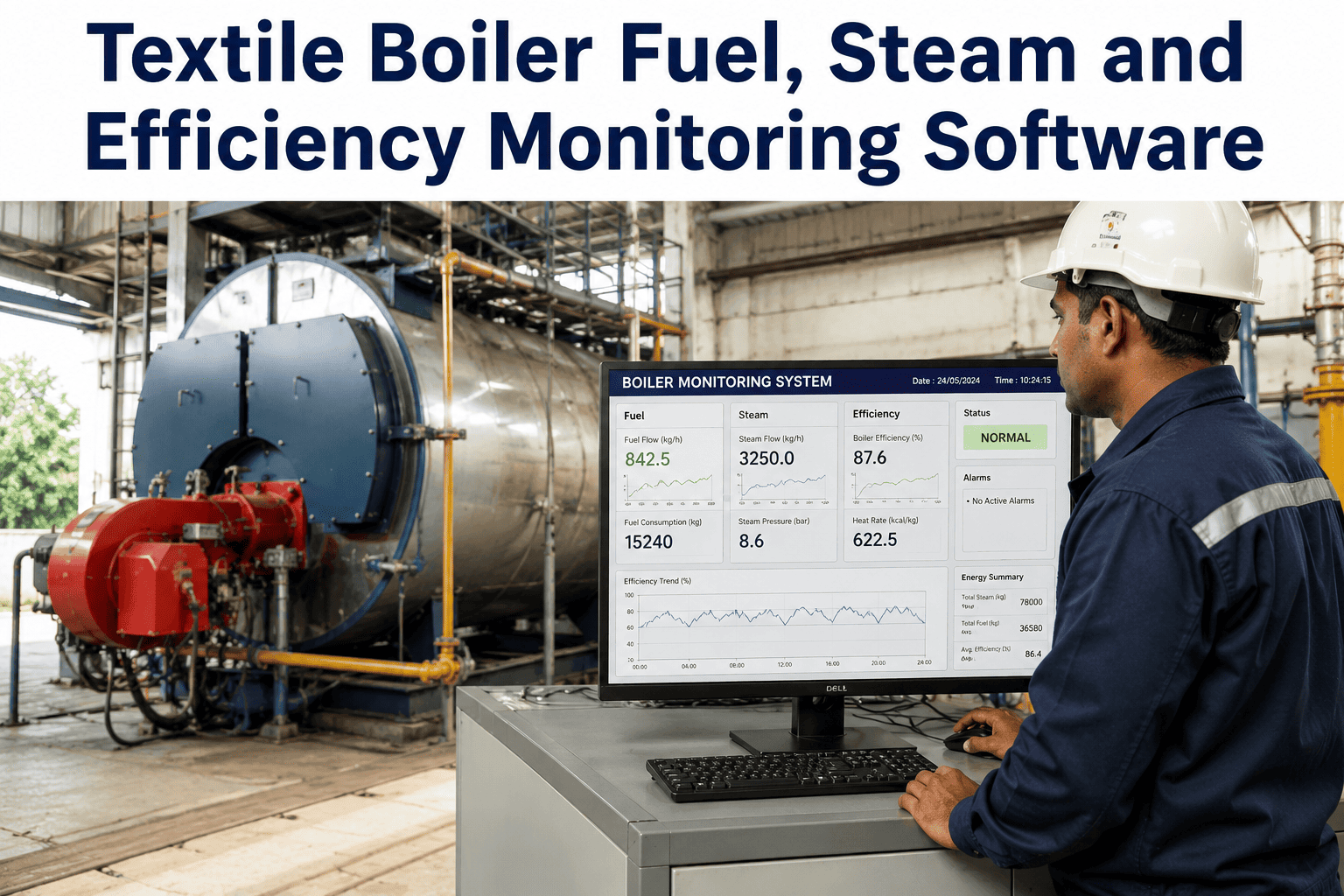
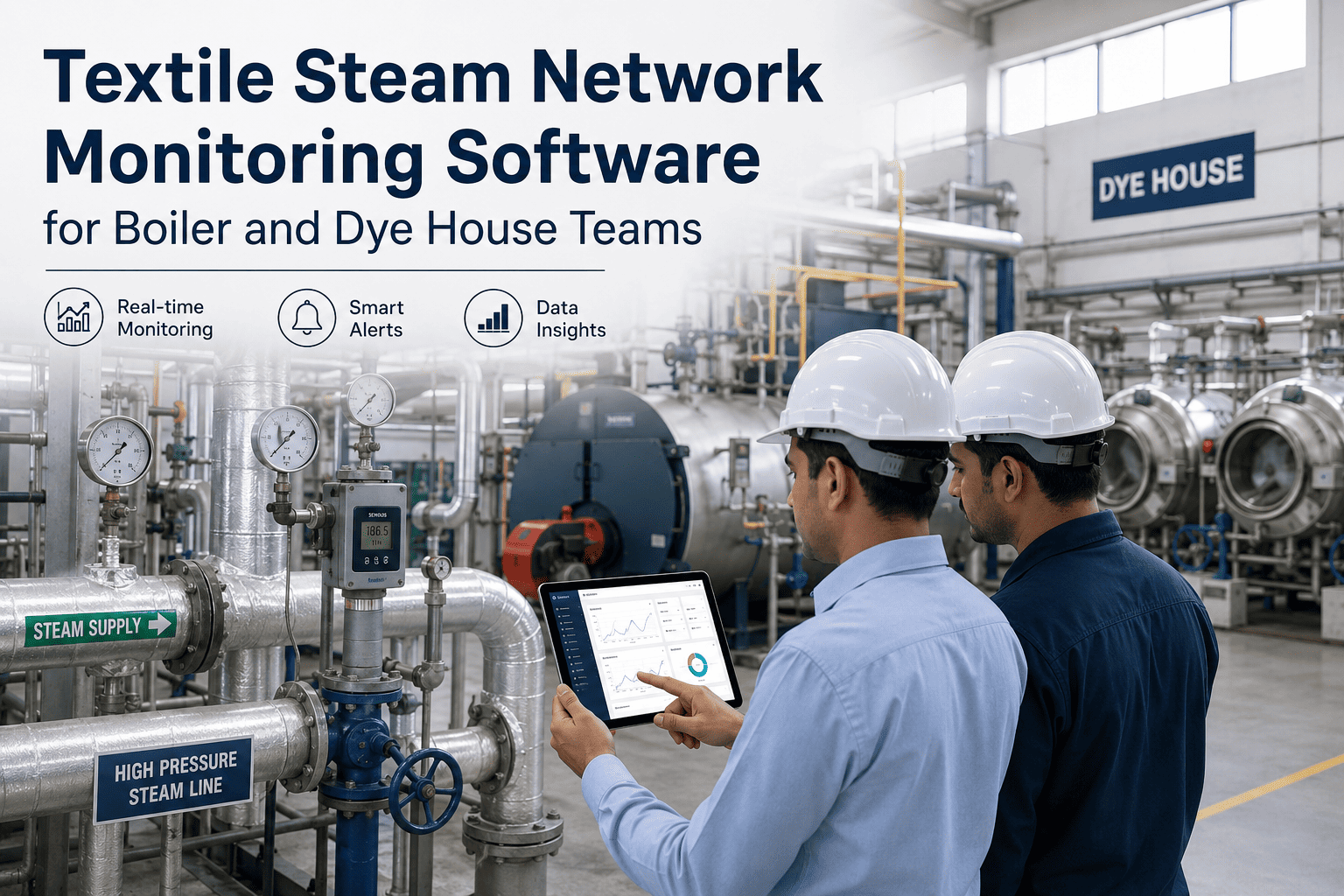
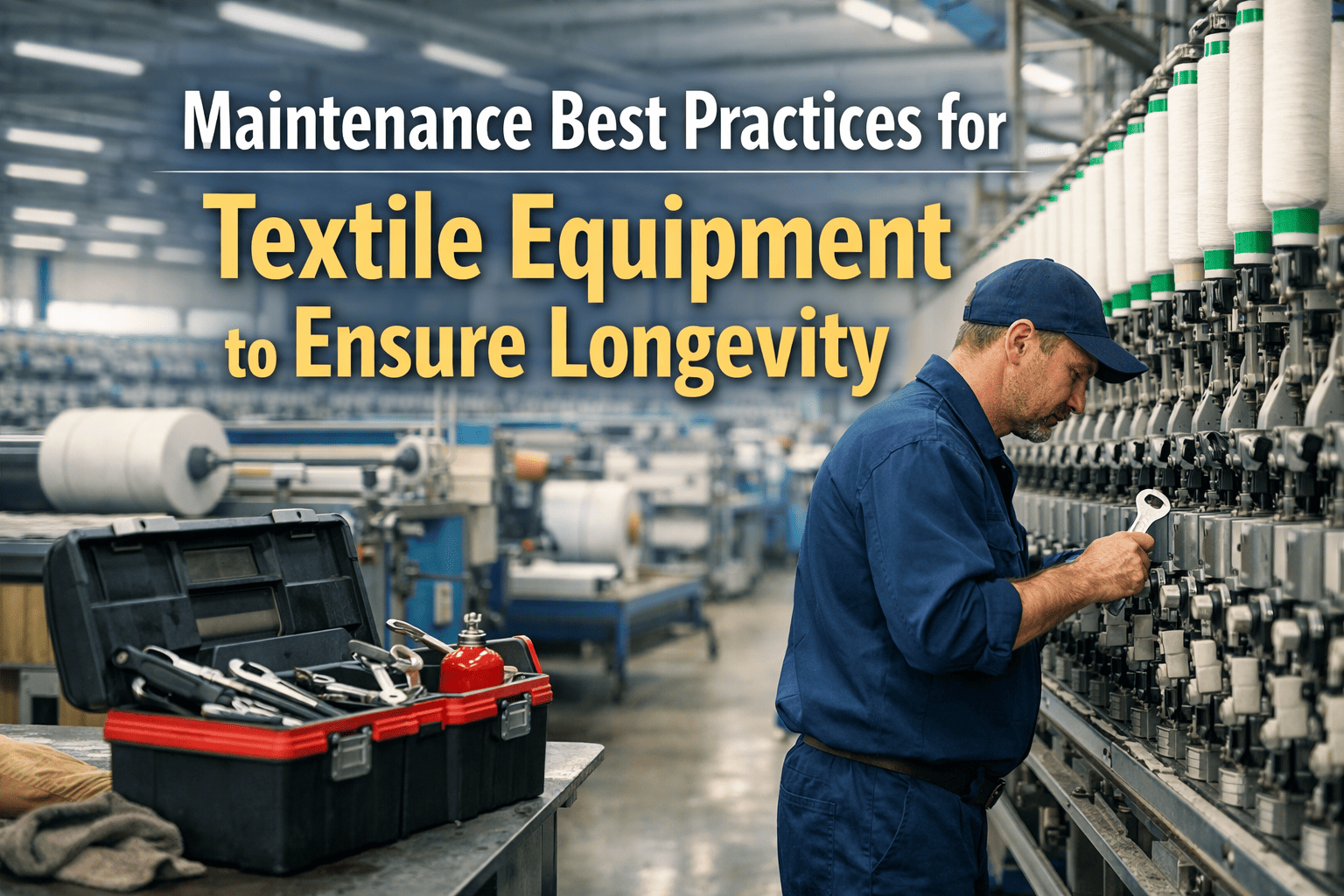
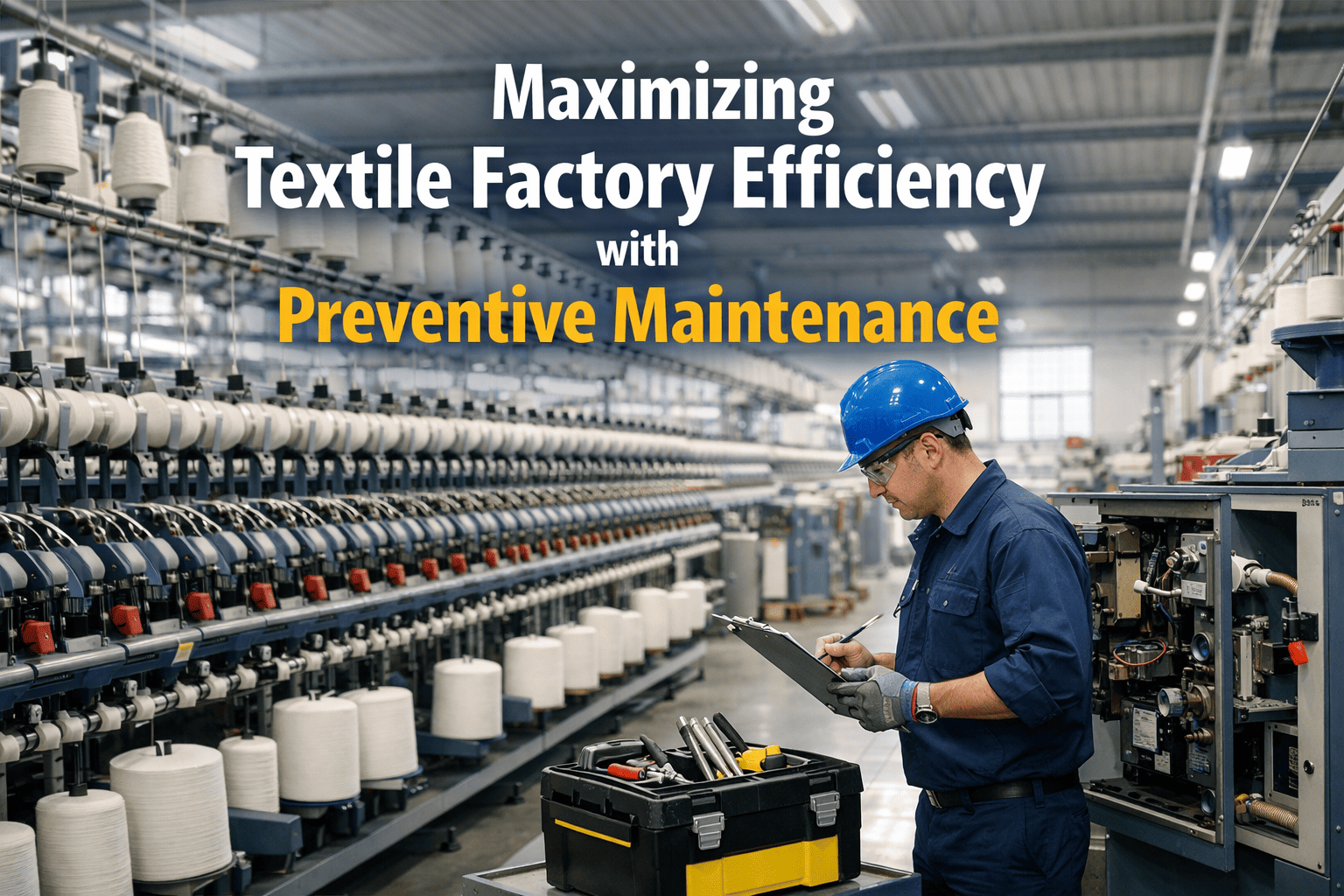
A boiler technician once described the moment scale buildup finally shows up on the fuel bill: efficiency has usually been sliding for months before anyone notices, because a boiler running at 85% efficiency instead of 92% doesn't trip an alarm — it just quietly burns more fuel every single shift until someone finally compares this quarter's gas bill to last year's and starts asking questions. Textile mill boilers run near-continuously to feed steam to dyeing, finishing, and drying processes, which means the tube fouling, safety valve drift, and burner inefficiency that would be caught quickly in an intermittent-use boiler can accumulate for a long time in a mill setting before it becomes visible. A disciplined maintenance schedule is what keeps that gap from ever opening in the first place, and it's exactly the kind of equipment reliability data iFactory's maintenance tracking platform is built to keep in front of your team.
Boiler Reliability & Safety
Textile Boiler Maintenance: Best Practices Guide
Tube cleaning, safety valve testing, burner servicing, and water treatment management that keeps mill boilers running at peak efficiency and full safety compliance.
Why Boiler Maintenance Discipline Matters More in Textile Mills
Textile mill boilers rarely get a break — dyeing, finishing, and drying processes pull steam near-continuously across multi-shift operations, which means the maintenance windows that other industries take for granted often have to be carved out of an already tight production schedule. That pressure is exactly why boiler maintenance tends to slip in textile settings more than almost anywhere else, and why the mills that stay disciplined about it see measurably better fuel efficiency and far fewer unplanned outages than the mills that let inspection intervals stretch when production demand is high.
Tube Cleaning
Scale and soot buildup on fire-side and water-side tube surfaces directly reduces heat transfer efficiency, forcing the boiler to burn more fuel to hold the same steam output.
Safety Valve Testing
Relief valves that stick or drift out of calibration are one of the most serious safety risks in a boiler room, and regular lift testing is non-negotiable regardless of production pressure.
Burner Servicing
Combustion efficiency drifts as burner nozzles wear and air-fuel ratios shift out of tune, quietly increasing fuel consumption long before it shows up as a visible problem.
Water Treatment
Poor feedwater treatment accelerates scale formation and corrosion, turning what should be a manageable maintenance item into a much larger tube replacement cost down the line.
Maintenance Interval Schedule
The schedule below reflects general best-practice intervals for mid-size industrial textile boilers running near-continuous multi-shift operation. Actual intervals should always be adjusted against your specific boiler manufacturer's recommendations, local regulatory inspection requirements, and observed fouling or wear rates from your own maintenance history.
| Maintenance Task | Recommended Interval | Why It Matters |
|---|
| Fire-side tube cleaning | Monthly to quarterly | Soot layer as thin as 3mm can reduce heat transfer efficiency by several percentage points |
| Water-side tube inspection | Quarterly to semi-annual | Scale buildup insulates tubes and can lead to localized overheating and tube failure |
| Safety valve lift test | Monthly, plus annual full test | Confirms the valve actually releases at set pressure rather than sticking under load |
| Burner combustion tune-up | Quarterly | Restores air-fuel ratio to optimal range as nozzles and linkages wear over time |
| Feedwater treatment audit | Weekly water chemistry check | Prevents scale and corrosion before they require costly tube-level intervention |
| Full internal inspection | Annual, per regulatory requirement | Statutory requirement in most jurisdictions and the primary safety compliance checkpoint |
Never Miss an Interval Again
Track Every Boiler Maintenance Task Automatically
Production pressure is the number one reason boiler maintenance intervals slip. A live tracking system keeps every interval visible regardless of how busy the shift schedule gets.
The Tube Fouling Efficiency Curve
Scale and soot don't build up evenly across a boiler's service life — the efficiency loss accelerates the longer cleaning intervals are pushed back, which is exactly why deferring a scheduled cleaning to accommodate production rarely saves the money it appears to on paper. Understanding this curve is what makes the case for holding the maintenance schedule firm even during high-demand production periods.
0-1mm
Scale buildup
Under 2% efficiency loss
1-3mm
Scale buildup
5-8% efficiency loss
3-6mm
Scale buildup
12-18% efficiency loss
6mm+
Scale buildup
20%+ loss, tube failure risk rises sharply
Safety Valve Testing: The Non-Negotiable Checklist
Every other maintenance item on this page can be scheduled around production convenience to some degree, but safety valve testing cannot — a stuck or miscalibrated relief valve is a direct threat to personnel and equipment that no production deadline justifies delaying. The checklist below covers the core verification points that should never be skipped, regardless of how tight the production schedule is that week.
✓
Visual inspection for corrosion, leakage, or damage to the valve body before every lift test
✓
Confirm the valve lifts at the correct set pressure and reseats cleanly without chattering
✓
Verify discharge piping is unobstructed and properly supported to handle full relief flow
✓
Document every test result with date, technician, and set pressure for the compliance record
✓
Escalate any valve that fails to lift cleanly for immediate replacement, not just recalibration
Frequently Asked Questions
How much fuel efficiency can we realistically recover with a disciplined maintenance schedule?
Mills that move from a reactive or frequently-delayed maintenance approach to a consistently held schedule commonly recover somewhere in the 8-to-15% fuel efficiency range, primarily by preventing the tube fouling and combustion drift that accumulate silently between inspections. The exact recovery depends heavily on how deferred your current schedule has become and your specific water quality and fuel type.
Talk to our team for a more specific estimate based on your boiler's current condition.
Can we extend cleaning intervals if our water treatment program is already strong?
Good feedwater treatment does slow scale formation and can support somewhat longer intervals between water-side cleanings, but fire-side soot buildup is largely independent of water chemistry and follows its own accumulation rate based on fuel type and combustion quality. Extending intervals should always be based on actual measured fouling data from your own boiler rather than an assumption that good water treatment alone eliminates the need for scheduled cleaning.
Book a walkthrough to see how interval optimization works against your specific water and fuel profile.
What's the biggest maintenance mistake mills make with continuous-run boilers?
The most common mistake is treating maintenance intervals as flexible around production demand, repeatedly pushing a scheduled cleaning or inspection back by a week or two to avoid a production interruption, until those small delays compound into a materially degraded boiler condition. Holding the schedule firm and planning production around it, rather than the reverse, is consistently what separates mills with strong boiler reliability from mills dealing with recurring unplanned outages.
Reach out to our team for guidance on building a maintenance schedule that survives production pressure.
How do we track maintenance compliance across multiple boilers without it becoming a paperwork burden?
A digital maintenance tracking system that logs each task against its due interval and flags overdue items automatically removes the manual paperwork burden that causes most compliance tracking to fall apart in busy mills, while also producing the documented record regulators and insurers expect to see during inspection. This is especially valuable across multiple boiler units where manually tracking staggered intervals by hand becomes genuinely difficult to manage reliably.
Book a demo to see how multi-unit tracking works in practice.
What regulatory documentation is typically required for boiler safety compliance?
Requirements vary by jurisdiction, but most regions require documented annual internal inspection by a certified inspector, logged safety valve test results, and maintained operating logs demonstrating the boiler is being run within its rated parameters. Because requirements differ significantly by location and boiler classification, mills should confirm the specific documentation standard with their local regulatory authority rather than relying on a generic checklist.
Talk to our team about how to keep this documentation organized and audit-ready.
Ready to Lock In Your Maintenance Schedule?
Keep Every Boiler Task On Schedule, Automatically
Share your current boiler count and maintenance process, and we'll show you how to keep every interval visible and on track without adding paperwork to your team's day.