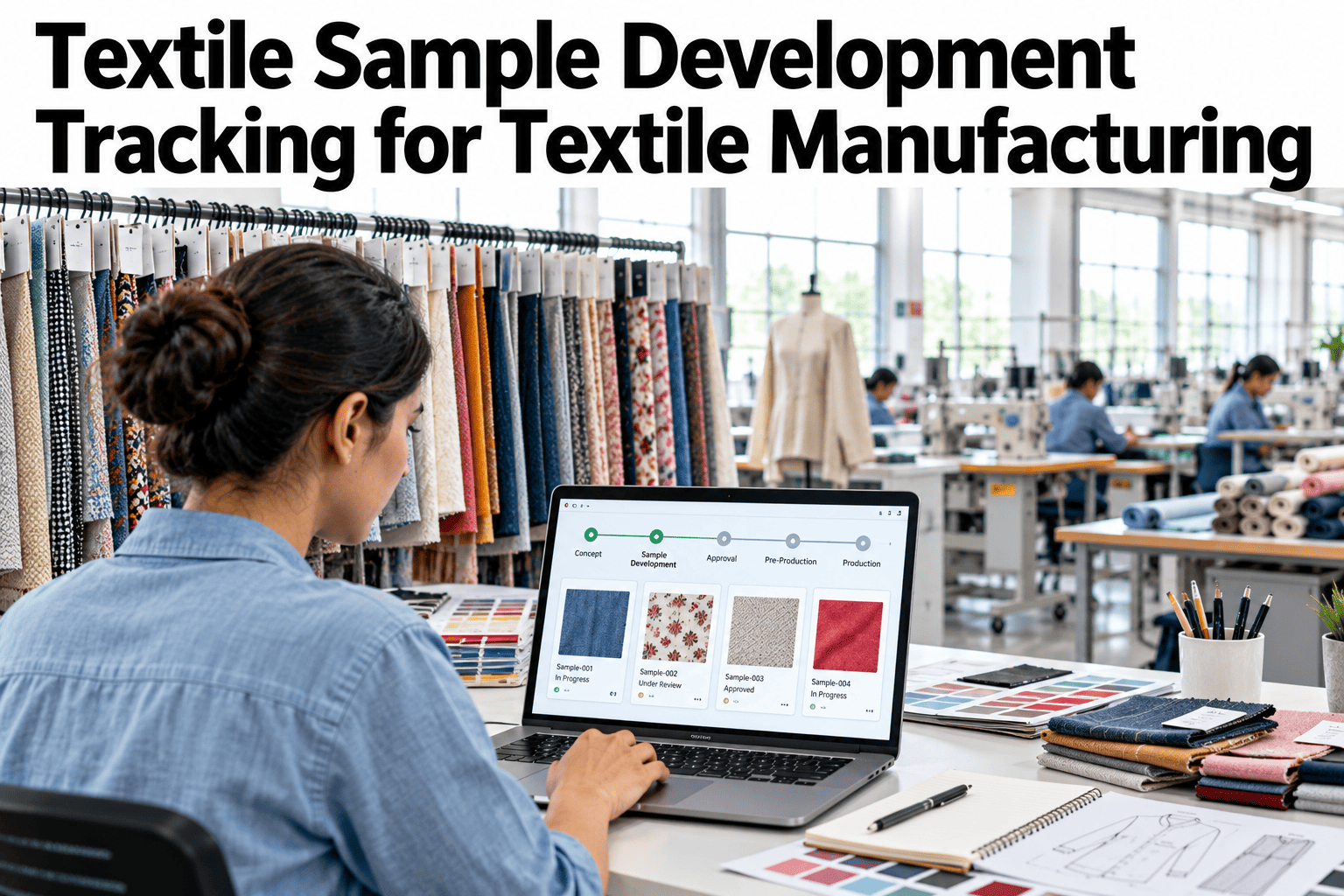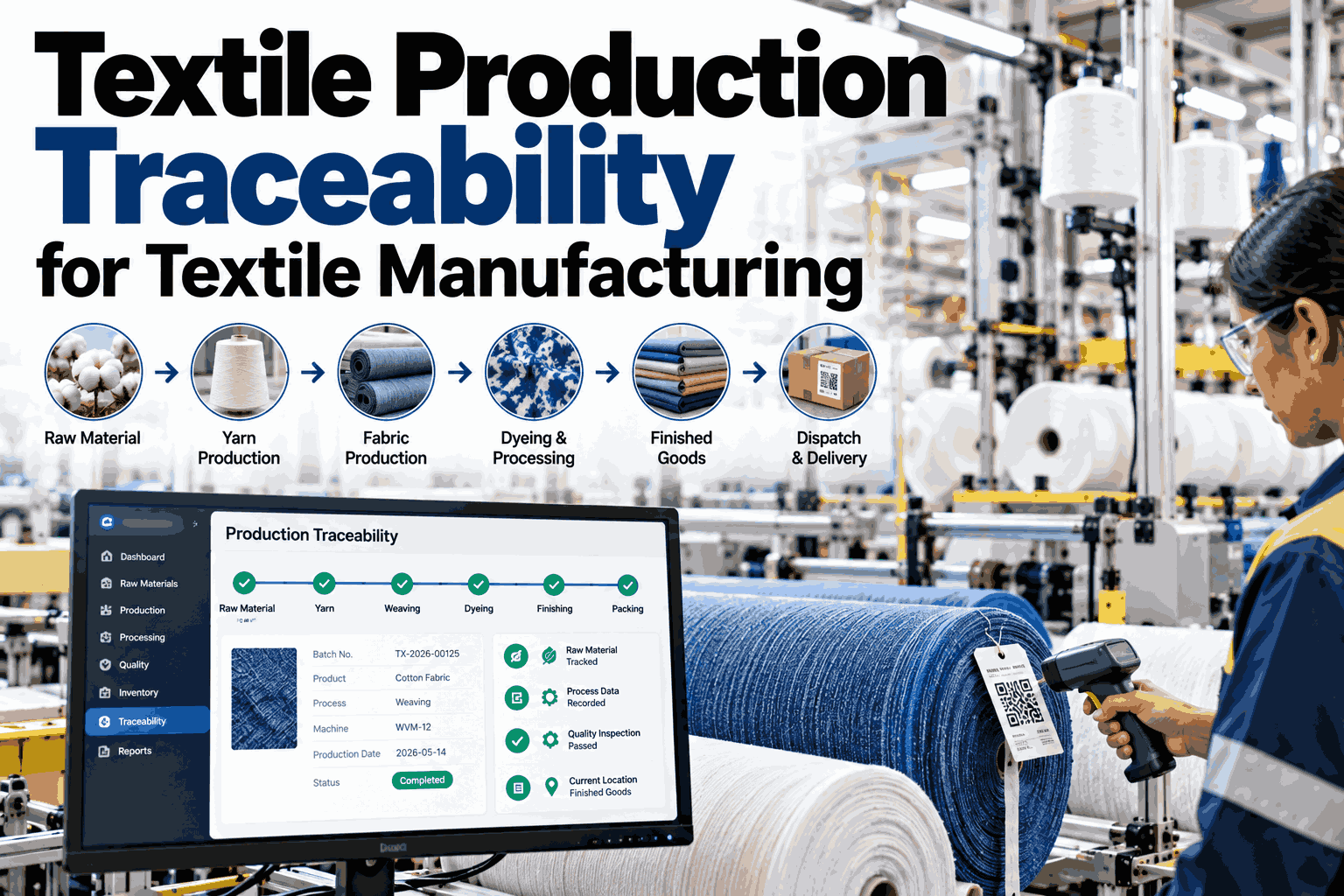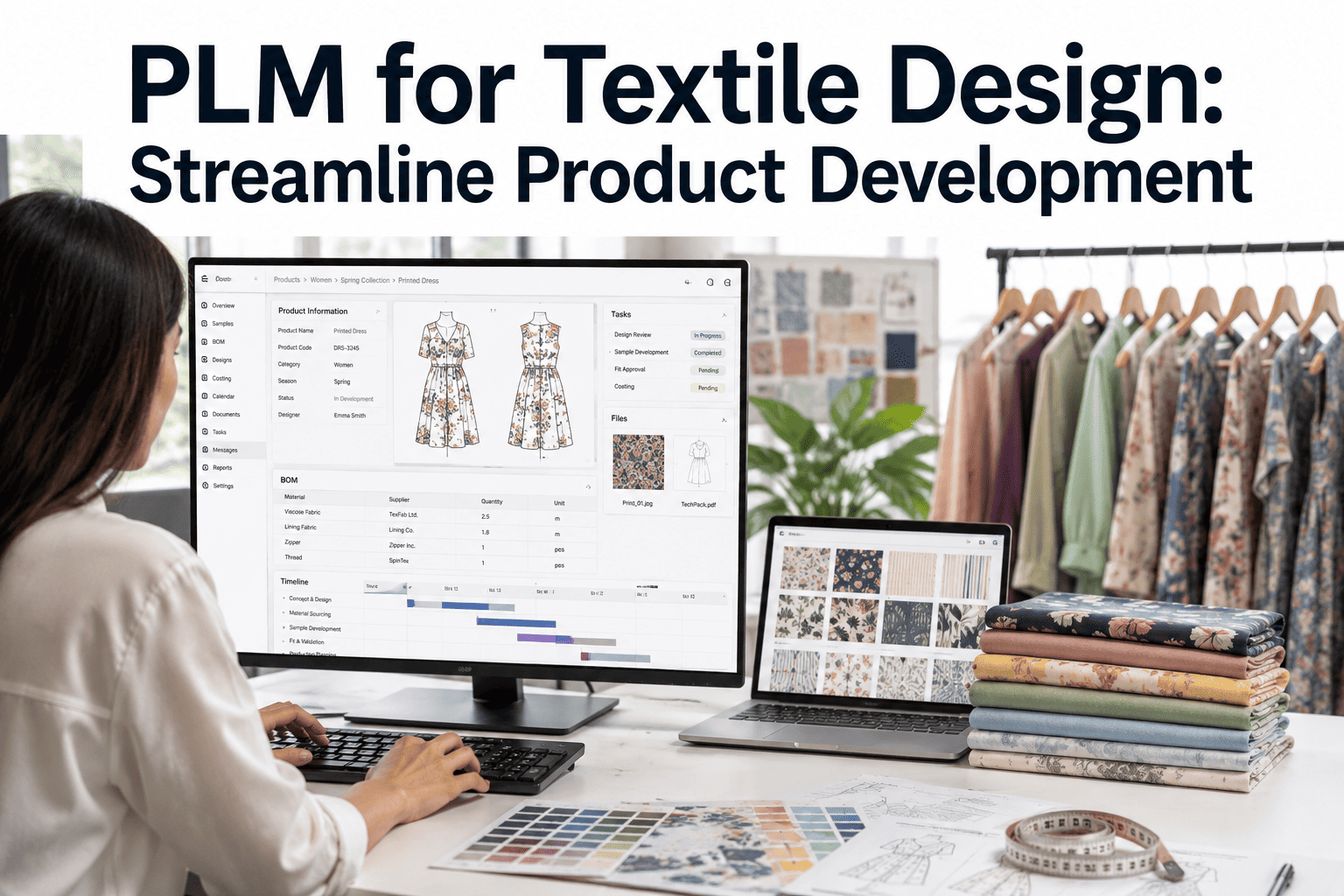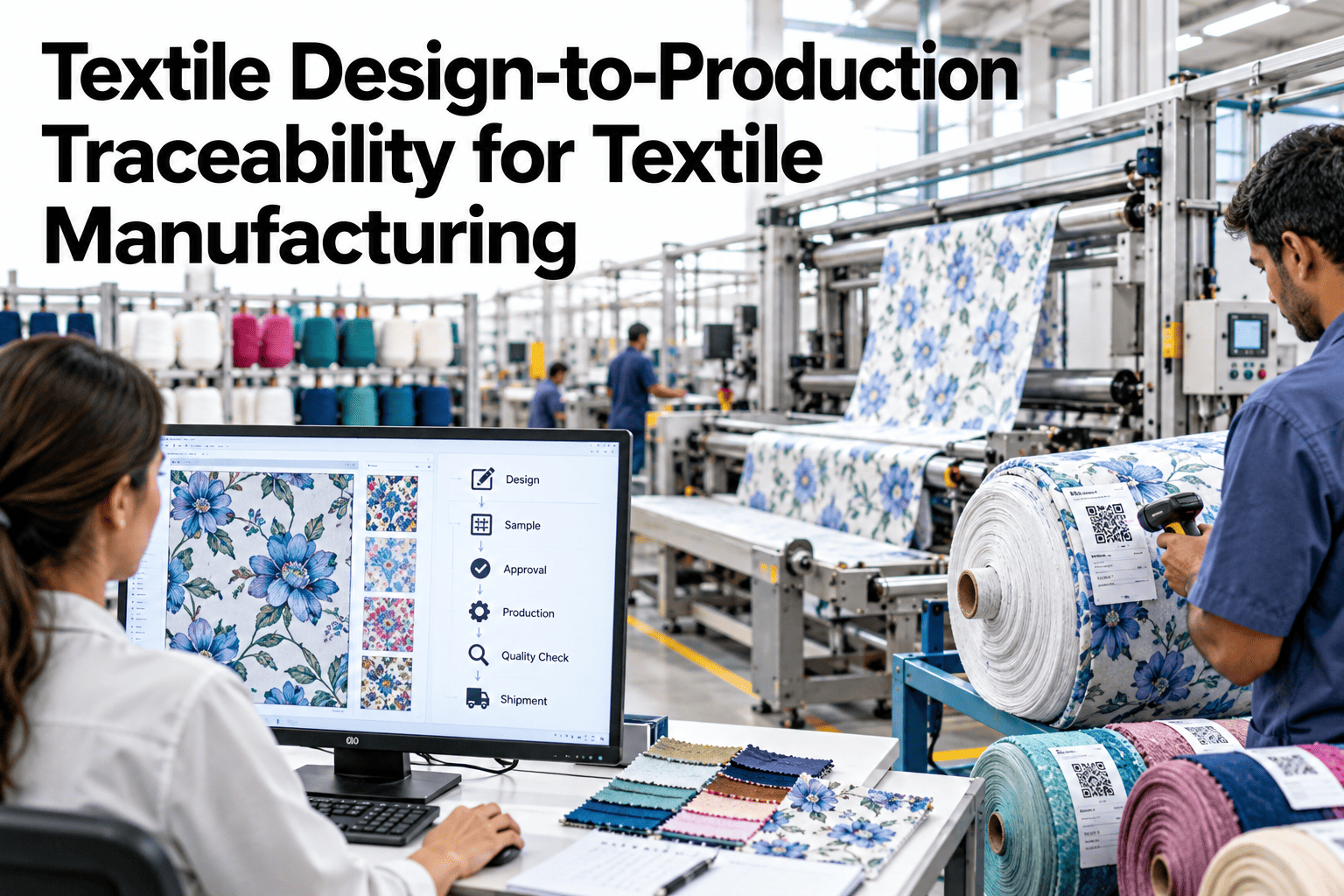
When a quality issue shows up on a finished garment, the first question is always the same, which decision back in development actually caused it. Was it a fabric substitution during sampling, a pattern grading change nobody flagged, or a spec detail that got lost between the approved sample and the production cut order. Without a connected record linking design decisions through to the production floor, answering that question honestly can take days of digging through old emails and hoping someone remembers correctly. Design-to-production traceability keeps every decision tied to the style record permanently, so the answer is a search away instead of a guessing exercise, and if you want to see how that trace looks on a real style with a few revisions behind it, you can walk through a traceability example with our team.
Trace Any Production Issue Back to the Exact Decision That Caused It
A connected record linking every design, pattern, and sample decision through to the production floor, so a quality question gets answered with a search instead of a week of digging.
Why Tracing a Decision Back Usually Takes So Long
Each development stage tends to keep its own separate records, which means a question that crosses stages has no single place to be answered from.
What a Traceable Record Actually Connects
Each stage of development generates its own documents, but traceability means every one of them stays linked back to the same style thread.
| Stage | Record linked | What it answers later |
|---|---|---|
| Design | Concept brief and fabric selection | What was originally specified before any changes |
| Pattern | Pattern version and grading rules used | Which exact pattern version matches the approved sample |
| Sample | Approved sample round and fit sign-off | What was actually approved for production, not just intended |
| Production | Cut order and fabric lot used | Whether the production run actually matched the approved spec |
When every one of these stays linked, a quality issue traced to production can be checked against the approved sample and pattern in minutes rather than days.
How a Traced Quality Issue Actually Gets Resolved
A connected trail turns an open-ended investigation into a short, specific sequence of checks against the linked record.
Trace a Recent Quality Issue Against Your Own Records
Bring a real style and a recent issue, and we will show how a connected trail would have surfaced the cause faster.
What Traceability Is Good for Beyond Fixing Issues
A connected design-to-production record is not only useful when something goes wrong, it also supports work that happens routinely across a season.
What iFactory Textile Specialists See Across Traceability Reviews
iFactory textile specialists who have reviewed quality issues across multiple brands find that the majority of traced issues come down to a verbally agreed change that was never formally logged against the style record, not a deliberate shortcut or oversight.
Their consistent recommendation is to make logging a change part of the same action that makes it, such as tying a fabric substitution directly to the sample approval screen, rather than treating documentation as a separate step someone has to remember to do afterward.
What Quality and Production Teams Ask About Traceability
Bring Connected Traceability to Your Development Process
Book a session with iFactory AI to see design, pattern, sample, and production records linked together on your own styles.