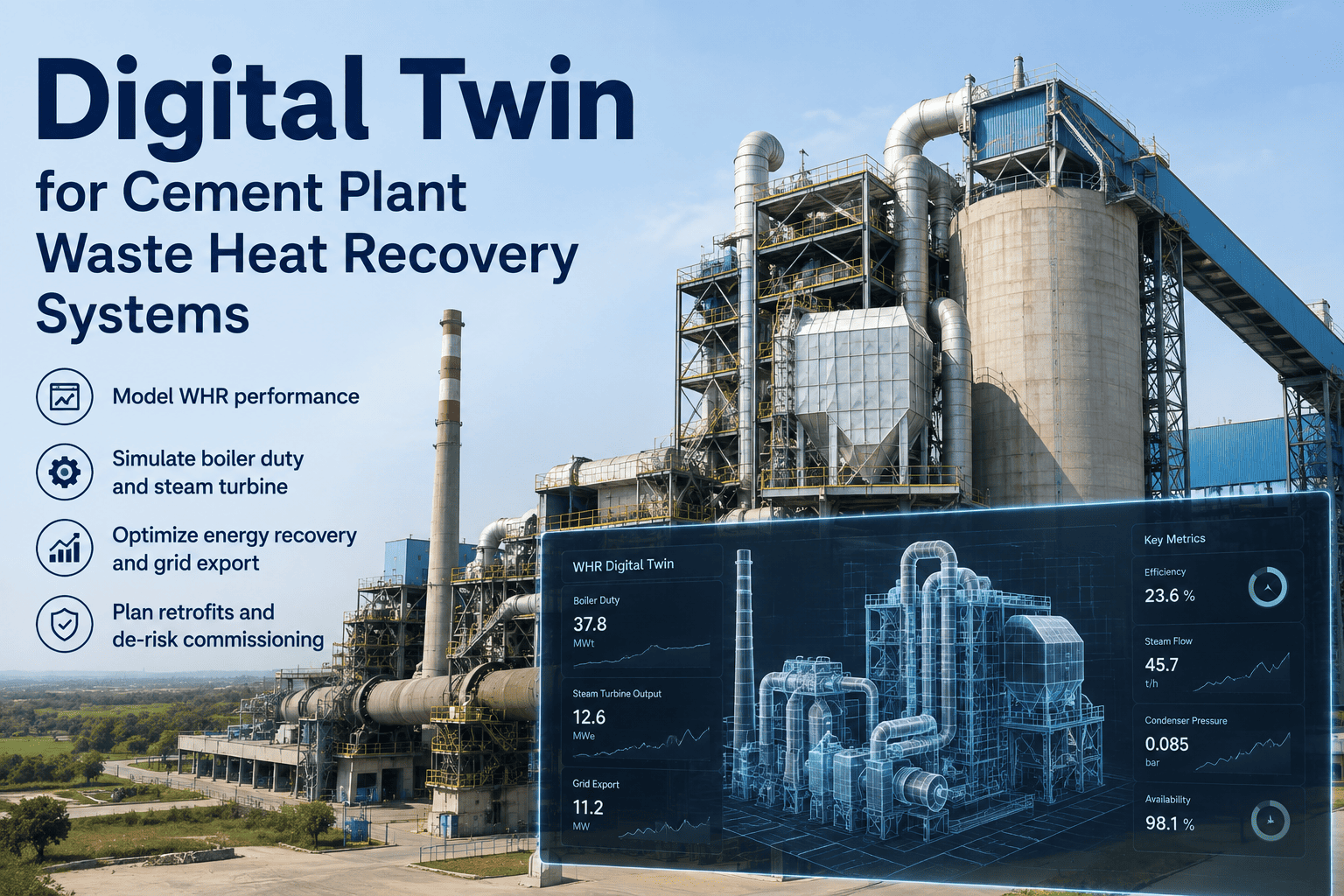
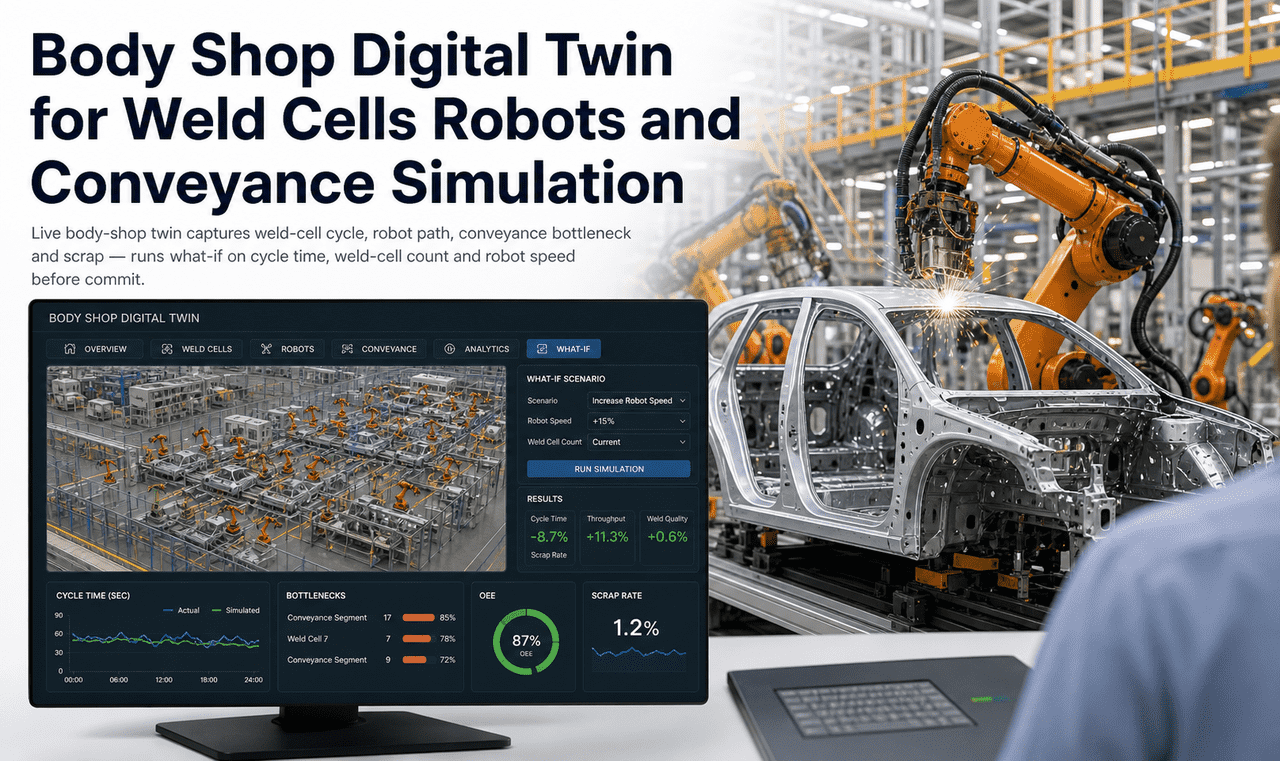
Digital Twin for Calciner Combustion & Fuel Injection
By Jackson T on August 26, 2026
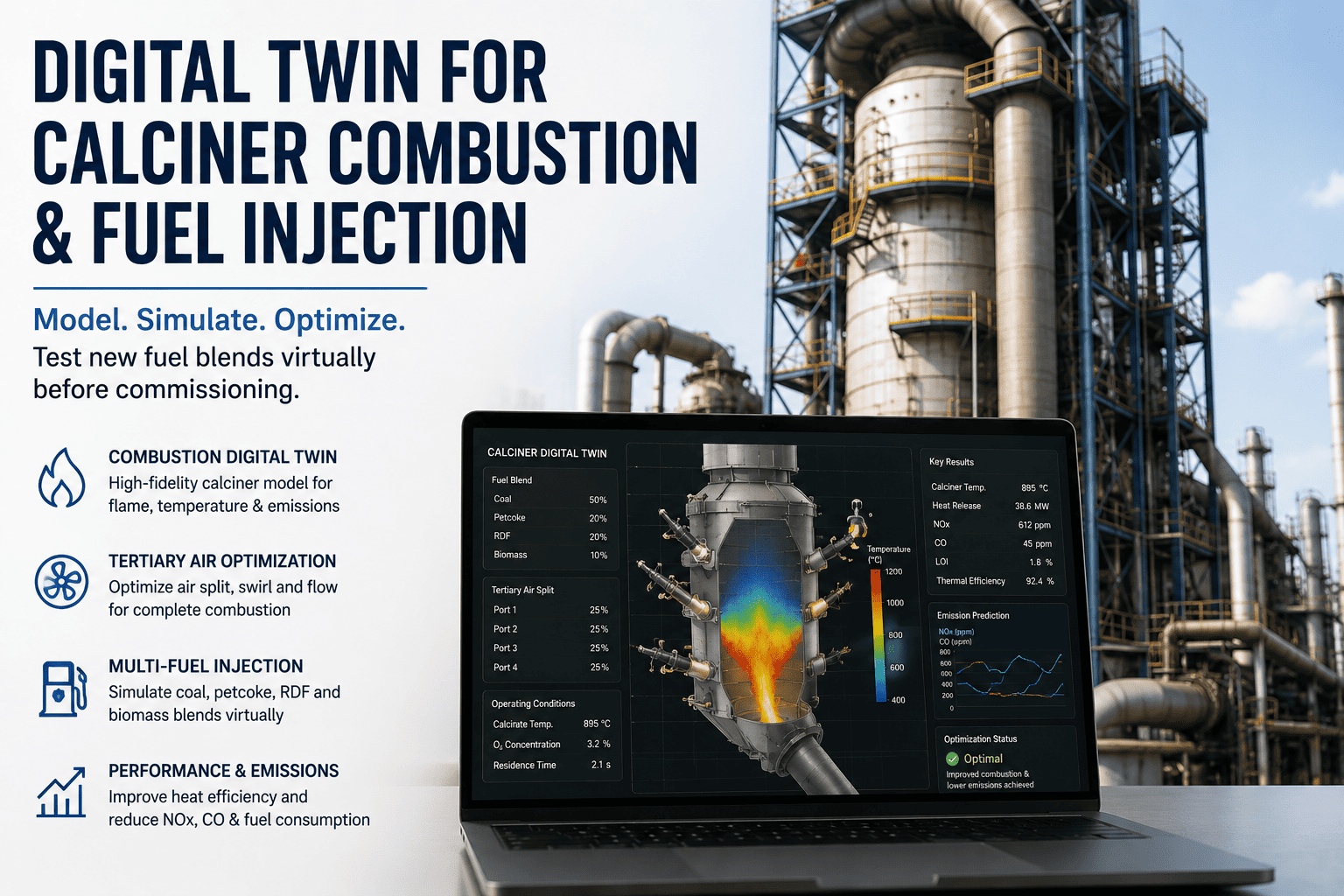
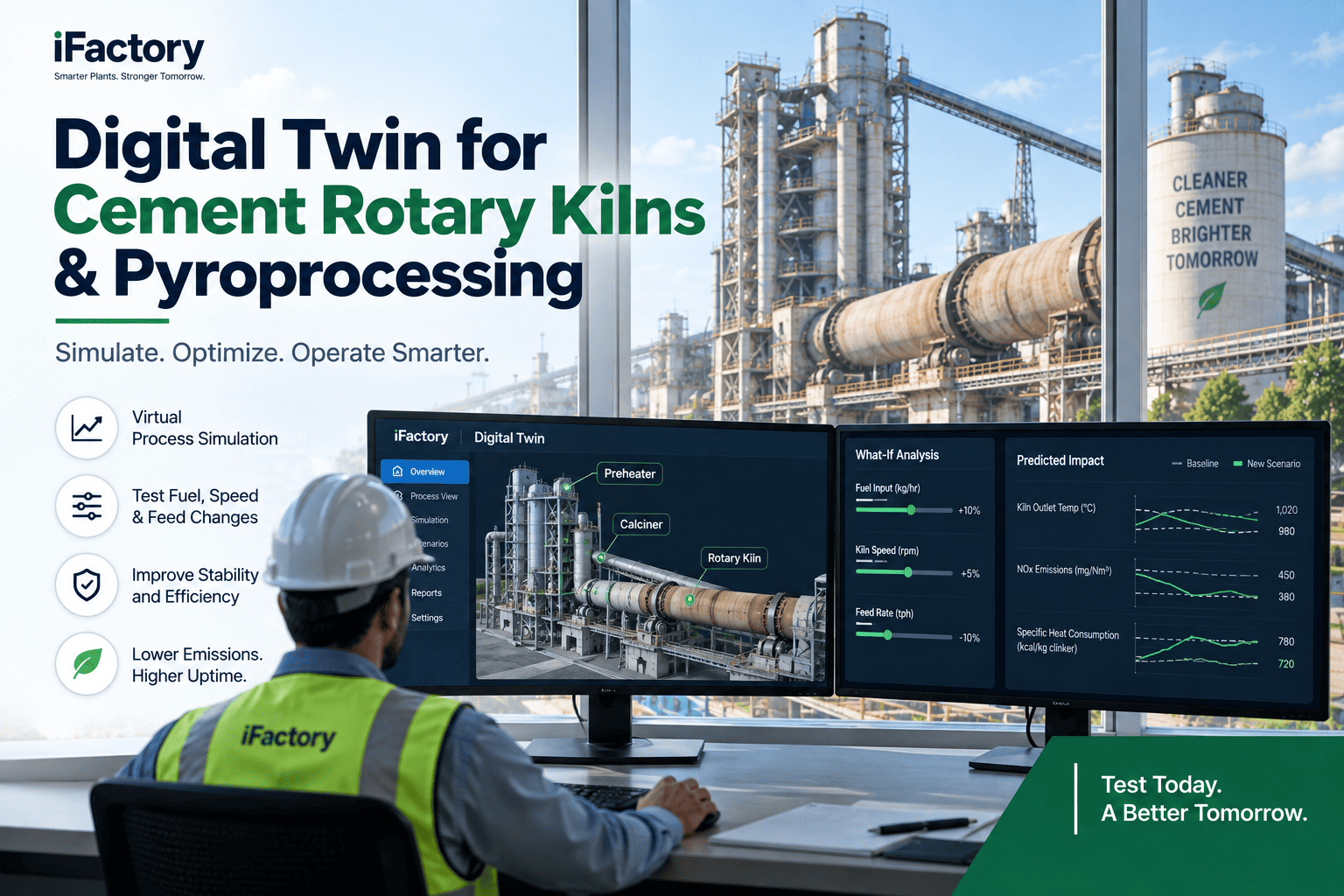
The precalciner is where the modern cement plant lives or dies on fuel. Most of the fuel fires here, most of the calcination happens here, and it is where nearly every alternative fuel enters the process. That also makes it the riskiest place to experiment. Try a new blend or push the substitution rate higher on the real calciner and you find out the hard way — a CO excursion, a reducing atmosphere, a buildup starting to choke a cyclone, a kiln going unstable, production lost while you back it out. So most plants stay conservative and leave fuel savings and CO2 reductions on the table. iFactory's digital twin lets you run those experiments virtually — modelling combustion, tertiary air split, and multi-fuel injection so you test a fuel blend before you ever fire it.
Digital Twin and AI Optimization for Cement
Digital Twin for Calciner Combustion and Fuel Injection
Model calciner combustion, tertiary air split, and multi-fuel injection in a physics-based twin. Test new fuel blends and higher substitution virtually — and see burnout, CO, temperature, and residence time before commissioning.
Fuel changes in the calciner carry real consequences, because combustion, calcination, and gas chemistry are all coupled in one vessel. A fuel that burns too slowly leaves unburnt material and CO; a reducing atmosphere feeds sulfur and alkali cycles that grow buildups; an off-balance air split starves combustion or overheats a zone. Each of these can upset the kiln downstream and cost production. That risk is exactly why substitution stalls — not because higher rates are impossible, but because no one wants to discover the limit live. A twin moves the discovery off the real plant.
Inside the Calciner
To model combustion you have to model the vessel — the fuel entering at its injection points, the tertiary air arriving from the cooler, the meal calcining as gas carries it upward, and the residence time all of that shares. The twin represents these together, so a change in one is seen in all.
The calciner as a combustion vessel
Fuel burnout, calcination, gas chemistry, and residence time are coupled in a single vessel — which is why changing one fuel input affects everything, and why a model that holds them together is worth having.
Test the Blend Before You Fire It
This is what the twin is for. Propose a fuel blend and a target substitution rate, and the model predicts how it will actually burn — burnout, CO, temperature, residence margin, and the effect on kiln stability — with the problems flagged before a single kilogram is fired. A trial that would have taken a risky day on the real kiln takes minutes in the twin.
Virtual fuel trial — calciner twin
Proposed blend40% coal · 15% petcoke · 45% RDF
Target TSR45%
Fuel burnout98.4%OK
CO at calciner exitelevatedwatch
Calciner temperature865°COK
Residence margintightwatch
Kiln stabilitystableOK
Predicted feasible with more tertiary air to the calciner and the upper injection point favoured — tested in the twin, not on the kiln.
Residence Time Decides Burnout
A fuel only contributes heat if it burns out in the time the gas gives it. Fine, dry fuel finishes quickly; coarse or wet alternative fuel burns slowly and needs more residence to complete. Fire a slow fuel into too little time and the burnout falls short — CO rises and the substitution you wanted turns into an upset. The twin checks a blend against the residence time actually available before you commit to it.
Burnout against available residence time
In the same available time, dry fuel completes but coarse wet fuel falls short — the gap that becomes CO. The twin sizes the blend to the residence time you have, or shows what air and injection changes would close it.
The Levers the Twin Optimizes
Once the combustion is modelled, AI optimization tunes the handful of levers that decide whether a blend burns cleanly and completely.
Tertiary air split
Balances air between kiln and calciner so combustion is complete without starving or overheating a zone.
Multi-fuel injection
Sets the points and rates for each fuel, placing slow-burning alt fuel where it has the residence to finish.
Residence and gas flow
Checks the blend burns out in the time available, the constraint that governs how much alt fuel is safe.
Temperature and staging
Holds calcination temperature and uses staging to manage CO and NOx together, not one at the other's expense.
What the Calciner Twin Delivers
Moving fuel experiments into the model changes both what you can try and what it costs to try it.
Higher
Substitution, safely
find the limit in the twin, not the kiln
Fewer
CO and buildup upsets
problems predicted before they happen
Faster
Fuel trials
minutes to model, not a risky shift
↓ Cost
And CO2
cheaper fuel fired with confidence
Frequently Asked Questions
What kind of model is the twin?
It combines a physics-based representation of the calciner — combustion, gas flow, heat, calcination, and residence time — with AI trained on your plant's own operating data. The physics keeps the predictions grounded in how combustion actually behaves, while the data tuning makes the model match your specific calciner rather than a generic one. That pairing is what lets it predict a new blend it has not literally seen before.
Can it really predict a fuel blend it has never run?
That is the point of a physics-based twin. Because it models the underlying combustion and residence behaviour rather than only memorising past operation, it can estimate how a new blend or a higher alternative-fuel rate will burn — burnout, CO, temperature, and residence margin — and flag where it would run into trouble. The prediction is used to decide whether and how to trial the blend, with far less risk than firing it blind.
How does modelling tertiary air help?
The split of combustion air between the kiln and the calciner strongly influences whether calciner combustion is complete. Too little air to the calciner starves the fuel and raises CO; the balance also affects temperature and the reducing zones that drive buildups and NOx. By modelling the tertiary air split alongside the fuel injection, the twin can find the air balance that burns a given blend cleanly.
Does this connect to our substitution goals?
Directly. The calciner is where alternative fuel is fired, and combustion behaviour is what limits how high the thermal substitution rate can safely go. The twin lets you explore higher substitution and new fuels virtually, so you can raise the rate toward your cost and CO2 targets with the combustion consequences understood first, rather than approaching the limit by trial and error on the kiln.
How do we get started?
The best next step is a demo built around your calciner. We use your fuel, air, and process data to stand up a twin, then run a virtual trial of a blend you are considering and show the predicted burnout, CO, temperature, and residence margin. That single trial makes the value of testing before commissioning concrete.
Trial the Fuel in the Model, Not on the Kiln.
See a Virtual Fuel Trial on Your Calciner
Bring a blend you have been hesitant to try and your calciner data. We'll stand up the twin, run the trial virtually, and show the burnout, CO, temperature, and residence margin — with the tertiary air and injection changes that would make it work.