Every manufacturing plant loses money to defects it never sees. The average manufacturer bleeds 15-20% of total sales revenue to the cost of poor quality — scrap, rework, warranty claims, and lost customers. For a $50 million operation, that is $7.5 to $10 million vanishing every year. Traditional quality inspection catches problems after they happen. AI-based quality control catches them as they happen — and increasingly, before they happen. With the AI defect detection market growing from $2.7 billion in 2025 to over $6 billion by 2035, and AI vision systems now achieving 99%+ detection accuracy, the shift from manual inspection to intelligent quality is no longer optional. iFactory's Quality Intelligence Hub brings AI-powered defect detection, root-cause analysis, and real-time quality analytics to your production floor — integrated with your existing equipment and workflows.
The Real Cost of Poor Quality: What Most Plants Don't Measure
Most plant managers track scrap as their quality cost. That is just the tip of the iceberg. The true cost of poor quality includes rework labor, re-inspection time, warranty claims, customer returns, production delays, lost contracts, and brand damage — costs that are 3-4x higher than visible scrap losses alone.
Human Inspection vs AI Inspection: The Performance Gap
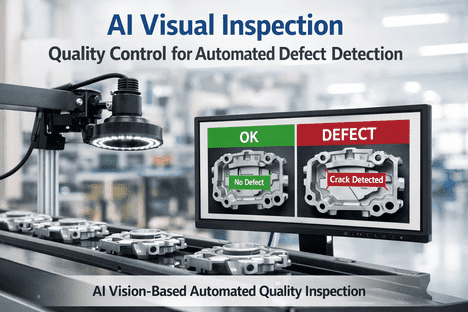
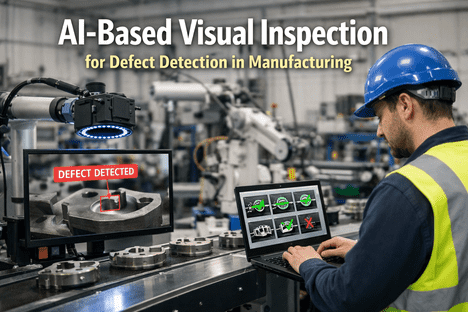
Human inspectors are skilled, but they fatigue, lose focus, and cannot physically examine every unit at production speed. AI vision systems inspect 100% of units at line speed with consistent accuracy — no fatigue, no subjectivity, no missed shifts.
How AI Quality Control Actually Works
AI-based quality control is not a single technology — it is a pipeline that combines computer vision, deep learning, edge computing, and analytics to create a closed-loop quality system that detects, classifies, traces, and prevents defects.
Capture
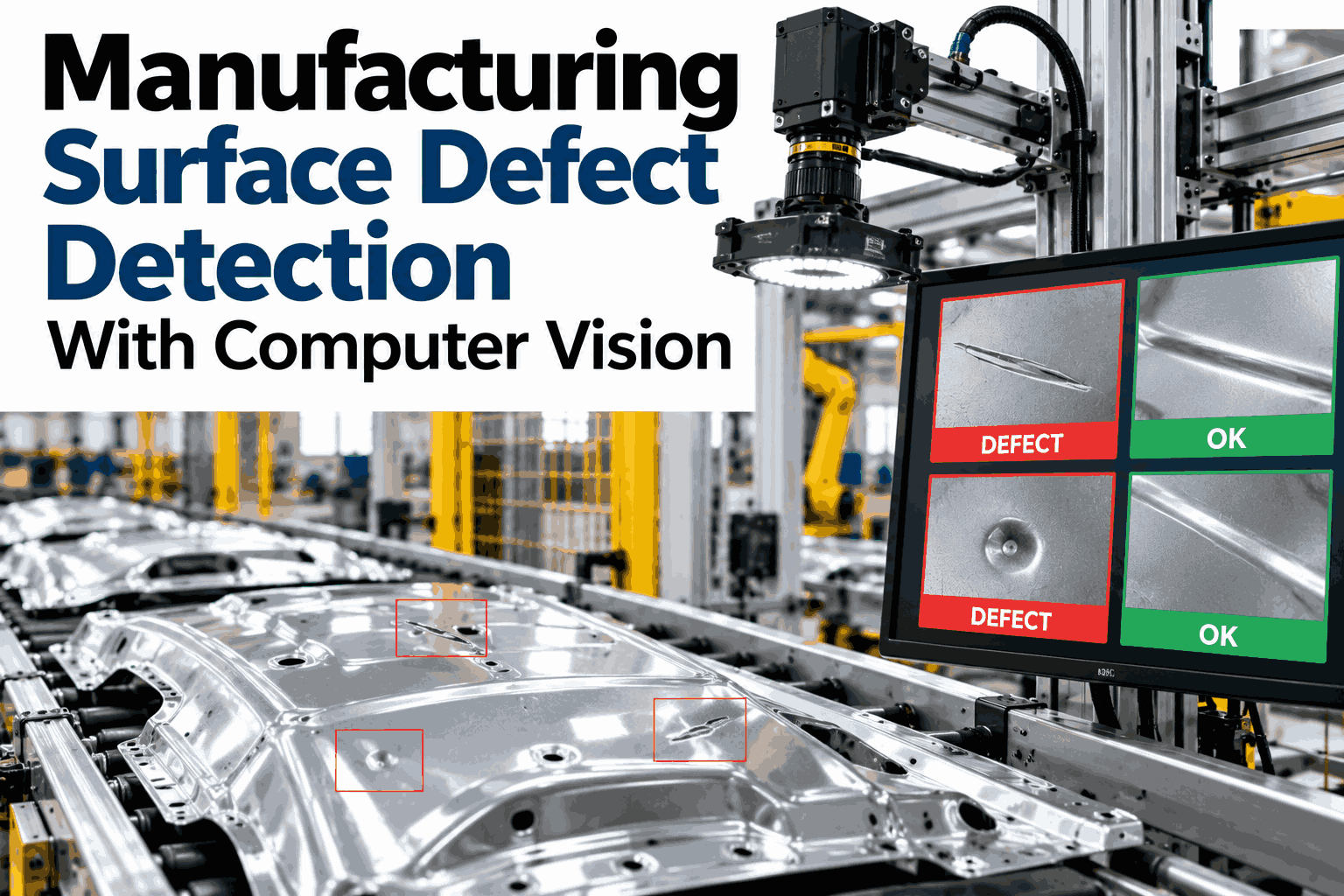
High-resolution cameras and sensors capture images of every unit at production speed — surface, dimensions, color, texture, alignment
Detect
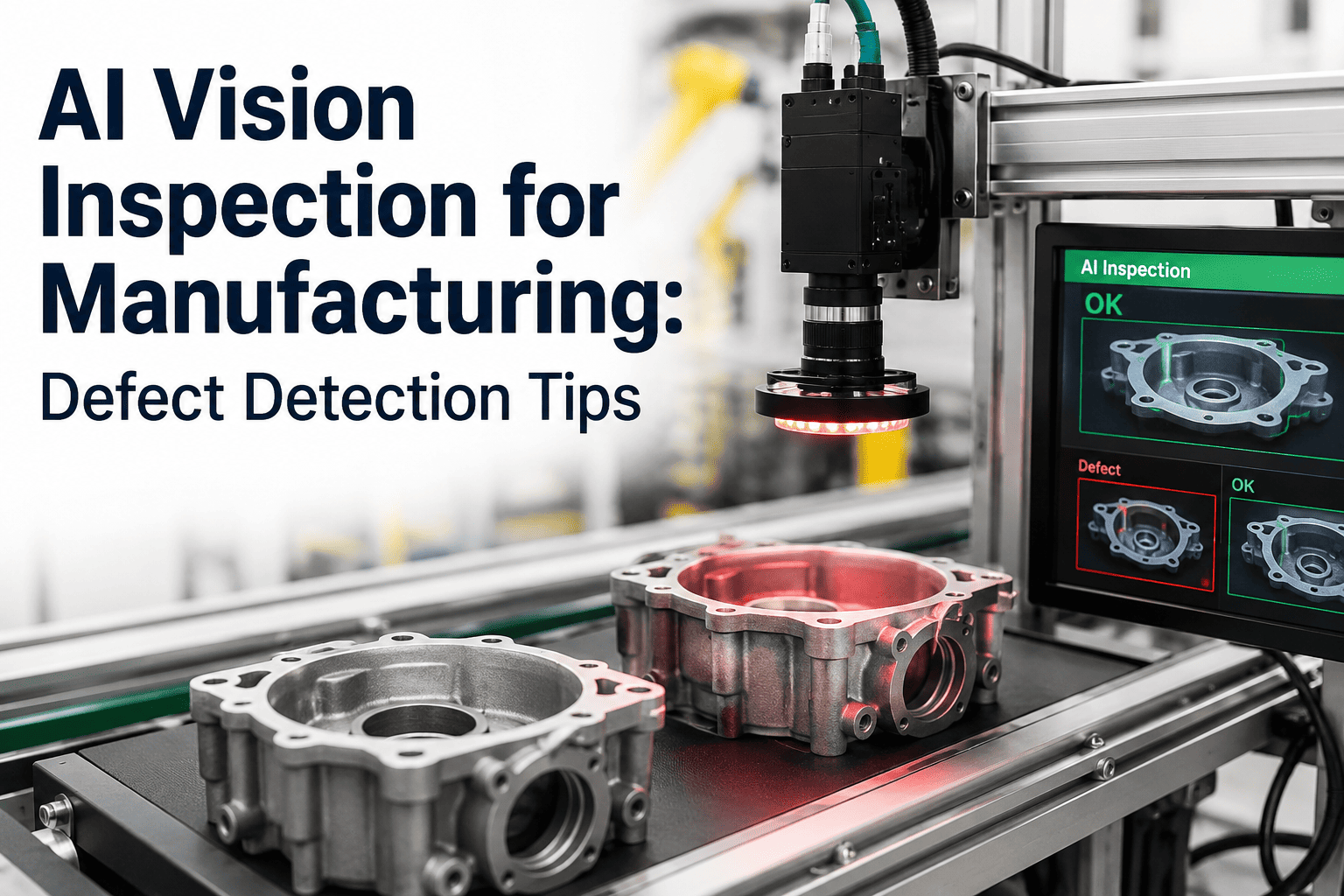
Deep learning models (CNNs) analyze each image in milliseconds, identifying scratches, dents, cracks, misalignments, contamination, and dimensional deviations
Classify
AI categorizes each defect by type, severity, and location — distinguishing cosmetic issues from functional failures automatically
Act
Defective units are auto-rejected or routed to rework. Real-time alerts notify operators. AI correlates defect patterns with upstream process parameters to identify root causes
iFactory Quality Intelligence Hub
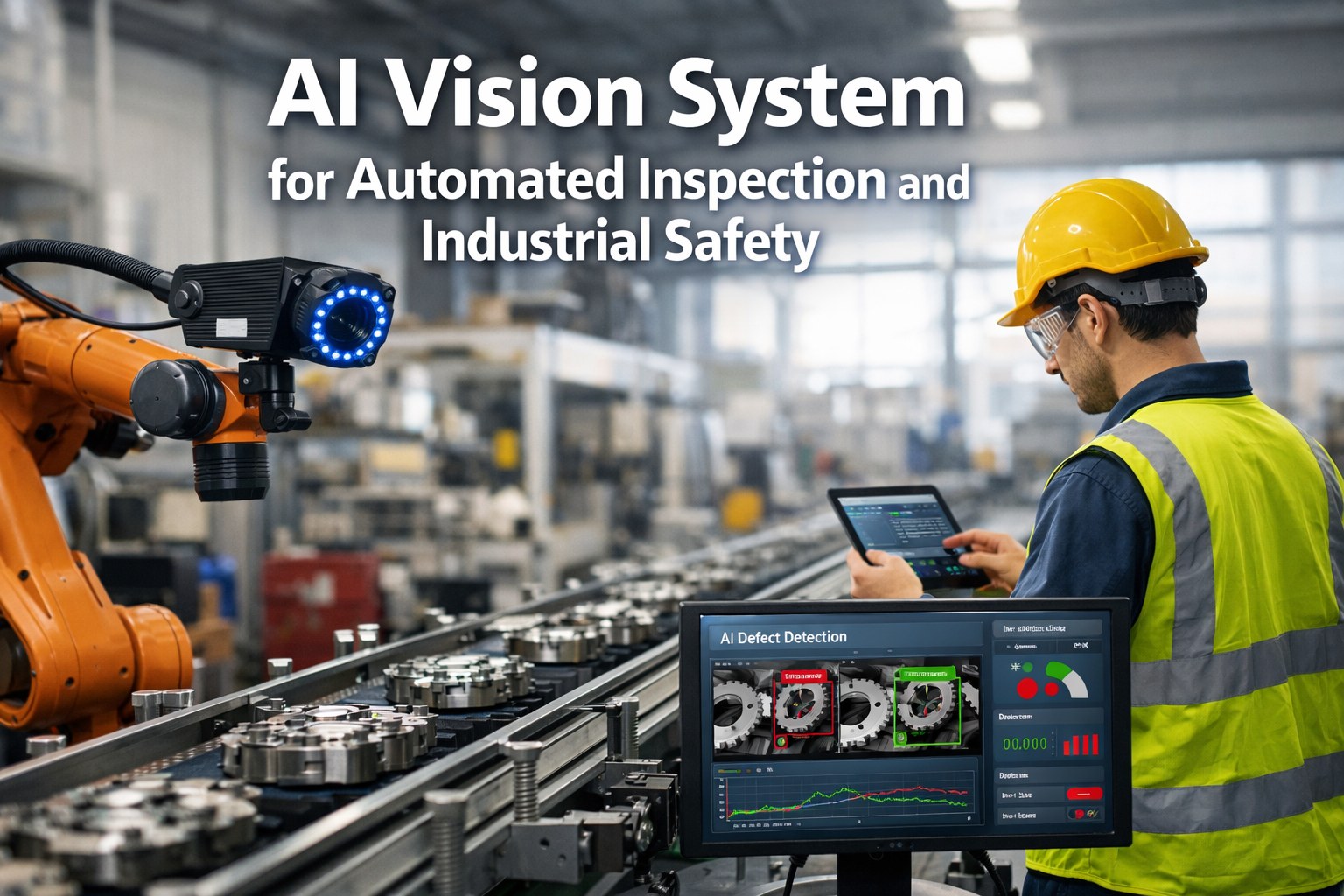
iFactory does not just detect defects — it delivers a complete quality intelligence platform that monitors first-pass yield, tracks defect trends, correlates quality with process variables, and generates audit-ready reports. All from a single dashboard.
First-Pass Yield Tracking
Real-time FPY by line, shift, product, and operator. Instant visibility into quality performance trends with automated alerts when yield drops below thresholds.
AI Defect Classification
Deep learning models trained on your products classify dozens of defect types simultaneously — scratches, dents, dimensional errors, contamination, assembly faults.
Root-Cause AI Correlation
AI connects defect patterns to upstream process variables — temperature, pressure, speed, material batch, tooling wear — identifying causes before they become chronic.
SPC & Compliance Reporting
Automated Statistical Process Control charts, Cpk/Ppk analysis, and audit-ready quality reports for ISO 9001, IATF 16949, FDA, and industry-specific standards.
Industry-Specific Quality Applications
Every manufacturing sector has unique quality challenges. AI adapts to each — learning the specific defect types, tolerances, and compliance requirements of your industry.
Surface finish inspection on painted bodies, weld quality verification, dimensional checks on stamped parts, assembly verification. IATF 16949 compliance reporting with full traceability.
PCB solder joint inspection, component placement verification, micro-crack detection on semiconductor wafers. AI inspects microscopic defects invisible to human eyes at production speed.
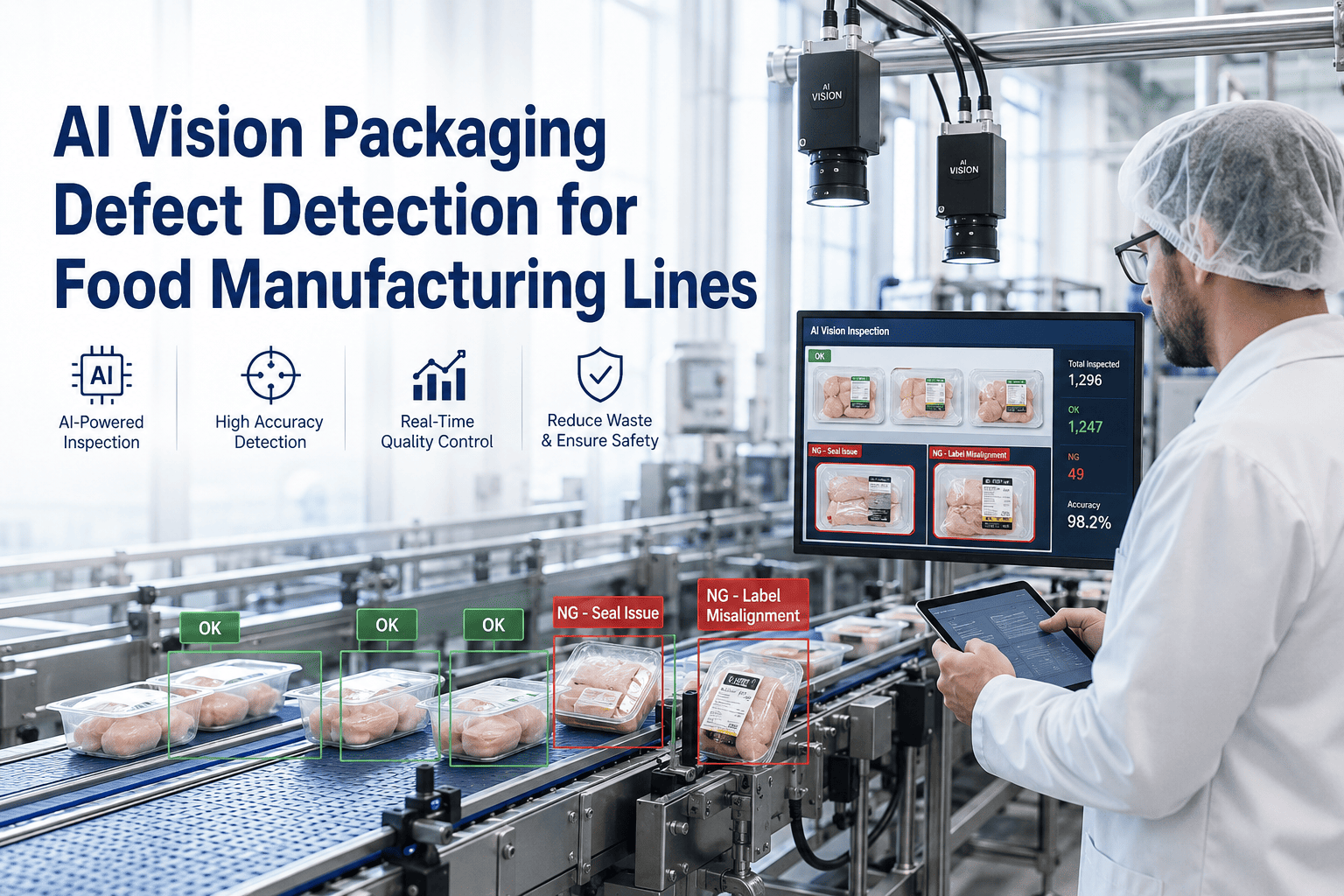
Foreign object detection, fill-level verification, packaging seal integrity, label accuracy. AI ensures every unit meets food safety standards with zero contamination escape.
Tablet inspection, vial fill verification, blister pack integrity, particulate detection. FDA 21 CFR Part 11 compliant audit trails with 100% batch traceability.
Surface defect detection on rolled sheets, weld seam inspection, coating thickness verification. AI catches pits, scratches, inclusions, and delamination at rolling speeds.
NDT-integrated defect detection, composite layup inspection, precision measurement verification. AS9100 compliance with every inspection logged and traceable to serial number.
The ROI of AI Quality Control
Defect Rate Reduction
AI catches defects that human inspectors miss, reducing escape rates and cutting warranty claims within weeks of deployment
Less Manual Inspection
Automated 100% inspection replaces sample-based human checks, freeing quality engineers for root-cause and improvement work
Scrap & Rework Savings
Catching defects at the source — not at end-of-line — prevents waste from cascading through downstream operations
Full-Deployment ROI
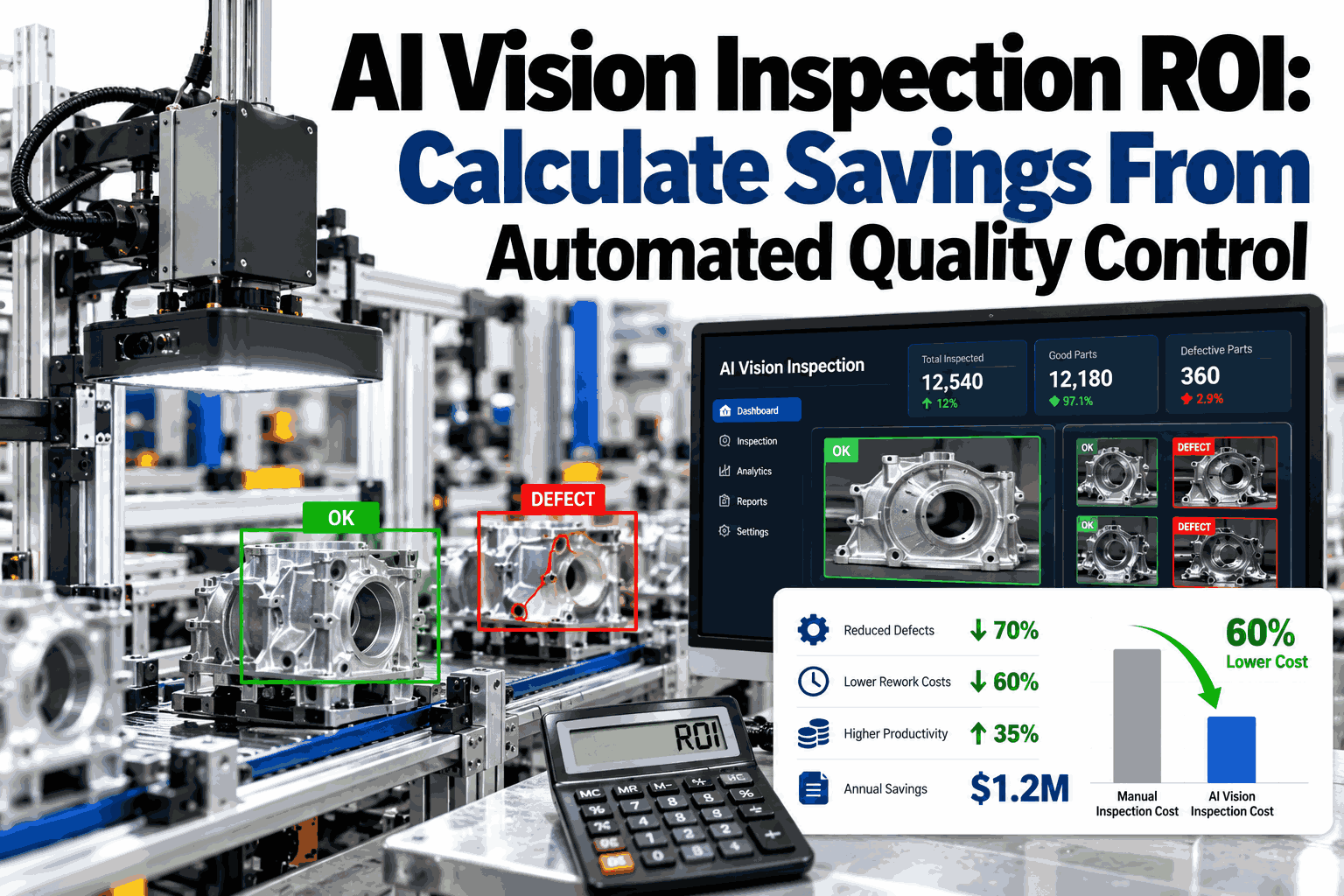
Comprehensive AI quality infrastructure delivers multi-hundred-percent returns through combined defect reduction, faster inspection, and higher yield
Frequently Asked Questions
Stop Losing Revenue to Defects You Can't See
iFactory's Quality Intelligence Hub delivers AI-powered defect detection, root-cause analysis, first-pass yield tracking, and compliance reporting — catching what human inspection misses, at production speed, 24/7.