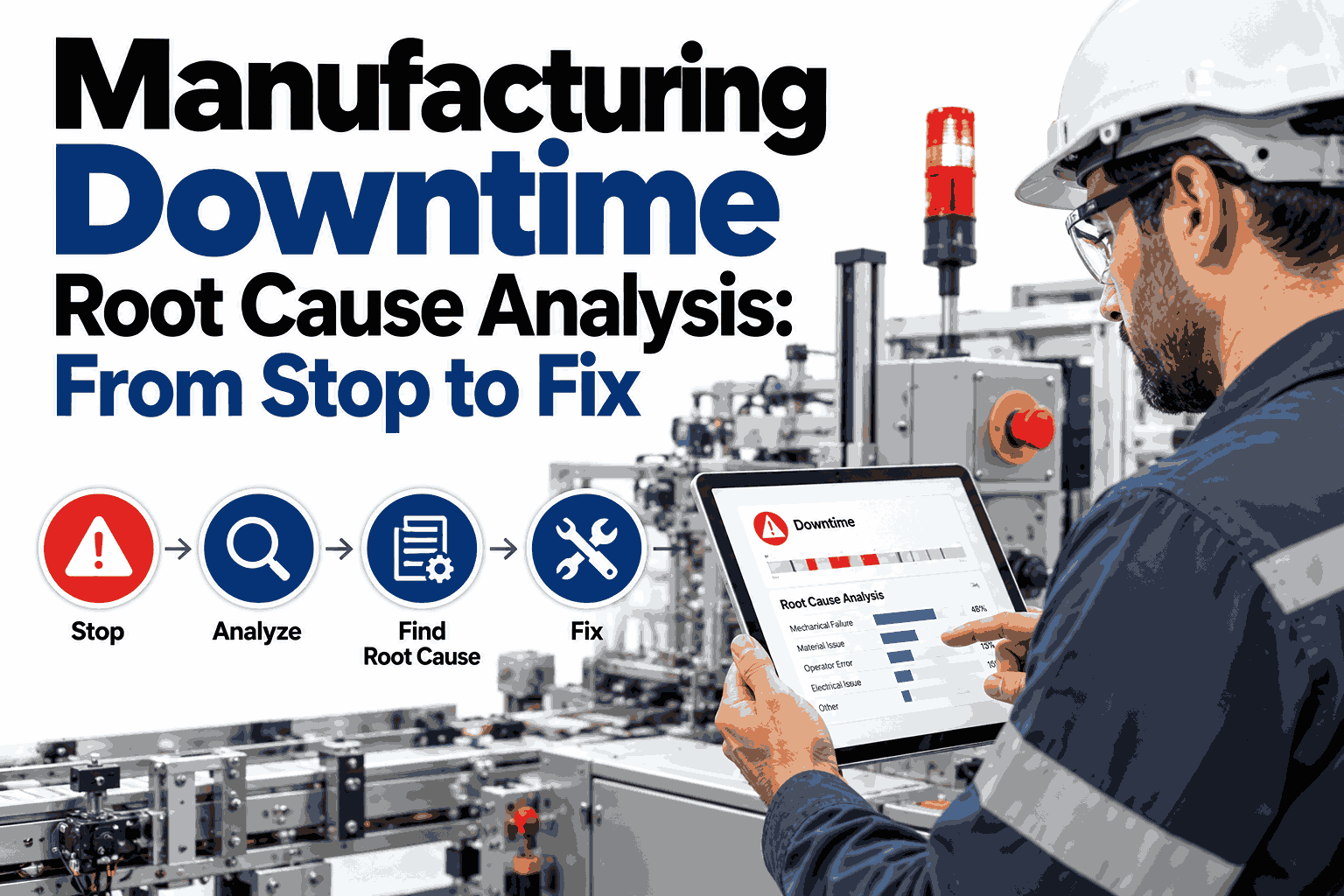
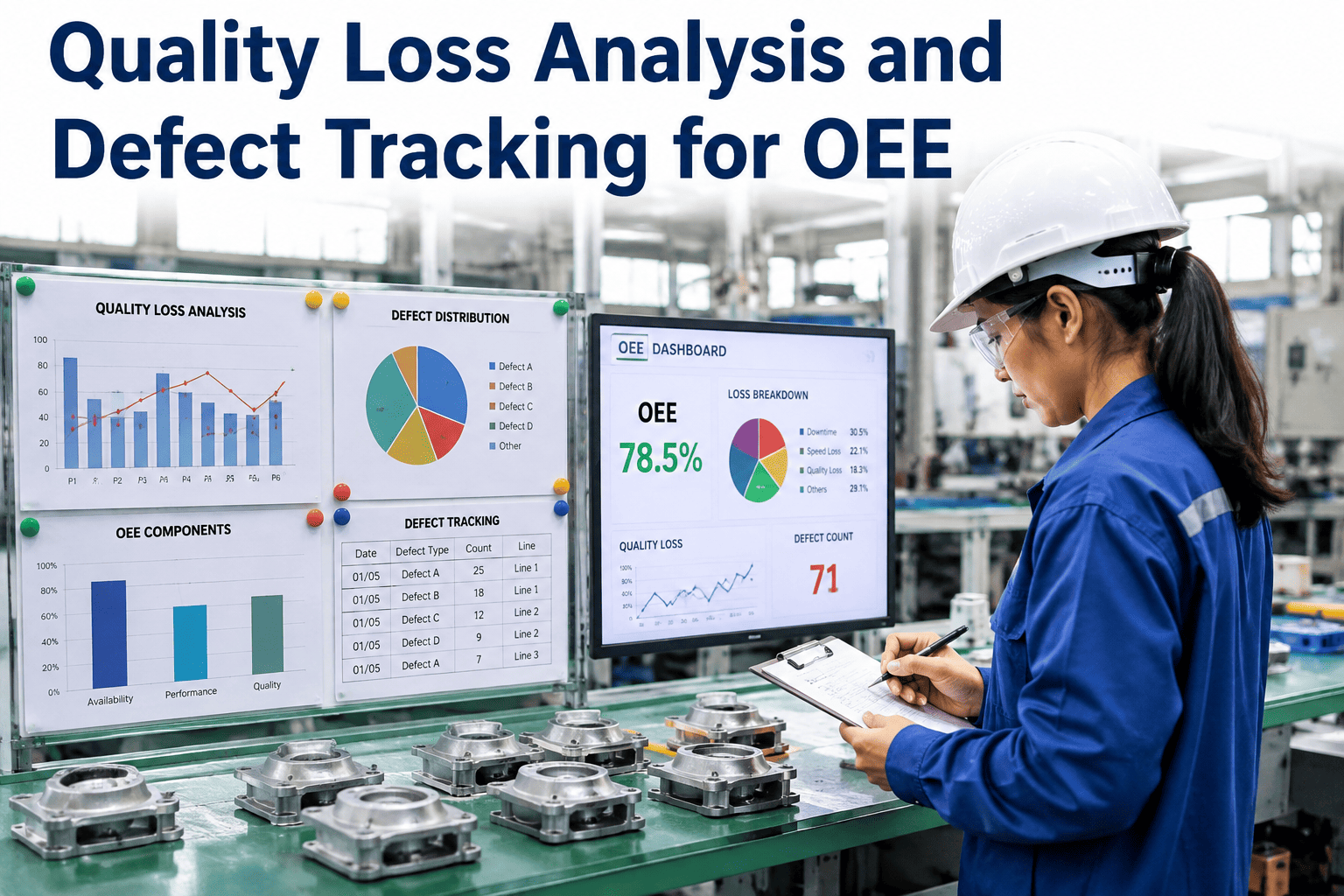
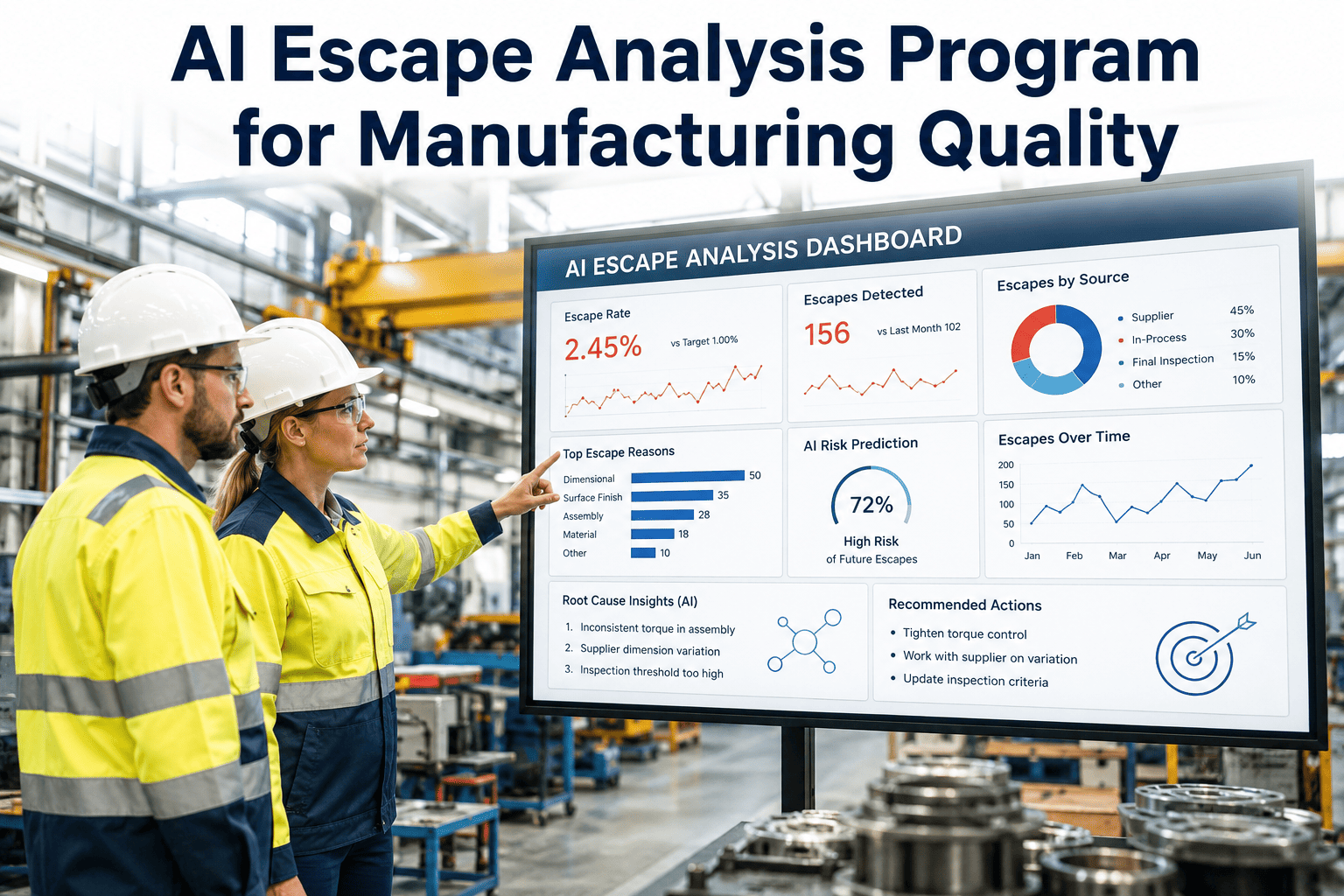
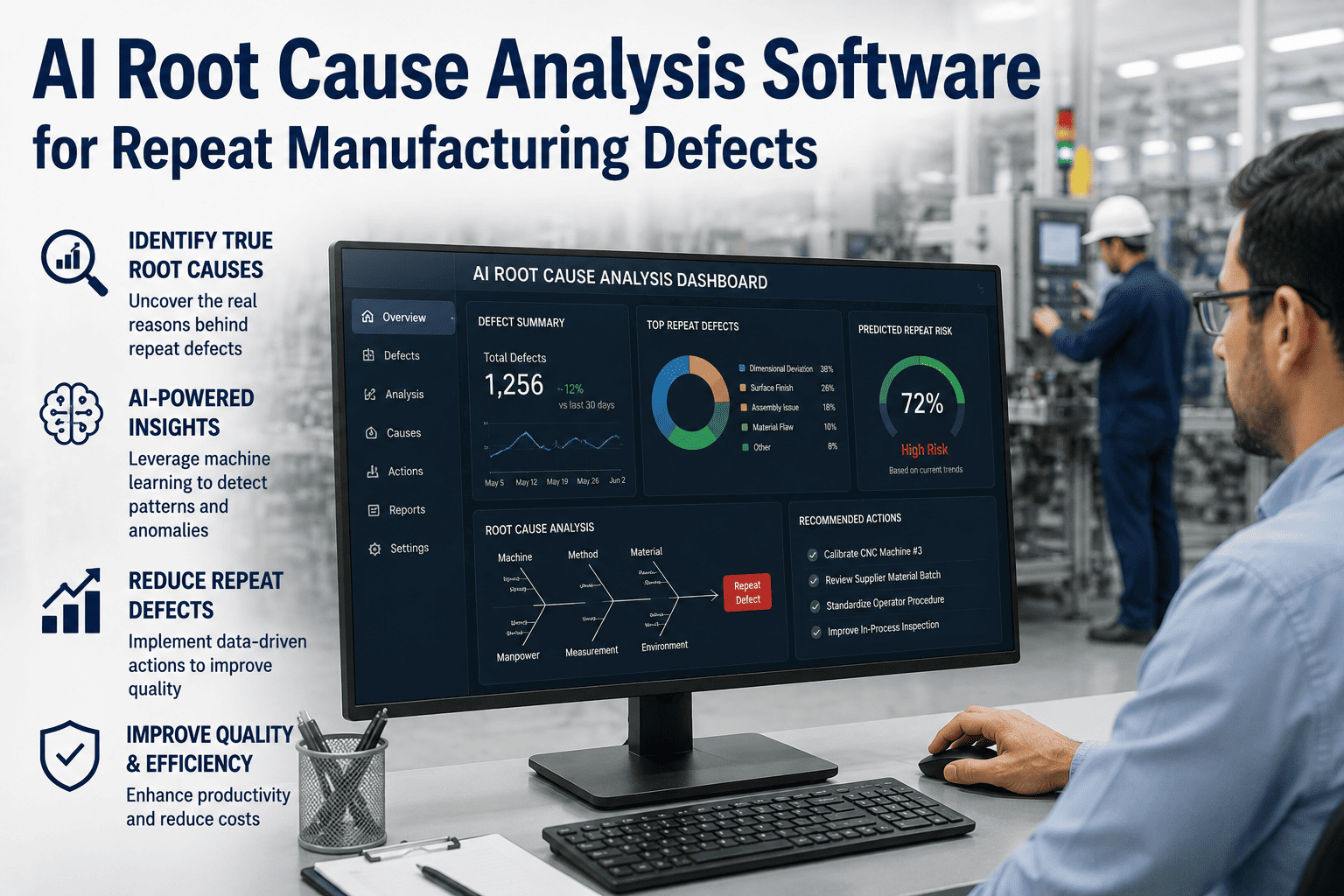
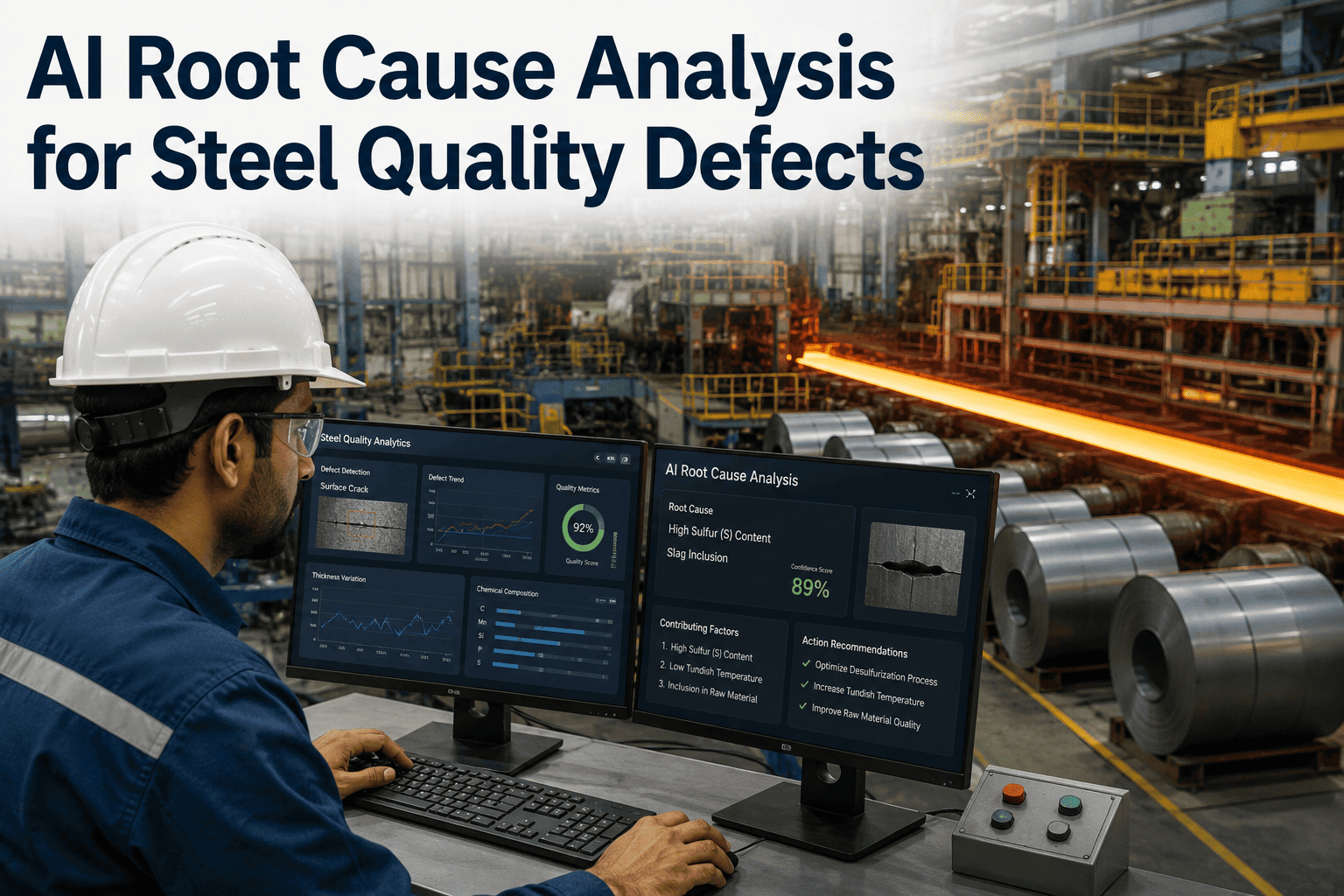
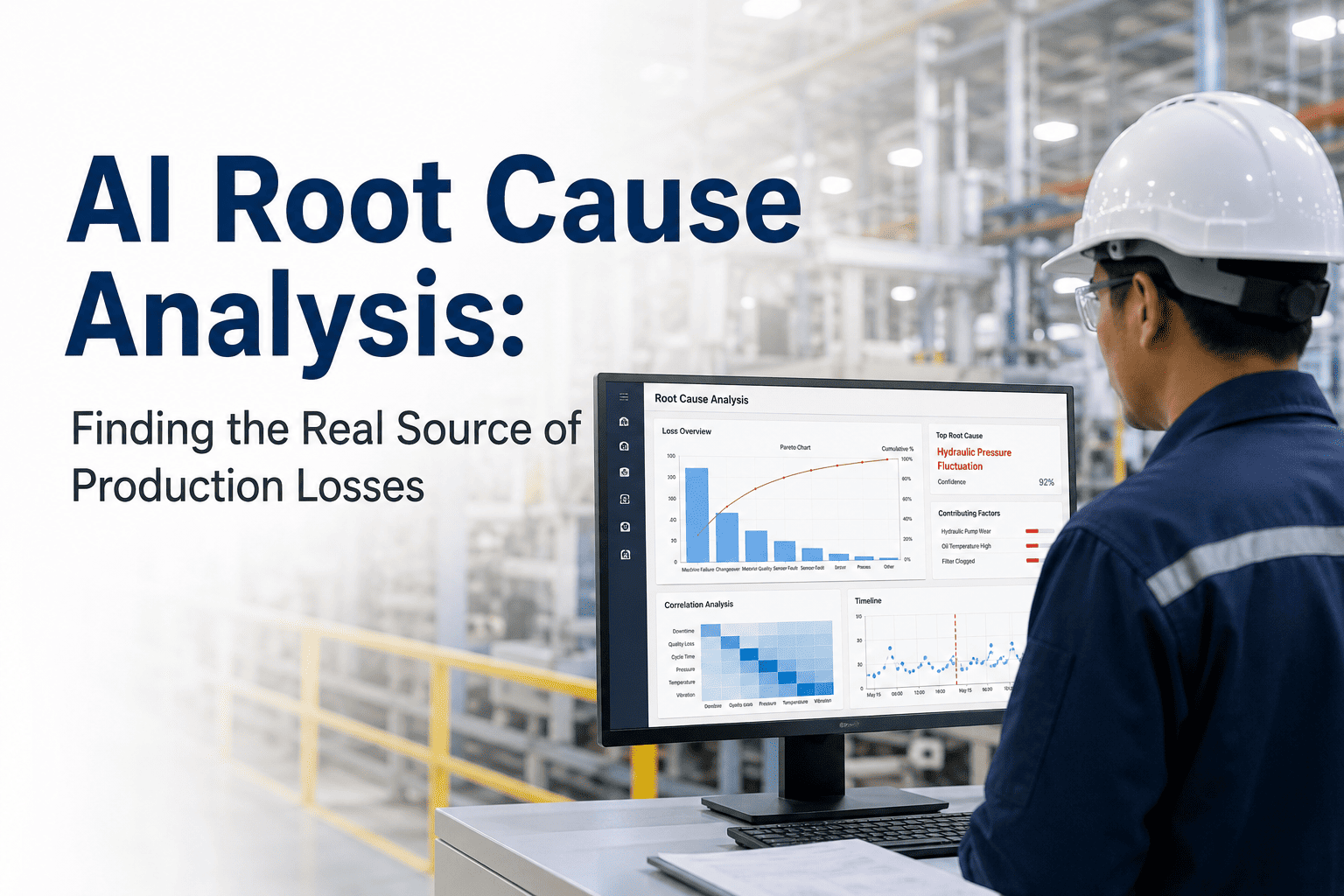
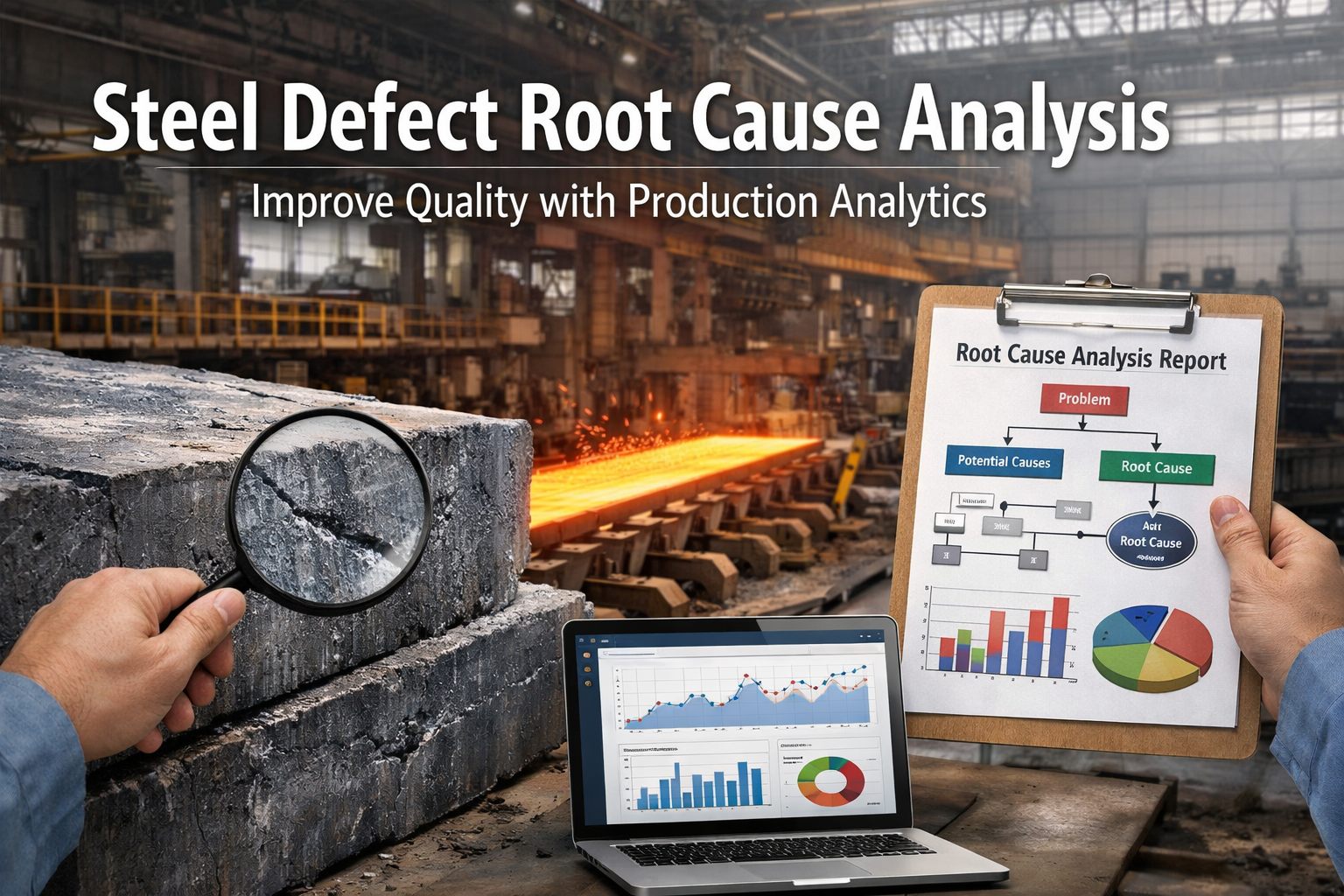
A defect that reaches a customer is almost never a single failure, it is usually the last visible step in a chain of smaller misses that started somewhere on the production floor weeks earlier and went unnoticed at every inspection point along the way. Treating a customer escape as an isolated incident means the underlying chain stays intact and ready to produce the same failure again on the next batch. AI-driven escape analysis traces that chain back to its true origin instead of stopping at the symptom, and you can book a demo to see how it traces a real defect back through your process.
CUSTOMER ESCAPE ANALYSIS · AI ROOT CAUSE · QUALITY MANAGEMENT
A Customer Complaint Is the Last Step in a Chain That Started on Your Floor
iFactory traces every customer escape back through inspection records, process data, and supplier inputs to find the true origin point, not just the symptom that finally reached the customer.
THE ESCAPE CHAIN PROBLEM
Why Most Escapes Are the End of a Chain, Not a Single Event
By the time a defect reaches a customer, it has typically already passed through incoming inspection, in-process checks, and final quality review without being caught, which means every escape represents multiple missed opportunities rather than one. Investigating only the final failure point without tracing the earlier misses leaves the actual weak link in the inspection process unaddressed and ready to let the next defect through the same way.
1
Root Cause on the Floor
A process parameter drifts, a tool wears, or a material lot varies slightly outside normal range during production.
2
Missed at In-Process Inspection
The resulting defect is subtle enough to pass in-process checks, or the check itself was not sensitive enough to catch it.
3
Missed at Final Quality Review
Final inspection, often sampling-based, does not happen to catch the specific unit carrying the defect forward.
4
Reaches the Customer
The defect surfaces as a field failure or complaint, arriving as a single visible event with an invisible history behind it.
Trace Your Next Escape Back to Its True Origin
iFactory connects field complaints to production and inspection data to reveal the full chain behind every escape.
MANUAL VS AI-TRACED ESCAPE INVESTIGATION
What Changes When the Full Chain Is Reconstructed Automatically
Manual Escape Investigation
Investigation often stops at the final inspection point
Connecting a complaint to a specific batch takes days
Similar past escapes are not automatically cross-referenced
Corrective actions address the symptom more than the origin
AI-Traced Escape Analysis
Full chain from origin through every missed inspection point
Complaint linked to exact batch and process data within minutes
Similar historical escapes surfaced automatically for pattern review
Corrective actions target the true process origin point
WHAT THE PLATFORM CONNECTS
The Data Sources Escape Analysis Draws Together
Field Complaint and Warranty Data
Customer-reported issues are logged and matched to the specific product batch or serial number responsible.
In-Process Inspection Records
Inspection results at every stage are reviewed to identify where a defect should have been caught but was not.
Supplier and Material Traceability
Incoming material lots are checked for correlation with escaped defects to rule in or rule out a supplier-side origin.
Process Parameter History
Machine settings and process conditions during the affected production window are reconstructed for root-cause review.
ESCAPE INVESTIGATION MATURITY
How Escape Investigation Typically Improves Over Time
| Maturity Level |
Investigation Depth |
Typical Time to Root Cause |
| Level 1 |
Final inspection point only |
Weeks, if ever resolved |
| Level 2 |
Manual batch record lookup |
Several days |
| Level 3 |
Cross-referenced quality database |
One to two days |
| Level 4 |
AI-traced full chain reconstruction |
Hours |
MEASURED RESULTS
Outcomes Reported After Adopting AI Escape Analysis
70%
Faster time to identify the true root cause of an escape
40%
Fewer repeat escapes tied to the same underlying cause
Clearer
Distinction between supplier-origin and process-origin defects
Fewer
Warranty claims following corrective action at the true origin
GETTING STARTED
Building a Traceable Escape Investigation Process
Step 1
Connect Complaint Data
Field complaint and warranty systems are connected so escapes can be matched to production records automatically.
Step 2
Link Inspection Records
In-process and final inspection data is connected to identify where a defect should have been caught.
Step 3
Reconstruct the Chain
The AI reconstructs the full path from process origin through every missed inspection point to the customer.
Step 4
Close the Loop
Corrective action is directed at the true origin point, and similar future escapes are flagged proactively.
FREQUENTLY ASKED QUESTIONS
Questions Quality Teams Ask About Escape Analysis
How does the system match a customer complaint to a specific production batch?
Matching relies on serial numbers, lot codes, or date codes already present on most manufactured products, which are cross-referenced against production records to identify the exact run, shift, and line responsible for that unit. Where traceability data is incomplete, the platform narrows the likely production window using shipment and order records instead of requiring perfect serialization from day one.
Book a demo to review matching accuracy for your current traceability setup.
Can this distinguish between a defect caused by our process and one caused by a supplier?
Yes, incoming material and supplier lot data is checked alongside process parameters specifically to separate these two possibilities, since treating a supplier-origin defect as a process issue, or the reverse, leads corrective action to the wrong place entirely. This distinction is one of the most valuable outputs of escape analysis, since it directs supplier quality conversations and internal process fixes to the situations where each actually applies.
Contact support to discuss supplier data integration.
Does escape analysis only help after a complaint has already happened?
Mostly it is reactive by design, since it starts from an actual field complaint, but the patterns it uncovers are used proactively once a root cause is identified, flagging other batches that share the same process conditions before those units generate their own complaints. This turns a single escape investigation into a broader early-warning check across related production runs.
Book a demo to see how proactive flagging works after a root cause is found.
How far back can historical escapes be re-analyzed once the system is set up?
Historical analysis depends on how far back production, inspection, and complaint records are available and connectable, but most plants can re-analyze at least twelve to twenty-four months of past escapes once data sources are linked, surfacing patterns that were never connected across separate systems before. This retrospective view is often where the first major insights come from during an initial rollout.
Contact support to discuss how much historical data your systems can provide.
Who typically uses the escape analysis output, quality alone or other departments too?
Quality teams are the primary users, but engineering, supplier quality, and customer service teams often reference the same connected view, since a full escape chain touches production engineering, incoming material decisions, and customer communication all at once. Shared visibility across these teams tends to speed up both the investigation and the corrective action that follows it.
Book a demo to discuss access across your quality and engineering teams.
Stop Treating Every Escape as a Standalone Event
iFactory traces each customer escape back to its true origin so the same failure does not repeat.