
The cement industry is experiencing a profound digital revolution as artificial intelligence, IoT connectivity, and advanced analytics converge to fundamentally reshape traditional manufacturing operations. Digital transformation represents far more than technology adoption—it embodies a comprehensive reimagining of how cement plants operate, optimize processes, maintain equipment, and create value in increasingly competitive global markets. AI-powered systems now enable cement manufacturers to achieve operational excellence levels previously considered impossible, delivering unprecedented efficiency gains, sustainability improvements, and competitive advantages that define market leaders in the modern cement industry.
What is Digital Transformation in Cement?
Digital transformation in cement manufacturing encompasses the strategic integration of artificial intelligence, Internet of Things sensors, cloud computing, and advanced analytics throughout production operations. Unlike isolated technology implementations, true digital transformation creates interconnected intelligent systems that continuously monitor, analyze, and optimize every aspect of cement production from quarry operations through final product delivery creating unified digital ecosystems that fundamentally enhance operational capabilities.
At its core, AI serves as the intelligence layer orchestrating digital transformation initiatives. Machine learning algorithms analyze vast streams of sensor data identifying optimization opportunities invisible to human operators. Predictive models forecast equipment failures weeks before occurrence enabling proactive maintenance interventions. Computer vision systems inspect product quality with superhuman accuracy and consistency. Natural language processing creates intuitive interfaces allowing personnel at all levels to access insights and recommendations conversationally without requiring technical expertise.
Intelligent Operations
AI-powered optimization of production processes achieving real-time parameter adjustments based on changing conditions, raw material variations, and equipment performance ensuring peak efficiency continuously.
Connected Ecosystems
IoT integration linking equipment, systems, suppliers, and customers into unified digital networks enabling visibility, coordination, and optimization across entire value chains.
Predictive Intelligence
Machine learning forecasting equipment health, quality outcomes, and process deviations enabling proactive interventions preventing problems before they impact operations.
Data-Driven Culture
Organizational transformation where decisions at all levels are informed by real-time analytics, performance metrics, and AI-generated insights rather than intuition alone.
Why Digital Transformation Matters for Cement Evolution
The cement industry faces unprecedented pressures requiring transformational responses that incremental improvements cannot address. Energy costs representing 35-45% of production expenses demand dramatic efficiency gains maintaining competitiveness in price-sensitive markets. Environmental regulations targeting cement's significant carbon footprint require substantial emissions reductions achievable only through comprehensive optimization. Labor market dynamics with experienced operators retiring create knowledge gaps threatening operational continuity unless institutional intelligence is captured systematically.
Traditional cement operations relied heavily on operator experience, periodic manual adjustments, and reactive maintenance approaches suited to stable market conditions and abundant skilled labor. Modern competitive realities demand faster adaptation, higher efficiency, and consistent quality that human-dependent systems struggle to deliver. Digital transformation powered by AI creates self-optimizing operations that continuously improve performance, adapt to changing conditions, and maintain excellence despite workforce turnover.
Industry Transformation Drivers
Multiple converging forces make digital transformation essential for cement manufacturers:
- Intense global competition demanding cost leadership and operational excellence
- Stringent environmental regulations requiring verified emissions reductions
- Customer expectations for consistent quality and reliable delivery performance
- Workforce evolution requiring knowledge capture and decision support systems
- Technology maturity making comprehensive digital solutions practical and affordable
- Competitive advantage as early adopters demonstrate substantial performance gains
Begin Your Digital Transformation Journey
Discover how iFactoryapp's AI-powered platform enables cement manufacturers to achieve breakthrough improvements through proven digital transformation strategies tailored for the cement industry.
Schedule Assessment Contact SpecialistsBenefits: Achieving Efficiency and Sustainability
Digital transformation powered by AI delivers comprehensive benefits spanning operational, financial, environmental, and strategic dimensions. Cement manufacturers implementing digital strategies through platforms like iFactoryapp achieve measurable improvements including 35-50% energy efficiency gains, 40-60% downtime reductions, 25-40% quality enhancements, 30-45% maintenance cost savings, and 20-35% overall operational cost reductions creating sustainable competitive advantages through technology-enabled excellence.
Operational Efficiency and Cost Reduction
Energy Optimization
AI-powered kiln control and process optimization reduce fuel and power consumption by 35-50% through continuous parameter adjustments maintaining optimal efficiency despite variations in raw materials, equipment conditions, and environmental factors.
Production Maximization
Intelligent scheduling and bottleneck elimination increase throughput 20-30% from existing equipment capacity avoiding expensive capital investment while meeting growing demand and improving asset utilization metrics.
Quality Consistency
Predictive quality control and real-time process adjustments maintain product specifications within tight tolerances reducing reject rates, customer complaints, and waste from off-specification production.
Maintenance Excellence
Predictive analytics forecasting equipment failures enable condition-based maintenance reducing unplanned downtime 40-60% while optimizing maintenance resource allocation and extending asset life through timely interventions.
Sustainability and Environmental Performance
Digital transformation directly supports cement industry sustainability goals through comprehensive environmental optimization. Energy efficiency improvements reduce carbon intensity per ton of cement produced addressing the industry's significant climate impact. Alternative fuel optimization leveraging AI enables higher substitution rates of waste-derived fuels and biomass decreasing fossil fuel consumption while maintaining process stability and product quality.
Real-time emissions monitoring ensures regulatory compliance while identifying reduction opportunities. Water usage optimization minimizes freshwater consumption in cooling and dust suppression systems. Comprehensive environmental data collection supports sustainability reporting requirements and carbon credit programs increasingly important as investors, regulators, and customers demand verifiable environmental performance from cement suppliers.
How Digital Transformation Works
Successful digital transformation requires systematic approaches integrating technology deployment with organizational change management ensuring initiatives deliver measurable value while building capabilities for continued evolution. Modern platforms enable phased implementation starting with high-impact use cases and expanding progressively across operations.
Strategic Assessment & Vision
Evaluate current digital maturity, identify transformation priorities, define success metrics, and develop comprehensive roadmap aligned with business objectives. Establish executive sponsorship and cross-functional governance ensuring sustained commitment.
Foundation Infrastructure
Deploy IoT sensor networks, establish data platforms, implement cybersecurity measures, and create integration architecture connecting operational technology with enterprise systems. Build digital foundations supporting advanced applications.
AI Solution Deployment
Implement predictive maintenance, process optimization, and quality management AI applications on priority use cases. Train models using historical data, validate accuracy, and deploy pilots demonstrating measurable benefits building organizational confidence.
Scale & Integration
Expand successful pilots across facilities and processes, integrate AI systems with operational workflows, deploy additional use cases, and establish continuous improvement processes ensuring sustained value realization.
Advanced Capabilities
Deploy autonomous optimization, digital twin simulation, supply chain integration, and customer connectivity creating comprehensive intelligent ecosystems. Establish innovation programs exploring emerging technologies maintaining competitive leadership.
Case Studies: Digital Cement Success Stories
Leading cement manufacturers globally demonstrate digital transformation's potential through measurable improvements across operational, financial, and sustainability metrics. These implementations provide proven frameworks for organizations beginning digital journeys.
Global Cement Corporation: Enterprise Digital Transformation
Challenge
Operating 32 facilities with inconsistent performance, high energy costs, environmental compliance pressures, and workforce knowledge gaps as experienced operators approached retirement. Traditional approaches delivering only incremental improvements insufficient for competitive requirements.
Solution
Comprehensive digital transformation using iFactoryapp as AI platform backbone integrating predictive maintenance, energy optimization, quality intelligence, and digital twin capabilities across all facilities with standardized deployment methodologies enabling rapid scaling.
Results Achieved
Regional Producer: AI-Powered Operations Excellence
Challenge
Aging equipment with frequent failures, environmental regulations requiring emissions reductions, quality consistency issues from raw material variability, and need to maximize production from existing capacity avoiding capital investment in new facilities.
Solution
Phased digital transformation starting with kiln optimization and predictive maintenance pilots expanding to comprehensive production intelligence, alternative fuel optimization, and quality management systems integrated across operations.
Results Achieved
Challenges: Managing Technology Costs and Complexity
Digital transformation presents significant challenges requiring careful planning, appropriate resource allocation, and systematic mitigation strategies. Understanding common obstacles and proven solutions enables manufacturers to manage risks effectively while achieving transformation objectives.
Investment Requirements
Comprehensive digital transformation requires substantial capital investment in sensors, infrastructure, software platforms, and integration services creating financial barriers particularly for smaller producers.
Implement phased deployment starting with high-ROI applications demonstrating quick returns funding subsequent phases. Leverage cloud-based platforms minimizing upfront infrastructure costs. Partner with experienced providers like iFactoryapp accessing proven solutions reducing implementation time and risk.
Technical Complexity
Integrating AI systems with legacy equipment, diverse control systems, and established operational workflows presents significant technical challenges requiring specialized expertise.
Select platforms with proven cement industry integration capabilities. Utilize edge computing and protocol converters bridging legacy equipment with modern systems. Engage experienced implementation partners managing technical complexities while transferring knowledge to internal teams.
Change Resistance
Workforce accustomed to traditional methods may resist AI-driven changes fearing job displacement or skeptical about technology effectiveness threatening adoption and value realization.
Communicate transformation vision transparently emphasizing workforce augmentation rather than replacement. Involve operators in implementation building ownership. Demonstrate quick wins validating approaches. Provide comprehensive training ensuring personnel can leverage new capabilities effectively.
Future: Emerging Digital Trends in Cement
Digital transformation continues evolving as technologies mature, adoption accelerates, and new capabilities emerge. Understanding trends enables strategic planning positioning manufacturers for sustained competitive advantage in increasingly digital cement industry.
Autonomous Operations
Self-optimizing plants managing production with minimal human intervention through advanced AI continuously discovering improvements and implementing changes automatically.
Generative AI
Next-generation artificial intelligence creating novel process improvements, product formulations, and operational strategies beyond human imagination through systematic exploration.
Carbon Intelligence
Comprehensive carbon tracking, optimization, and reduction systems supporting net-zero commitments through AI-enabled energy management and alternative fuel utilization.
Supply Chain Integration
End-to-end digital connectivity from quarry through customer delivery enabling real-time visibility, coordination, and optimization across entire value chains.
Edge AI
Intelligent processing directly on equipment enabling real-time optimization without cloud connectivity supporting mission-critical applications requiring millisecond response times.
Digital Ecosystems
Collaborative platforms connecting manufacturers, suppliers, customers, and partners creating industry-wide optimization opportunities and new business models.
Frequently Asked Questions
What is the typical timeline for digital transformation in cement manufacturing?
Digital transformation timelines vary based on scope and organizational readiness, but most cement manufacturers achieve meaningful results within 18-24 months. Initial pilots demonstrating value typically deploy in 3-6 months addressing high-priority use cases like kiln optimization or predictive maintenance. Comprehensive plant-wide transformation requires 2-3 years while enterprise-wide initiatives spanning multiple facilities may extend 3-5 years. However, phased approaches enable continuous value realization throughout transformation with early successes funding subsequent phases. Organizations prioritizing quick wins build momentum and organizational confidence accelerating broader adoption. The key is maintaining sustained executive commitment and resourcing throughout multi-year journeys rather than treating transformation as one-time projects.
How does digital transformation differ from traditional automation?
Digital transformation fundamentally differs from traditional automation through intelligence, adaptability, and comprehensive scope. Traditional automation executes pre-programmed sequences and rules—if condition X occurs, perform action Y. Digital transformation leverages AI continuously learning from data, discovering patterns, and optimizing strategies autonomously adapting to changing conditions without manual reprogramming. Traditional automation typically addresses specific processes independently while digital transformation creates integrated intelligent systems optimizing across entire operations. Automation replaces manual tasks while digital transformation augments human decision-making with AI-powered insights enabling better outcomes impossible with conventional approaches. Perhaps most importantly, digital transformation enables continuous improvement as AI systems learn and evolve whereas traditional automation provides static benefits requiring ongoing manual enhancement efforts.
What ROI can cement manufacturers expect from digital transformation?
Cement manufacturers typically achieve 3-7x return on digital transformation investment within three years through combined benefits spanning energy savings, quality improvements, downtime reductions, maintenance optimization, and production increases. Energy efficiency improvements of 35-50% translate to millions in annual savings for typical cement plants as fuel and power represent 35-45% of production costs. Predictive maintenance reducing unplanned downtime 40-60% prevents lost production and emergency repair expenses while optimizing maintenance resource utilization. Quality consistency improvements reduce waste, rework, and customer complaints enabling premium positioning. Initial returns often appear within 6-12 months as basic optimization reveals immediate opportunities while advanced AI capabilities deliver compounding benefits as systems learn and improve over time. Organizations implementing comprehensive transformations achieve greatest long-term value through sustained competitive advantages and operational excellence that defensive competitors cannot easily replicate.
What organizational changes are required for successful digital transformation?
Successful digital transformation requires comprehensive organizational evolution addressing culture, skills, processes, and leadership alongside technology deployment. Cultural transformation shifts decision-making from intuition-based to data-driven approaches requiring transparency, experimentation tolerance, and continuous learning mindsets. Skills development through training programs, selective hiring, and partnerships builds capabilities managing AI systems and interpreting insights effectively. Process evolution adapts operational workflows leveraging digital capabilities—maintenance becomes predictive and condition-based rather than calendar-driven, quality management shifts from inspection to prevention through forecasting, and production optimization occurs continuously through AI rather than periodic manual adjustments. Leadership commitment provides sustained resources, removes obstacles, and maintains focus through inevitable challenges that arise during multi-year transformation journeys. Cross-functional collaboration breaks down organizational silos enabling integrated optimization across traditionally separate domains. Change management programs address resistance through communication, involvement, training, and demonstrated quick wins building confidence and momentum. Organizations treating transformation as ongoing evolution rather than one-time technology installation achieve greatest success through sustained commitment and continuous capability development.
Start Your Digital Transformation Today
Join leading cement manufacturers worldwide leveraging iFactoryapp to implement winning digital strategies that deliver transformational improvements in efficiency, sustainability, and competitive positioning.
Book Consultation Contact Support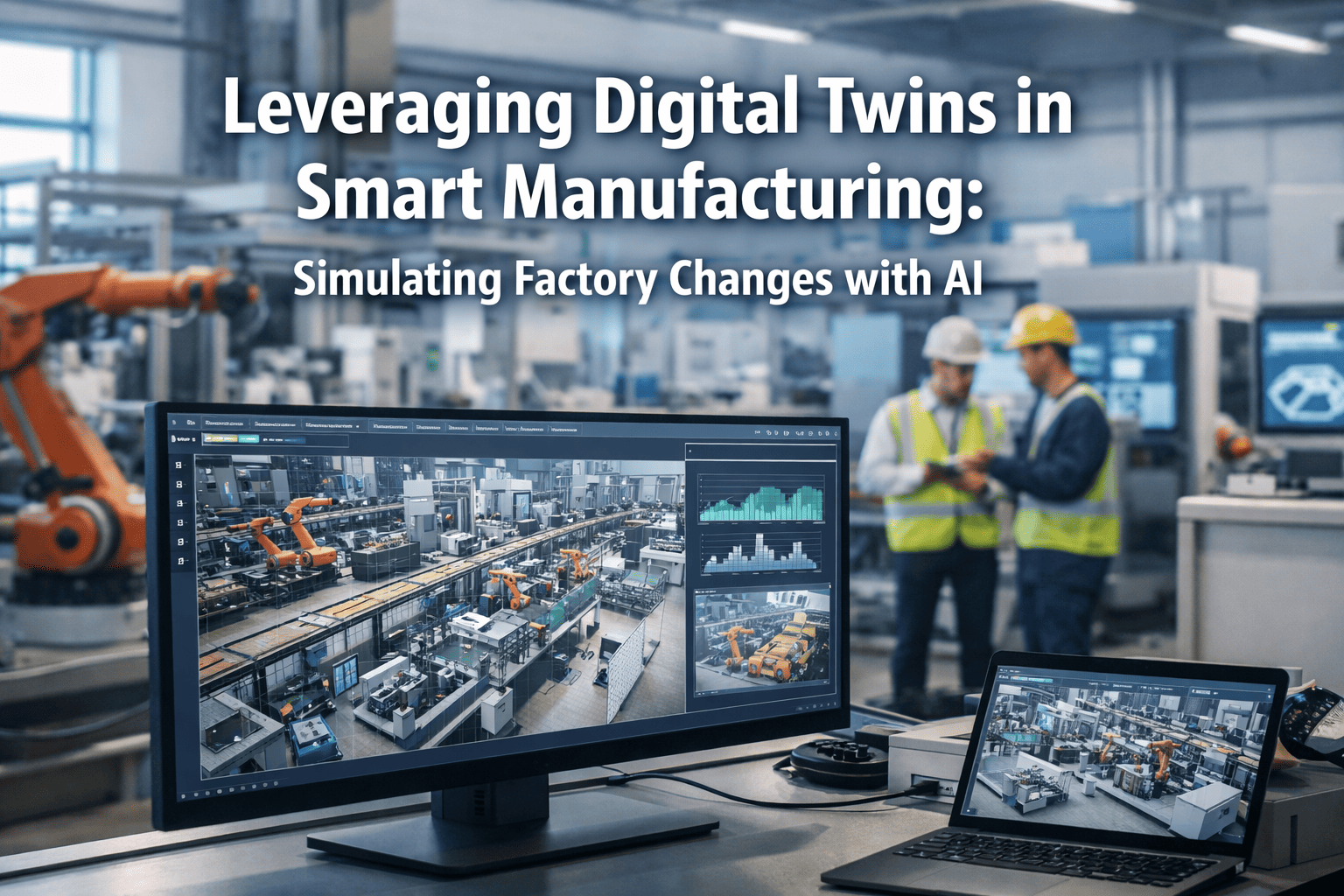


.jpeg)


.jpeg)