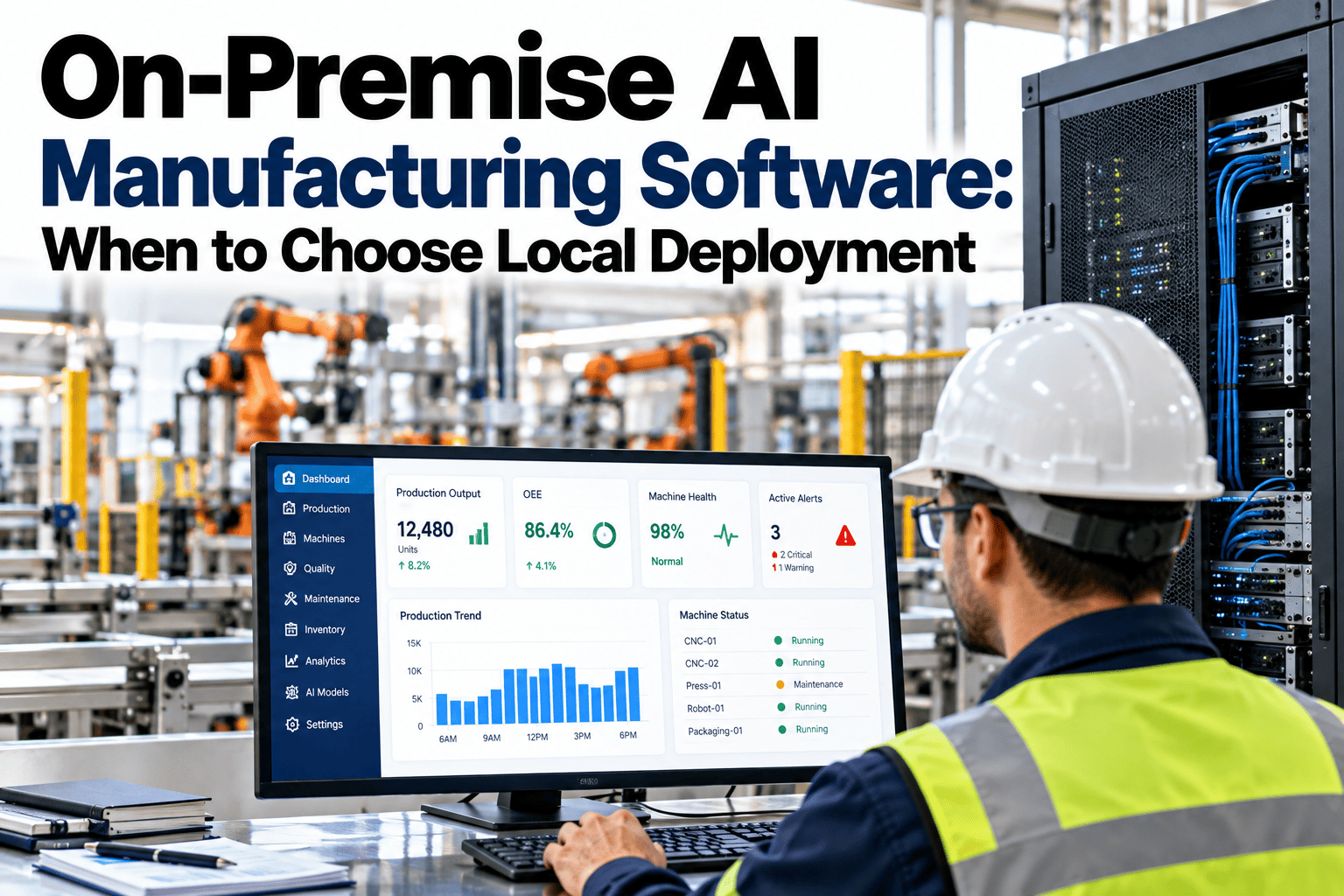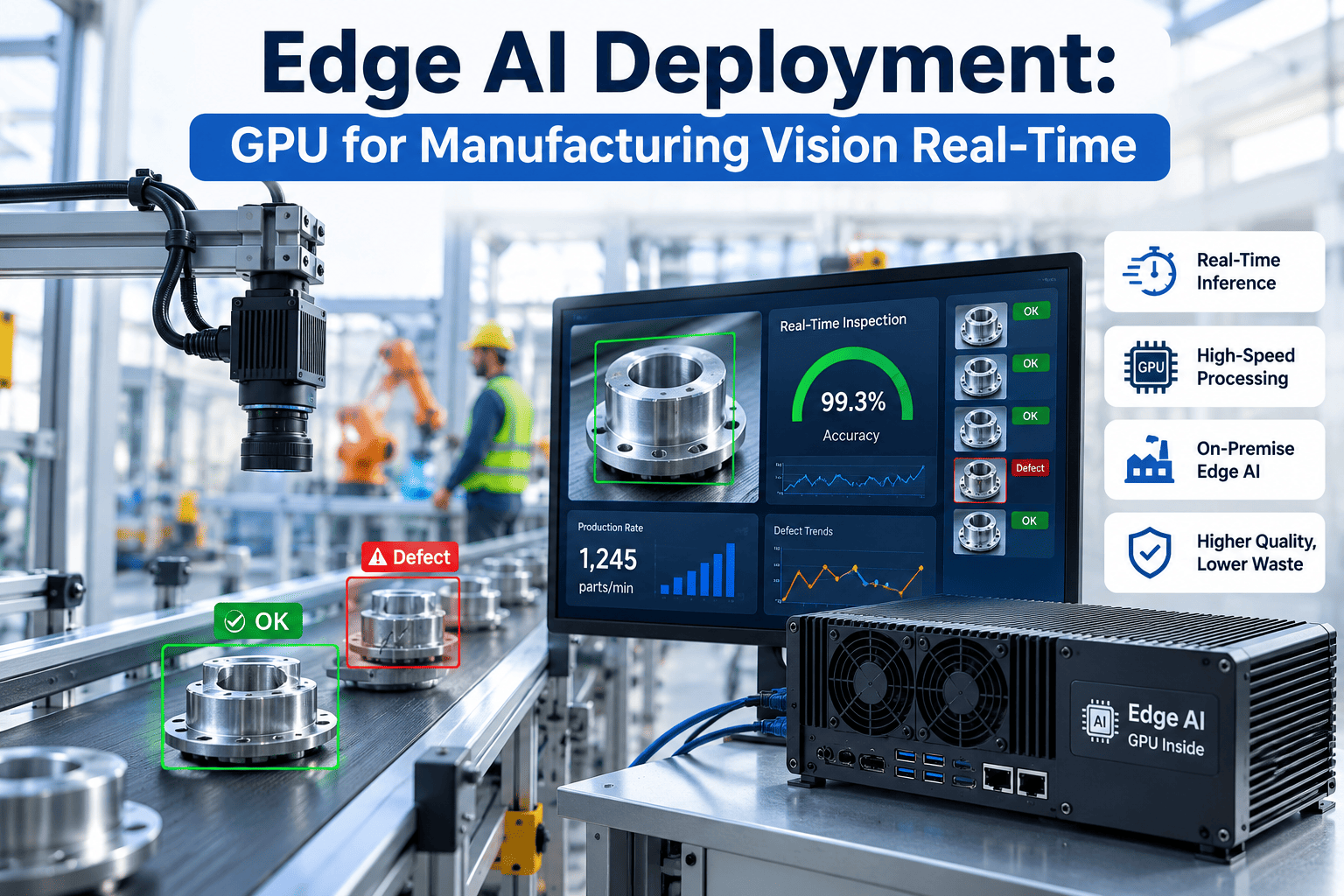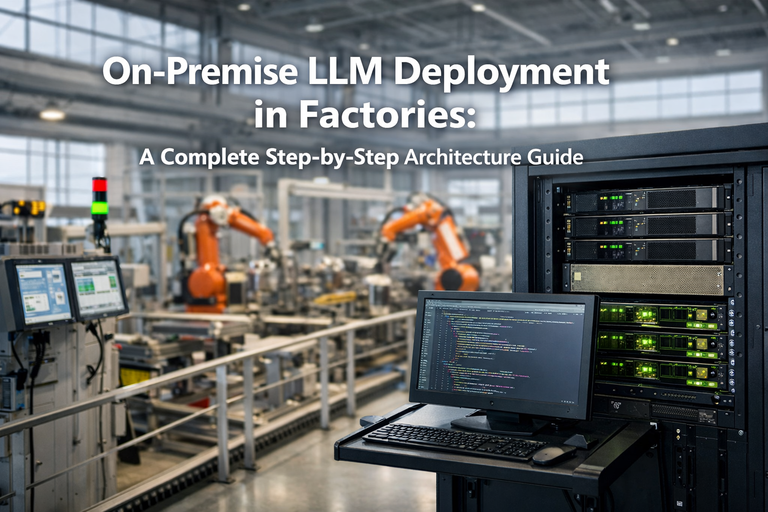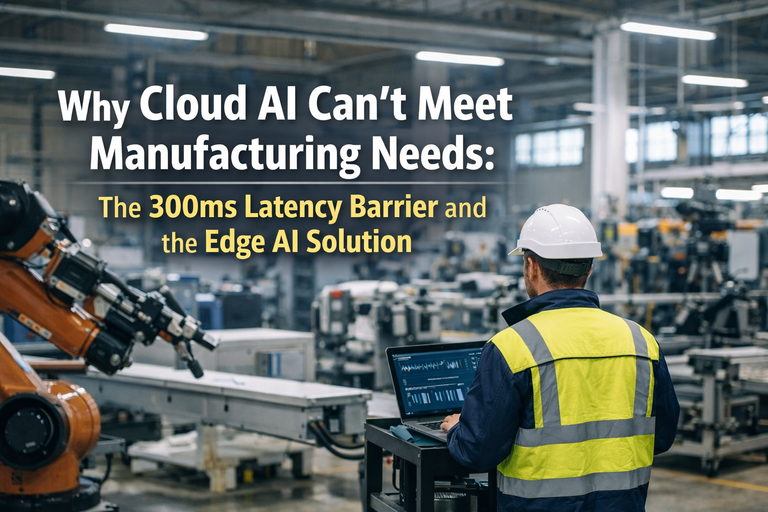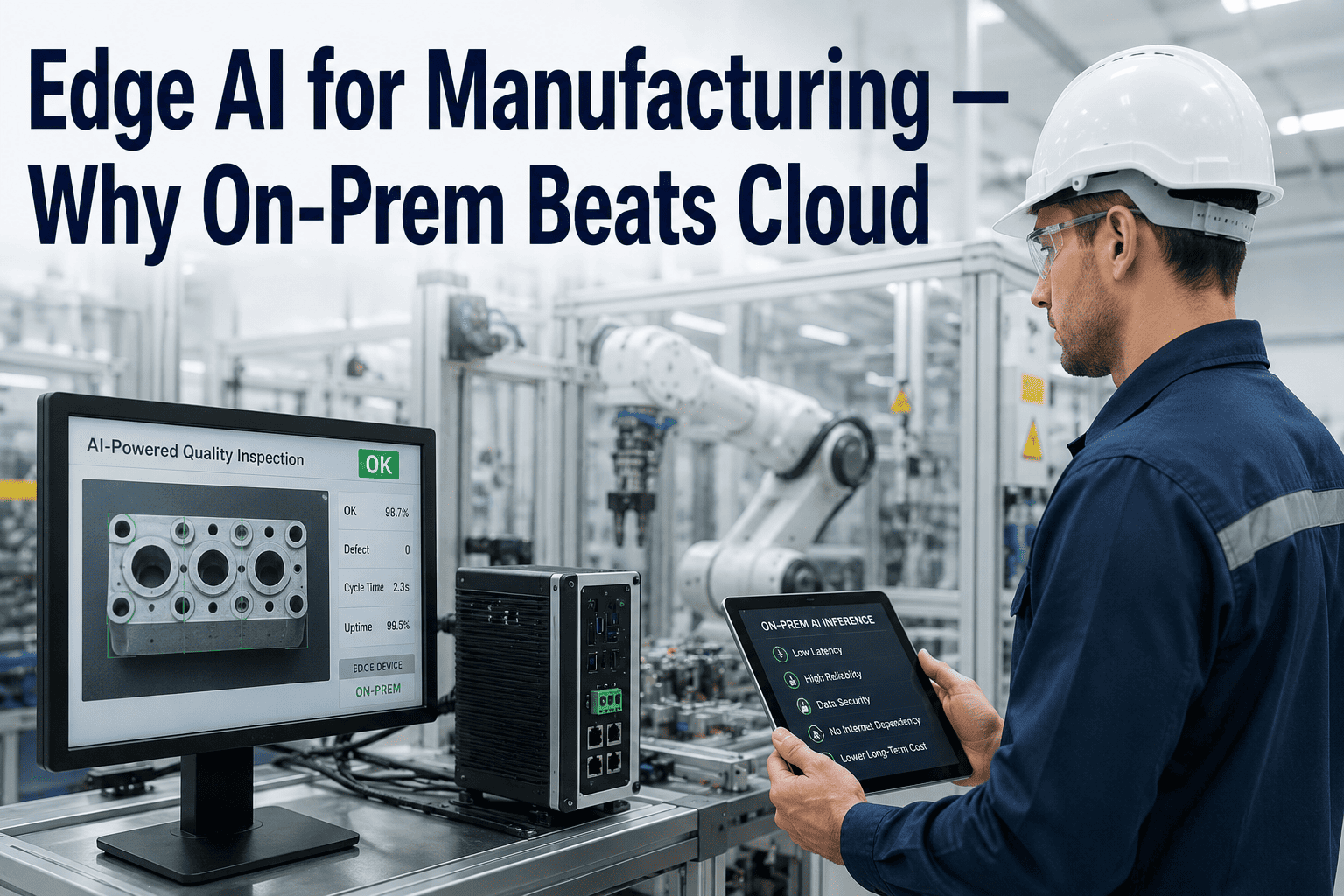
A quality defect on a high-speed packaging line needs a reject decision within milliseconds, not seconds, because by the time a cloud round trip returns an answer the flawed product has already moved three stations down the conveyor. This is the core problem with applying general-purpose cloud AI architecture to real-time manufacturing decisions — network latency, however small it looks on paper, becomes the bottleneck that determines whether an AI system is actually usable on the shop floor or just a dashboard that reports problems after they have already happened. Plants that have tried running vision inspection or predictive control through cloud inference often discover the gap only after deployment, when round-trip delay causes missed rejects, control loop instability, or simply an unacceptable backlog during peak line speed. iFactory AI runs inference at the edge, on infrastructure inside your plant, so decisions that must happen in single-digit milliseconds are never waiting on an internet connection. Book a Demo to see the architecture that fits your line speed requirements.
Why Real-Time Manufacturing Decisions Cannot Wait for a Cloud Round Trip
iFactory AI deploys inference at the edge, inside your plant network, so vision inspection, predictive control, and safety-critical decisions run in single-digit milliseconds instead of waiting on internet round-trip time.
Milliseconds Are the Difference Between a Working System and a Reporting Tool
Manufacturing decisions fall into two very different latency categories, and confusing them is the single most common mistake plants make when architecting an AI deployment. A monthly production report can tolerate minutes of delay without any operational consequence. A reject decision on a bottling line running six hundred units per minute cannot tolerate more than a few milliseconds before the flawed unit is physically past the point where rejection is possible. Cloud inference, even on a fast connection, typically adds fifty to two hundred milliseconds of round-trip latency before accounting for model inference time itself — often enough by itself to make cloud-only architecture unusable for line-speed decisions.
How iFactory AI's Edge Architecture Is Structured
A production-grade edge AI deployment is not simply "the same cloud model running on a local server." It requires a purpose-built architecture that handles model deployment, data buffering, and failover differently than a cloud-first system, because the assumptions about network reliability and latency are fundamentally different on the shop floor.
Local Sensor and Camera Ingestion
Vision cameras, PLC signals, and sensor data are captured directly on local edge hardware, eliminating the network hop to an external cloud endpoint before the first byte of processing happens.
On-Premise Model Inference
Optimized models run on GPU or specialized edge compute hardware inside the plant network, delivering inference results in single-digit milliseconds without ever leaving the local network segment.
Local Decision and Control Action
Reject signals, control adjustments, and alerts are issued directly to PLCs and line controllers from the edge layer, closing the loop without dependency on any external system being reachable.
Cloud Sync for Analytics and Retraining
Aggregated data syncs to the cloud on a non-time-critical schedule for long-term analytics, model retraining, and cross-plant benchmarking, keeping the latency-critical path entirely local.
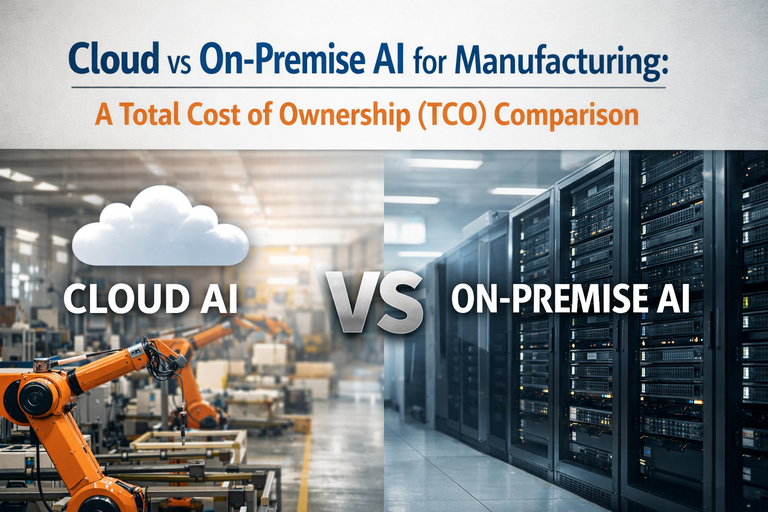
Edge Inference vs. Cloud-Only Inference for Manufacturing
Neither architecture is universally correct — the right choice depends entirely on how time-sensitive the decision is and how reliable your plant's internet connectivity needs to be assumed as. The comparison below reflects the tradeoffs plants most commonly weigh.
- Round-trip latency of 50-200ms or more depending on connection quality
- Inference stops entirely during internet outages or ISP disruptions
- Well suited to non-time-critical analytics and reporting workloads
- Lower on-site infrastructure investment required
- Inference latency under 10ms for line-speed reject and control decisions
- Continues operating fully during internet or WAN outages
- Purpose-built for real-time vision inspection and predictive control
- Cloud sync still available for analytics, without latency dependency
Latency Benchmarks by Manufacturing Use Case
The table below shows representative latency requirements and typical achieved performance across common manufacturing AI use cases, illustrating why architecture choice needs to match the specific decision being automated.
| Use Case | Required Decision Window | Edge Inference Latency | Cloud Inference Latency |
|---|---|---|---|
| High-Speed Reject Detection | <15ms | 3-8ms | 60-220ms |
| Robotic Vision Guidance | <20ms | 5-12ms | 70-250ms |
| Predictive Control Loops | <50ms | 8-15ms | 80-300ms |
| Batch Quality Analytics | Minutes acceptable | Not required | Suitable as-is |
| Monthly Reporting | Hours acceptable | Not required | Suitable as-is |
What Plant IT and Automation Leaders Say About Edge Deployment
We piloted a cloud-based vision inspection system on one of our slower lines first, and it worked fine. When we tried to bring the same architecture to our high-speed line, the round-trip delay meant reject decisions were arriving after the product had already passed the diverter gate. Moving to edge inference solved it completely, and it also meant our inspection kept running during a network outage that would have blinded us for four hours under the old setup.
Get Real-Time AI Decisions That Don't Depend on Your Internet Connection
iFactory AI's edge architecture delivers sub-10ms inference for reject decisions, robotic guidance, and predictive control, with cloud sync reserved for analytics that can wait.
Edge AI for Manufacturing — Frequently Asked Questions
What manufacturing decisions actually require edge AI instead of cloud AI?
Any decision that must happen within the window of a single unit passing an inspection or control point on a high-speed line typically requires edge inference — this includes reject decisions on packaging and bottling lines, robotic vision guidance, and predictive control loops. Decisions with a natural tolerance of seconds, minutes, or longer, such as batch quality analytics or monthly reporting, work fine with cloud-based inference and do not need edge deployment.
Does edge deployment mean we lose the benefits of cloud analytics?
No. iFactory AI's architecture keeps the latency-critical inference path entirely local while still syncing aggregated data to the cloud on a non-time-critical schedule for long-term analytics, cross-plant benchmarking, and model retraining. You get the real-time responsiveness of edge inference and the broader analytical capability of cloud infrastructure, without either one depending on the other for daily operation.
What hardware is required to run edge AI on our plant floor?
Edge deployment typically requires local GPU or specialized inference hardware sized to your specific model and line speed requirements, installed within your existing plant network. Contact Support for a hardware sizing recommendation based on your camera count, inference frequency, and model complexity before committing to a specific configuration.
What happens to edge inference during a network or internet outage?
Edge inference continues operating normally during an internet or wide-area network outage, because the inference path never depends on external connectivity in the first place. Only the non-time-critical cloud sync for analytics and reporting is paused until connectivity is restored, and buffered data typically catches up automatically once the connection returns.
How do edge AI models get updated once deployed on the floor?
Model updates are pushed to edge hardware through a managed deployment pipeline that validates new model versions against a holdout data set before rollout, minimizing the risk of a bad update disrupting live production. Book a Demo to see the update and rollback workflow used across active edge deployments.