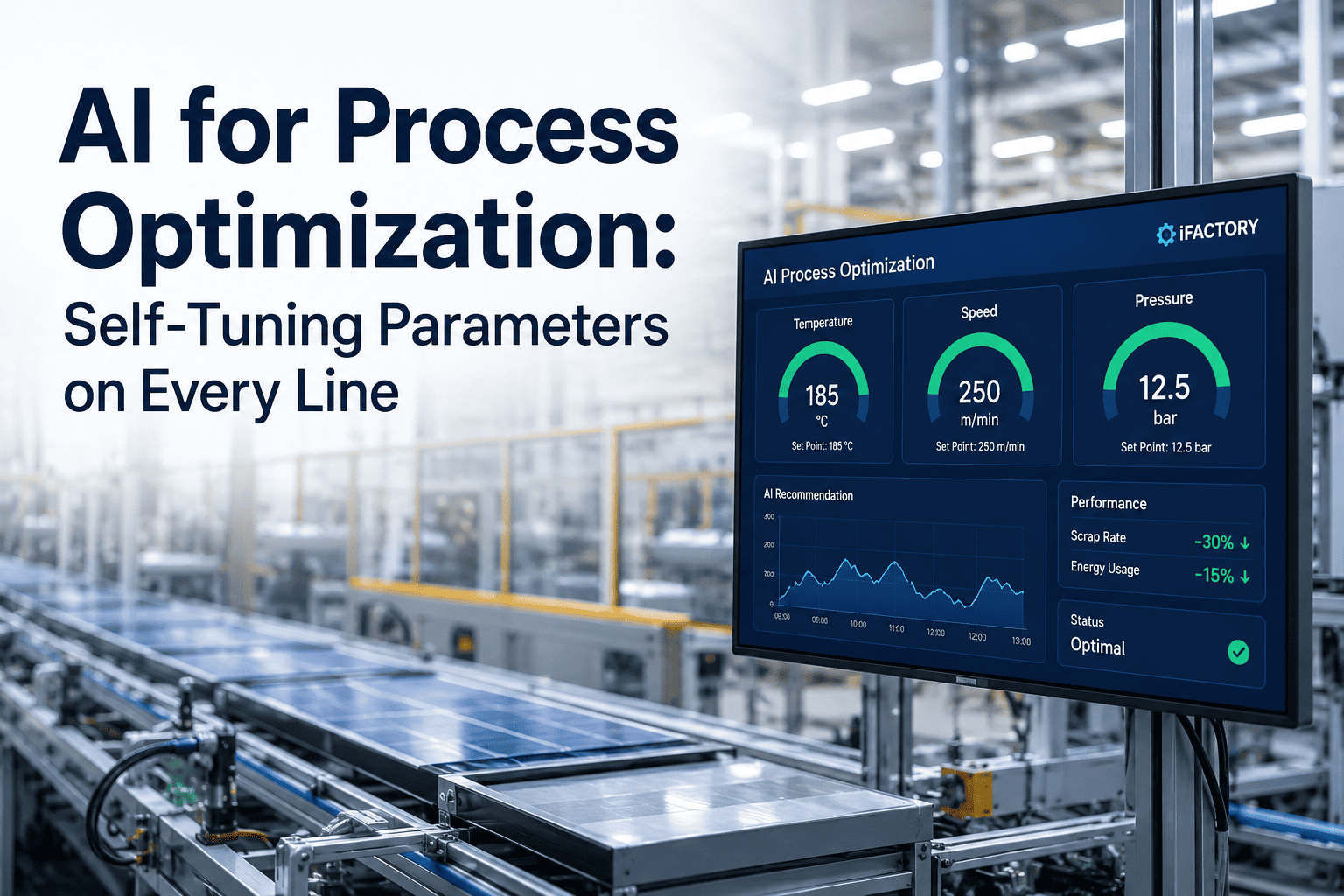
Push a mill to 1,850 meters per minute and tonnage looks great on the shift report, right up until Cpk starts sliding and a customer rejects a coil. Drop back to 1,780 to protect quality and the same shift suddenly falls short of its production target. Mill superintendents have been splitting this difference by feel for decades — an AI trade-off engine finds the actual optimal speed per recipe, per coil, per shift, using live Cpk trajectory instead of a gut-feel number.
Faster Isn't Always Better. Slower Isn't Always Safer.
Mill speed and product quality pull against each other on every run. An AI trade-off engine tracks the live Cpk trajectory against the customer's spec band and recommends the speed that holds both at their real limit, not a padded guess.
Two Speeds, Two Very Different Problems
Every superintendent has lived both sides of this trade-off, usually in the same week.
Tonnage Looks Great
Throughput hits target, but the Cpk trend starts drifting toward the edge of the customer's tolerance band, and rejects start showing up downstream.
Quality Holds, Tonnage Slips
Cpk stays comfortably in range, but the shift falls short of its production target and the schedule for the next order slips with it.
What the Trade-Off Engine Is Actually Solving For
Not a fixed speed, and not a fixed Cpk target — the highest speed that still holds Cpk inside the customer's specific spec band for this specific recipe.
Stop Choosing Between Tonnage and Tolerance
iFactory's AI Copilot recommends the optimal mill speed per recipe, based on the live Cpk trajectory and the customer's actual spec band — updated as the run progresses.
The Same Decision, Two Different Inputs
Experienced superintendents already know the general trade-off. The difference is whether the specific number comes from feel or from live data.
| Capability | Speed Set by Experience Alone | AI Trade-Off Engine |
|---|---|---|
| Basis for the speed setting | Past experience and shift feel | Live Cpk trajectory per recipe |
| Response to drift mid-run | Noticed after the fact | Recommendation updates in real time |
| Customer spec band awareness | General rule of thumb | Exact band for this specific order |
| Consistency across shifts | Varies by who's running the shift | Same logic applied every shift |
Four Inputs Behind Every Speed Suggestion
The recommendation isn't a single formula applied blindly — it's built from the specific conditions of the run in progress.
Live Cpk Trend
The current process capability trajectory for the coil in progress, not a historical average.
Customer Spec Band
The exact tolerance range for this specific customer and order, not a generic plant-wide default.
Recipe Parameters
The recipe's own speed-sensitivity characteristics, which vary meaningfully between products.
Shift Production Target
The tonnage goal for the current shift, weighed against how much quality margin is available to spend.
From Live Data to a Speed Recommendation
The engine runs continuously against the current coil, not as a one-time calculation at the start of a shift.
Stream Live SPC and Cpk Data
The current coil's process readings feed into the trade-off engine continuously as the mill runs.
Compare Against the Customer Spec Band
The live Cpk trajectory is checked against the exact tolerance range tied to the current order.
Calculate the Sweet Spot
The engine identifies the highest sustainable speed that keeps Cpk inside the required band for this recipe.
Surface the Recommendation to the Copilot
The superintendent sees the suggested speed and the reasoning behind it, and makes the final call.
Mill Speed Optimization — Questions Answered
What mill superintendents typically ask before trusting an AI recommendation on live speed decisions.
Q: Does the AI Copilot change the mill speed automatically?
No, the Copilot surfaces a recommended speed along with the reasoning behind it, but the superintendent makes the final call on whether to apply it. This keeps an experienced operator in control of the decision while giving them a data-backed number instead of relying purely on feel, especially on recipes or customers they run less frequently. You can book a demo to see the recommendation flow exactly as it appears on the floor.
Q: How quickly does the recommendation update if quality starts drifting?
The recommendation recalculates continuously as new SPC readings come in from the coil in progress, so a Cpk trend moving toward the edge of the spec band shows up in the suggested speed within the same run, not at the next shift review. This is what makes the tool useful mid-run rather than only as a planning input before the coil starts.
Q: Does this account for different recipes having different speed sensitivity?
Yes, the trade-off engine factors in each recipe's own relationship between speed and quality, since some products tolerate higher speeds with minimal Cpk impact while others are far more sensitive. This recipe-specific behavior is part of why the recommended speed varies as much as it does between products even at similar tonnage targets. Our support team can walk through how your recipe library maps into this.
Q: What happens if the shift's tonnage target and the quality band genuinely conflict?
The engine will surface the highest speed that keeps Cpk within the required band, even if that speed falls short of the shift's tonnage target, rather than silently favoring one goal over the other. That gap becomes visible information the superintendent and planning team can act on, whether that means adjusting the schedule or flagging the target as unrealistic for that specific recipe and spec combination.
Q: Can this be used to compare speed strategies across shifts and superintendents?
Yes, because the recommendation logic is consistent, the actual speed decisions made by different superintendents on similar runs become directly comparable, which many plants use to spot where experienced judgment is adding value beyond the recommendation and where it's costing tonnage or quality unnecessarily.
Find the Speed That Protects Both Tonnage and Tolerance
Stop splitting the difference between throughput and quality by feel. iFactory's AI Copilot recommends the optimal mill speed per recipe, per coil, per shift, based on the live Cpk trajectory and the customer's actual spec band.