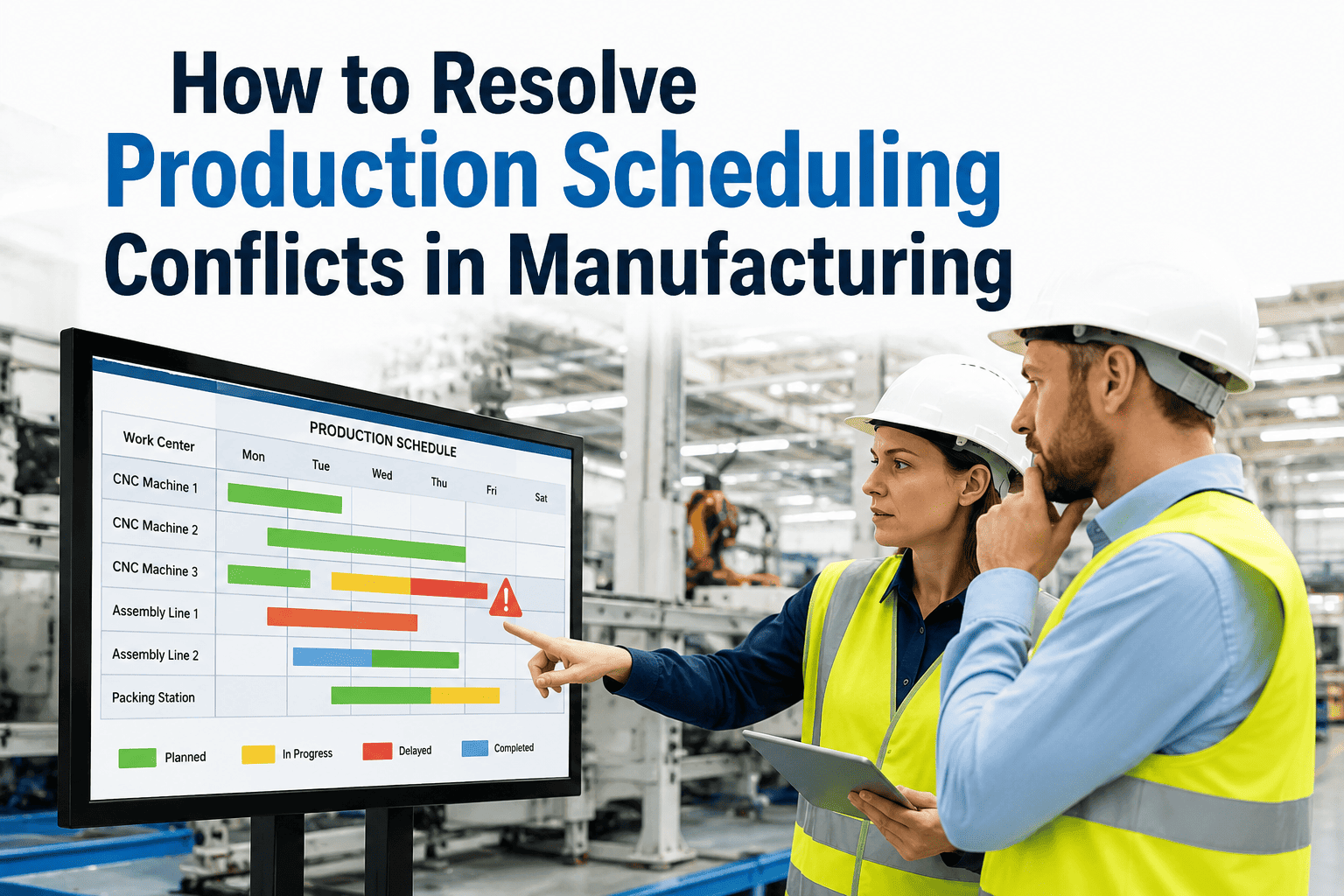
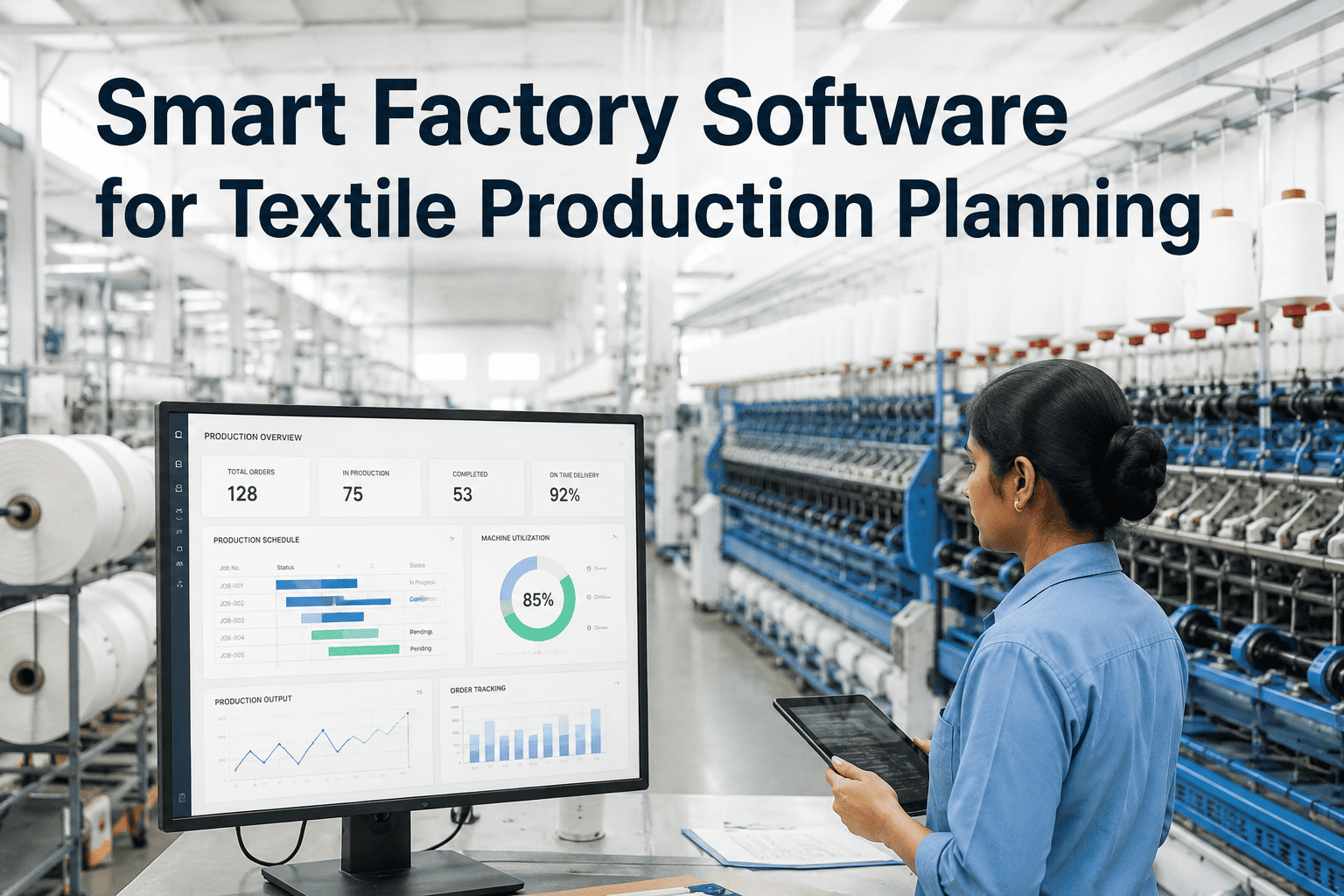
Ask three shift supervisors on the same molding line what "running well" looks like and you'll typically get three different answers, because most plants define good performance by memory rather than by data. A golden-run baseline changes that conversation entirely: it captures the exact speed, temperature, and cycle rhythm from the single best-documented run on that line, then measures every subsequent shift against it in real time. Plants using golden-run baselines on molding and extrusion lines report OEE gains of 8 to 15 percentage points within the first two quarters, simply by closing the gap between average shifts and the plant's own best-ever performance. Operations leaders can book a demo to see a live baseline built from their own historical run data.
OEE INTELLIGENCE · PLASTICS PRODUCTS · GOLDEN-RUN AI
Make Every Shift Perform Like Your Best One
AI-built golden-run baselines from molding and extrusion history give every operator a live target instead of a monthly report card.
The Three Levers Behind Every OEE Number
Availability
Time the line is actually running versus scheduled, eroded by changeovers, jams, and unplanned stops.
Performance
Actual cycle speed against the theoretical maximum, the metric most affected by minor stoppages nobody logs.
Quality
Good parts produced versus total parts run, directly tied to scrap, rework, and startup waste.
Where Plastics Lines Silently Lose OEE Points
Most OEE loss on molding and extrusion lines doesn't come from one dramatic breakdown, it comes from a dozen small, undocumented gaps between what the line could do and what it actually did.
Micro-stoppages under 5 minutes, rarely logged individually (38% of total loss)
Changeover time exceeding standard due to inconsistent setup practices (27% of total loss)
Cycle speed drift below rated speed without alarm thresholds (20% of total loss)
Startup scrap after every changeover before parameters stabilize (15% of total loss)
See Your Line's Golden Run Rebuilt From Its Own History
No new hardware required to start, most plants already have the historical data needed to build a first baseline.
How a Golden-Run Baseline Gets Built
Phase 1
Historical Mining
The model scans months of historian data to find the single best-documented run for each product and mold combination.
Phase 2
Baseline Validation
Process engineers confirm the identified golden run is repeatable and not an anomaly caused by unusual conditions.
Phase 3
Live Comparison
Every active shift is scored in real time against the baseline, with deviation alerts routed to the operator screen.
Phase 4
Baseline Refresh
As new best runs occur, the golden baseline updates, keeping the target realistic rather than stuck on outdated equipment performance.
Shift Comparison: Before and After Golden-Run Targets
| Metric | Before Baseline | After Golden-Run Targets |
| Average OEE |
61-68% |
74-83% |
| Changeover Time |
Inconsistent by operator |
Standardized to best-run pace |
| Micro-Stoppage Visibility |
Rarely tracked individually |
Logged and attributed automatically |
| Startup Scrap |
Absorbed as normal cost |
Actively minimized against baseline curve |
Giving Operators a Real-Time Target, Not a Monthly Report
Live Pace Indicator
Operators see current cycle pace against the golden-run curve throughout the shift, not just a summary the next morning.
Deviation Alerts
When performance drifts a defined margin below baseline, the system flags the specific cause category for faster response.
Shift Leaderboards
Comparing shifts against the same objective baseline, rather than each other's memory, removes disputes over which crew ran best.
OEE Questions Plant Leaders Ask
Do we need new sensors to build a golden-run baseline?
Most plants can build an initial baseline using historian data already collected from existing PLCs and SCADA systems, since molding and extrusion equipment typically logs cycle time, temperature, and pressure by default. Additional sensors become useful later for finer-grained micro-stoppage detection, but they are not required to get a first working baseline in place. A review of your existing data sources is available through
support.
What if our best historical run isn't actually repeatable?
This is exactly why the validation phase exists: process engineers review the candidate golden run against tooling condition, material lot, and environmental factors before it becomes the live target. If a run turns out to be an outlier caused by unusual conditions, the model selects the next best repeatable run instead, keeping the baseline realistic and achievable for regular shifts.
How is this different from the OEE dashboard we already have?
Standard OEE dashboards typically report a single percentage after the fact, which tells a supervisor how the shift went but not why or what to do differently in real time. A golden-run baseline turns that same data into a live, actionable target that operators can see and respond to during the shift itself, closing the loop between measurement and action.
Can different molds on the same press each get their own baseline?
Yes, baselines are built per product and mold combination rather than per machine, since cycle time and quality expectations vary significantly between different tools running on the same press. This means an operator switching molds mid-week is always measured against the correct target for whatever job is currently loaded, not a generic press-wide average.
How long before we see a measurable OEE improvement?
Most plants see initial gains within the first four to six weeks once operators have live visibility into the baseline, with the larger 8 to 15 point improvement typically compounding over the first two quarters as changeover and micro-stoppage patterns get addressed. Booking a
demo is the fastest way to see a projection built from your own historical run data.
Close the Gap Between Average and Best-Ever
Turn your best historical run into every shift's live target and start closing OEE gaps this quarter.