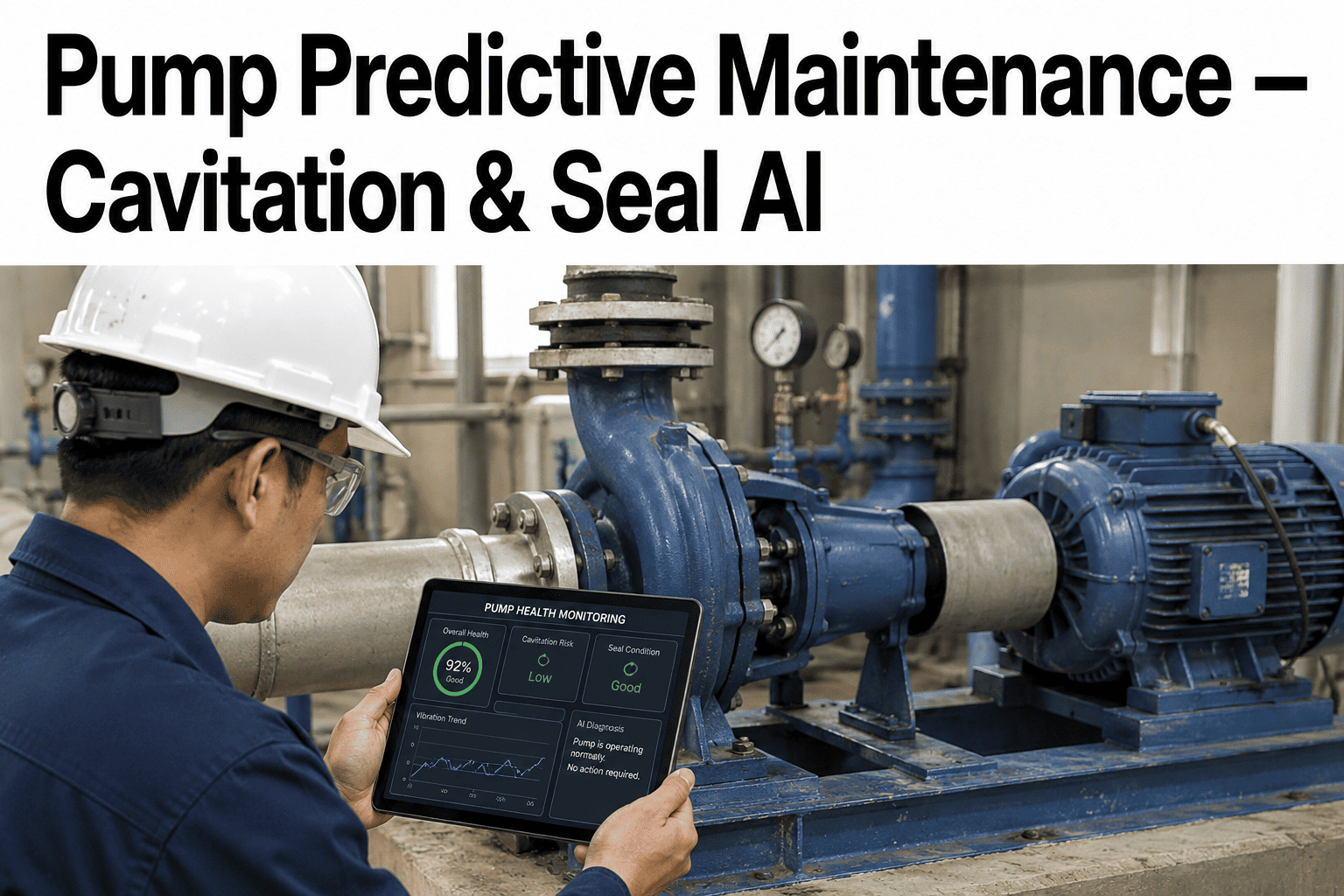
A 75 kW centrifugal pump that seizes on a Tuesday afternoon usually starts as an $4,800 seal-and-bearing repair, and ends as a $62,000 event once lost production hours, emergency callout fees, spilled process fluid, and expedited parts shipping are added on top. The average industrial pump runs over six thousand hours a year, and the vibration, temperature, and pressure signals it produces are quietly announcing cavitation, seal degradation, and bearing wear weeks before catastrophic failure, but only if something is actually listening. AI-based predictive maintenance turns that constant stream of sensor noise into a specific, actionable warning before the pump becomes tomorrow's emergency work order.
iFactory detects cavitation, seal degradation, and bearing wear 3–6 weeks before failure, across your entire pump fleet.
Pump Failures Are Rarely Sudden
Pump failures account for roughly 30% of all rotating equipment downtime, and the common thread across nearly every one of them is that the warning signs were present for weeks before the actual failure. A single unplanned pump failure typically costs between $25,000 and $150,000 once lost production, emergency repair, and secondary damage to piping and driven equipment are included, which is a steep price for a problem that vibration and temperature data had already flagged.
The Three Failure Modes That Take Down Most Pumps
Each failure mode leaves a distinct signature in vibration, temperature, or pressure data well before it becomes visible on the plant floor. Recognizing the specific signature is what separates a predictive alert from a generic "check the pump" notification.
Cavitation
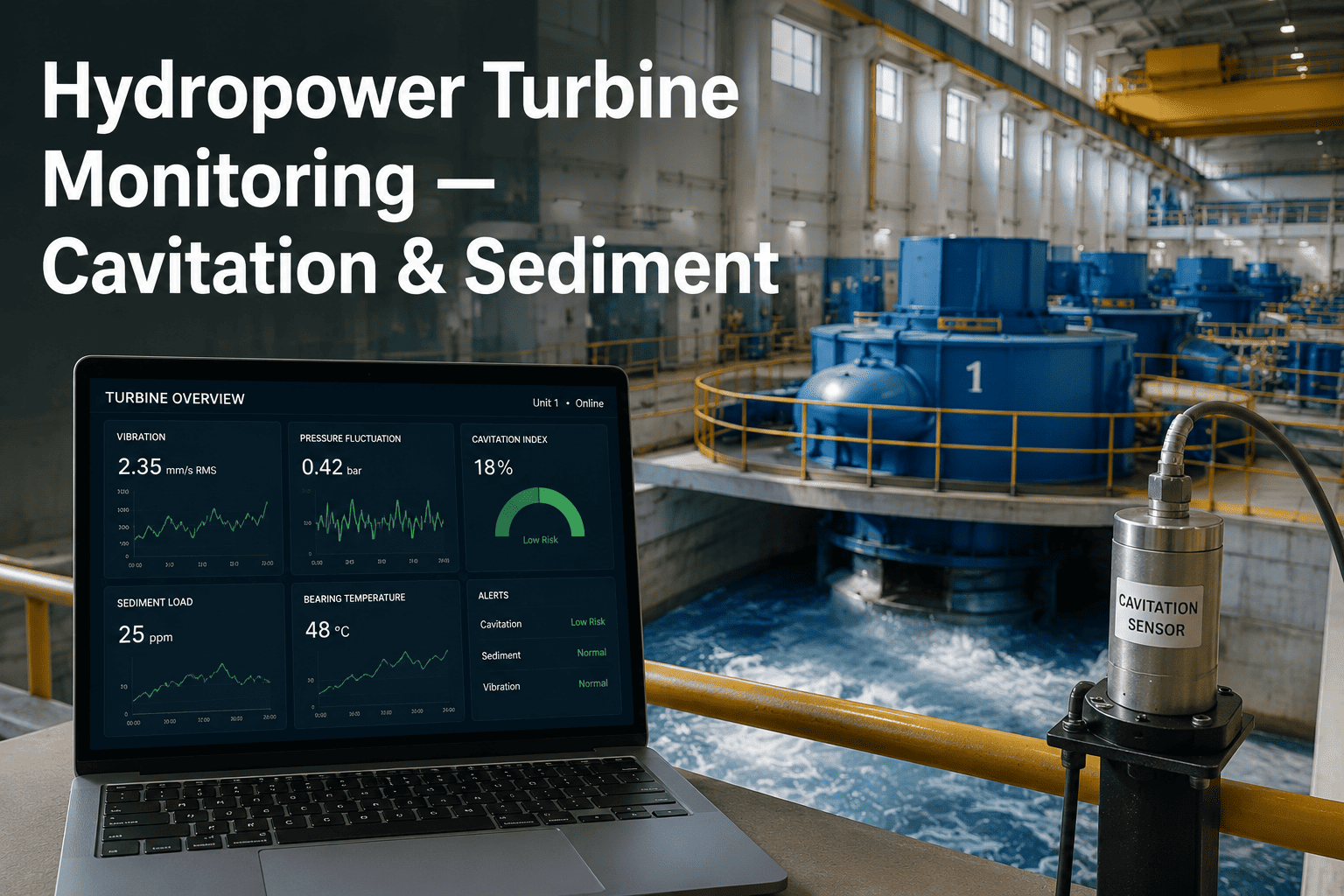
Vapor bubbles collapsing violently on impeller surfaces produce a distinctive gravelly, high-frequency acoustic signature. Left unaddressed, cavitation typically destroys an impeller within four to eight weeks, but erratic pressure readings and vibration spikes flag it long before that.
Seal Degradation
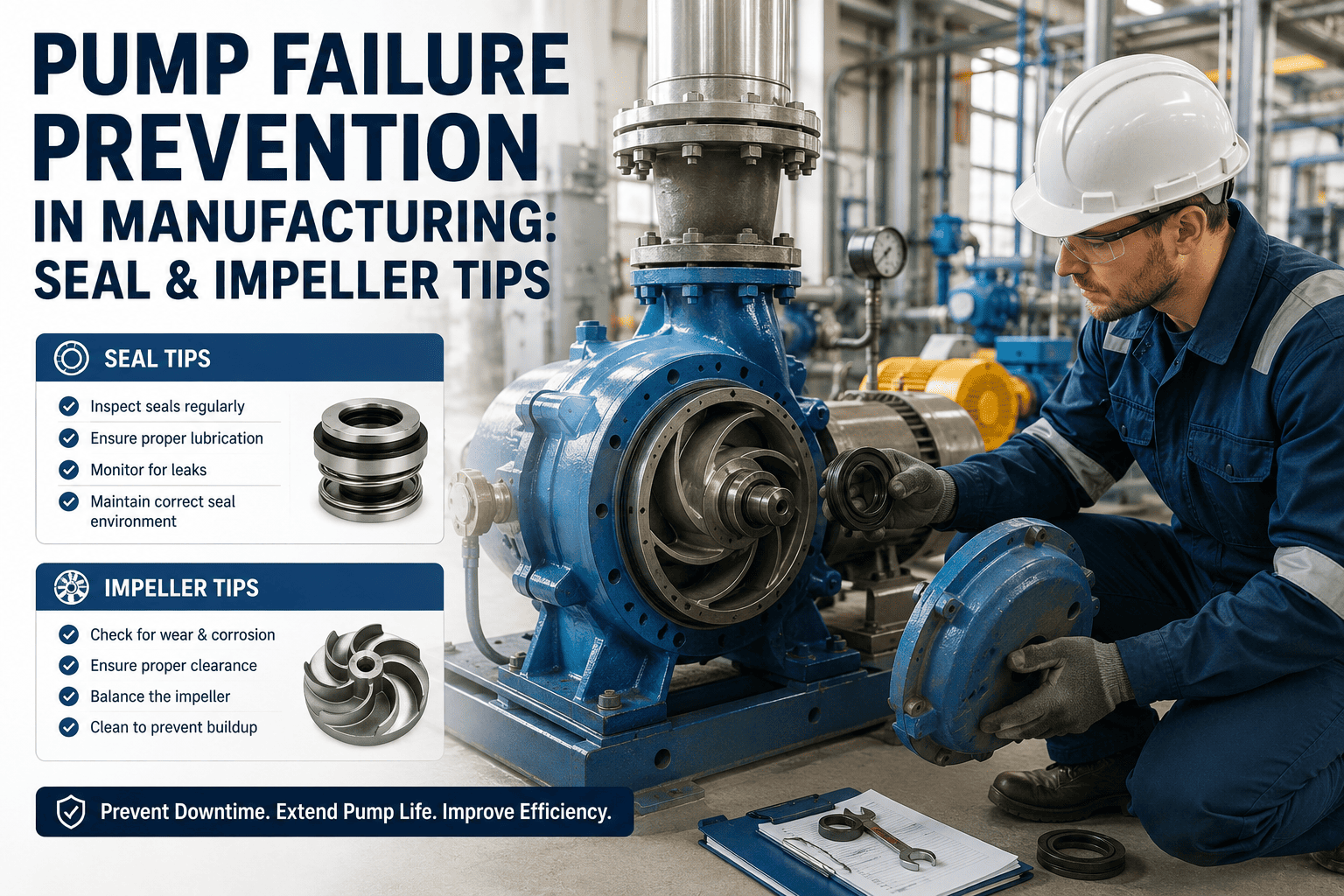
Face wear and elastomer breakdown raise flush flow rates and reduce seal pressure integrity gradually, showing up as a temperature rise at the seal housing combined with a minor flow decrease well before process fluid actually escapes.
Bearing Wear
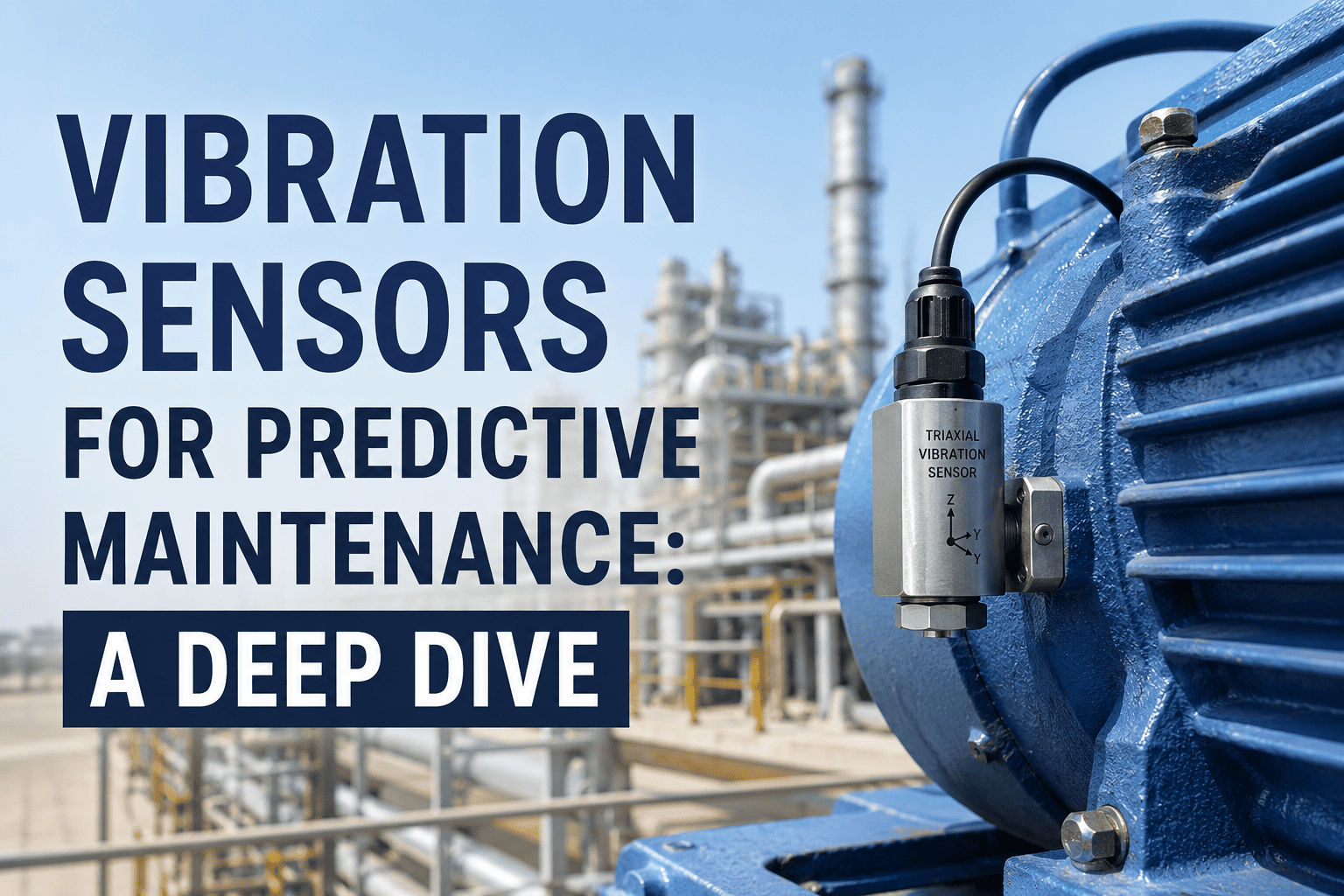
Vibration frequency shifts and amplitude increases signal bearing wear 15 to 20 days before seizure, with bearing temperature typically climbing 8 to 15 degrees Celsius above baseline as the condition progresses toward failure.
How Much Advance Warning Each Failure Mode Gives You
Lead time varies significantly by failure mode, which is why prioritizing which signals to monitor first matters. Book a demo to see prediction lead time modeled against your specific pump fleet.
| Failure Mode | Primary Detection Signal | Typical Lead Time |
|---|---|---|
| Bearing degradation | Vibration frequency shift, thermal rise | 7–20 days |
| Seal degradation | Temperature rise, flush flow increase | 10–21 days |
| Cavitation | Acoustic signature, pressure fluctuation | Hours to days once active |
| Thermal overload | Motor current, winding temperature | 4–6 hours to days |
| Impeller wear | Flow efficiency, differential pressure | Weeks, gradual trend |
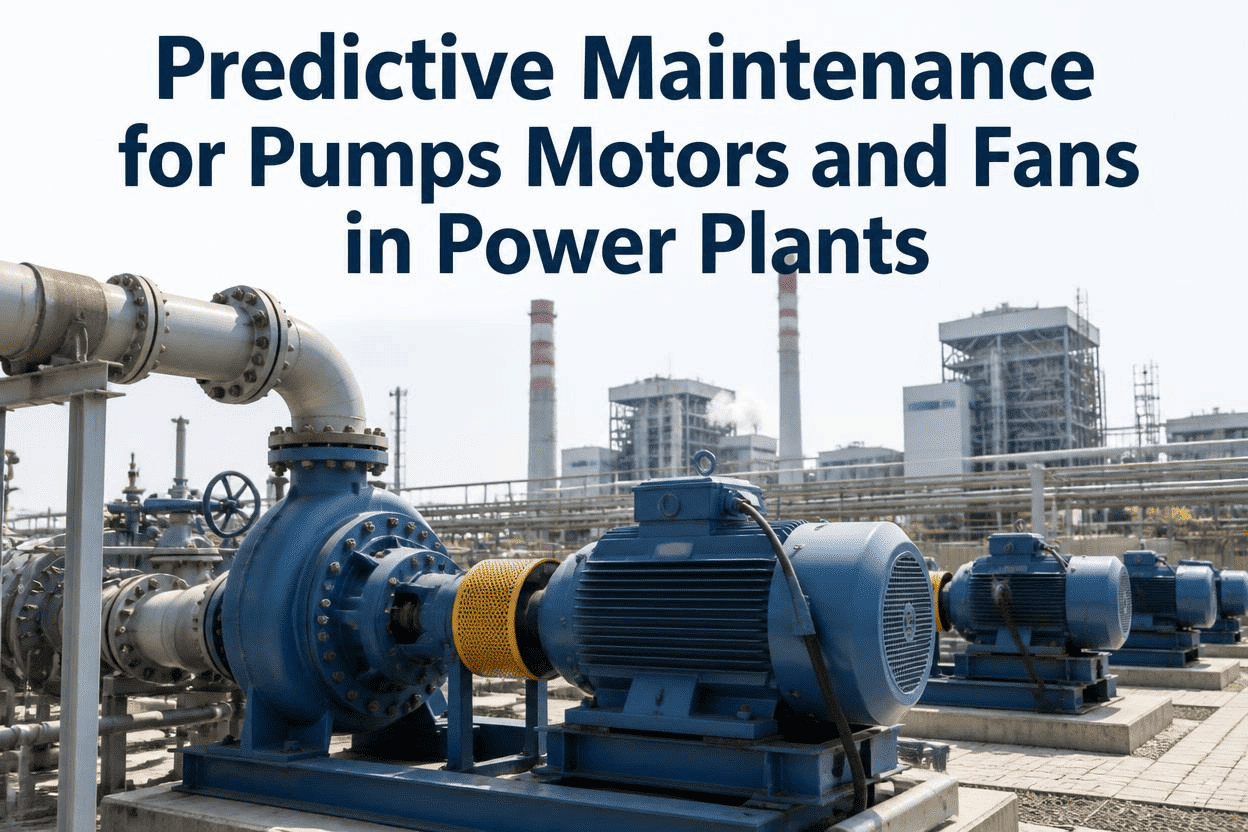
Vibration, temperature, pressure, and current signatures across your fleet, monitored continuously and turned into prioritized maintenance action.
Reactive Maintenance vs. AI-Predicted Pump Maintenance
- Pump treated identically regardless of duty cycle
- Failures discovered when the pump stops
- Repairs happen as emergency callouts
- Healthy pumps over-serviced, at-risk pumps miss the window
- Maintenance scheduled around actual condition
- Cavitation, seal, and bearing issues caught weeks early
- Repairs scheduled during planned downtime windows
- Work orders auto-generated with parts requisitions
Frequently Asked Questions
Does this work on positive displacement and submersible pumps, or only centrifugal?
All three. Centrifugal, positive displacement including gear, screw, and piston types, and submersible pumps each have distinct failure signatures, so detection models are specialized for centrifugal bearing wear, PD pump internal leakage, and submersible motor winding stress rather than applying one generic model across every pump type.
What sensors are actually required to get this running?
Vibration, temperature, pressure, and motor current signals are the core inputs, and many plants already have some subset of these in place. Where a pump lacks instrumentation, retrofit sensors are added without requiring pump disassembly, and the model begins establishing a condition baseline from the first weeks of live data.
How accurate are the failure predictions in practice?
Overall prediction accuracy exceeds 90% for the most common failure modes, with bearing failures reaching roughly 96% accuracy due to well-characterized vibration signatures. Book a demo to see confidence intervals and prediction accuracy for your specific pump models.
Can this integrate with our existing CMMS and work order system?
Yes. Predictive alerts automatically generate work orders with the affected asset, fault type, and recommended action, and parts requisitions can be triggered from the same alert. This closes the loop between detection and action instead of leaving a flagged anomaly sitting in a dashboard nobody reviews until it is too late.
Our pumps handle abrasive slurry and variable-speed operation. Does that change anything?
It changes the baseline, not the approach. A pump handling abrasive slurry with variable frequency drive operation wears very differently than the same model handling clean water at constant speed, and the model accounts for that by learning a condition baseline specific to each installation rather than applying one generic wear curve across every pump of the same type.
See cavitation, seal, and bearing detection running against your own pump fleet before you commit to anything.