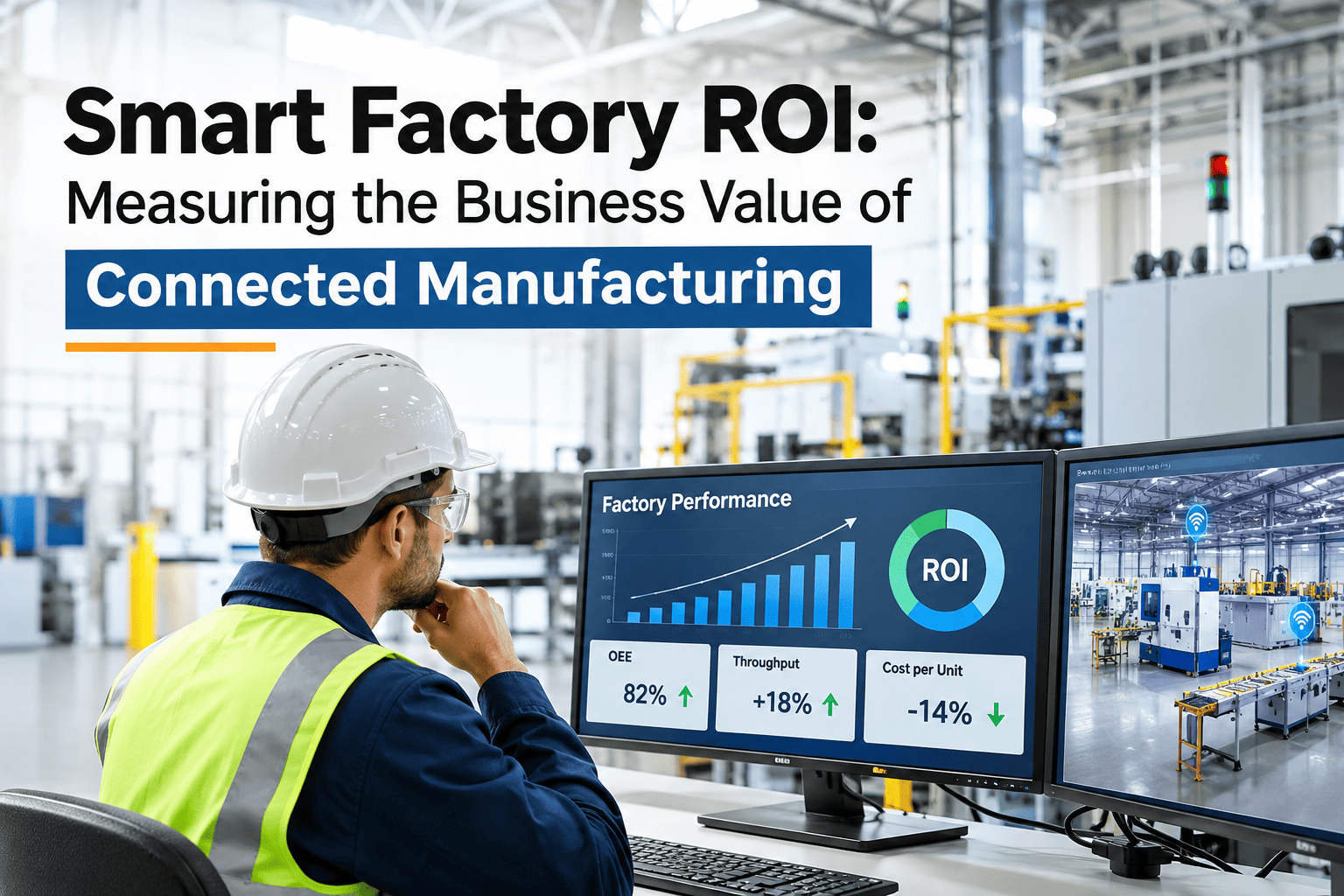
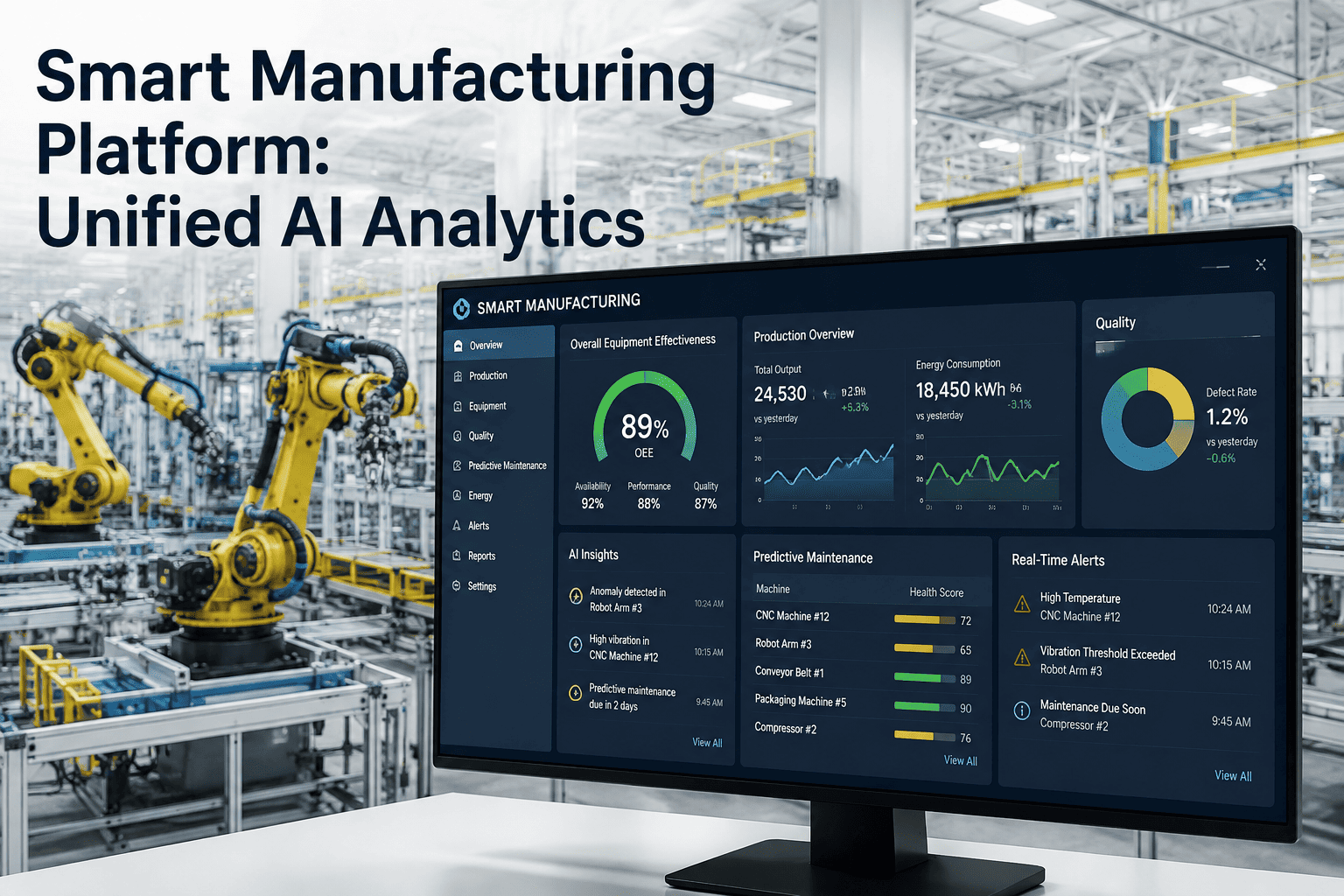
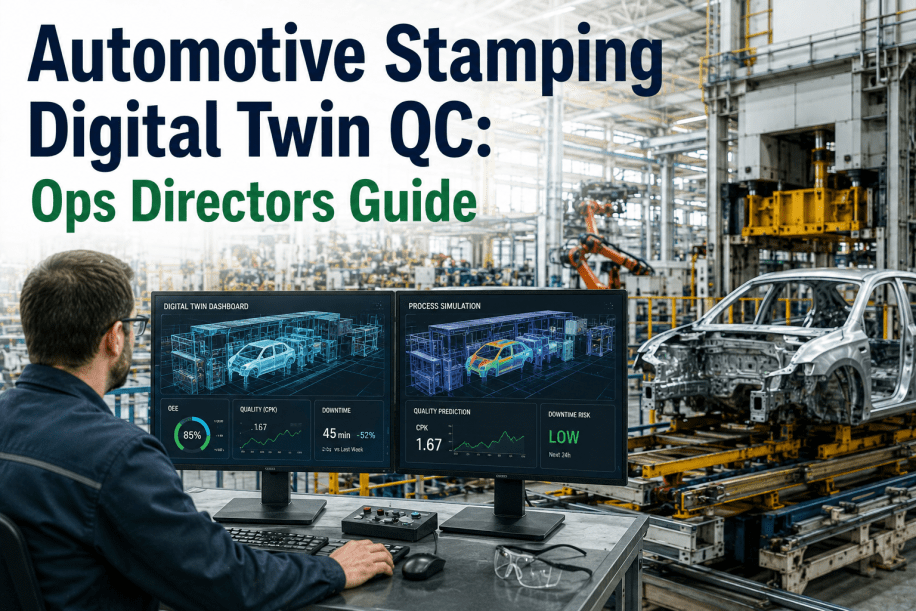
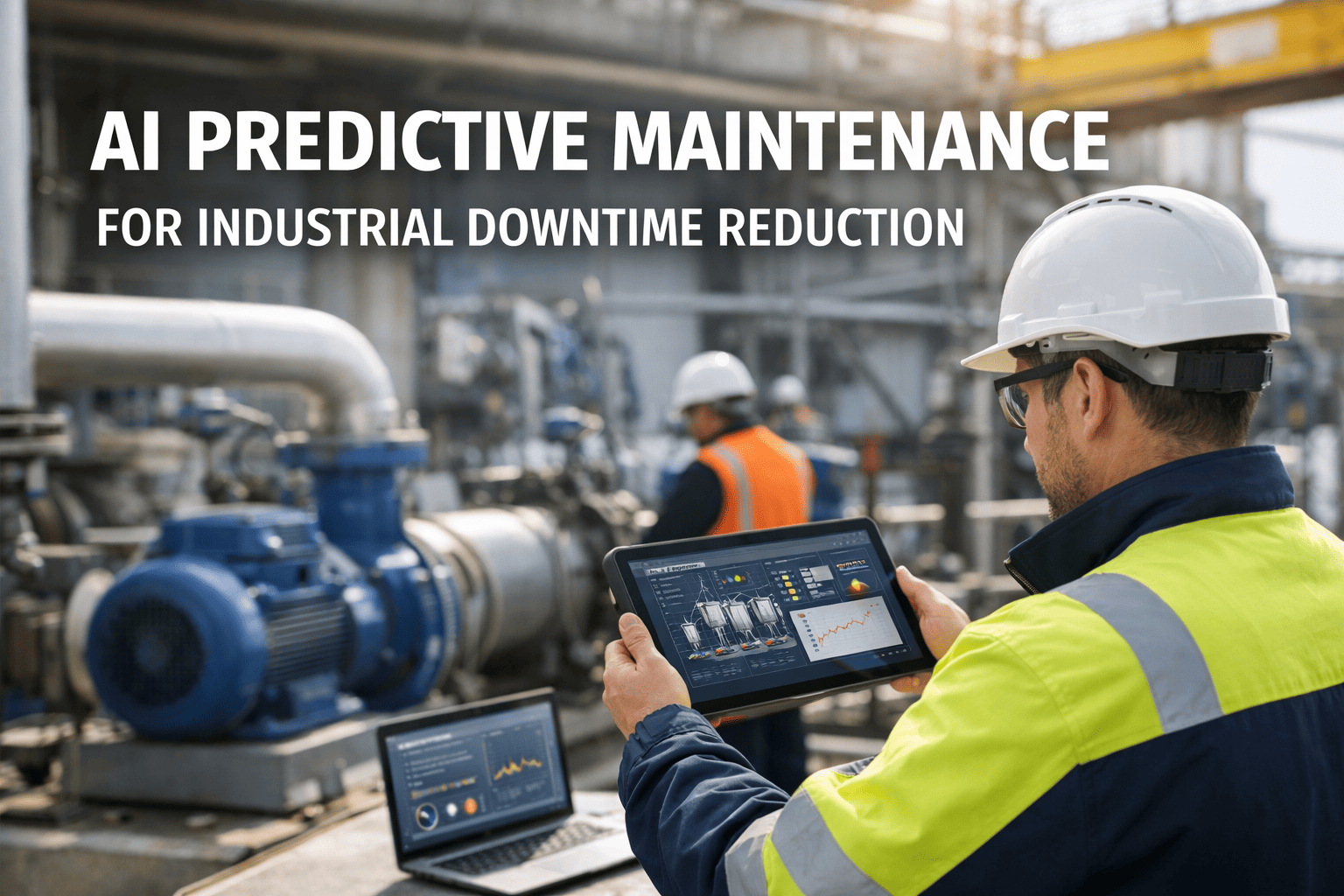
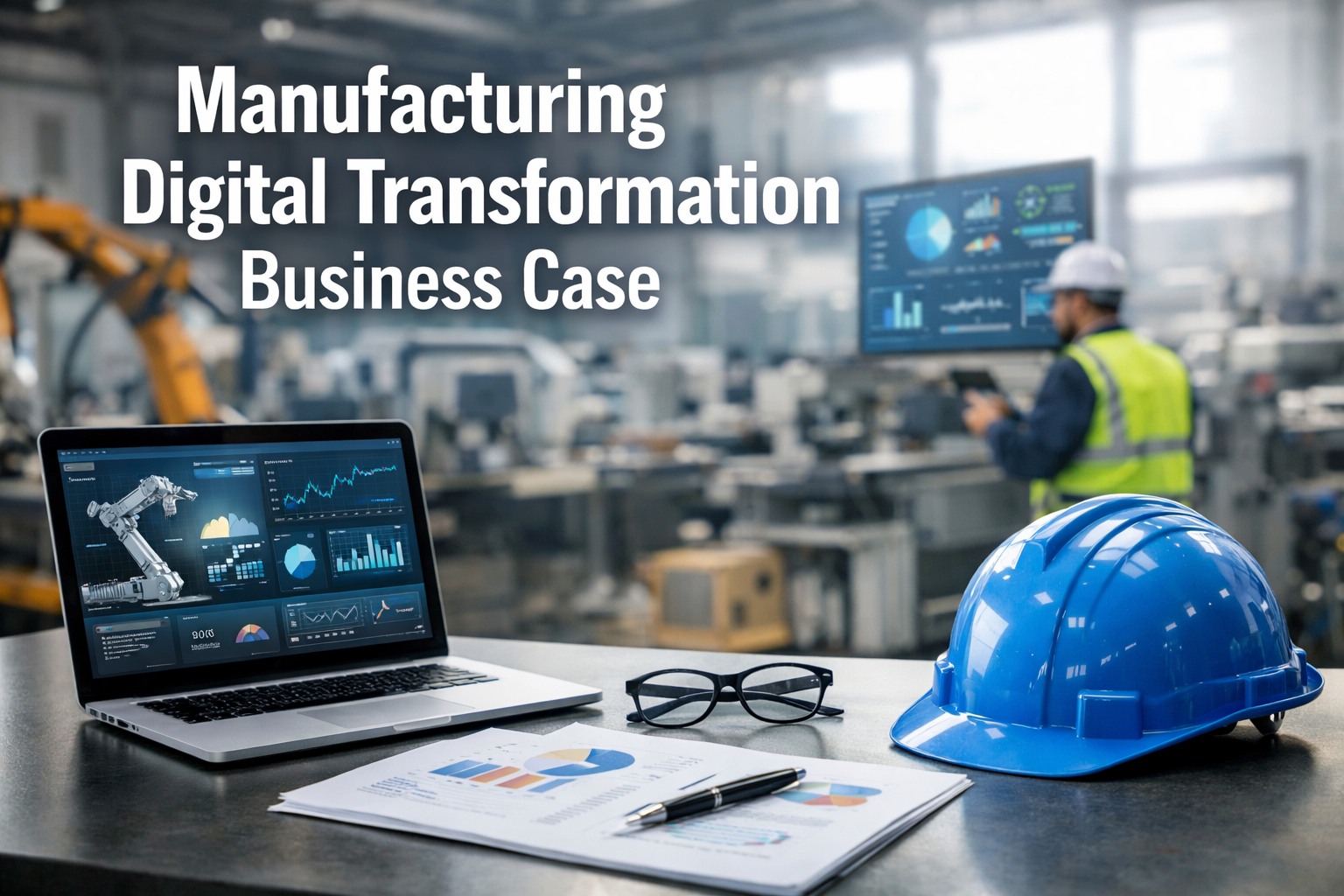
A smart factory investment is easy to justify with enthusiasm and much harder to justify with a number the finance team will actually sign off on. Downtime reduction, OEE gains, energy savings, quality improvement, labor productivity and faster decisions are all real sources of value, but each one needs its own measurement approach before it belongs in an ROI case. Building that case well is what turns a promising pilot into a funded program, and our team can help you build an ROI framework around your own plant's numbers.
Smart factory business case
Turn Smart Factory Benefits Into a Number Finance Will Sign Off On
iFactory AI helps you build an ROI framework across downtime, OEE, energy, quality, labor productivity and decision speed, with numbers your own plant can measure.
Why ROI cases fail
Enthusiasm Does Not Survive a Budget Review
A pitch built on "this will make us smarter" or "this is where the industry is going" rarely survives contact with a finance team asking for a number, a timeline and a comparison against the next-best use of the same budget.
Vague benefit
"This will improve visibility" with no number attached
No baseline
Current state was never actually measured
No comparison
Budget competes against other uses with real numbers
Case gets shelved
The idea waits another budget cycle
Six value sources
Where Smart Factory ROI Actually Comes From
| Value source | What to measure | Typical baseline |
|---|
| Downtime reduction | Unplanned stop frequency and duration | Current downtime hours per line per month |
| OEE gains | Availability, performance and quality combined | Current OEE score by line and shift |
| Energy savings | Energy use per unit produced | Current energy cost per production run |
| Quality improvement | Defect rate and rework volume | Current scrap and rework cost |
| Labor productivity | Output per labor hour | Current staffing against current output |
| Faster decisions | Time from issue to corrective action | Current average response time to a flagged issue |
Build Your Own ROI Baseline
Share your current downtime, OEE, energy, quality and productivity numbers and see what a realistic ROI case would look like.
Building the case
Four Steps From Idea to Funded Business Case
1
Measure the baseline
Capture current downtime, OEE, energy, quality and productivity numbers.
2
Estimate the gain
Use comparable results to estimate realistic improvement per value source.
3
Attach a dollar figure
Convert each estimated gain into a dollar value finance can evaluate.
4
Compare against cost
Set the total value against implementation cost and timeline.
Where value concentrates
Not Every Value Source Carries Equal Weight
Across many smart factory programs, certain value sources tend to carry more of the total return than others, though the mix always depends on the starting point.
35 percent: Downtime reduction
Often the fastest and most visible gain.
25 percent: OEE gains
Compounds across every line once baselined.
20 percent: Quality improvement
Reduces scrap and rework cost directly.
20 percent: Energy and labor
Smaller individually but steady over time.
This illustrative split shows a common pattern, not a guaranteed outcome for any specific plant.
Common pitfalls
Three Mistakes That Weaken an ROI Case
1
Skipping the baseline measurement
Without a current-state number, any claimed improvement is unverifiable.
2
Using industry averages instead of your own data
Generic benchmarks rarely match your plant's actual starting point.
3
Bundling every value source into one vague total
A single combined number is harder to defend than six separately justified ones.
Expert review
The strongest ROI cases are boring in the best way, a clear baseline, a conservative estimate and a dollar figure finance can check against their own numbers. Save the exciting language for the rollout, not the business case.
Watch for
An ROI estimate that leans on industry benchmarks instead of your own measured baseline.
Do next
Measure one value source thoroughly before building the full six-source case.
— iFactory smart manufacturing specialists
Frequently asked questions
What Leaders Ask About Smart Factory ROI
How long does it take to build a credible ROI case?
Gathering an accurate baseline across downtime, OEE, energy, quality and productivity usually takes longer than the analysis itself, so most of the timeline is spent measuring rather than calculating.
Ask about your baseline timeline.
Which value source should we measure first?
Downtime reduction is often the easiest to measure and the fastest to show results, which makes it a common starting point even when it is not the largest long-term value source.
Discuss where to start.
Should we use industry benchmark numbers if we do not have our own data yet?
Benchmarks can frame an initial conversation, but a case built only on industry averages is weaker than one grounded in your own measured baseline, so collecting that baseline should happen before the case is finalized.
Talk through your current data.
How do we estimate a realistic gain instead of an optimistic one?
Comparing against similar lines or similar prior projects within your own plant usually gives a more realistic estimate than a general industry figure, since it reflects your actual equipment and processes.
Ask about realistic estimation.
Does faster decision-making actually have a dollar value?
Yes, the time between an issue appearing and a corrective action being taken can often be tied to cost, such as scrap produced during the delay or extended downtime, which gives it a measurable dollar figure.
Discuss measuring decision speed.
From promising idea to funded program
Build an ROI Case Finance Can Actually Approve
Book a session with iFactory AI to measure your baseline and build a smart factory ROI framework grounded in your own plant's numbers.