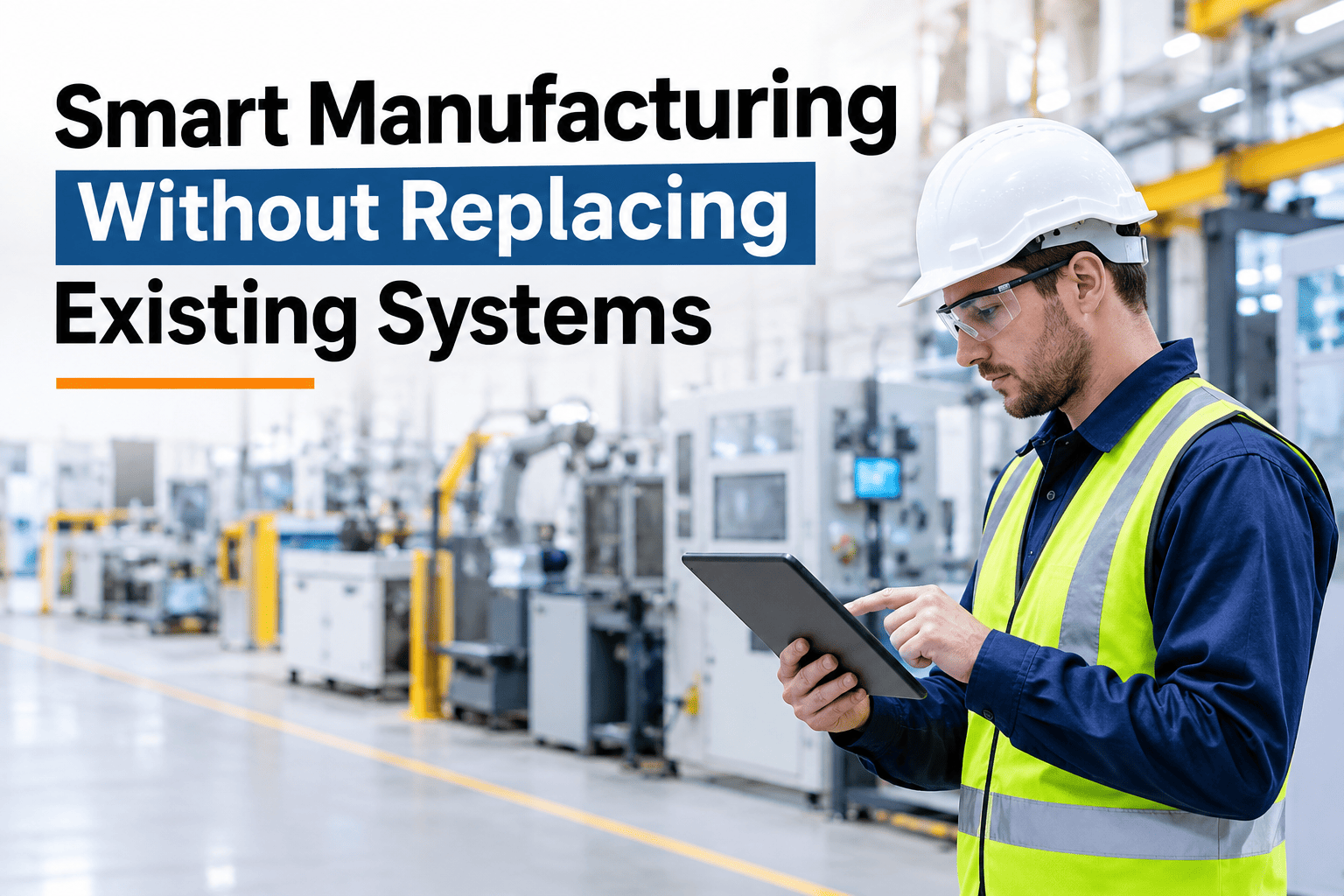
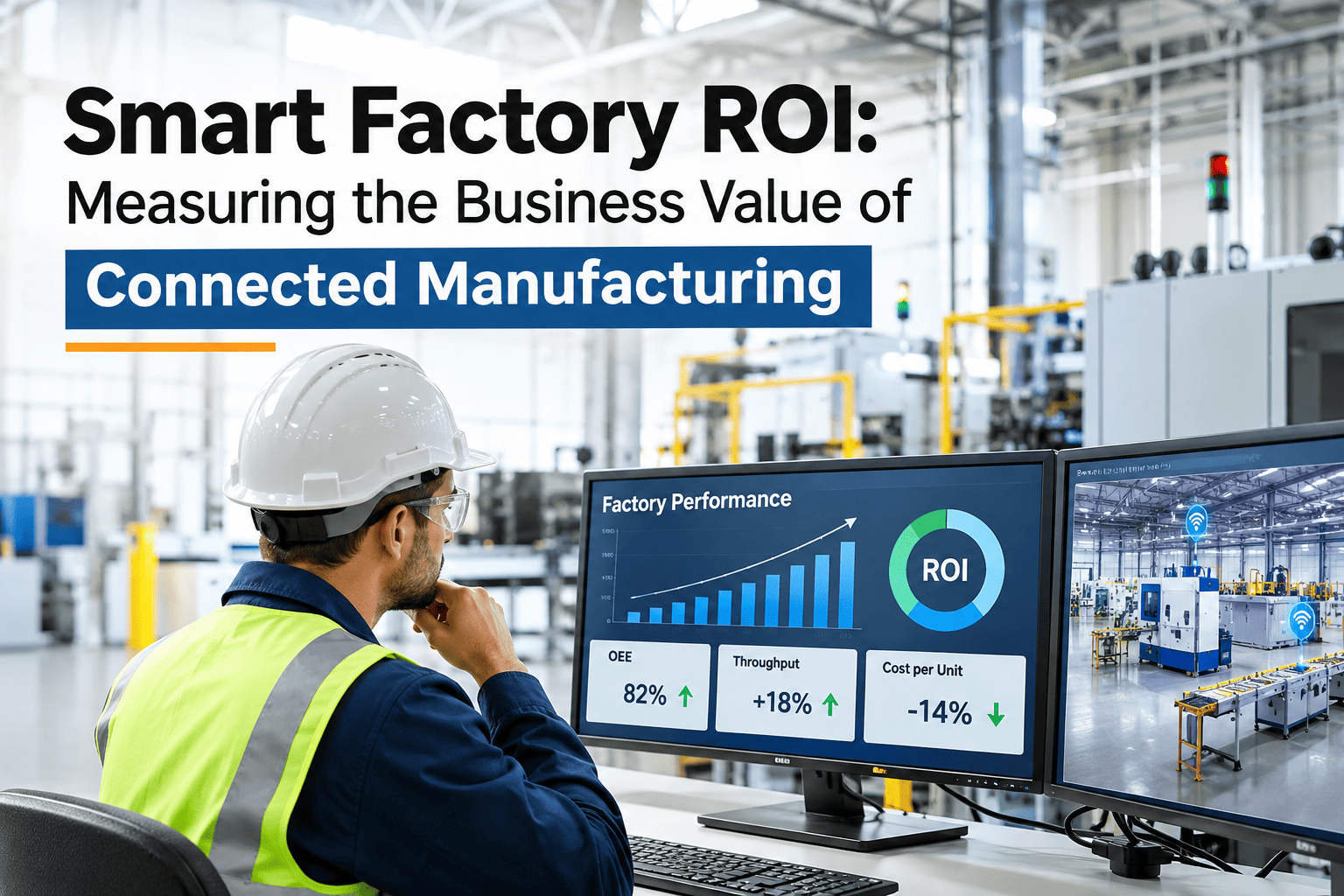
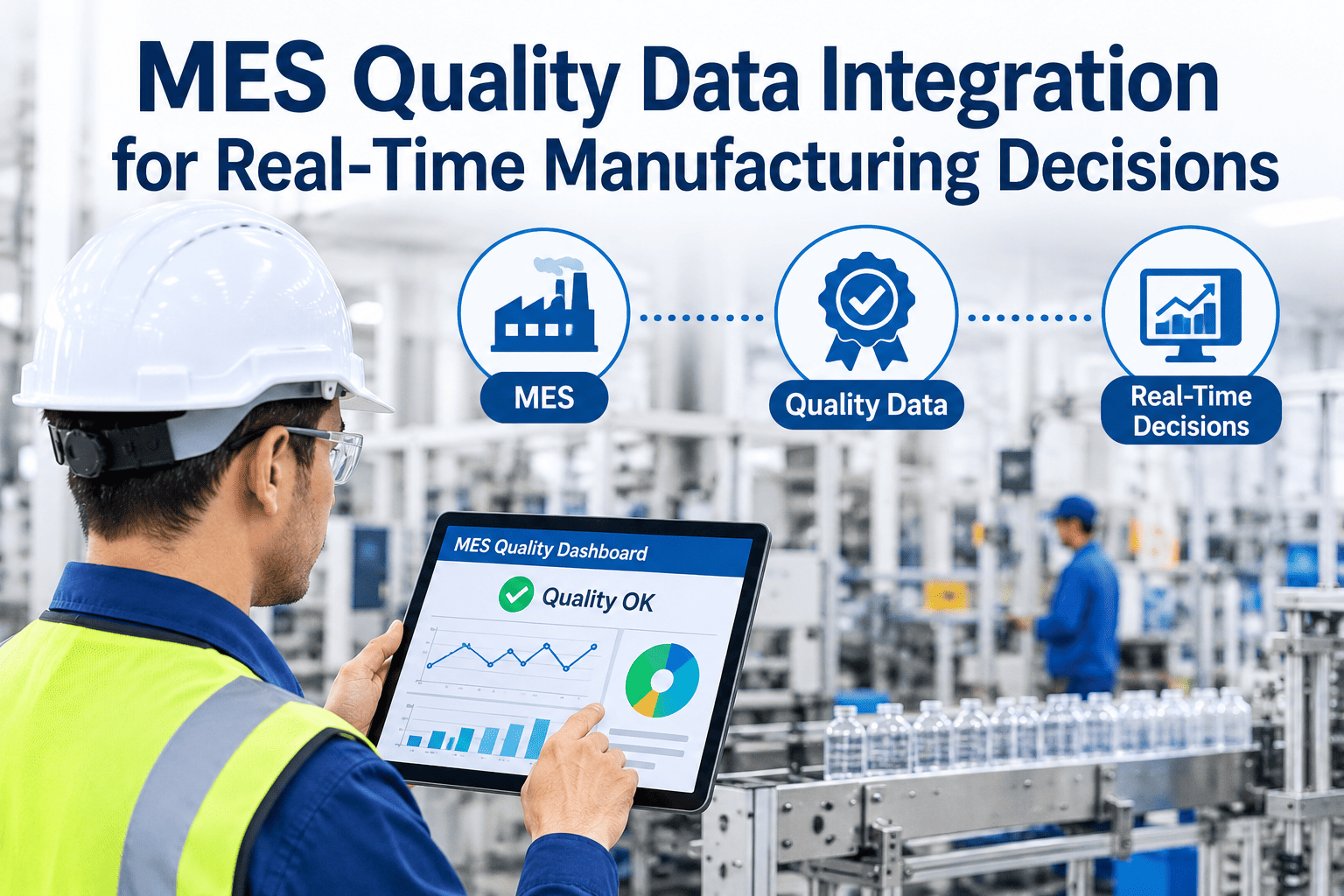
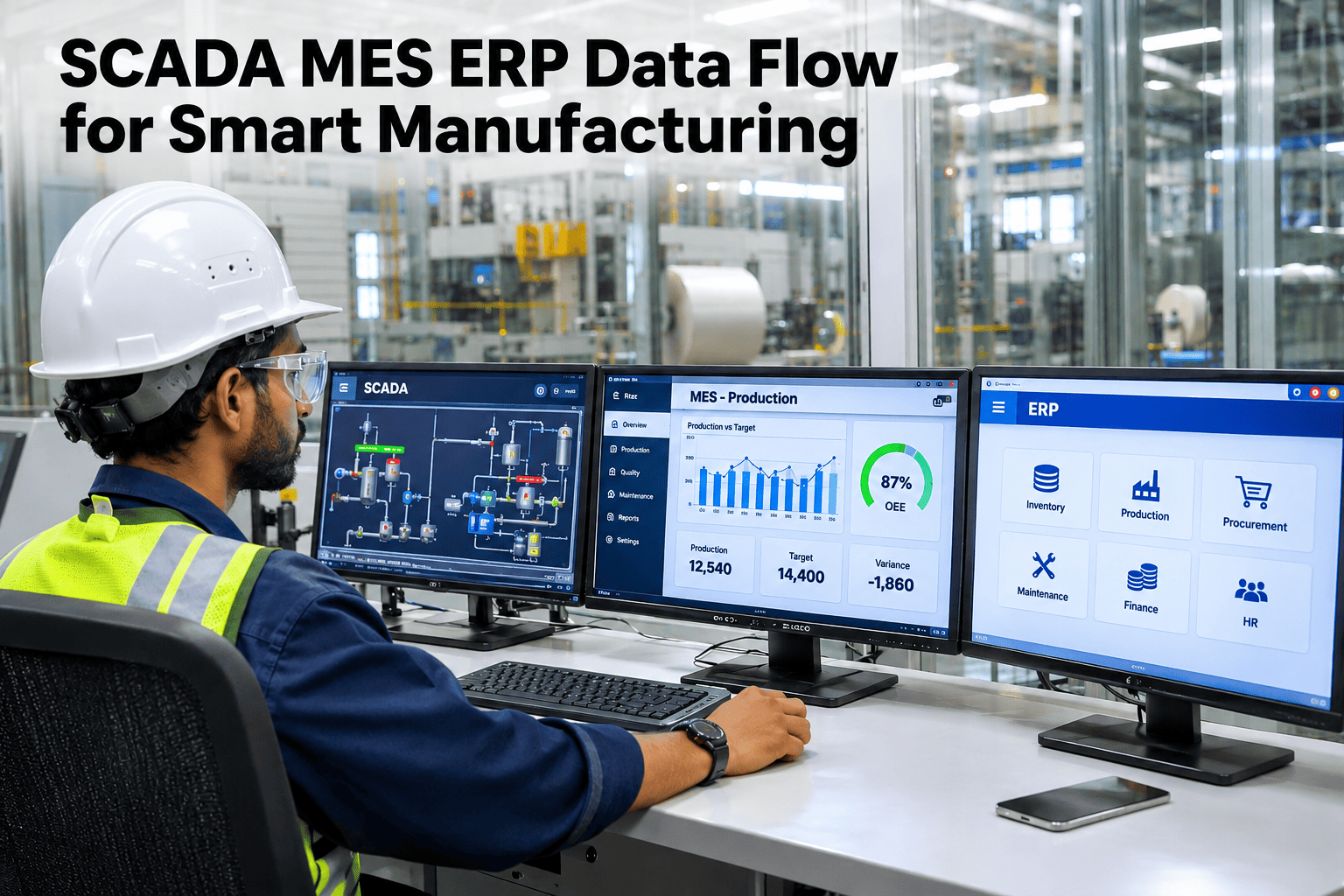
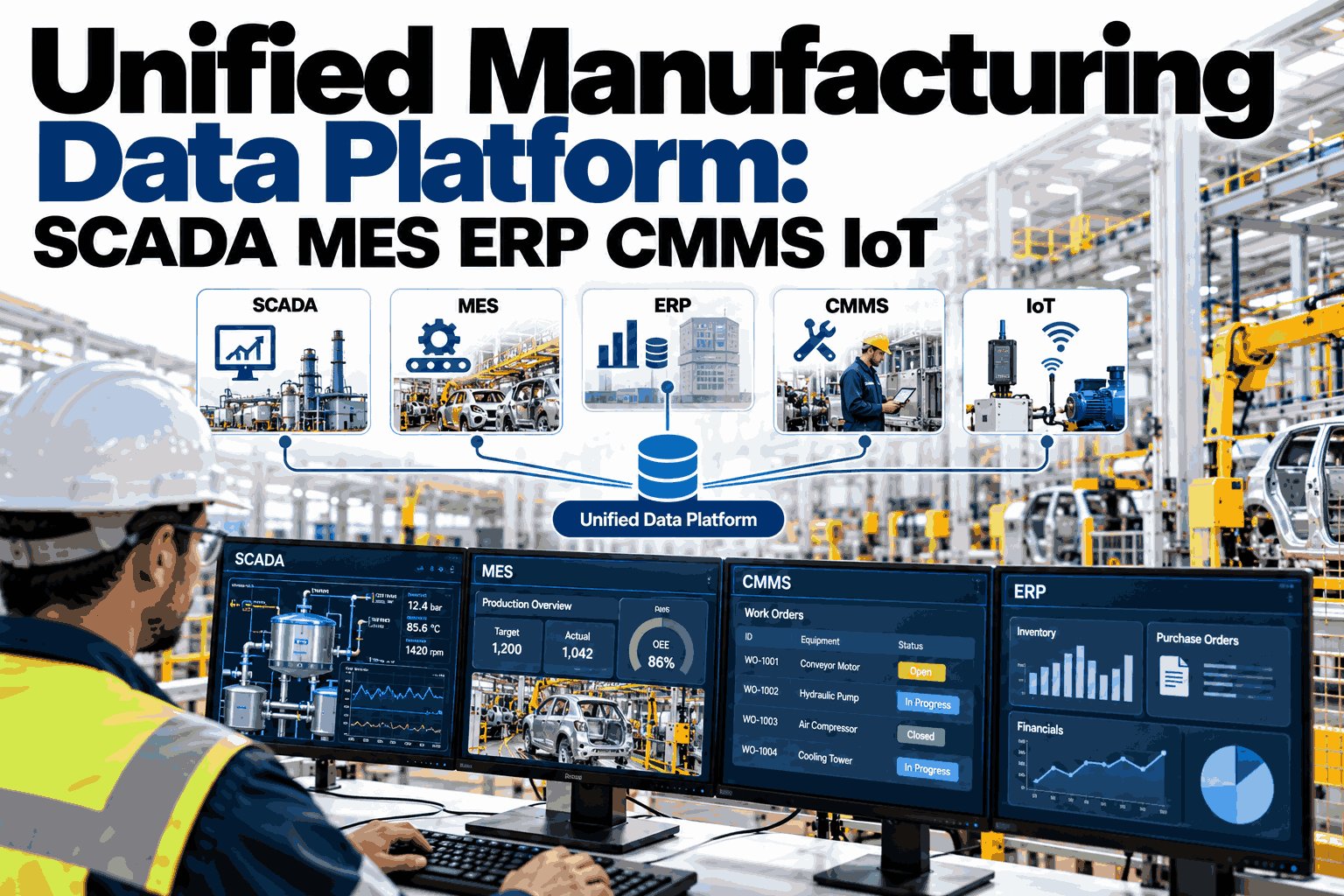
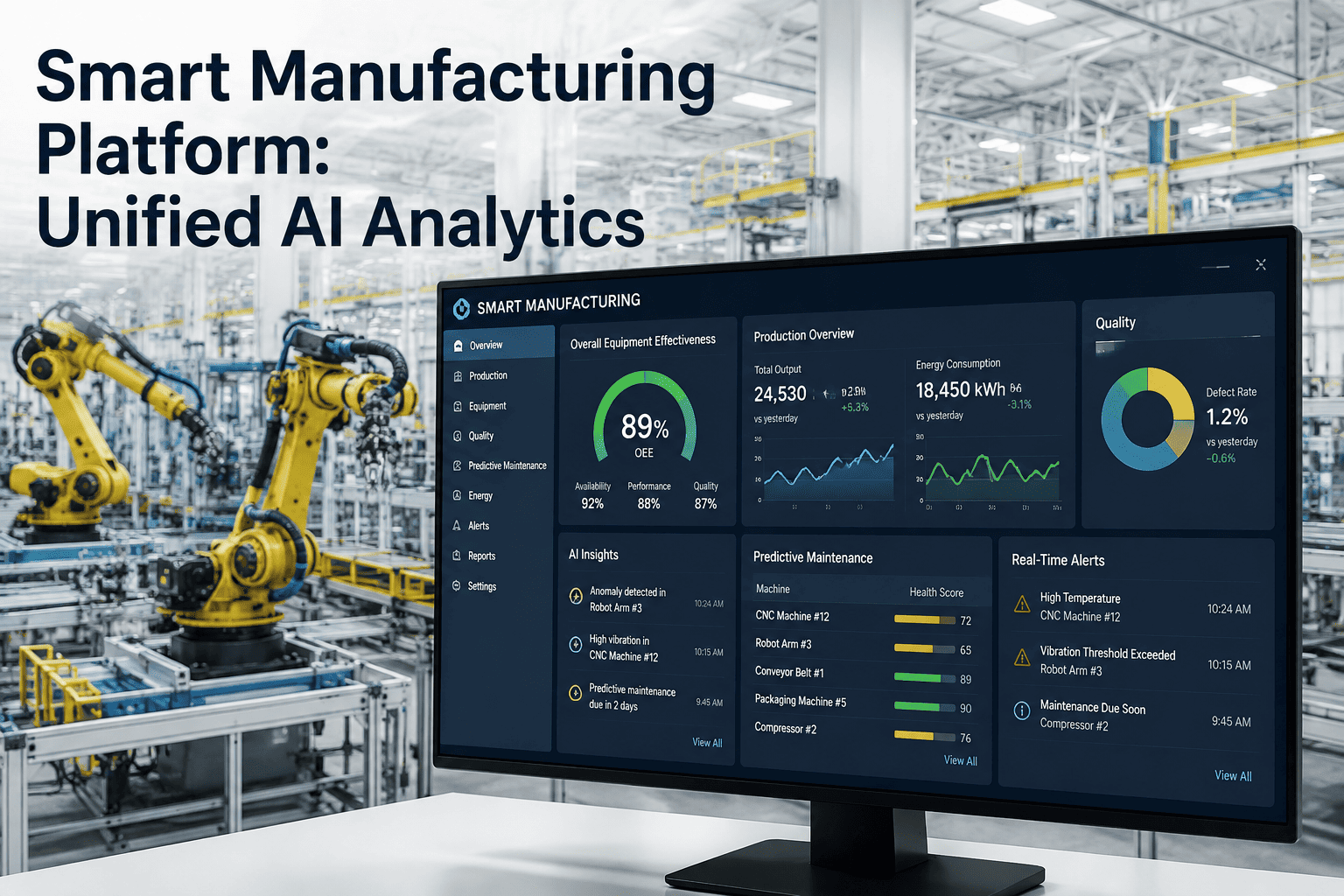
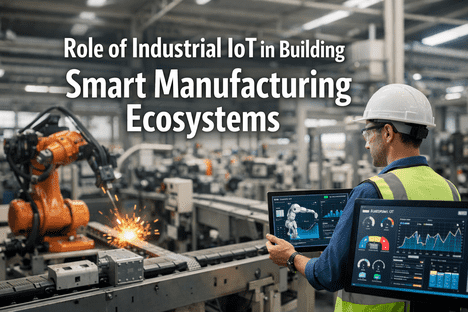
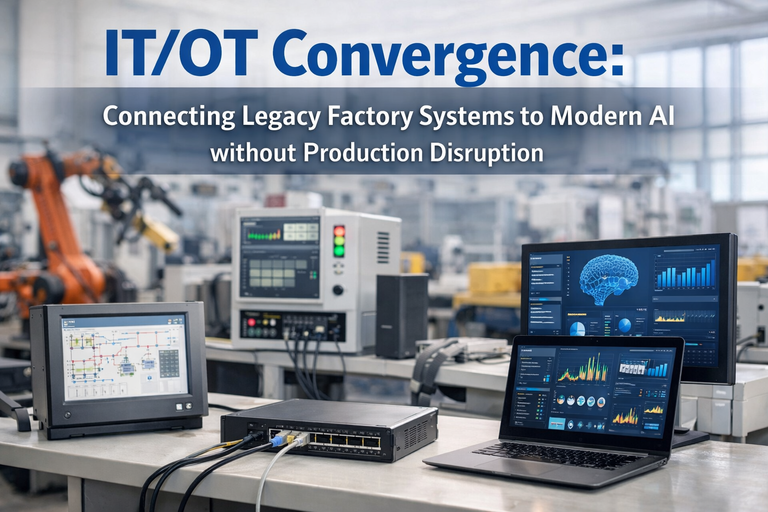
The biggest myth around smart manufacturing is that it requires tearing out the PLC, SCADA, MES, ERP or CMMS systems a plant has run for years and starting over. For most brownfield operations, that is neither realistic nor necessary. The existing systems already hold most of the data a smart factory needs, they simply were never connected to each other or to an AI layer that could act on the combined picture, and our team can show you how this works without touching your core systems.
Brownfield modernization
Modernize Without Ripping Out the Systems Your Plant Already Depends On
iFactory AI connects to your existing PLC, SCADA, MES, ERP, CMMS and quality systems, bringing their data together without replacing anything that already works.
The replacement myth
Rip-and-Replace Is Rarely the Right Answer
A legacy MES or an older SCADA system can still be doing its job perfectly well. The problem is rarely the system itself, it is that nothing connects it to the rest of the plant's data.
System still works
Core function is fine, teams know how to use it
Replacement is costly
New systems mean retraining, downtime and risk
The real gap is connection
Data exists but never reaches other systems
Connection is faster
Bridging data is quicker than replacing a system
What stays, what connects
Keep Your Systems, Add a Layer That Links Them
PLC and SCADA
Stay exactly as they are, feeding live machine data upward.
MES and ERP
Continue managing production and planning as before.
CMMS and quality systems
Keep running maintenance and quality workflows unchanged.
iFactory connection layer
Sits above all of them, merging data without touching their core function.
Check What Your Current Systems Can Already Provide
Share a list of the systems you currently run and see what data is already available to connect without any system changes.
Approach comparison
Replacement Versus Connection
| Factor | Rip and replace | Connect existing systems |
|---|
| Timeline | Months to years | Weeks to a few months |
| Disruption | High, retraining and downtime | Low, systems keep running as-is |
| Risk | New system issues during cutover | Limited to the new connection layer |
| Cost profile | Large upfront investment | Incremental, scoped to the connection |
Rollout steps
Four Steps to Connect Without Disrupting Operations
1
Inventory existing data
Identify what each current system already tracks.
2
Build the connection layer
Add a layer that reads from each system without modifying it.
3
Validate on a pilot area
Confirm the connected data matches what each system reports on its own.
4
Expand plant-wide
Extend the same layer to additional systems and lines.
Common pitfalls
Three Mistakes That Stall Brownfield Projects
1
Assuming legacy systems cannot expose data
Most older systems have more accessible data than teams expect.
2
Starting with a full replacement plan
Jumping straight to a system overhaul before checking what connection alone could achieve.
3
No pilot before expanding
Rolling the connection layer out plant-wide before validating it on one area first.
Expert review
The fastest path to smart manufacturing in a brownfield plant is almost never a new system, it is a connection layer on top of what already works. Save the replacement conversation for systems that are genuinely failing, not ones that are simply disconnected.
Watch for
Vendors who lead with replacement before checking what your current systems can already expose.
Do next
Pilot a connection layer on one line before considering any system replacement.
— iFactory smart manufacturing specialists
Frequently asked questions
What Plants Ask About Brownfield Modernization
Can really old PLCs and SCADA systems be connected?
In most cases yes, since even older industrial systems typically expose data through standard protocols that a connection layer can read without modifying the system itself.
Ask about your specific equipment.
Will this slow down or interrupt production?
A connection layer is designed to read data without altering how the underlying system operates, so a careful pilot on one area is the best way to confirm there is no impact before expanding further.
Discuss a low-risk pilot.
What if one of our systems genuinely needs replacing?
That is a separate decision from the connection project, and it is worth making on its own merits rather than bundling it into a smart manufacturing initiative that does not require it.
Talk through your system health.
How fast can we see a result from connecting systems?
A pilot on one line or area can often show a working cross-system view within a short project window, well before a full plant-wide rollout is attempted.
Ask about pilot timelines.
Does this approach work across multiple plants with different legacy systems?
Yes, since each site's systems connect into the same layer independently, differences between plants do not block a shared smart manufacturing approach across the company.
Discuss your multi-plant setup.
From legacy systems to one connected picture
Modernize What You Have Instead of Replacing It
Book a session with iFactory AI to review your current systems and see how a connection layer fits your brownfield plant.