A model trained to read "TempZone1" on one line has to be rebuilt from scratch for a line where the same signal is tagged "Zn1_Temp" — not because the physics changed, but because nobody agreed on a naming convention. iFactory, an on-premise AI platform built around standardized machine tags, makes a model trained on one line deployable on the next without that rework. Manufacturing teams scaling AI across multiple lines or plants can discuss their plant data and use case with our team.
Standardized Machine Tags · Scalable Industrial AI, 2026
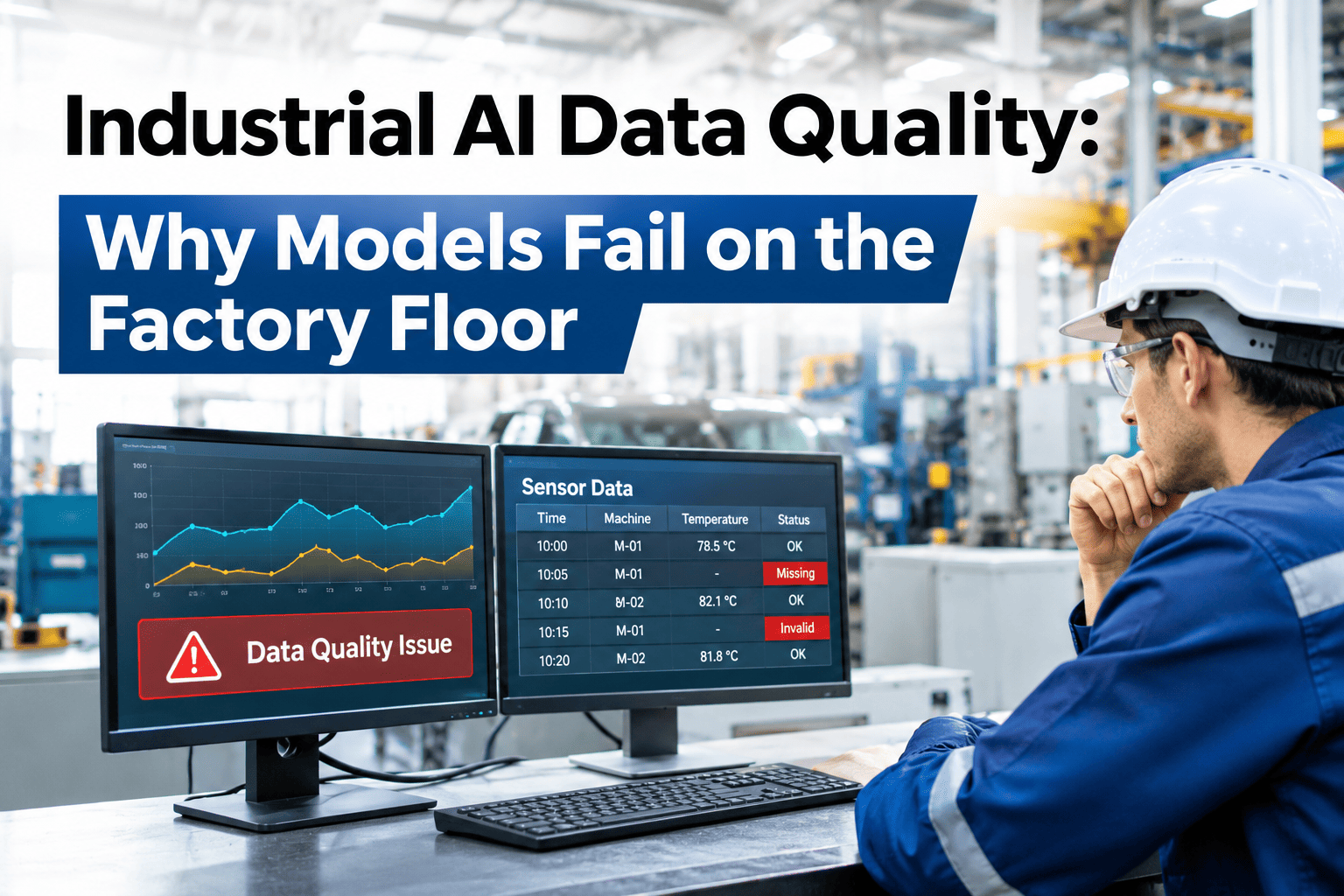
Same Signal, Different Name — And the Model Has to Start Over
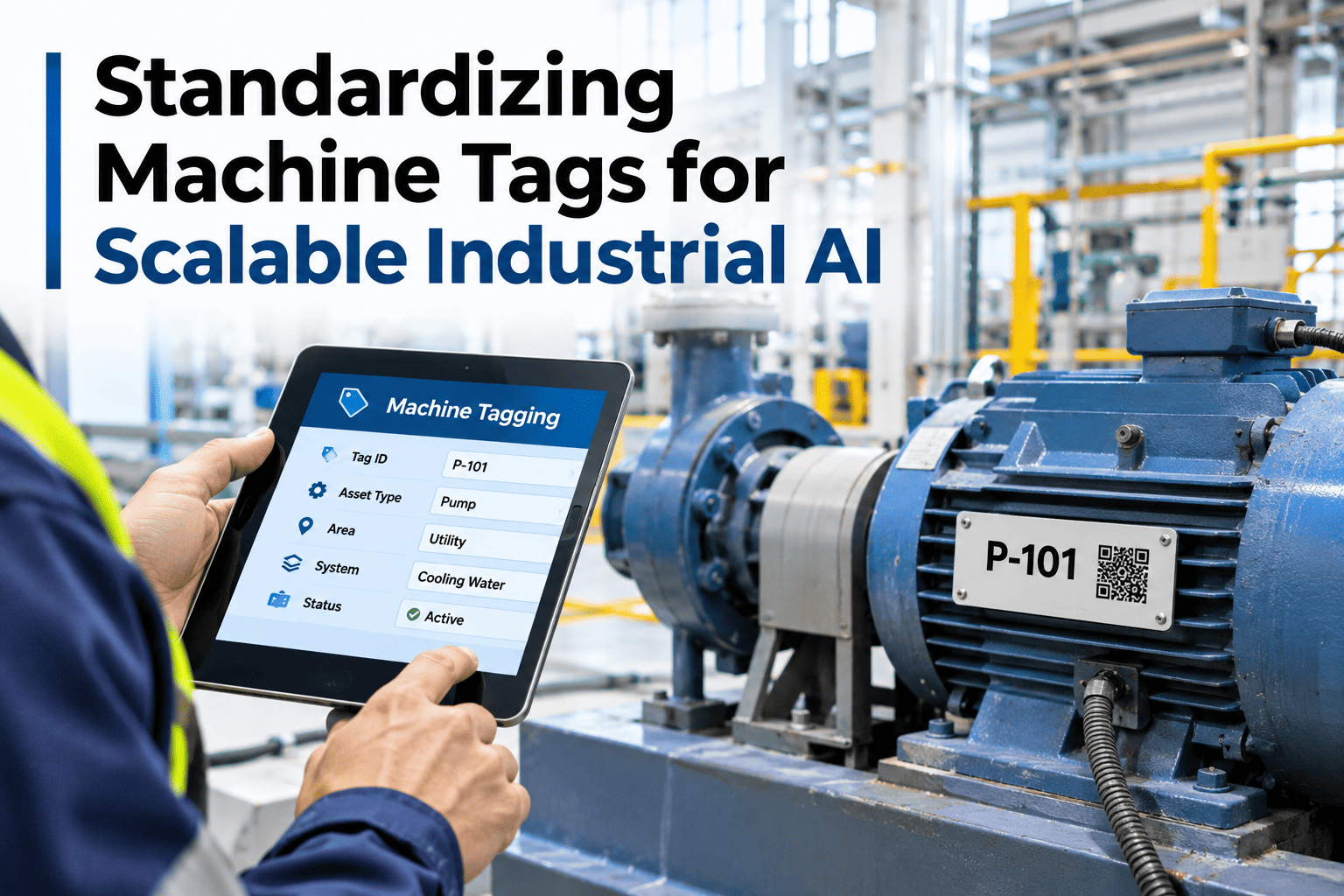
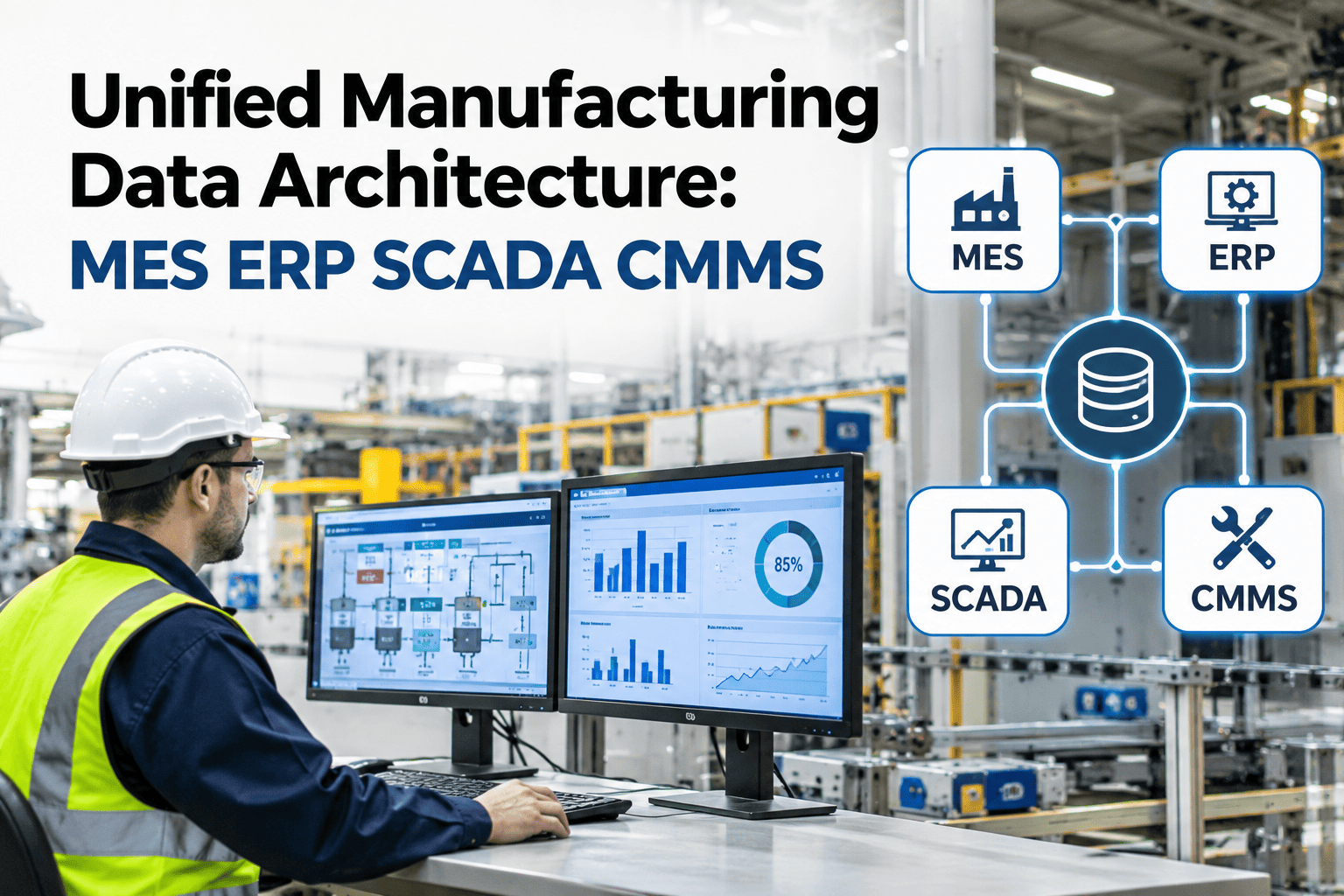
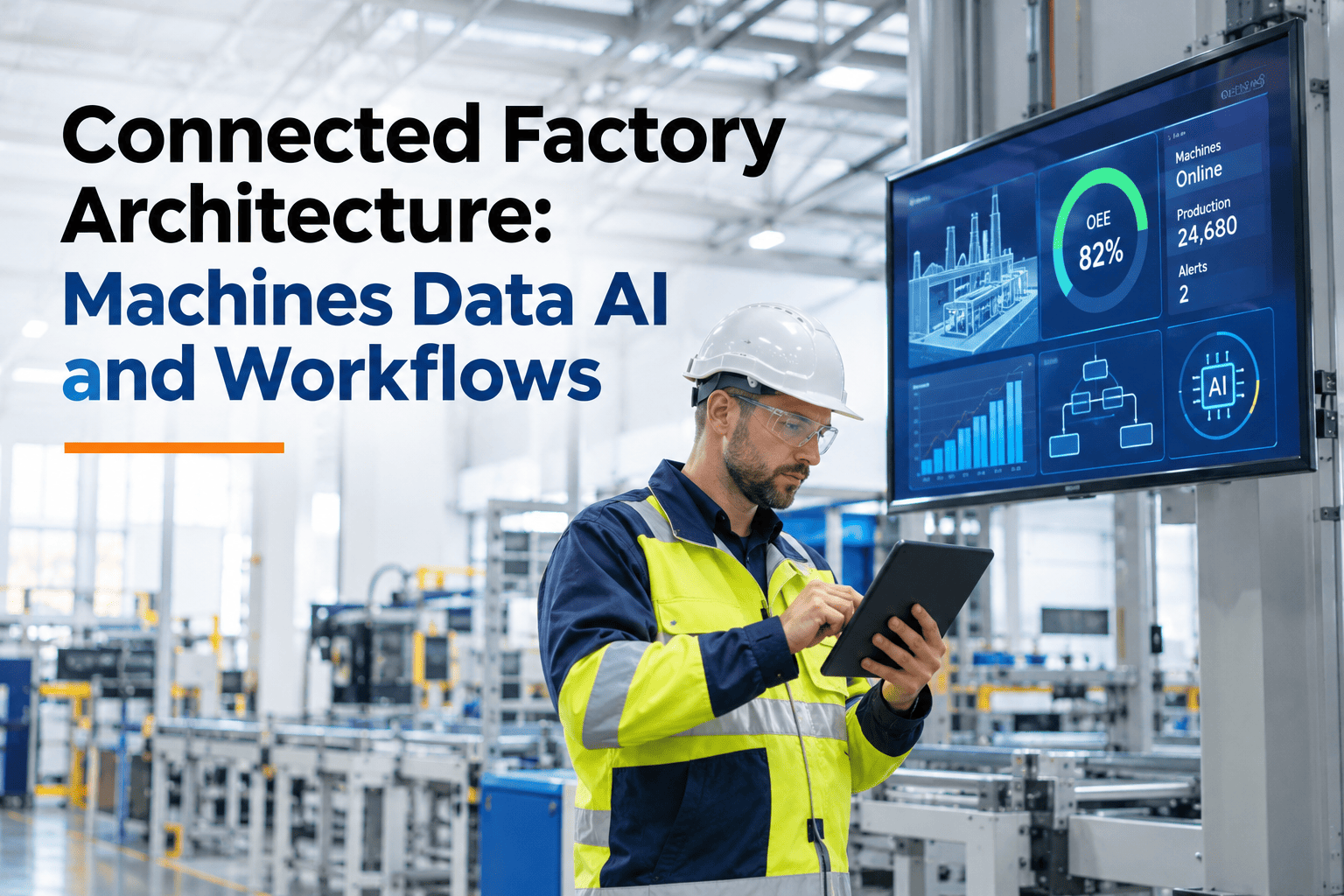
iFactory AI standardizes machine tags, asset IDs, and states across lines and plants, so a model built once actually deploys everywhere without being rebuilt per line.
"TempZone1"→Line1.Zone1.Temperature
"Zn1_Temp"→Line2.Zone1.Temperature
"T1_PV"→Line3.Zone1.Temperature
Why this happens at all
Every PLC Programmer Names Things Their Own Way
Tag names are usually set during PLC commissioning by whoever was doing that specific job at that specific time, with no plant-wide naming standard enforced. Multiply that across years of commissioning projects, different integrators, and different plants, and the result is a sprawl of tag names that each make local sense but share no common pattern across the fleet.
What standardization actually covers
Four Elements of a Naming Convention
Asset ID
A consistent identifier for each physical asset, used the same way across every system.
Signal name
A shared vocabulary for what's being measured — temperature, pressure, speed — regardless of source PLC.
Units
A documented, consistent unit for every tag, eliminating silent Celsius/Fahrenheit or metric/imperial mixing.
Machine states
A common vocabulary for running, idle, changeover, and fault states across every line.
Without vs with a standard
What Scaling a Model Looks Like Either Way
| Step | Without standardized tags | With standardized tags |
|---|
| Deploy to a new line | Remap every tag manually, line by line | Model connects directly using the shared naming convention |
| Add a new plant | Repeat the entire mapping exercise from scratch | New plant follows the same convention from commissioning onward |
| Troubleshoot a model issue | Check whether the issue is the model or a tag mapping error | Mapping is ruled out as a variable, narrowing the investigation |
See How Consistent Your Tags Already Are Across Lines
Share your current tag lists from a few representative lines, and iFactory AI will show how much standardization work stands between you and a scalable model.
Retrofitting an existing fleet
You Don't Need to Re-Tag Every PLC to Get the Benefit
Rewriting PLC tag names directly is invasive and risky on a running line. Most standardization projects instead build a mapping layer — a translation table that connects each line's existing native tag names to the standardized naming convention — so the PLCs themselves stay untouched while every consumer downstream sees consistent names.
Building the convention
Four Steps to a Plant-Wide Tag Standard
1
Inventory existing tags
Collect current tag names and meanings from every line in scope.
2
Define the convention
Agree on a naming structure for assets, signals, units, and states.
3
Build the mapping layer
Translate each line's native tags to the standard without touching the PLC itself.
4
Enforce it going forward
New commissioning projects follow the standard from day one, shrinking the mapping burden over time.
Expert review
What a Controls Engineer Checks First
Tag standardization earns its place when it genuinely reduces the rework needed to deploy a model to the next line, not just when it produces a tidier spreadsheet.
Verdict
Strong when the mapping layer is built once and enforced for every new commissioning project going forward.
Watch for
A naming convention defined on paper but not actually enforced the next time a new line gets commissioned.
Do next
Compare the tag names for the same signal across two of your most similar lines and see how much they already differ.
Frequently asked questions
What Teams Ask About Tag Standardization
Do we need to rewrite our PLC programs to standardize tags?
No — most projects build a mapping layer that translates existing native tag names to a standard convention, leaving the PLC programs themselves untouched and avoiding the risk of modifying a running control system.
Discuss a mapping-layer approach for your lines.
How long does standardizing tags across an existing fleet take?
Timeline depends on how many lines and how inconsistent the current tagging already is, so it varies significantly plant to plant rather than following a fixed schedule.
Discuss a timeline for your fleet.
What happens when a new line is commissioned after the standard is in place?
Does standardizing machine states matter as much as signal names?
Yes — a model that can't tell a genuine fault from a normal changeover or idle period because state naming differs across lines will misclassify data regardless of how clean the signal names themselves are.
Ask support about standardizing machine states.
Can a third-party system integrator help build this convention?
Build a model once, deploy it everywhere
Standardize Machine Tags Across Every Line and Plant
Book a session with iFactory AI to see how a shared tag convention would shorten your next AI model's path to scale.