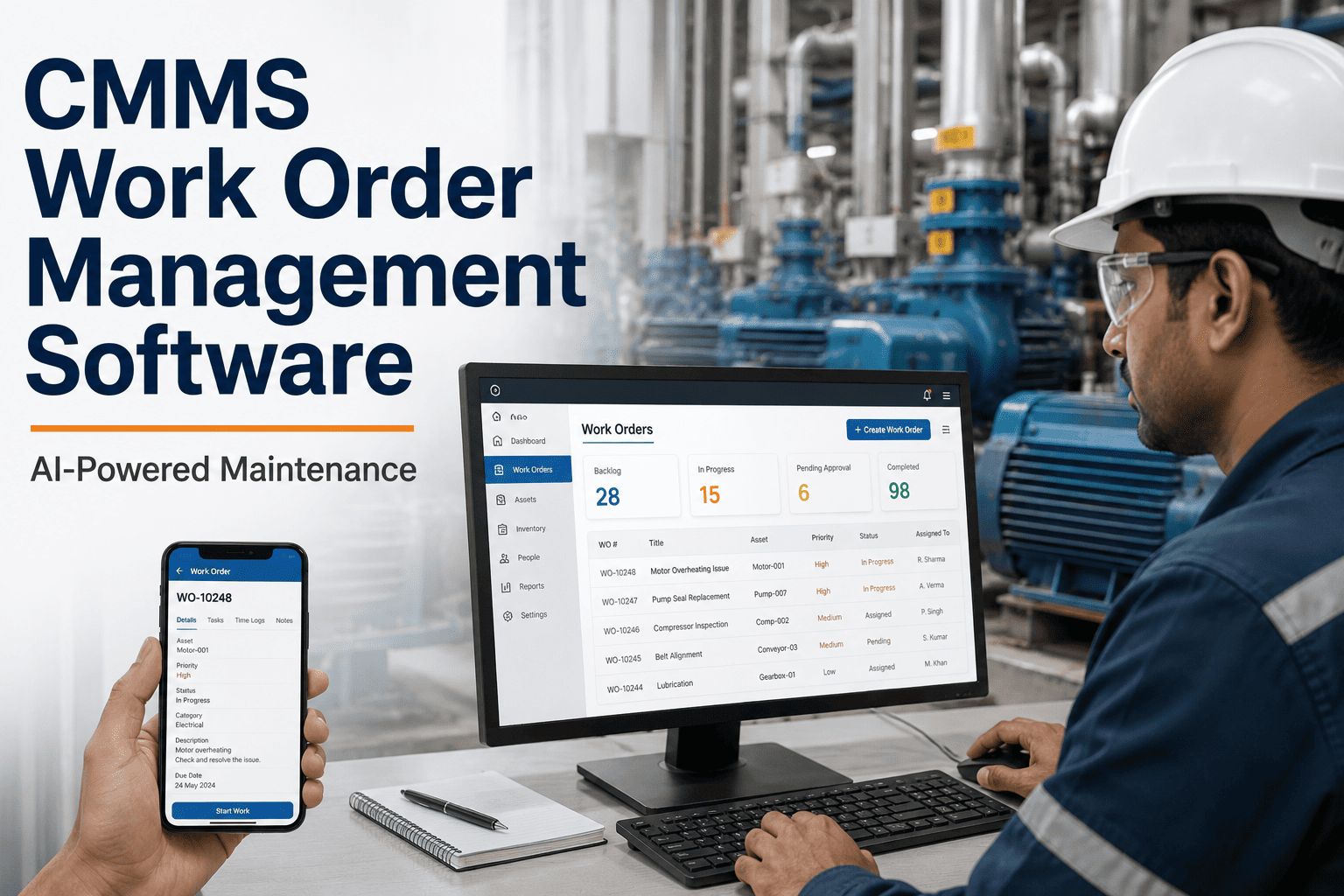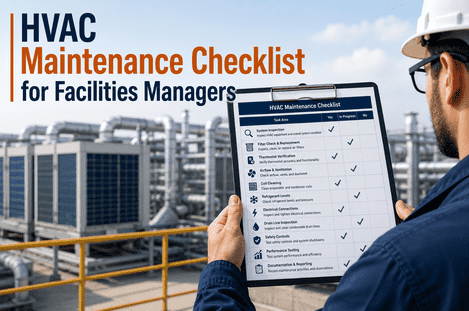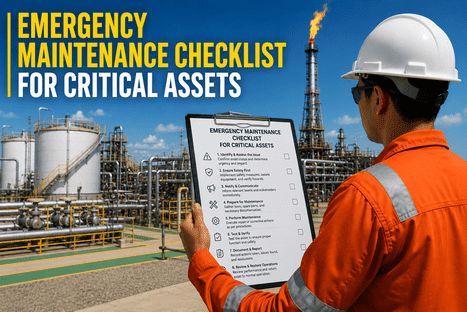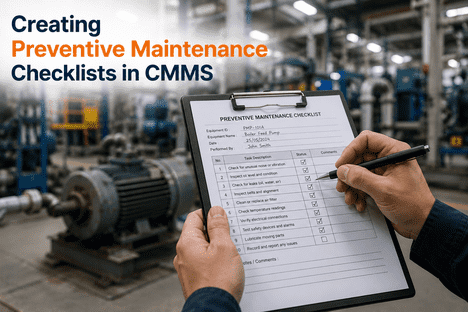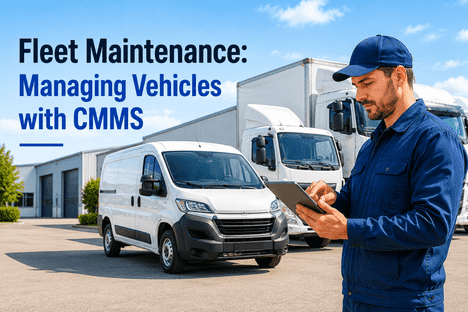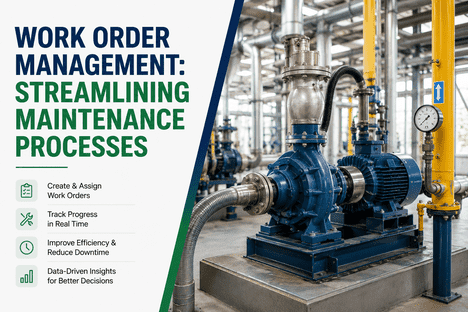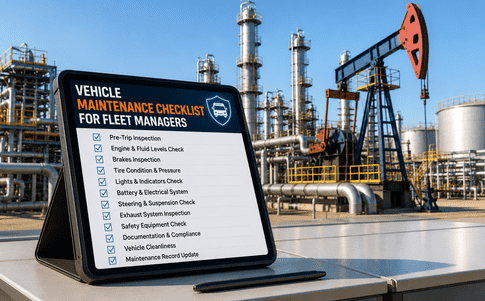
For fleet managers, a structured vehicle maintenance checklist is the difference between maximizing asset lifecycle and incurring unplanned downtime that cascades across your entire operation. This checklist provides fleet maintenance supervisors, reliability engineers, and operations leaders with a validated sequence to assess CMMS maturity, IoT sensor integration gaps, AI-driven predictive maintenance readiness, and work order governance. Adopting a systematic approach to preventive and predictive maintenance ensures your fleet operates at peak mechanical availability while controlling cost per mile. Operators who Book a Demo with iFactory receive a facility-specific fleet maintenance readiness score and a phased roadmap before any platform commitment.
Why a Structured Vehicle Maintenance Checklist Defines Fleet Reliability
Paper-Based Inspections and Siloed CMMS Data Mask Critical Failure Signals
Fleet maintenance fails when driver inspection reports, work order histories, and telematics data remain disconnected. Facilities that skip structured asset data lineage and centralized maintenance governance consistently experience repeat failures, missed preventive maintenance windows, and inflated cost per mile. Book a Demo to see how iFactory automates cross-system vehicle data harmonization — from AI vision cameras to CMMS work orders — before any predictive model runs.
IoT and AI Readiness Determines Predictive Maintenance Scalability
Deploying predictive maintenance without mature IoT sensor pipelines — real-time telemetry ingestion, vibration analysis thresholds, and oil analysis integration — creates unsustainable technical debt. Fleet telematics strategies that ignore edge processing constraints and data residency requirements lead to latency bottlenecks and missed failure windows. This checklist ensures your connected vehicle architecture aligns with actual operational constraints.
Proven 4-Phase Digital Maintenance Roadmap for Fleet Operators
Assessment and Inventory
Audit existing CMMS maturity, telematics coverage, vehicle data quality, and predictive maintenance readiness. Generate a prioritized gap list against this checklist.
Vehicle Data Harmonization
Build a unified vehicle asset model, establish data lineage from telematics and AI vision cameras to CMMS, and deploy automated quality monitoring across all fleet data sources.
Predictive MLOps Pipeline Deployment
Set up version-controlled training pipelines for failure prediction models, model registry, and real-time drift detection with audit-grade documentation.
Continuous Value Realization
Operationalize feedback loops from repair bays, optimize cloud costs for telemetry ingestion, and expand predictive models to additional vehicle classes and depots.
Expert Perspective: What Separates Fleet Maintenance Leaders From Laggards
The fleet operators that successfully scale AI-driven predictive maintenance across multiple depots are not the ones with the largest telematics budgets — they are the ones that invested first in CMMS data governance and IoT pipeline fundamentals. We see fleets spending millions on AI platforms while skipping work order standardization and sensor data lineage; they end up unable to reproduce a single failure prediction for a safety audit. The difference between a stalled pilot and enterprise-wide fleet transformation is almost always the rigor applied to Phases 1 and 3 of this checklist. Start there, and the rest becomes repeatable.
Conclusion: Execute Your Fleet Digital Transformation With Confidence
Digital maintenance transformation is not about deploying the trendiest AI platform — it is about systematically validating CMMS governance, IoT telemetry infrastructure, predictive MLOps maturity, safety compliance, legacy system interoperability, and workforce adoption before automating a single work order. The six readiness dimensions and four-phase roadmap outlined above reflect the implementation sequence that consistently delivers measurable fleet availability improvements, regulatory confidence, and predictable maintenance cost per mile. Fleet managers, reliability engineers, and operations executives ready to benchmark their current state against this extended checklist are encouraged to Book a Demo with iFactory and receive a facility-specific fleet maintenance readiness score and gap assessment before any deployment commitment is made. iFactory's platform delivers unified vehicle asset data models, automated MLOps pipelines, legacy telematics protocol abstraction, and turnkey CMMS integration — including AI vision camera solutions for automated visual inspections — built for fleet operators who demand AI that works as reliably as their rolling assets.