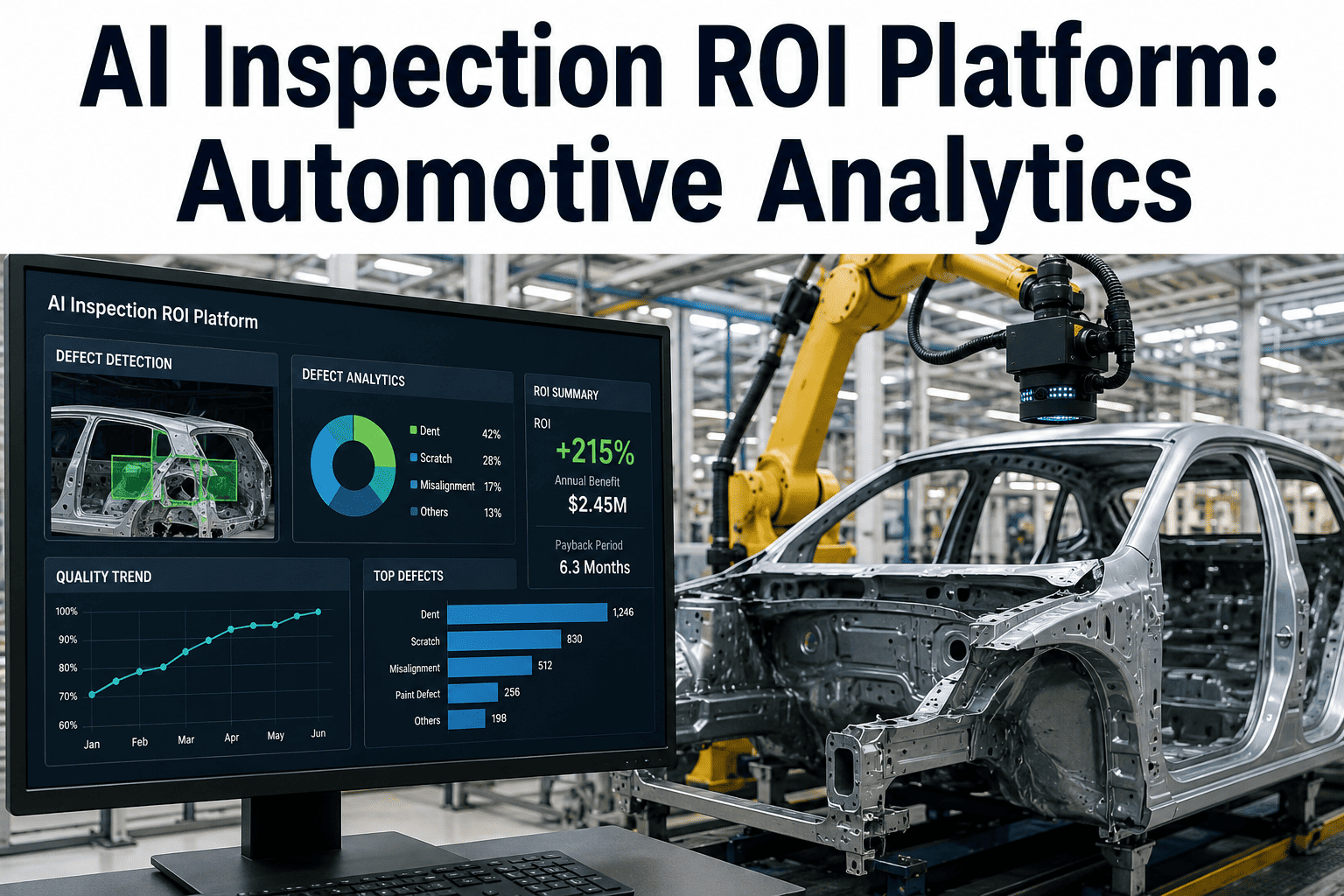
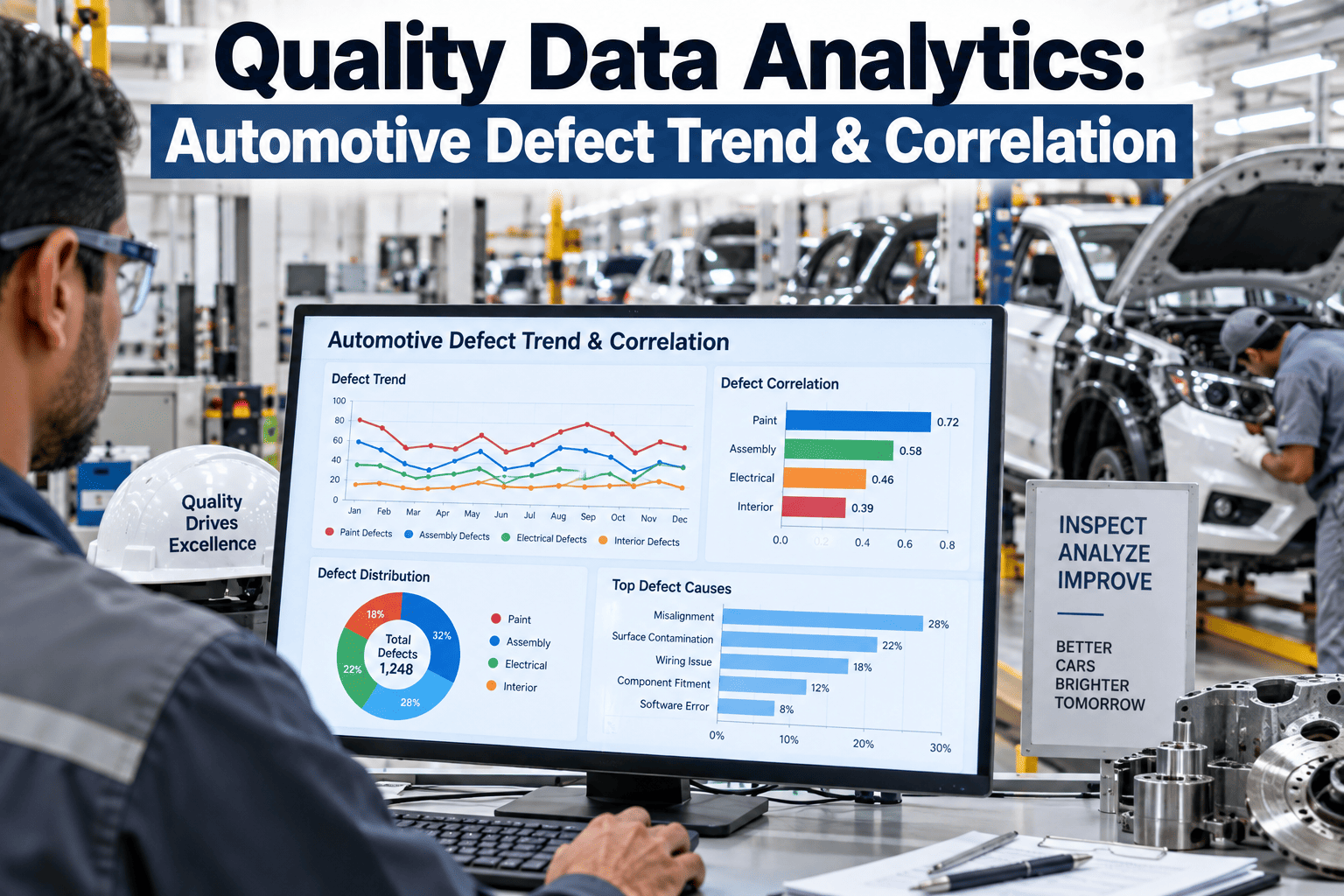
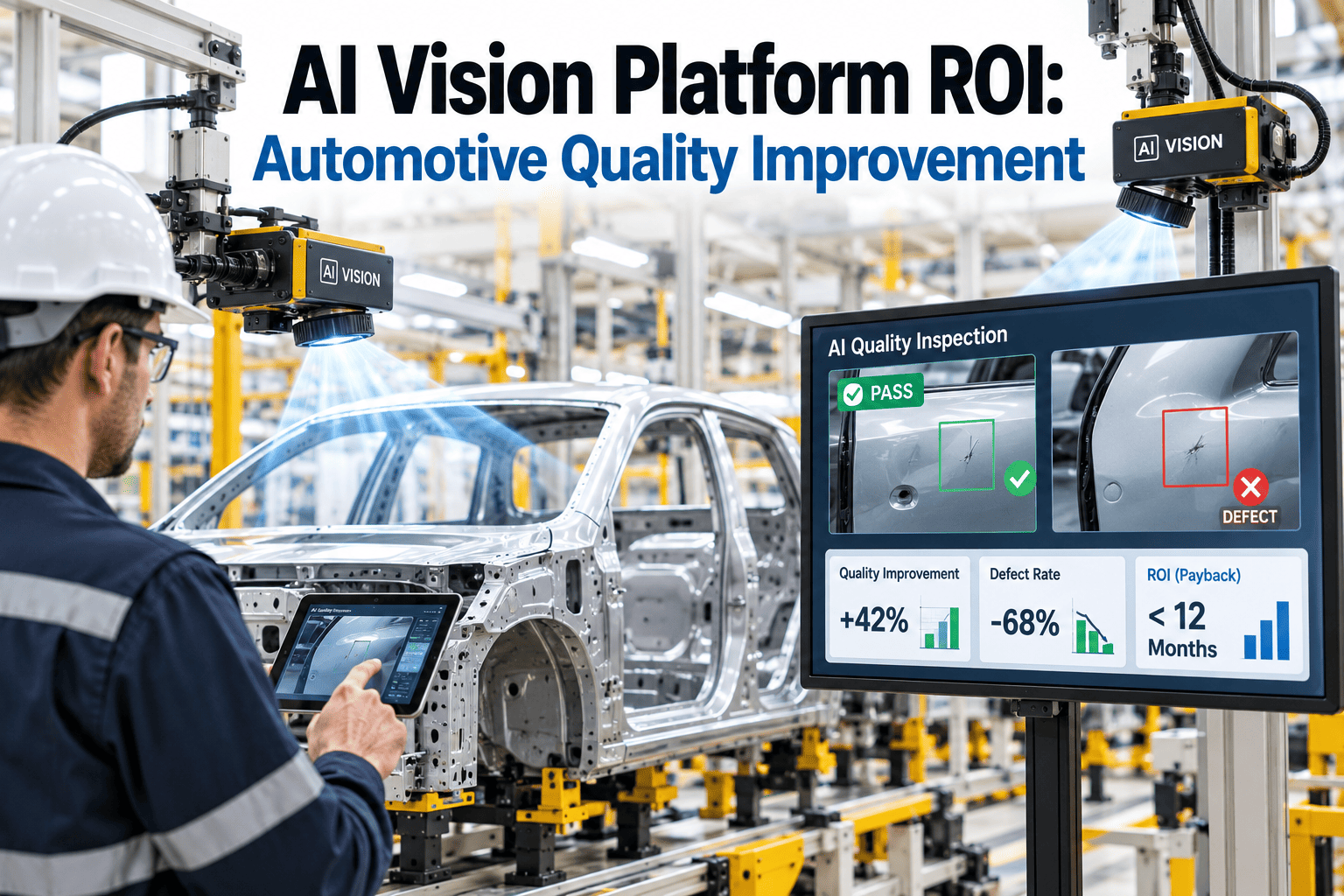
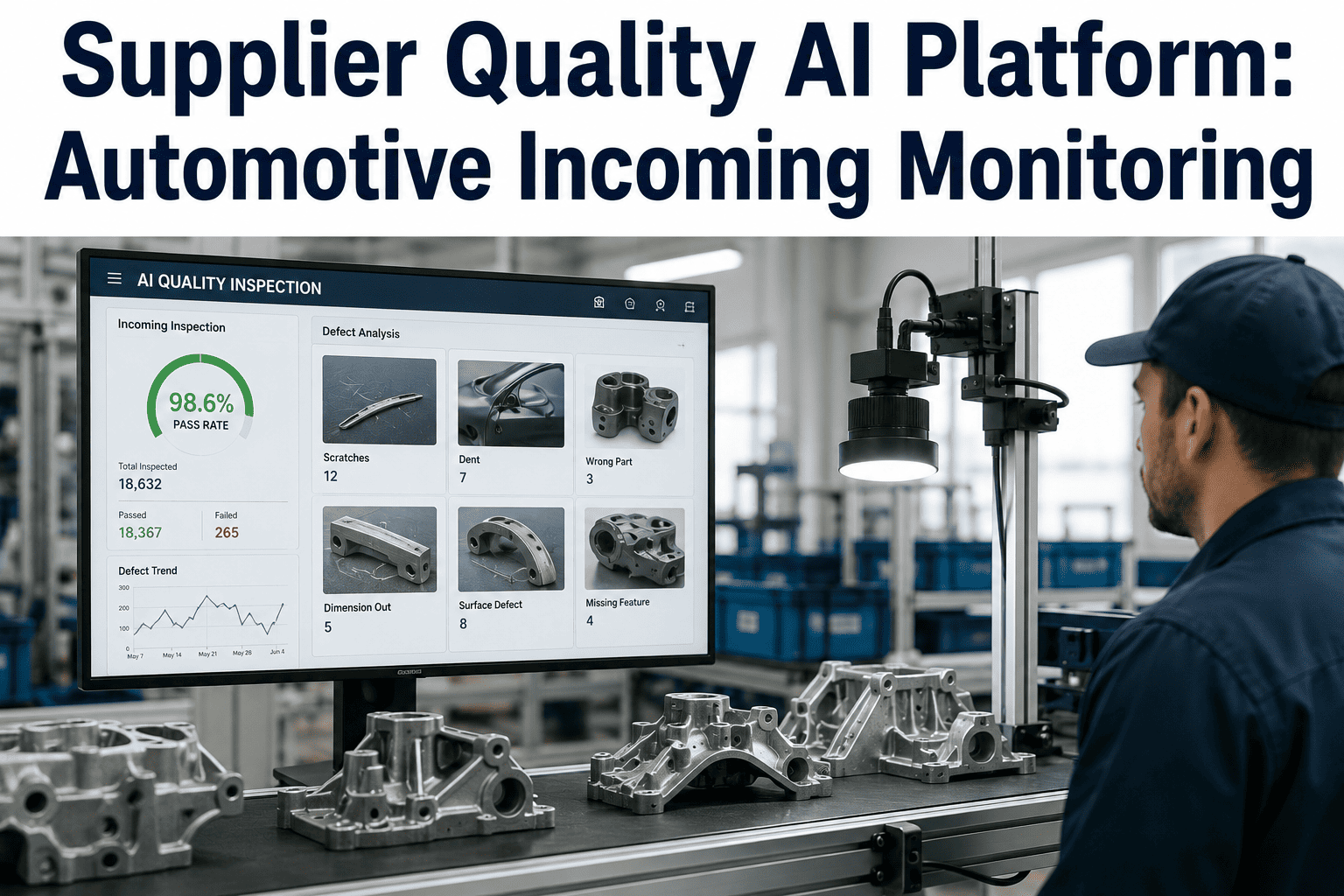
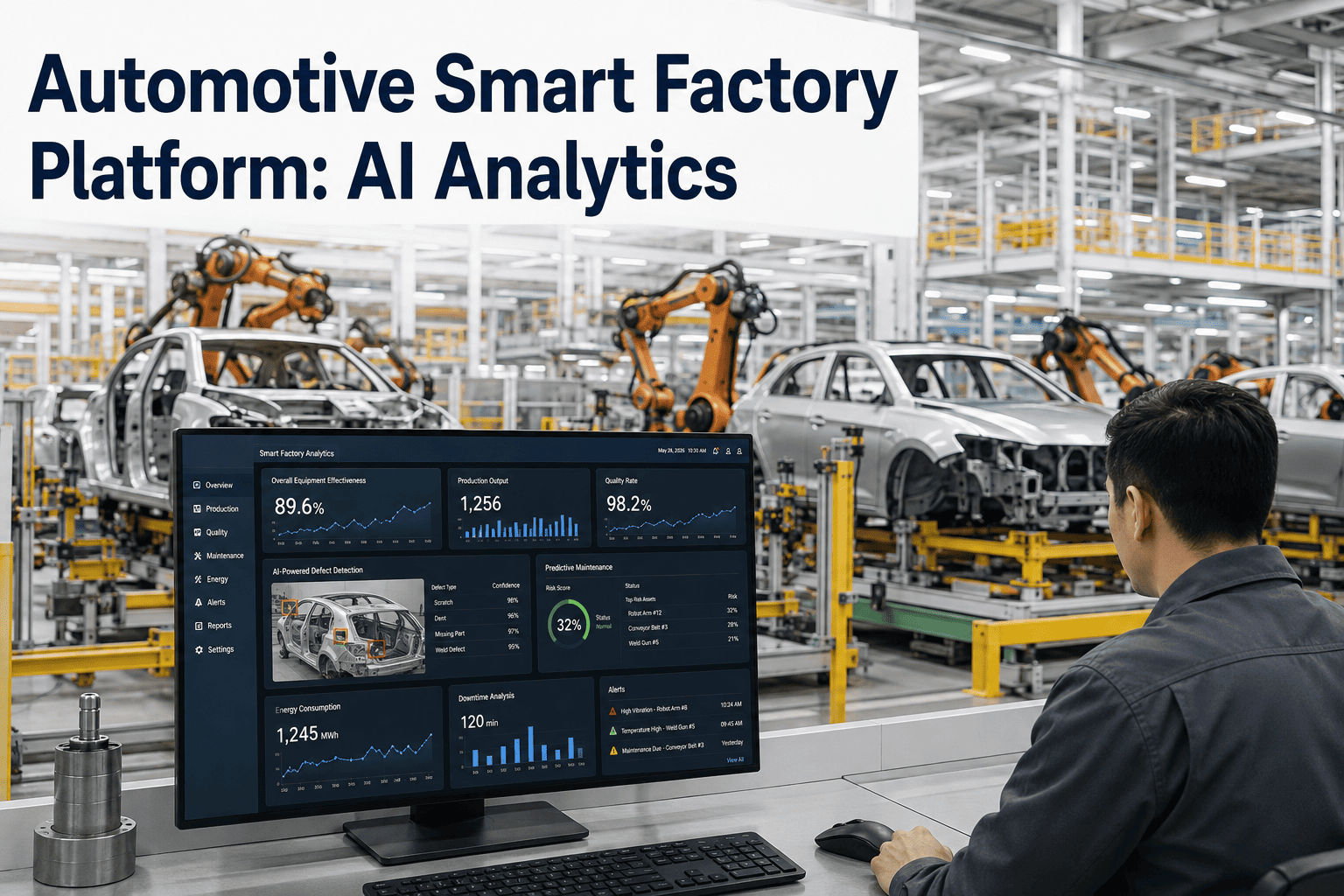
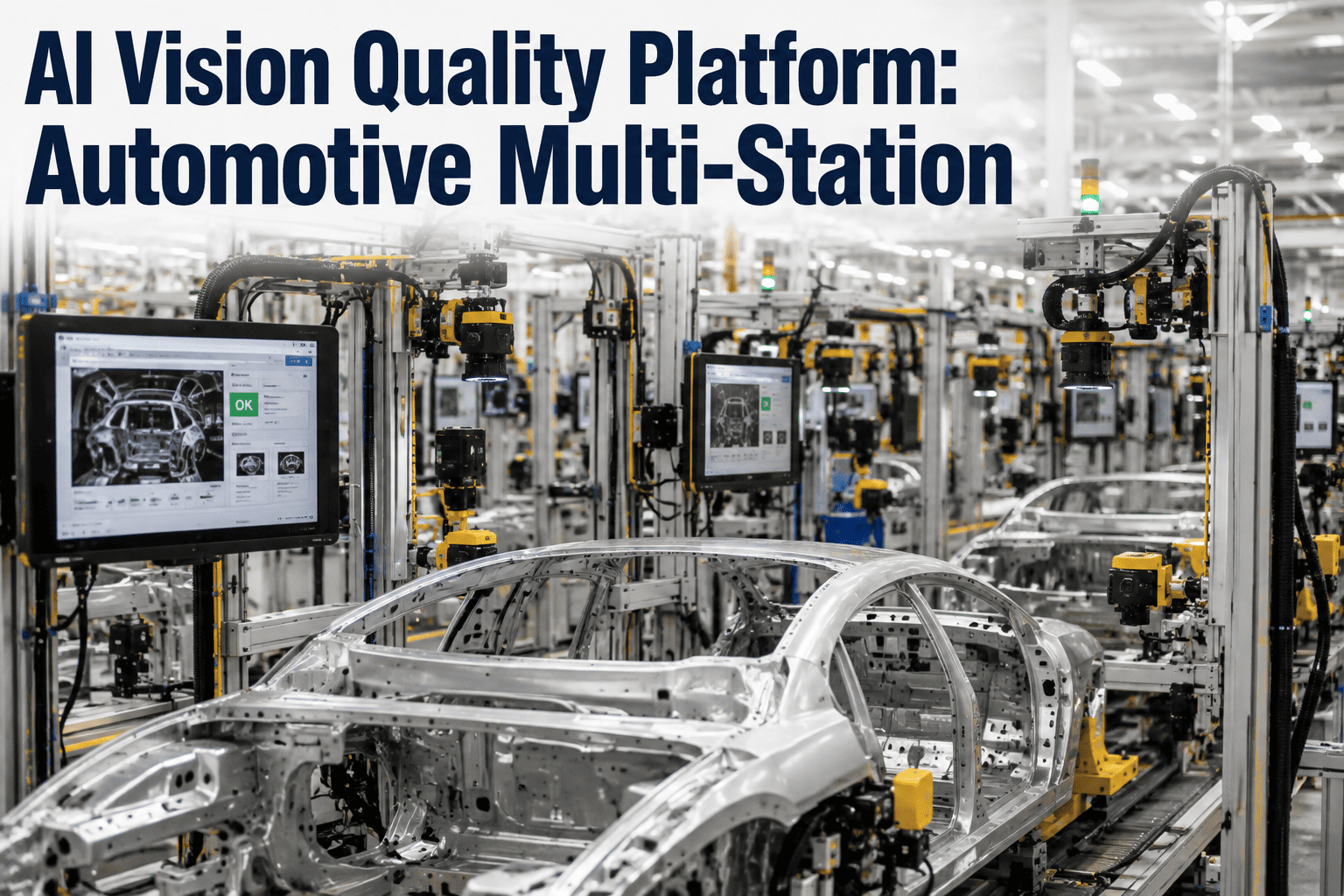
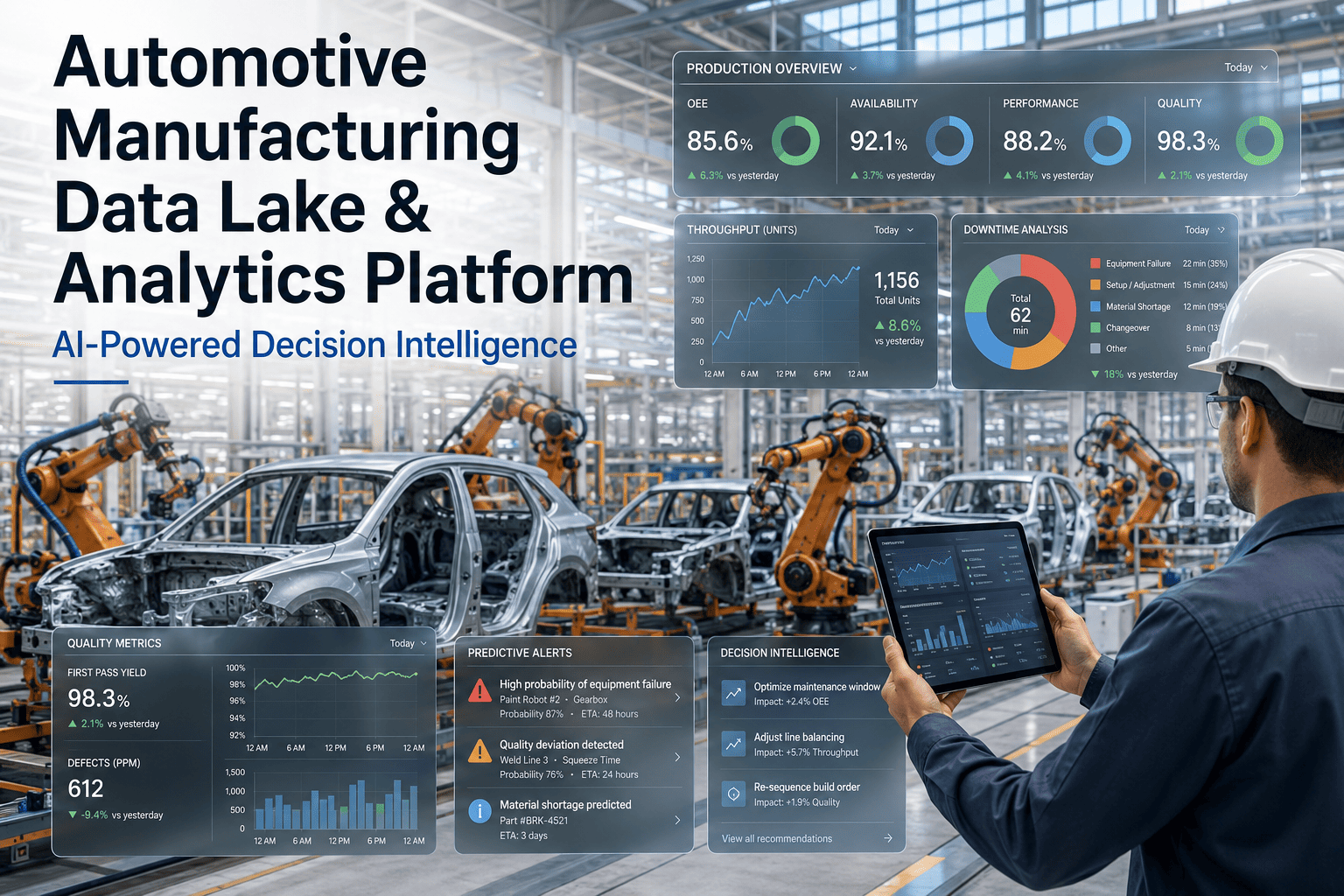
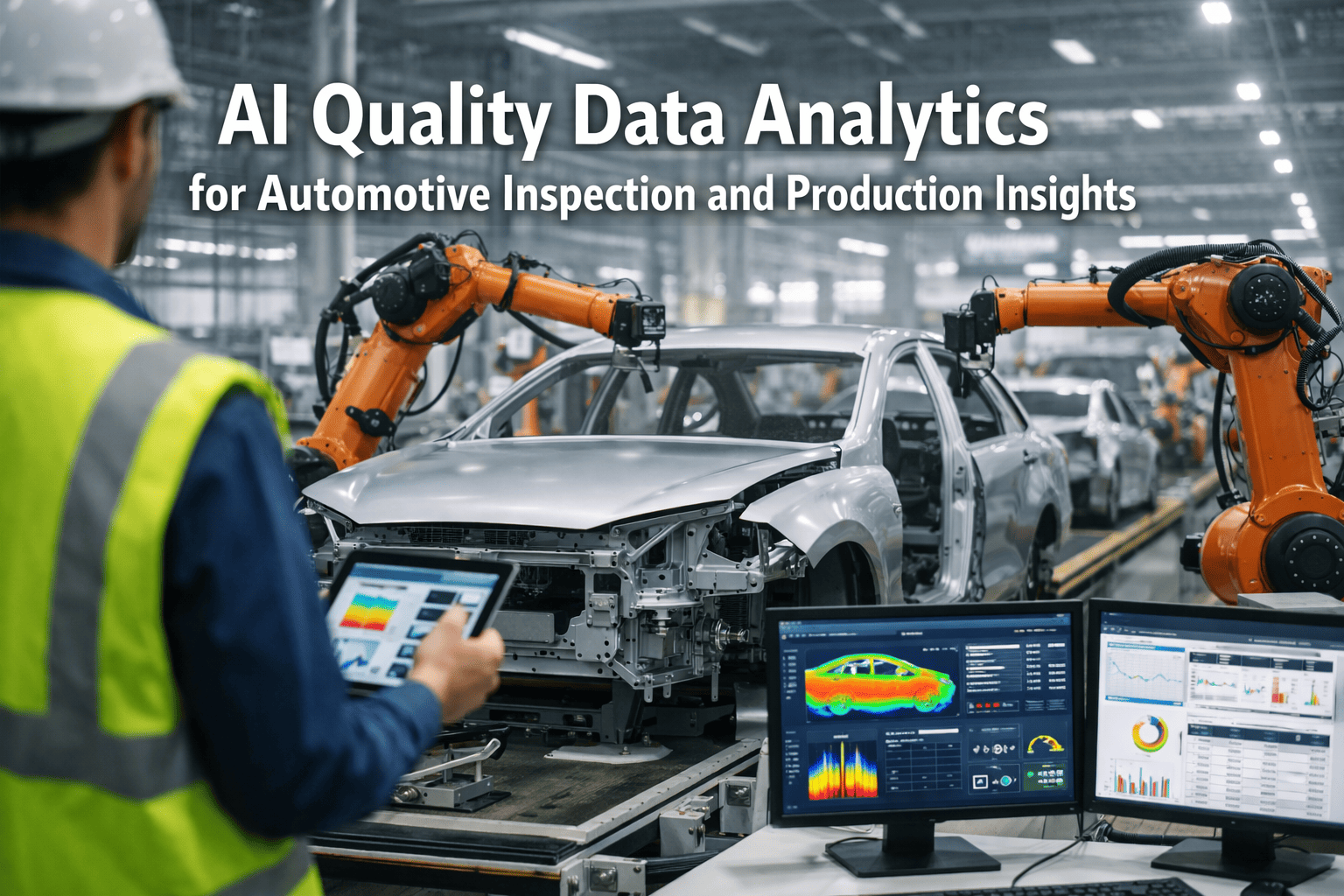
A plant running AI inspection at final assembly, another at stamping, and a third watching weld quality usually ends up with three separate savings stories, told in three different formats, updated on three different schedules, and almost never rolled up into one number a plant director can put in front of the executive team. Each station's inspection system may be genuinely delivering value, but without a shared analytics layer connecting them, that value stays fragmented and hard to defend as a whole. The plants getting the most credit for their AI inspection investment are the ones that stopped treating each station as its own reporting island. iFactory's unified inspection analytics hub is built to bring those stories together into one.
Unified Inspection Analytics
One Analytics Hub for Every AI Inspection Station on the Line
Stamping, weld, paint, and final inspection each generate their own savings story. See how a unified platform rolls them into one defensible plant-wide number.
Why Station-by-Station Reporting Undersells the Investment
Each inspection station's AI system is usually deployed by a different team, on a different timeline, and often from a different vendor, which means each one arrives with its own dashboard and its own way of framing savings. That fragmentation makes it genuinely hard to answer a simple executive question — what is AI inspection actually worth to this plant — even when every individual station is performing well.
Unified
Analytics Hub
Stamping AI
Weld AI
Paint AI
Final Inspection AI
What Cross-Station Analytics Actually Requires
01
Shared Data Model
A common way of representing savings, defect categories, and cost across every station's data.
02
VIN-Level Linkage
Every station's result tied back to the same vehicle, enabling a true end-to-end quality view per unit.
03
Consistent Cost Basis
The same methodology for calculating rework, warranty, and escape cost applied across every station.
04
Unified Reporting Cadence
One reporting rhythm and format instead of reconciling separate reports from separate vendor tools.
From Fragmented Dashboards to One Financial Story
1
Inventory Stations
Map every inspection station currently generating AI-based savings data
2
Standardize Data
Normalize defect categories and cost calculations to a shared model
3
Connect by VIN
Link every station's result to the same vehicle record for end-to-end visibility
4
Report Unified ROI
One dashboard, one number, presentable directly to plant and corporate leadership
Want to see what a unified view across your existing inspection stations would look like? Talk to our team about connecting your data.
Fragmented vs. Unified Reporting
| Aspect | Station-by-Station Reporting | Unified Analytics Hub |
|---|
| Savings visibility | Separate story per station | One consolidated plant-wide number |
| Cross-station patterns | Invisible without manual cross-referencing | Surfaced automatically across stations |
| Executive reporting | Requires manual reconciliation each cycle | Generated directly from the shared data model |
| Vehicle-level quality view | Fragmented across separate systems | Complete, VIN-linked record across all stations |
What a Unified Platform Delivers
One Number
Plant-wide ROI figure instead of scattered station-level stories
Cross-Station
Patterns visible across stations that isolated dashboards miss
Faster
Executive and financial reporting cycles
Who Uses a Unified Analytics Hub
01
Plant Leadership
Presents one defensible ROI figure to corporate leadership instead of reconciling separate station reports.
02
Quality Engineering
Investigates cross-station quality patterns that a single-station view would never reveal.
03
Finance
Evaluates AI inspection investment as one consolidated program rather than several disconnected ones.
04
Corporate Quality and IT
Manages one integration layer instead of maintaining separate connections to every vendor's individual system.
Frequently Asked Questions
Does every inspection station need to use the same AI vendor for this to work?
No, the goal of a unified analytics hub is specifically to connect data across different vendors and systems, since most plants realistically end up with different AI inspection solutions at different stations over time rather than a single vendor across the whole line.
Our team can assess what your current mix of systems would require.
How long does it take to connect multiple stations into one platform?
Timelines depend on how many stations are involved and how standardized their existing data already is, but the process generally starts with the stations that have the cleanest, most structured data and expands from there rather than requiring every station to be ready simultaneously.
What's the benefit of VIN-level linkage specifically?
Linking every station's result to the same vehicle record makes it possible to see a complete quality history for any given vehicle across its entire build, which is valuable both for warranty investigation and for spotting patterns where issues at one station correlate with issues at another.
Can this scale across multiple plants, not just one facility?
Yes, and multi-plant rollups are one of the most valuable extensions of this approach, since they let corporate quality and finance teams compare inspection ROI consistently across facilities rather than receiving differently formatted reports from each plant.
Where should a plant start building this kind of hub?
Start with an inventory of every inspection station currently generating AI-based data and what format that data is in today — that inventory usually reveals which stations can be connected quickly and where standardization work needs to happen first.
Book a demo to see how that inventory process typically runs.
Stop Telling Your AI Inspection Story One Station at a Time.
Bring Every Inspection Station Into One Analytics Hub
Bring your current inspection systems and reporting process. We'll show you what a unified, plant-wide ROI view could look like.