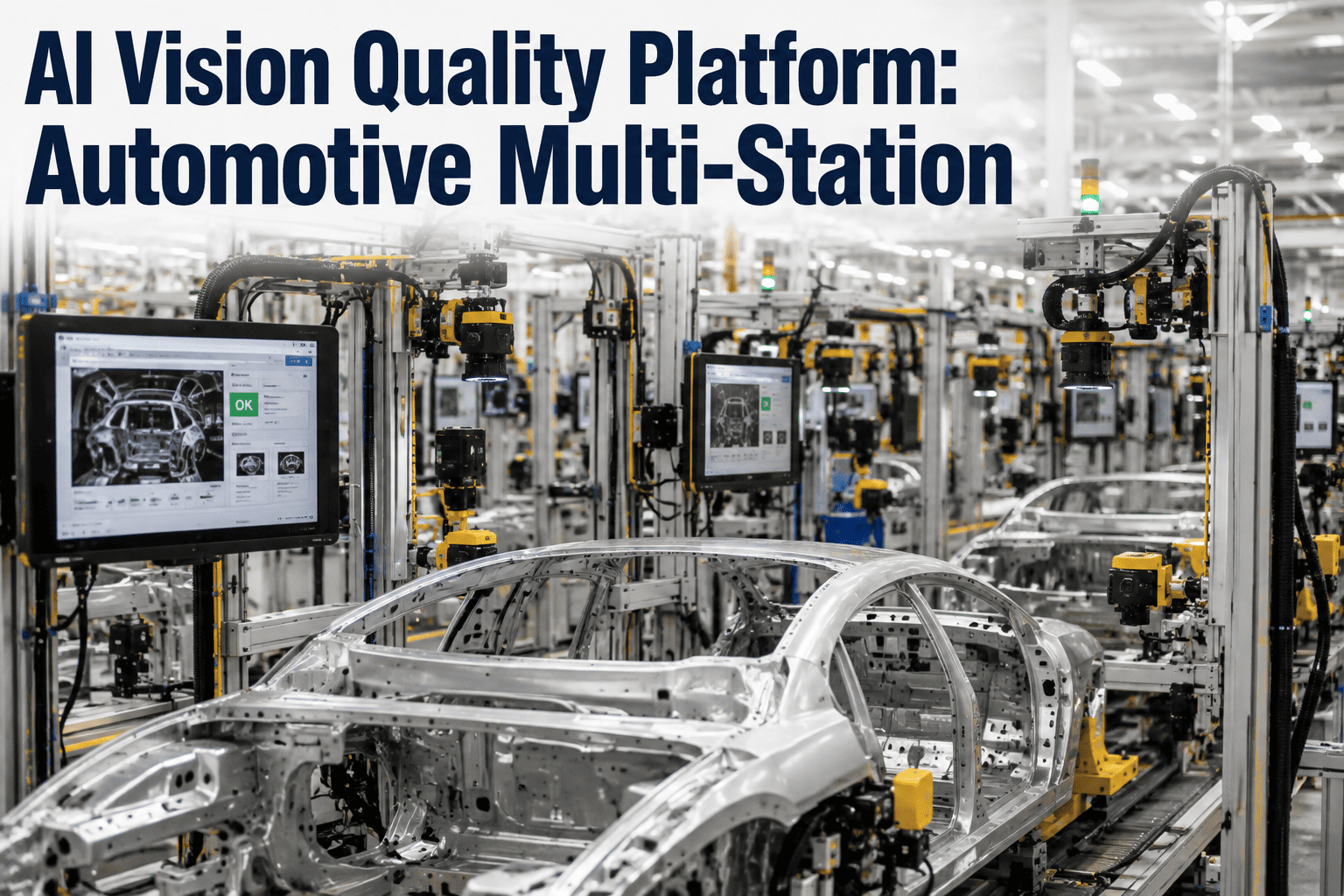
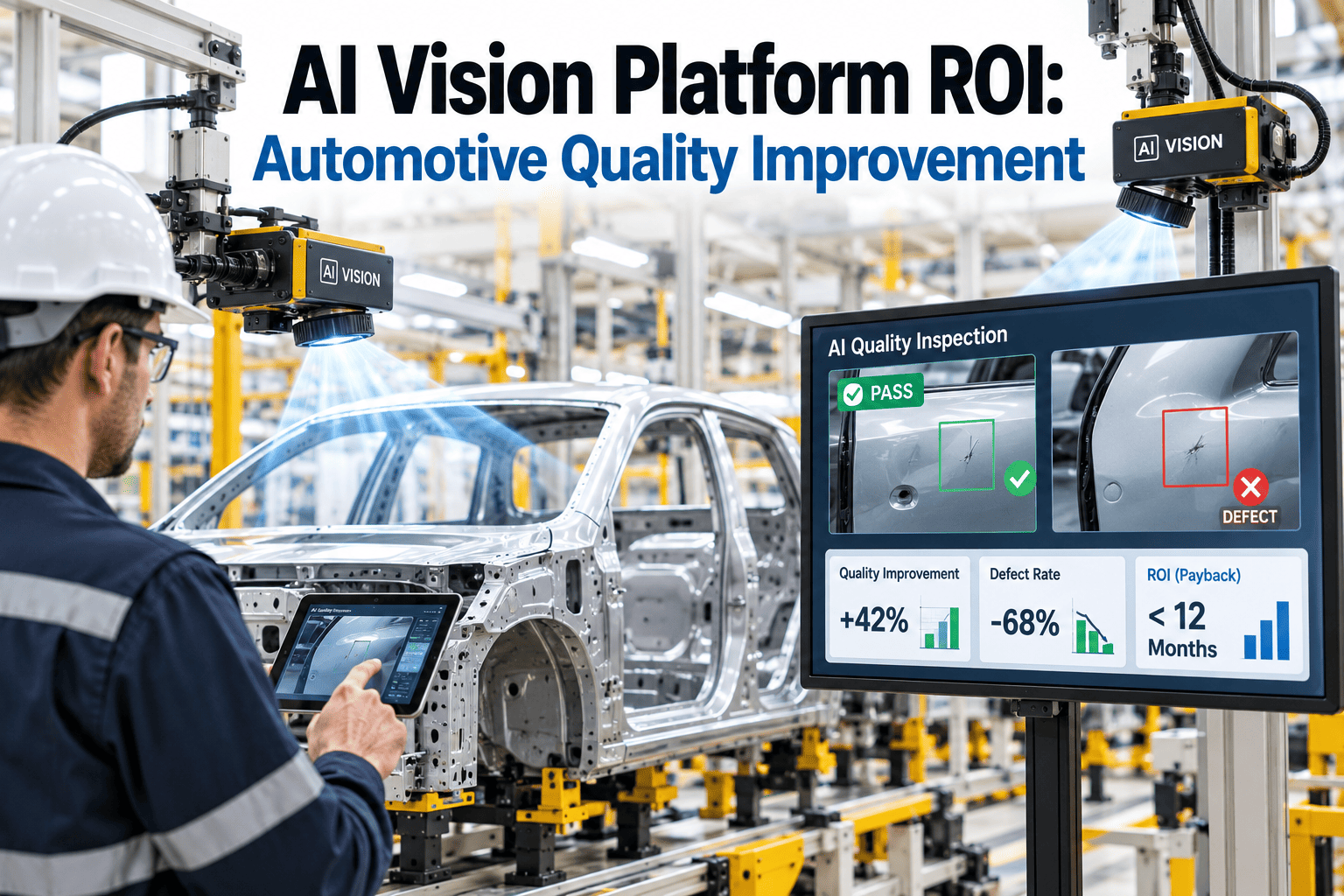
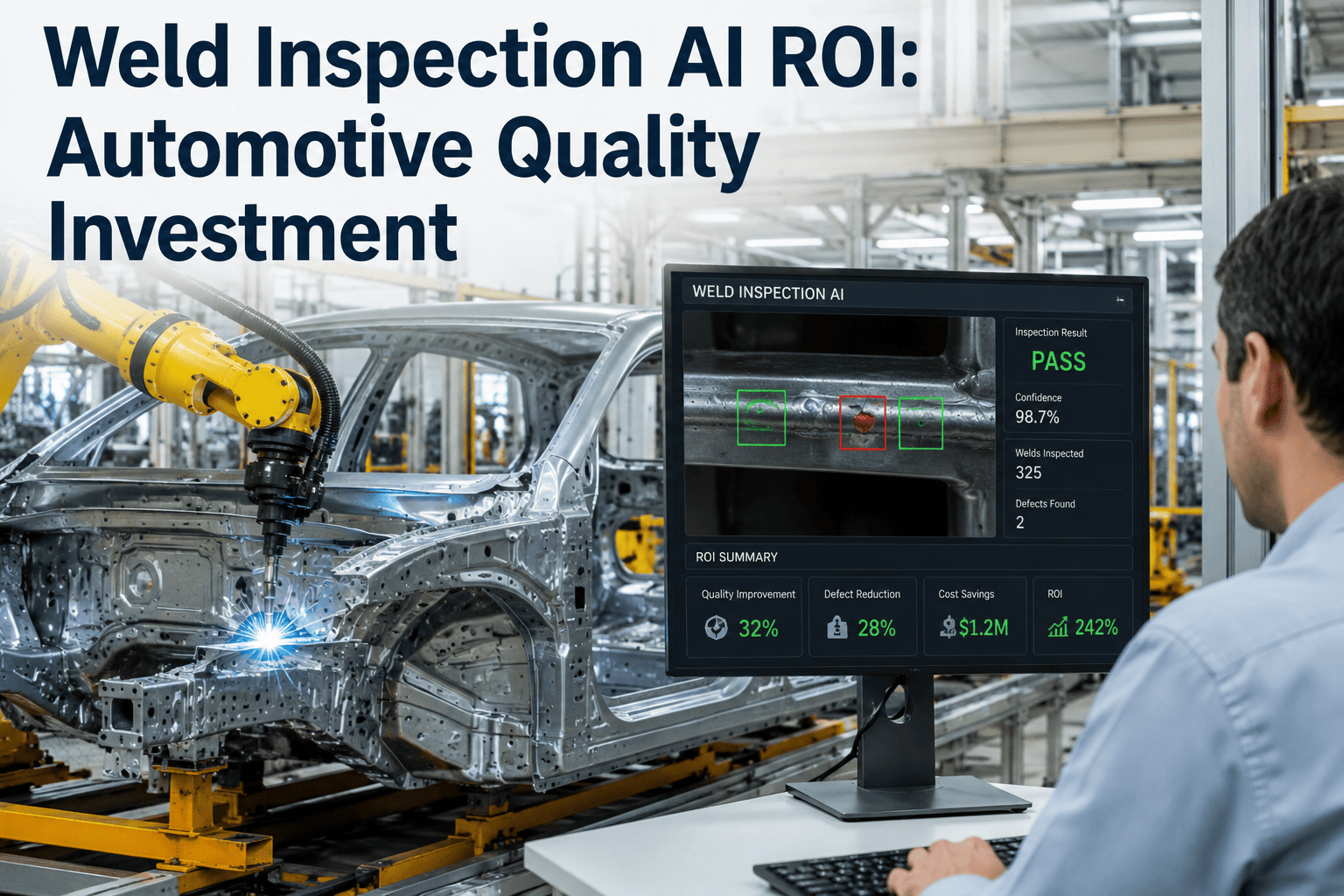
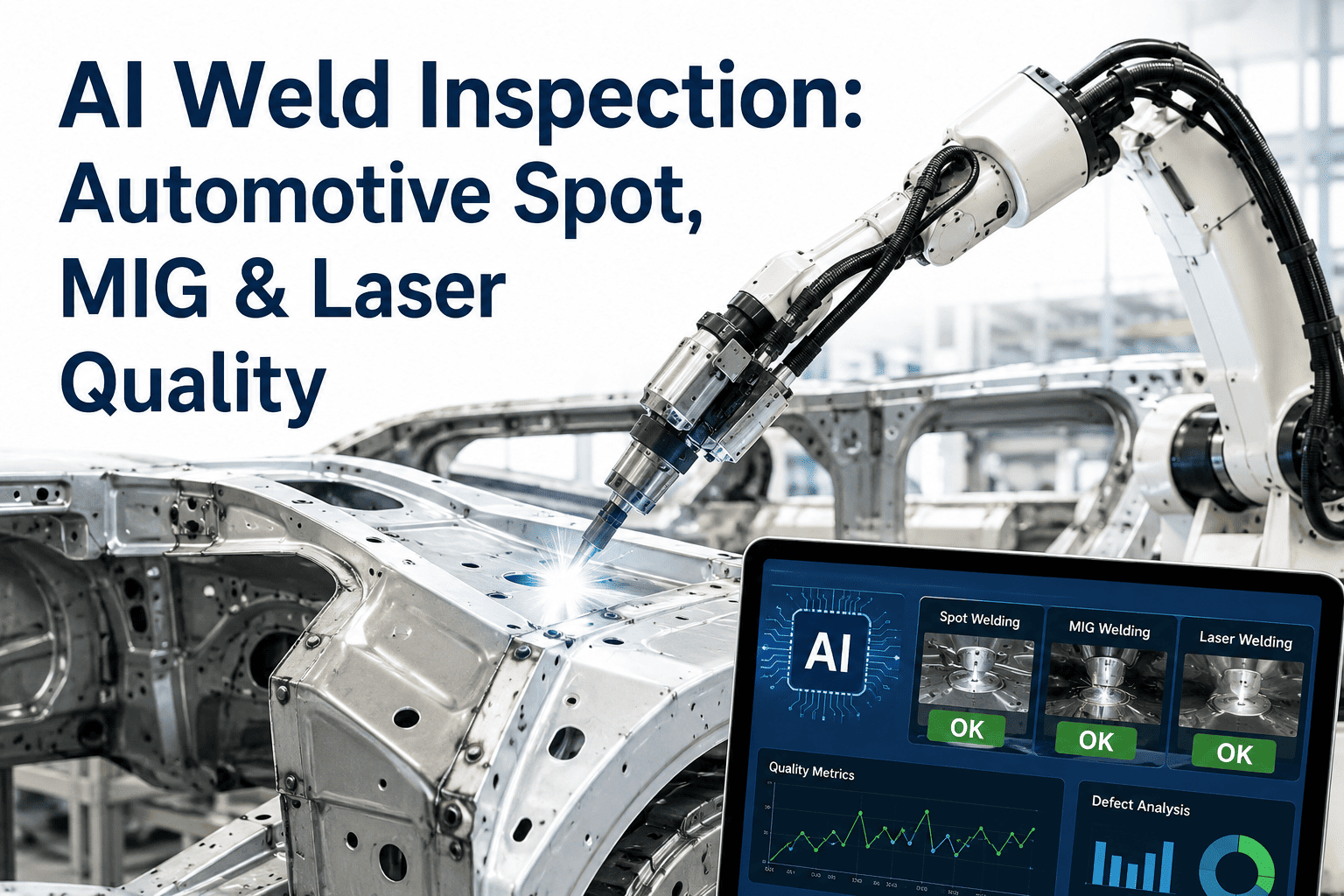
Most automotive plants running AI vision inspection today have five, eight, sometimes twelve separate vision systems scattered across the paint shop, the weld line, final assembly, and the end-of-line audit booth, each one bought at a different time from a different vendor, each one reporting into its own screen, and none of them talking to each other. A weld defect flagged on the body line and a paint blemish flagged three stations later on the same physical car are treated as two unrelated events instead of two data points about the same vehicle, which means the plant never actually sees the full quality story of a single unit as it moves through the factory. A unified AI vision platform changes that by connecting every inspection station into one system of record, so quality data compounds instead of fragmenting, and every station benefits from what every other station has learned. Talk to iFactory about connecting your inspection stations before your next capital planning cycle locks in another isolated point solution.
Automotive · Multi-Station Vision Platform
One AI Vision Platform Across Paint, Weld, Assembly, and Final Inspection
Stop running isolated vision systems at every station. Connect detection data across the entire vehicle journey and turn scattered inspection points into one unified quality intelligence layer.
4+
Stations unified per line
1
Single quality record per unit
60%
Fewer redundant inspections
The Fragmentation Problem
Why Station-by-Station Vision Systems Stop Paying Off
Every additional standalone vision system a plant deploys adds another screen for operators to check, another model to retrain, another vendor contract to manage, and another silo of data that never reaches anyone outside that one station. The result is that plants running six or seven disconnected systems often know less about their overall quality trend than a plant running two connected ones, because nobody can see the pattern that spans multiple stations.
Duplicate Inspection Effort
The same panel or joint can get inspected twice by two unrelated systems that don't know about each other, wasting cycle time on redundant checks instead of catching new defect types.
No Cross-Station Root Cause
A defect that actually originated at the weld station but only becomes visible at final inspection looks like a mystery when the two systems can't be correlated by vehicle identity.
Fragmented Vendor Management
Each standalone system means a separate support contract, a separate update cycle, and a separate point of failure, multiplying the operational overhead of running AI vision at scale.
See The Platform In Action
Watch How iFactory Connects Every Inspection Point on Your Line
A short working session shows exactly how paint, weld, assembly, and final inspection data flow into one connected quality record for every vehicle that moves down your line.
Station-by-Station Coverage
What a Unified Platform Actually Connects
01
Paint Shop Inspection
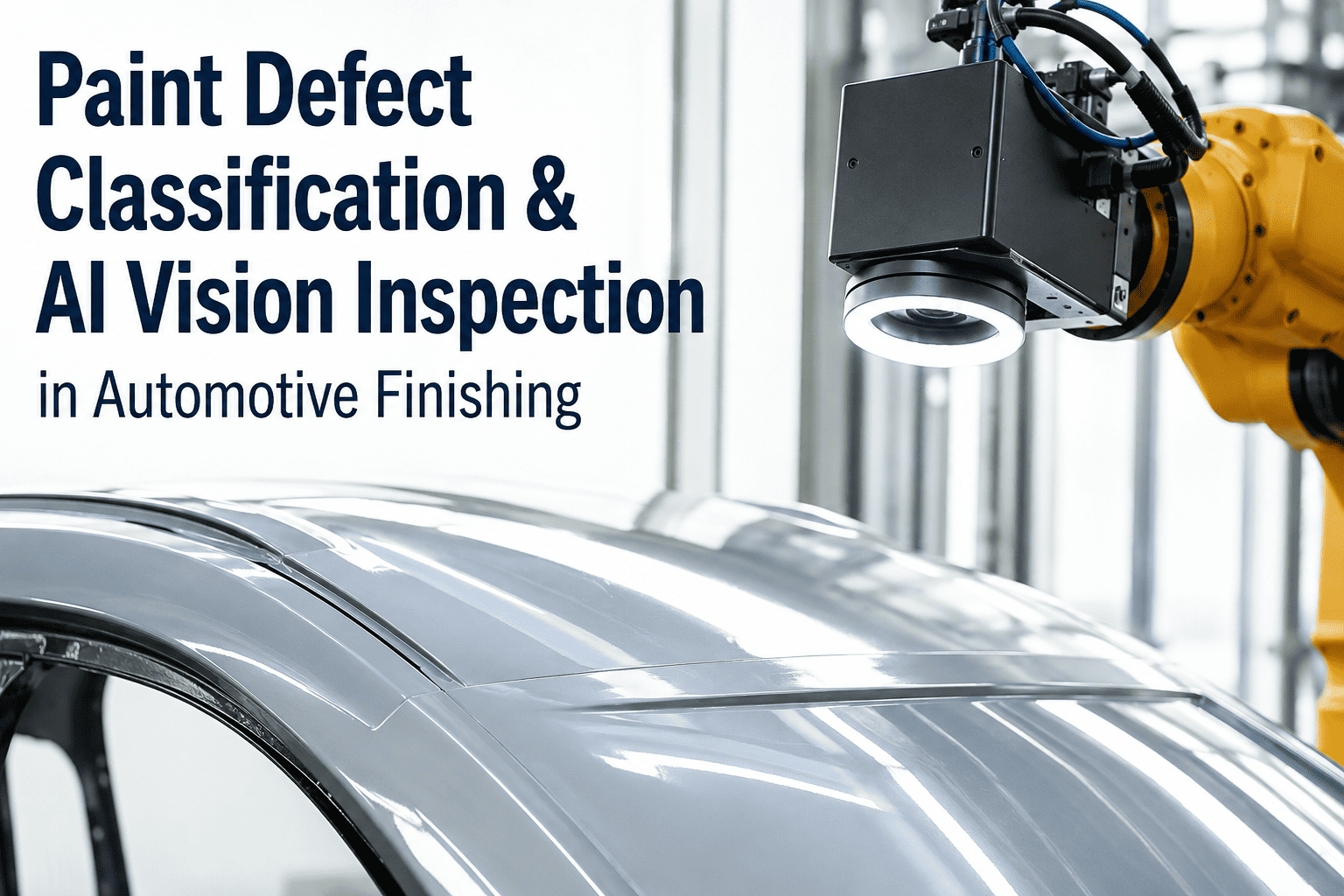
Surface defect detection for orange peel, dirt-in-paint, runs, and color mismatch is logged against the vehicle's unique identifier the moment the car leaves the paint booth, rather than sitting in a paint-shop-only database.
02
Weld and Body Shop
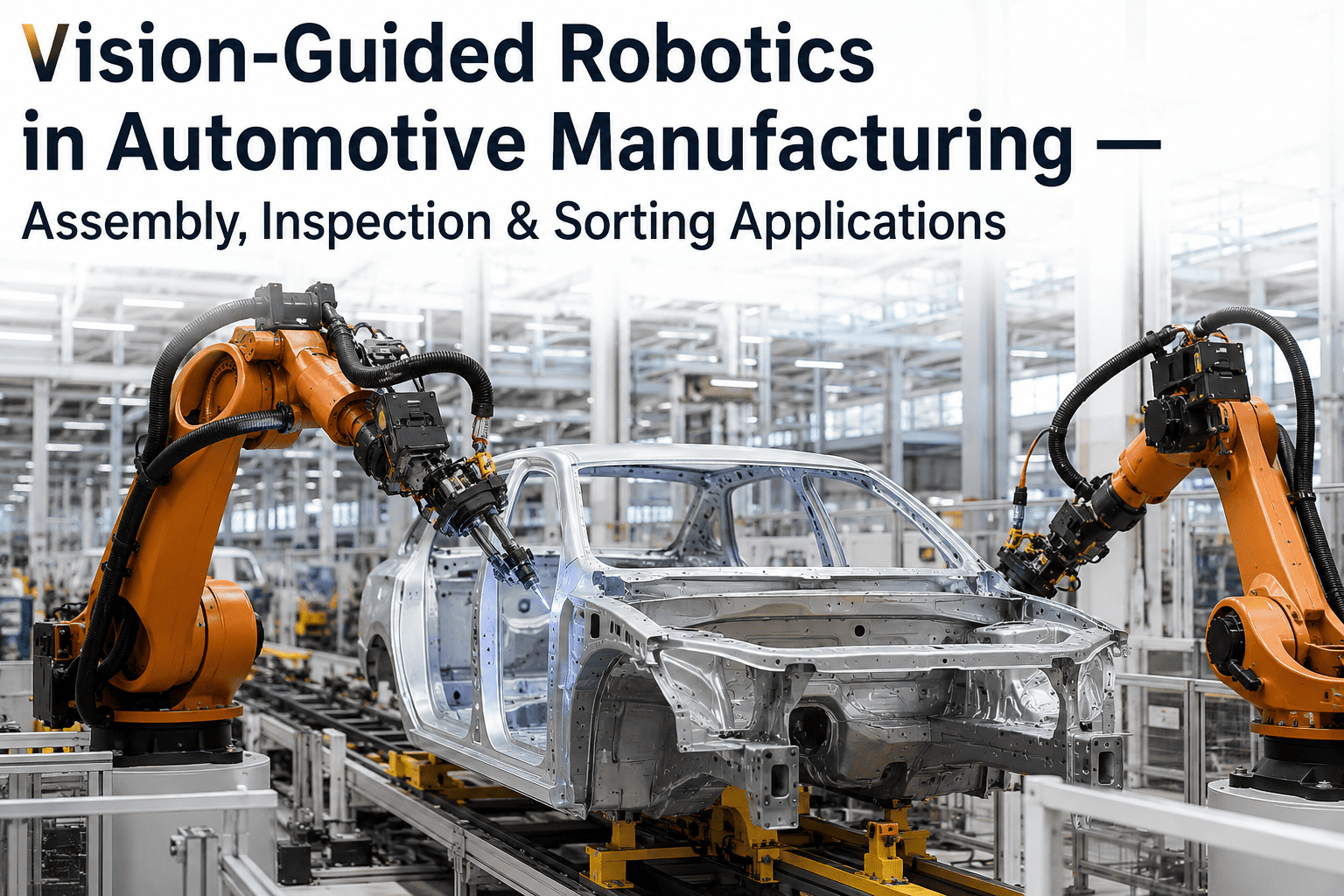
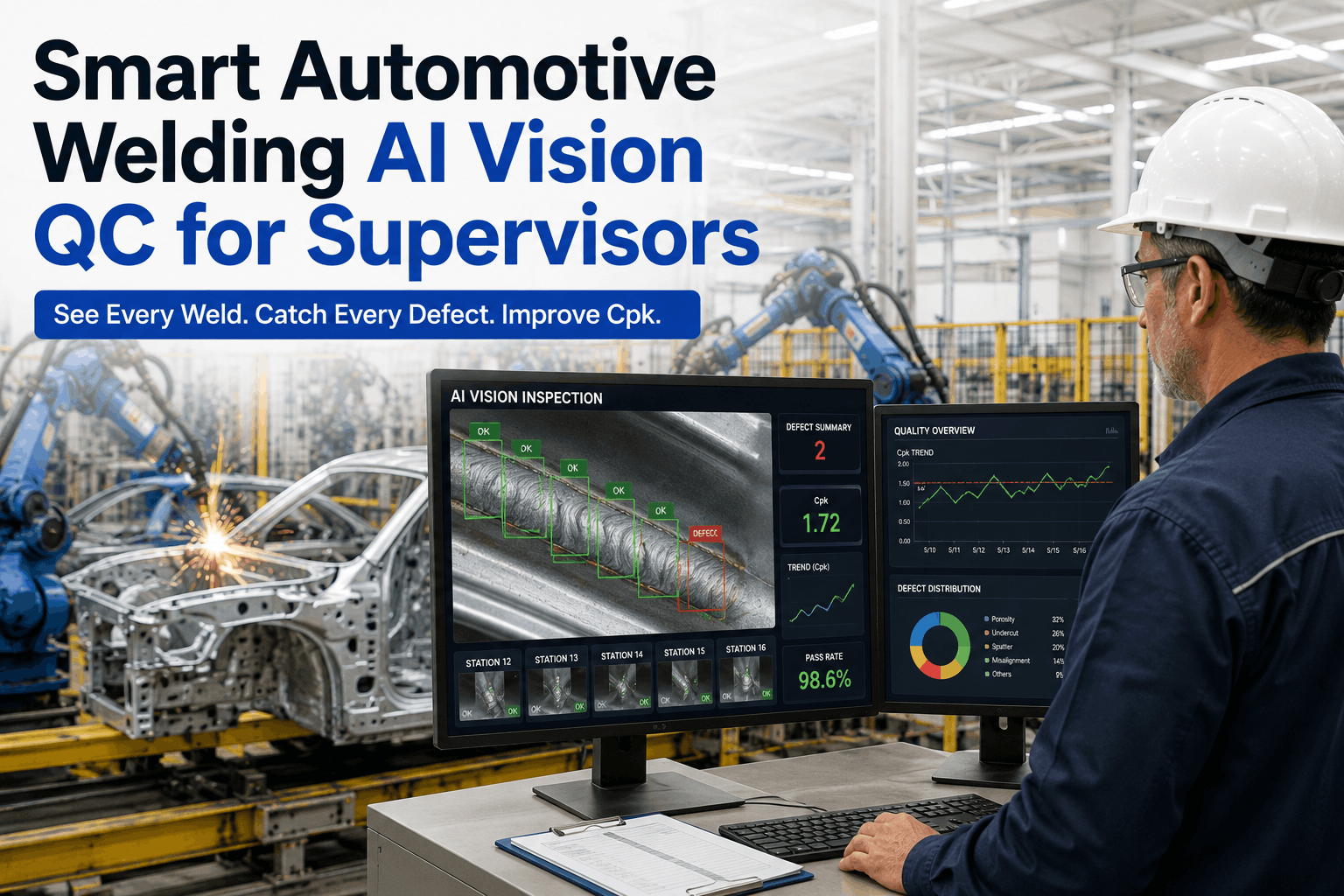
Weld seam quality, gap and flush measurements, and joint integrity checks feed the same unified record, so a downstream defect can be traced back to the exact weld station and time window that produced it.
03
General Assembly
Component presence, fastener verification, and trim fit checks throughout assembly add to the growing quality profile of the vehicle instead of existing as an isolated pass or fail on a local screen.
04
Final Audit and Shipping Inspection
The final inspection point sees the entire upstream history of the vehicle before it makes a shipping decision, catching cases where an earlier flagged issue was never actually resolved.
Isolated vs. Connected
What Changes When Stations Share a Platform
| Capability |
Isolated Point Systems |
Unified Vision Platform |
| Vehicle-level quality history |
Not possible — each station only sees its own data |
Complete record spanning every station a vehicle passes |
| Cross-station root cause analysis |
Requires manual data pulling and spreadsheet matching |
Automatic correlation across stations by vehicle ID |
| Model updates and retraining |
Managed separately per vendor, per station |
Centrally managed and consistently deployed |
| New station onboarding time |
New procurement and integration cycle each time |
Added to an existing platform in weeks, not months |
Field Perspective
I have audited automotive plants where the paint shop's vision vendor and the body shop's vision vendor had never once exchanged data, despite both systems inspecting the same vehicles less than two hundred meters apart on the same line. The plant's quality team was manually reconciling defect logs from four different systems every week just to build a picture that a connected platform would have given them automatically, in real time, without anyone lifting a spreadsheet. The technical case for a unified platform is almost always secondary to the operational case — it is less about the AI model being smarter and more about the organization no longer having to do the correlation work by hand.
Odalys Fennimore-Reyes
Automotive Manufacturing Systems Consultant · 14 years in body shop and paint shop quality systems · Former Quality Systems Lead, tier-one automotive supplier
Why Plants Consolidate
Five Reasons Platform Consolidation Pays Off
Faster Root Cause Resolution
Investigations that once took days of manual log pulling across systems now take minutes because every station's data already lives in one place.
Lower Total Cost of Ownership
One platform to license, update, and support replaces the overhead of managing several disconnected vendor relationships.
Consistent Detection Standards
Defect classification logic stays consistent station to station instead of drifting between vendors with different definitions of what counts as a defect.
Simpler Operator Experience
Operators and quality engineers work from one interface instead of switching between multiple unrelated screens throughout a shift.
Scalable Station Onboarding
Adding a new inspection point becomes a configuration exercise on an existing platform rather than a fresh procurement project.
Common Questions
Multi-Station Platform — Frequently Asked
Can a unified platform work with cameras and hardware we already have installed at each station?
In most cases yes, since the platform layer sits above existing camera hardware and focuses on unifying the data and model management rather than requiring a full hardware replacement at every station.
Book a demo to review compatibility with your current camera and lighting setup station by station.
How long does it take to connect an existing standalone vision system into a unified platform?
Timelines depend on how many stations are involved and how much custom integration each legacy system needs, but a first station is typically connected and validated within a few weeks of project kickoff.
Book a demo to get a realistic timeline for your specific station count.
Does consolidating stations onto one platform create a single point of failure risk?
A well-architected platform is designed with station-level redundancy so that a platform-side issue does not halt inspection at every station simultaneously, and local fallback logic keeps individual stations operating during any connectivity interruption.
Book a demo to review the resilience design in detail.
Can different stations keep using different detection models tuned for their specific defect types?
Yes — a unified platform does not force identical models across stations, it unifies the data layer and management interface while allowing each station's model to stay specialized for the defect types relevant to that process.
Book a demo to see how station-specific models coexist on one platform.
What happens to our existing vendor contracts if we move to a unified platform?
Most plants transition gradually, connecting one station at a time as existing contracts come up for renewal rather than replacing everything at once, which spreads out both the cost and the change management effort.
Book a demo to plan a phased transition around your current contract timeline.
Stop Managing Vision Systems One Station at a Time
Bring Paint, Weld, Assembly, and Final Inspection Into One Platform
iFactory unifies AI vision detection across every station your vehicles pass through, so quality data compounds into one connected record instead of fragmenting across disconnected systems.