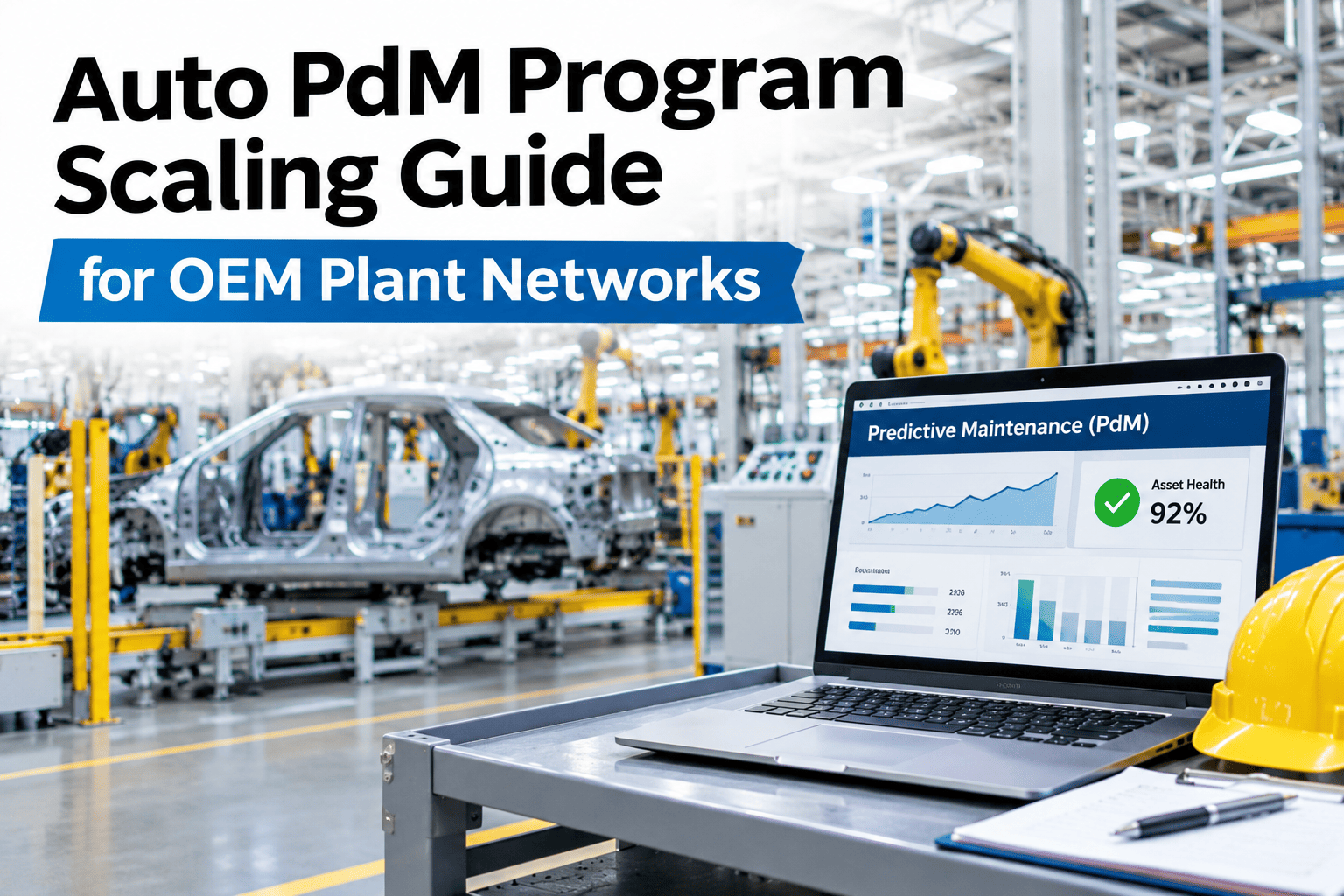
A predictive maintenance program that works beautifully at one pilot plant often stalls the moment someone tries to copy it to plant two, because the pilot was built around that specific plant's quirks rather than a repeatable pattern. Scaling across an OEM network of five, fifteen or thirty plants needs a template approach from the start — a model library and cross-plant analytics designed for reuse, not a one-off success story retold. Auto OEM teams planning a multi-plant rollout can review a scaling plan against their own plant network with iFactory AI.
A Pilot That Cannot Be Copied Is Not a Program, It's a One-Off
iFactory AI builds PdM as a template-plant pattern with a reusable model library and cross-plant analytics, so plant two is faster than plant one, and plant ten faster still.
Why Pilot Success Doesn't Automatically Scale
A pilot plant usually gets more attention, cleaner data and more hands-on support than a typical rollout site will receive. Success built on that extra attention does not transfer automatically — the pattern that scales has to be designed to work with normal, not exceptional, levels of support.
What a Model Library Actually Contains
Design a Rollout Pattern Before You Scale Past One Plant
Walk through your pilot plant's setup to identify what should become a reusable template versus what was specific to that site.
Why Cross-Plant Analytics Only Gets Valuable at Scale
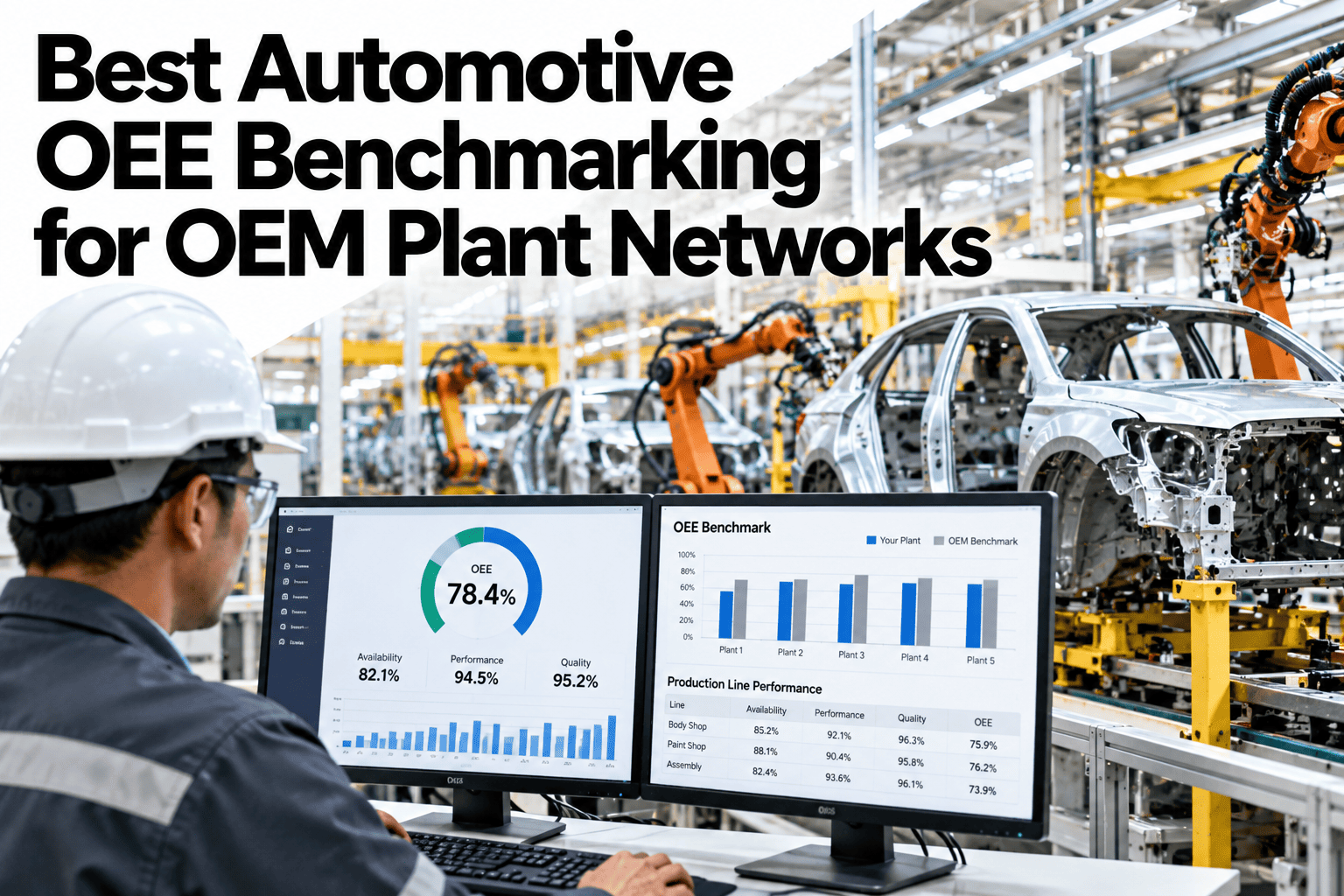
A single plant's PdM data tells you about that plant. Once several plants running the same equipment type feed into a shared view, patterns emerge that no single site could see alone — a specific motor model failing early across multiple plants, or one plant's maintenance practices clearly outperforming its sister sites on the same equipment.
That cross-plant visibility is one of the strongest arguments for a template approach from the start, since retrofitting consistent data structure across plants that were each set up differently is far harder than designing for it from plant two onward, a difference iFactory AI's team can help plan for before your rollout accelerates.
A Composite Scenario: The Rollout That Sped Up Instead of Slowing Down
An OEM network's first few plant rollouts each took several months, largely because every new plant effectively rebuilt its PdM setup from scratch. After formalizing a model library and a standard rollout checklist based on what the first three plants had actually needed, the next several plants completed setup in a fraction of the time, since the team was applying a proven pattern rather than solving the same integration problems repeatedly.
Frequently Asked Questions
Make Plant Two Faster Than Plant One, and Plant Ten Faster Still
iFactory AI builds a reusable model library and rollout template so your PdM program scales instead of restarting at every new plant. Book a walkthrough.