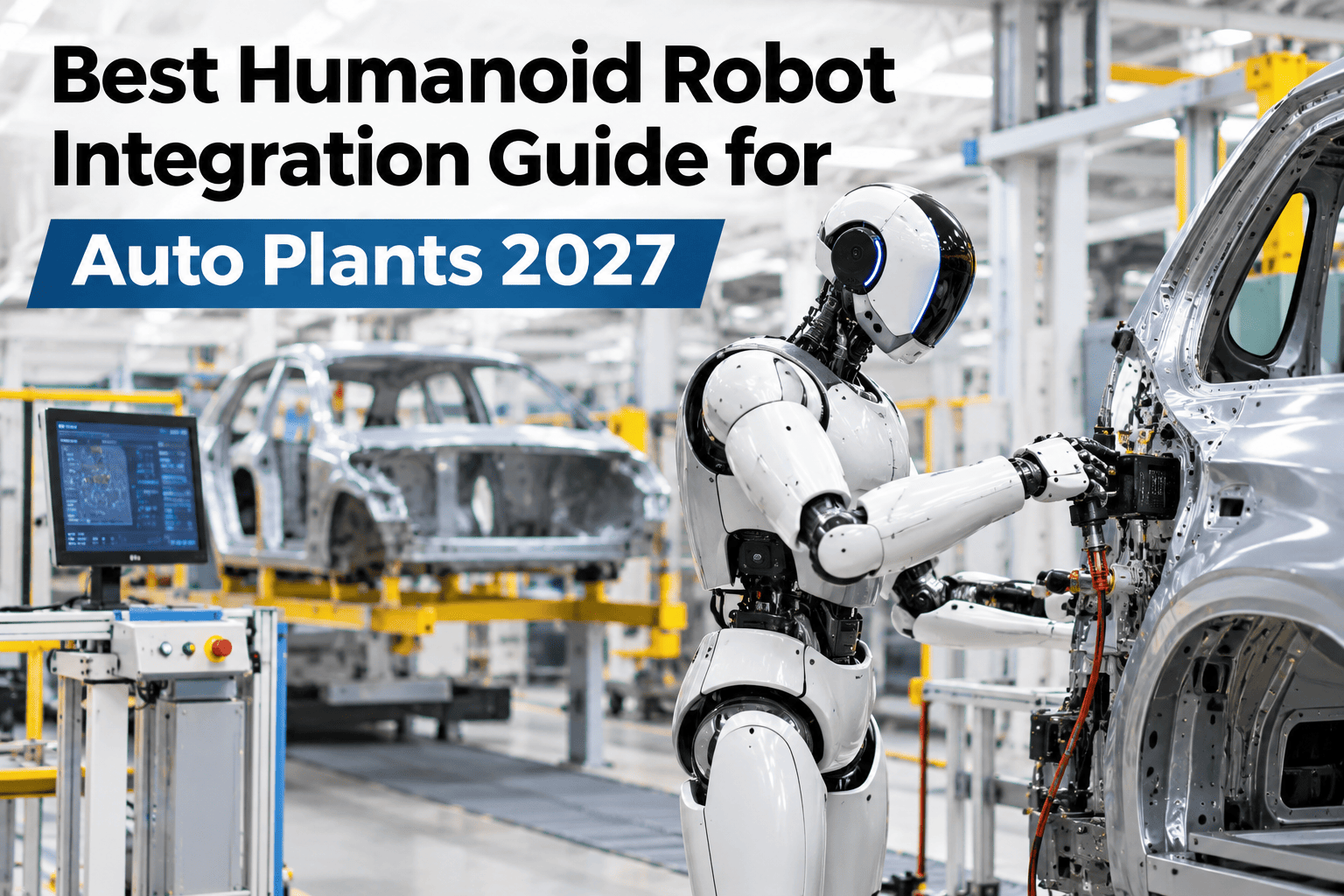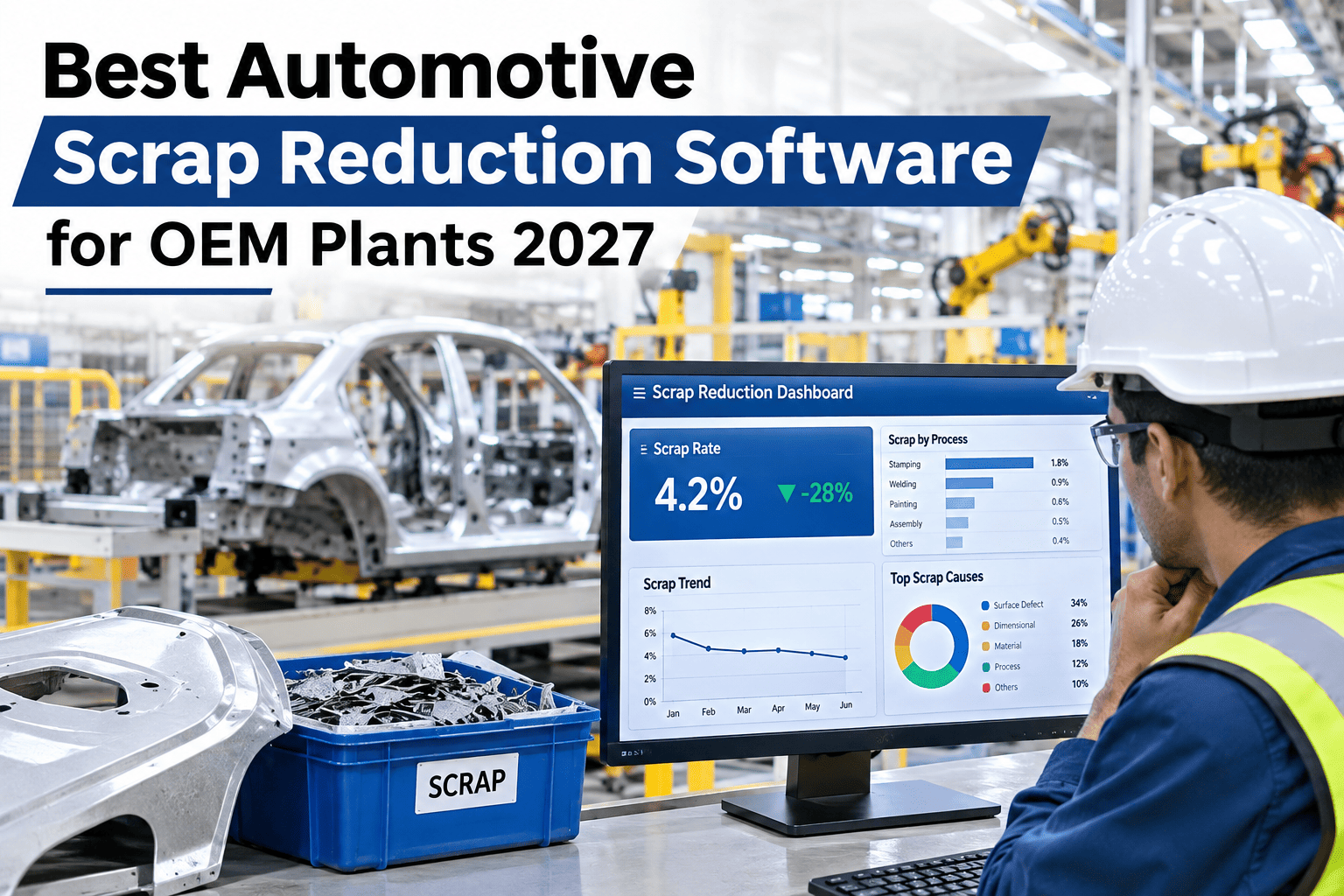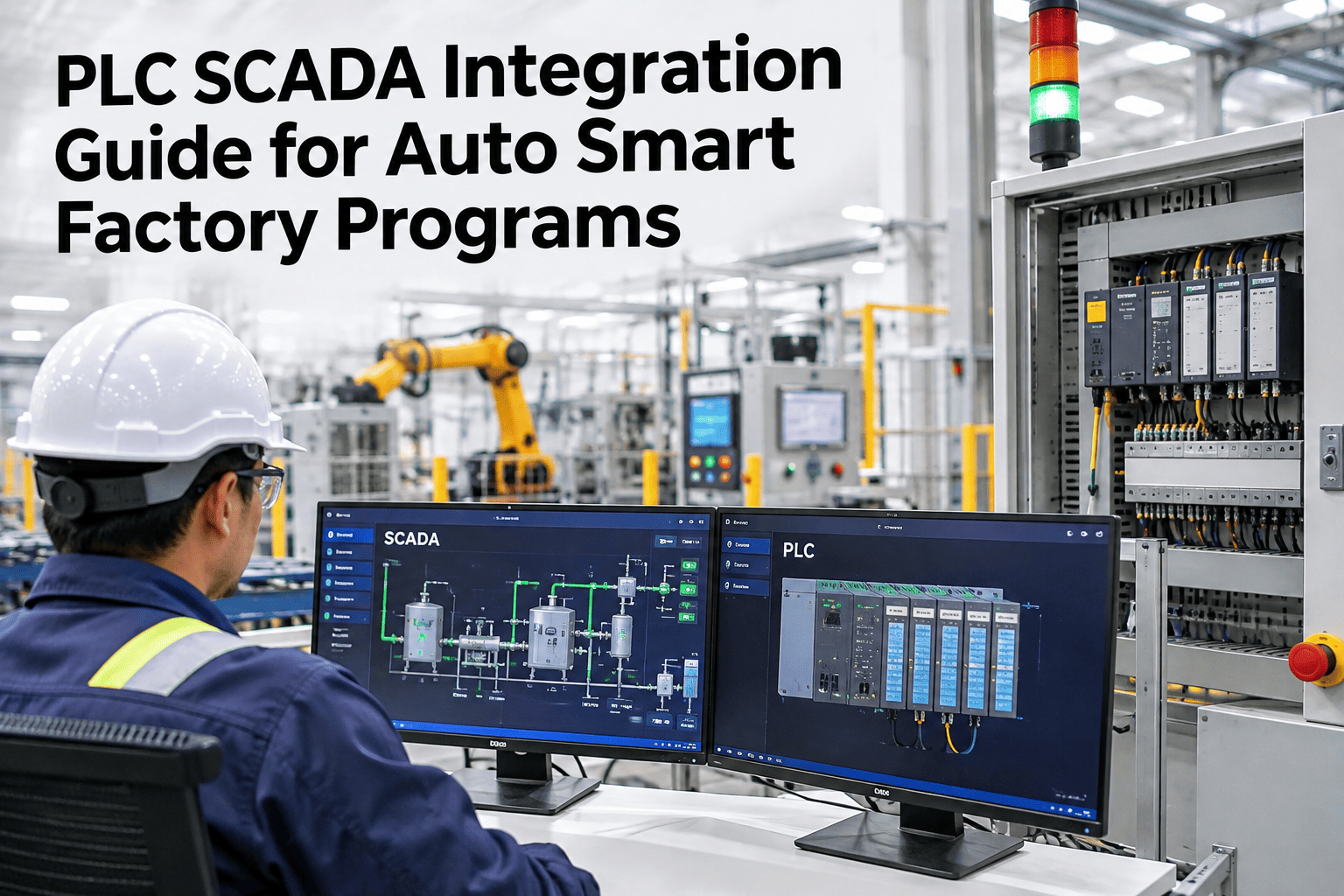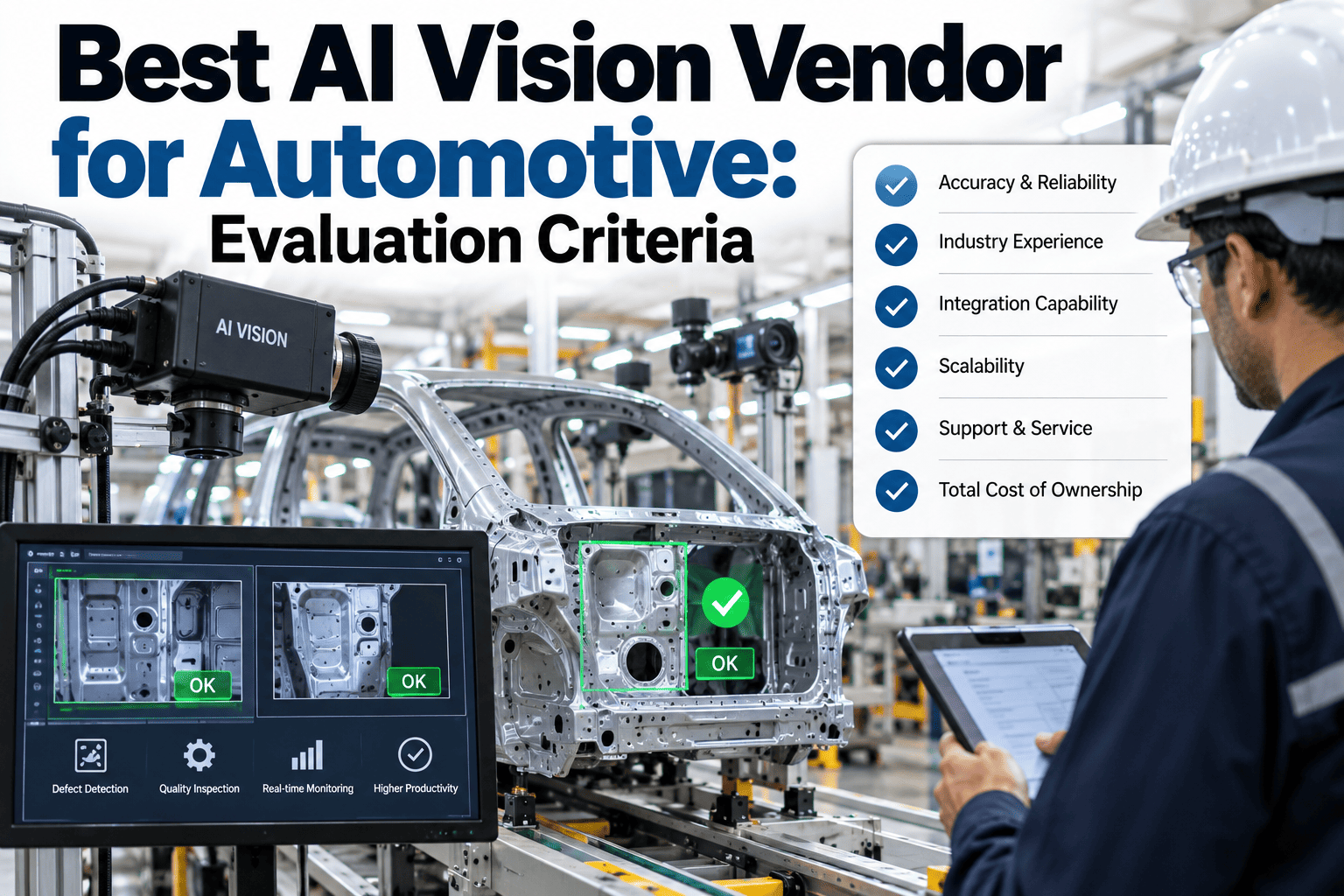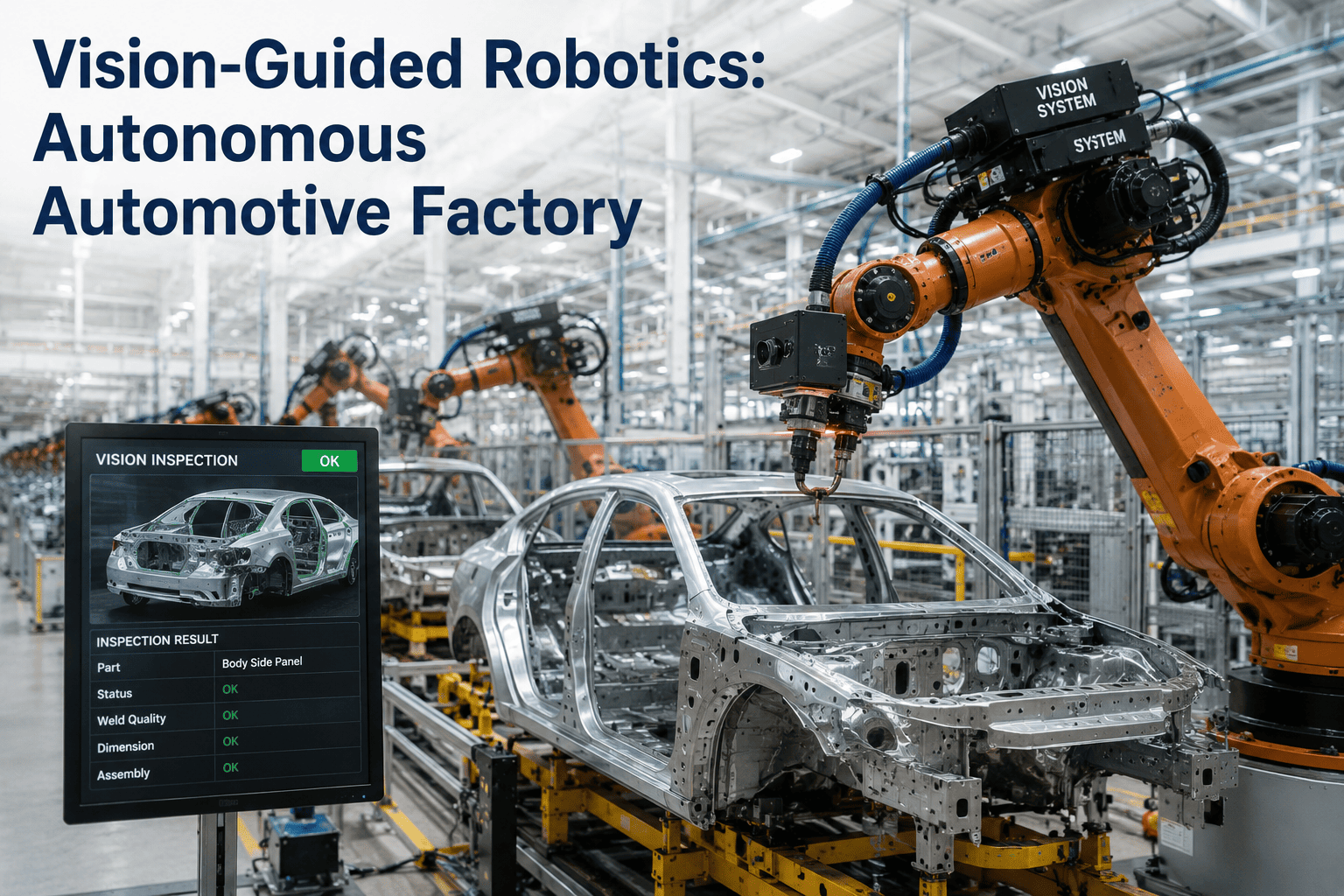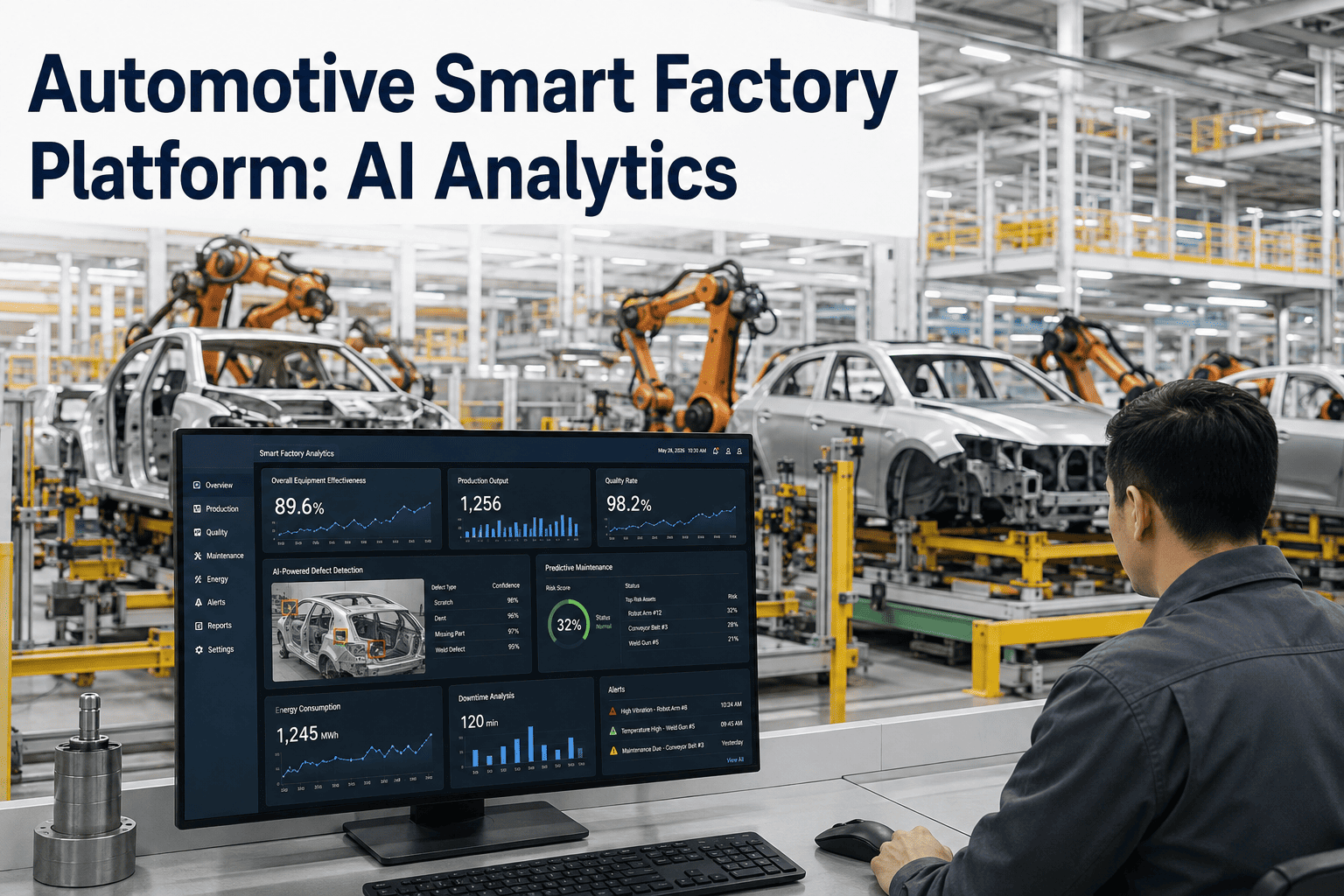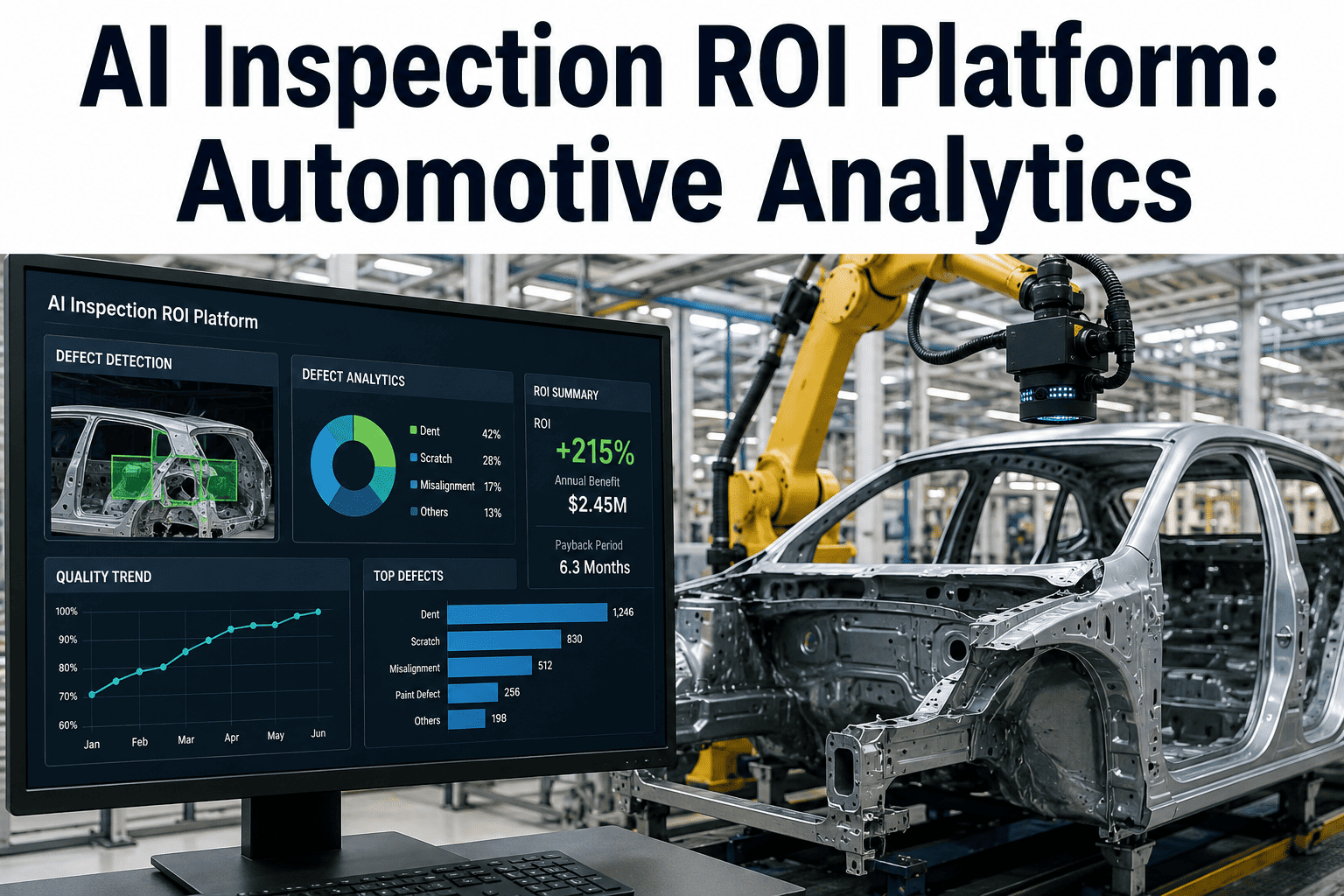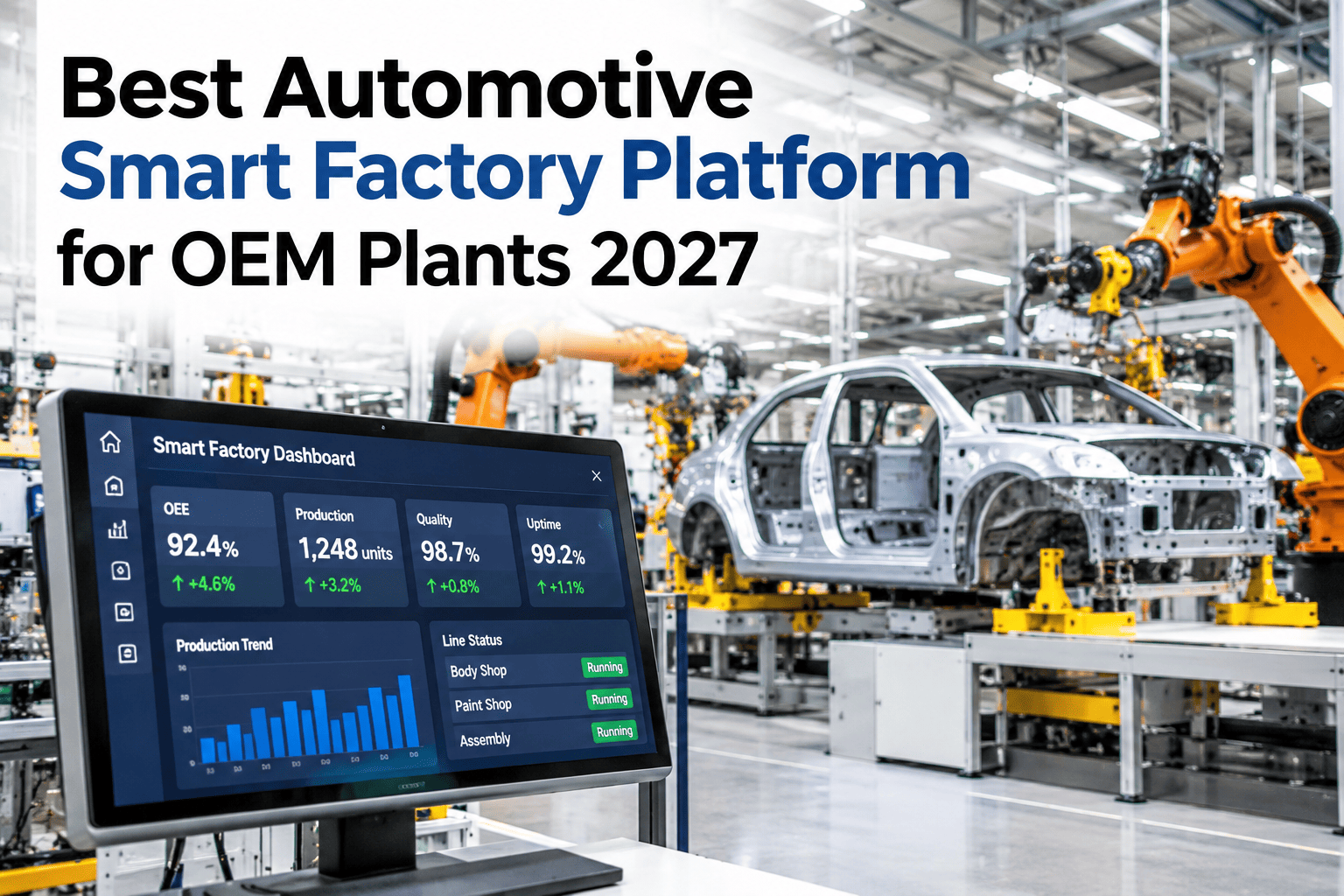
Most auto OEM plants in 2027 are not short on software — they are short on one platform that actually connects all of it. Vision inspection lives in one system, MES in another, CMMS in a third, PLC and SCADA data somewhere else entirely, and EV battery or IATF-specific workflows bolted on wherever they fit. A unified platform's value is not any single capability — it's that AI, vision, robots, MES, CMMS, OEE and quality data all reference the same underlying picture of the plant. Auto OEM plant leaders comparing platforms for 2027 can see a unified platform mapped against their current systems with iFactory AI.
Nine Capabilities, One Plant Picture, Not Nine Separate Systems
iFactory AI unifies AI, vision, robotics, PLC/SCADA, MES, CMMS, OEE, quality and EV/IATF workflows on one platform, so every system is working from the same data.
Why Disconnected Systems Cost More Than the Licenses Suggest
Each point solution looks reasonably priced on its own. The real cost shows up in the integration work required to make them talk to each other, and in the gaps that appear when a decision needs data from two systems that were never designed to share it.
What "Unified" Actually Needs to Mean
| Capability | Disconnected systems | Unified platform |
|---|---|---|
| Asset data | Different ID per system, manually reconciled | One consistent asset record across every module |
| Quality and MES | Separate dashboards, no shared context | Defect data tied directly to the production record |
| Maintenance and OEE | CMMS and OEE rarely cross-reference | Downtime cause linked straight to OEE loss category |
| Compliance workflows | IATF or EV-specific steps bolted on separately | Built into the same workflow as everything else |
See What Connecting Your Current Systems Would Actually Look Like
Walk through your existing AI, MES, CMMS and quality systems to see what a unified view would surface that they currently can't.
A Composite Scenario: The Question That Took Three Systems to Answer
A plant leadership team asked a simple question — why did OEE drop on line two last Tuesday — and getting a full answer required pulling data from the OEE system, cross-referencing CMMS for any maintenance events, and separately checking quality records for a defect spike, a process that took the better part of a day across three different people. On a unified platform, the same question resolves from one view because the downtime, maintenance and quality records already reference the same timeline and the same asset, a difference iFactory AI's team can walk through using a recent question your own plant has faced.
Why EV and IATF Workflows Benefit Most From Unification
EV battery manufacturing and IATF-driven quality requirements both demand traceability that spans multiple process steps and systems — exactly the kind of cross-system question that a disconnected stack struggles to answer quickly. Building those workflows natively into a unified platform, rather than bolting them onto separate systems, is what keeps audit and traceability requests from becoming multi-day research projects.
Frequently Asked Questions
Stop Reconciling Nine Systems to Answer One Question
iFactory AI unifies AI, vision, robotics, MES, CMMS, OEE, quality and compliance workflows on one platform. Book a walkthrough with your own current systems.