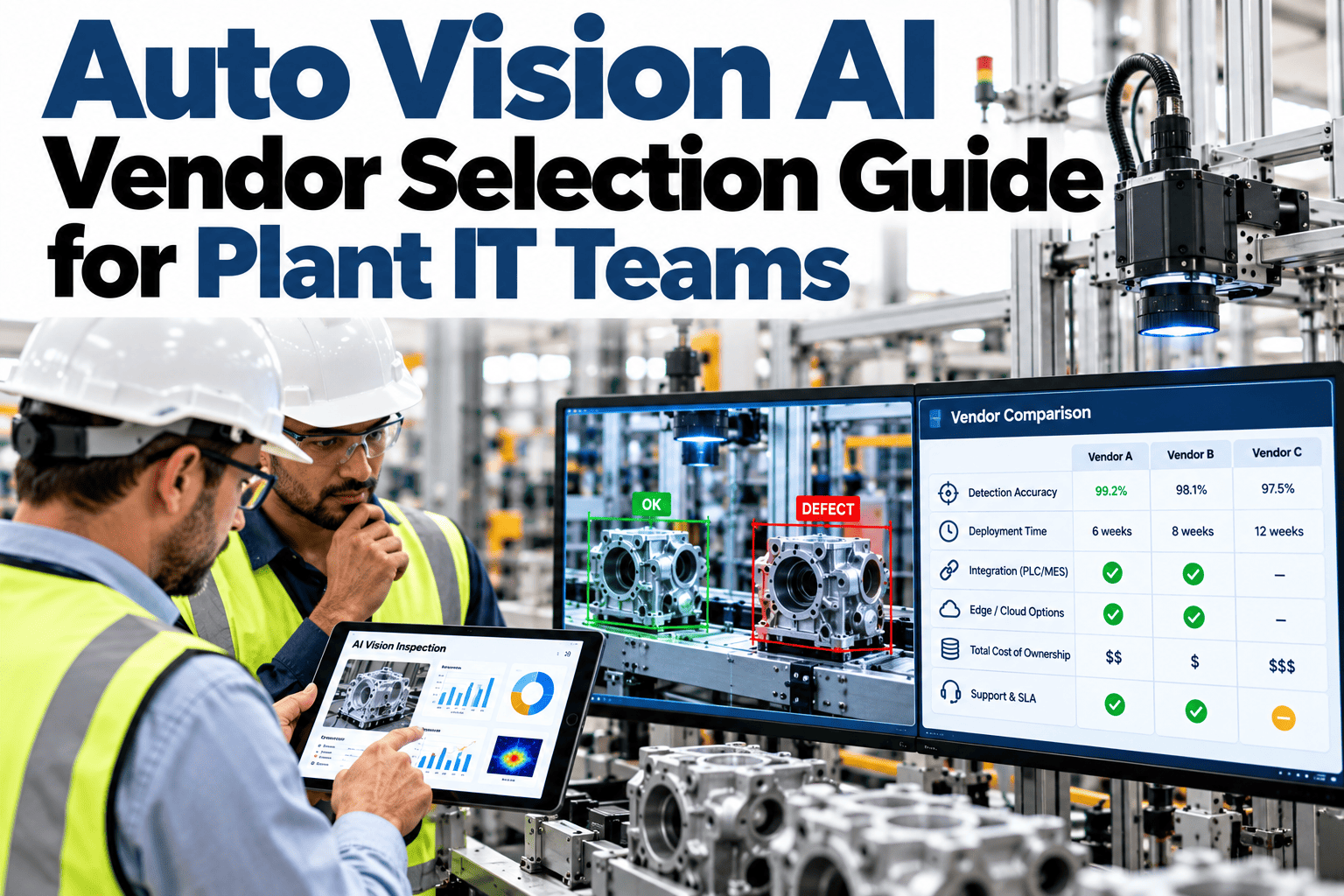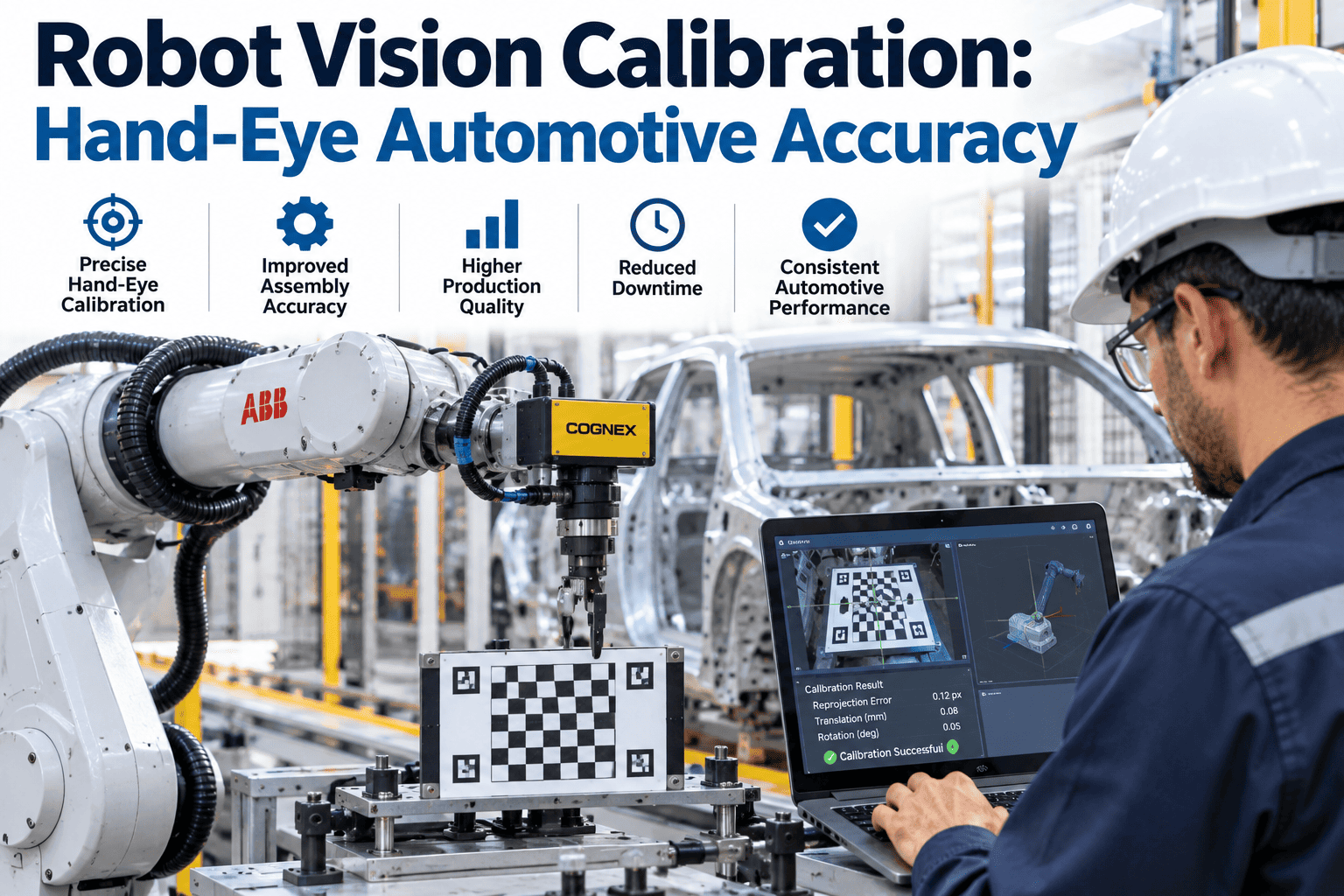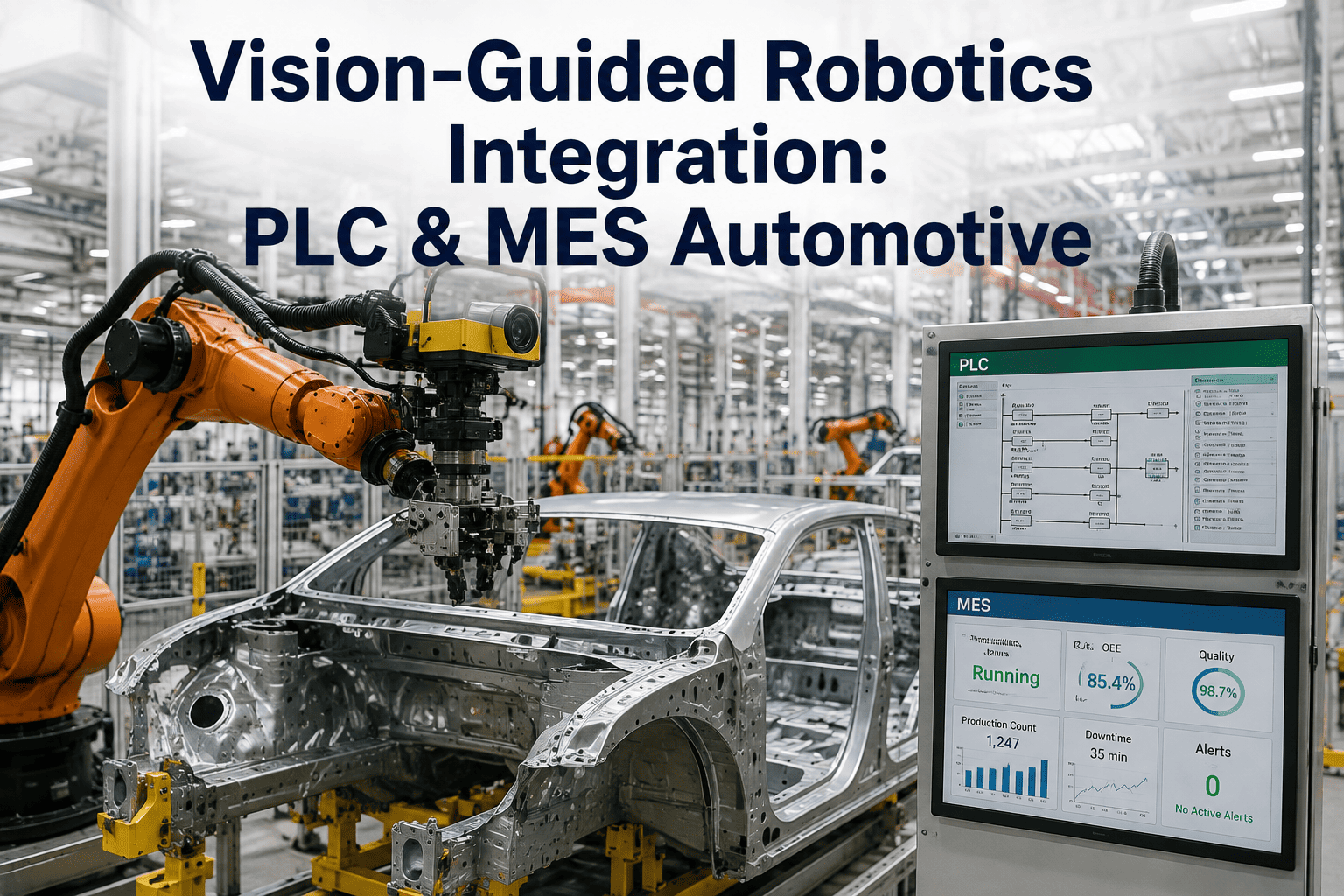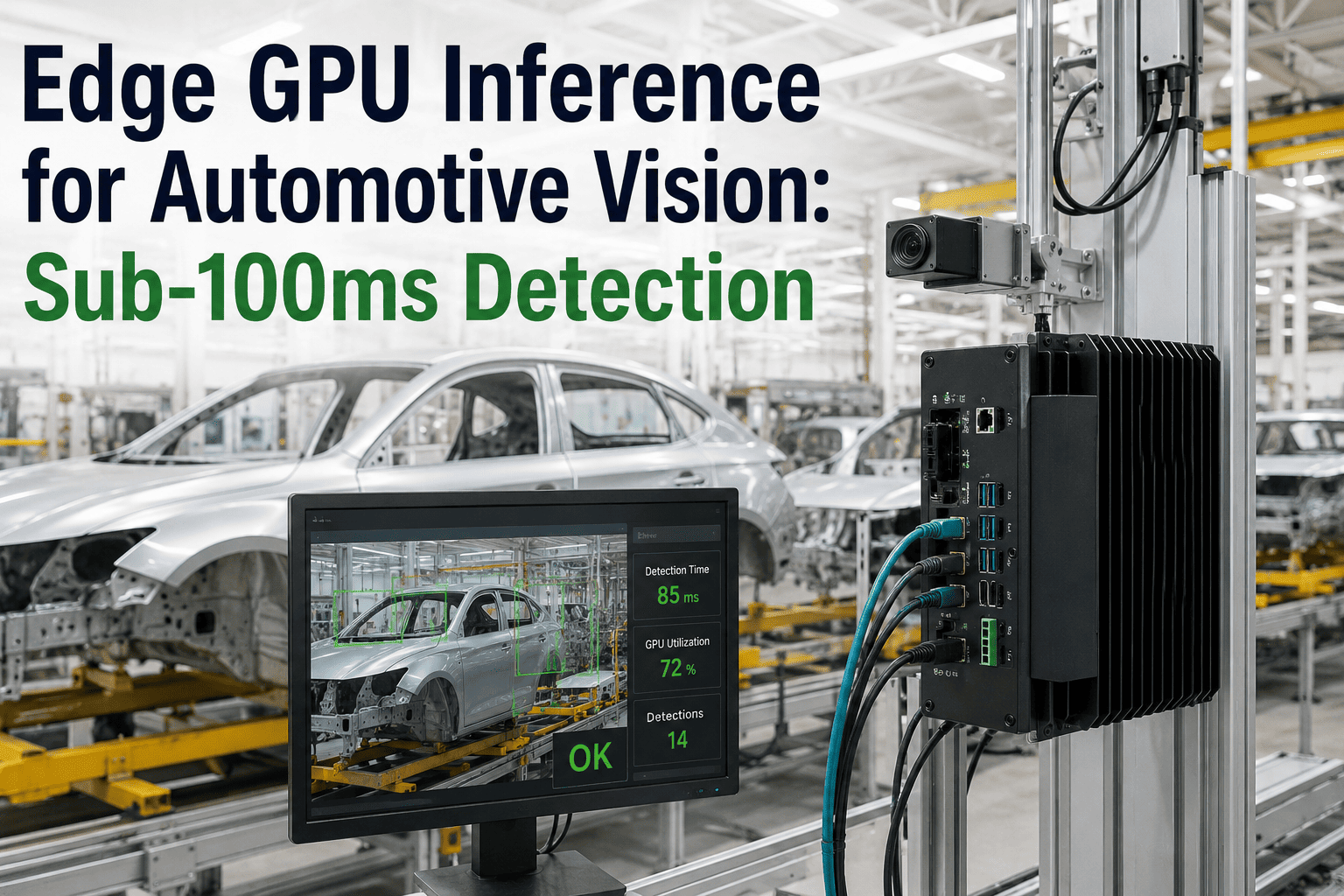
A vendor demo of an AI vision inspection system almost always looks impressive, since demos are, by design, run against the vendor's best-case sample set under ideal lighting conditions. The real test of whether a vendor is the right fit for an automotive plant happens months later, when the system encounters your actual production variation, needs integration with your specific line configuration, and eventually needs a model retrained after a component change the vendor's demo never anticipated. Evaluating vendors on the right criteria upfront, rather than being swayed primarily by an impressive demo, is what separates a deployment that scales smoothly across multiple stations from one that stalls after the pilot. This page covers the evaluation criteria that actually predict long-term vendor fit, questions worth asking that a standard demo won't answer, and how to structure a pilot that tests what actually matters. You can book a demo to see how iFactory approaches automotive vision deployment and what makes a strong long-term fit.
The Vendor That Wins the Demo Isn't Always the Vendor That Scales With Your Plant
iFactory brings deep automotive inspection experience, proven integration capability, and a retraining process built for real production variation, not just demo conditions.
What a Vendor Demo Actually Shows You, and What It Doesn't
Every AI vision vendor's demo is built around their strongest use case, tested against a sample set curated to showcase the system's capabilities under controlled conditions. This is a reasonable way to demonstrate that the underlying technology works, but it tells you very little about how the system will perform against the specific defect types, lighting conditions, and part variation your plant actually produces, or how responsive the vendor will be eighteen months from now when your production has changed and the model needs updating.
- Detection accuracy on curated sample images
- General user interface and reporting capability
- Basic integration concept with a generic line setup
- Sales team responsiveness during the evaluation period
- Accuracy against your actual production variation and defect types
- Integration effort with your specific line and existing systems
- Retraining responsiveness when your production changes
- Support team quality once you're a live customer, not a prospect
What to Actually Score Vendors Against
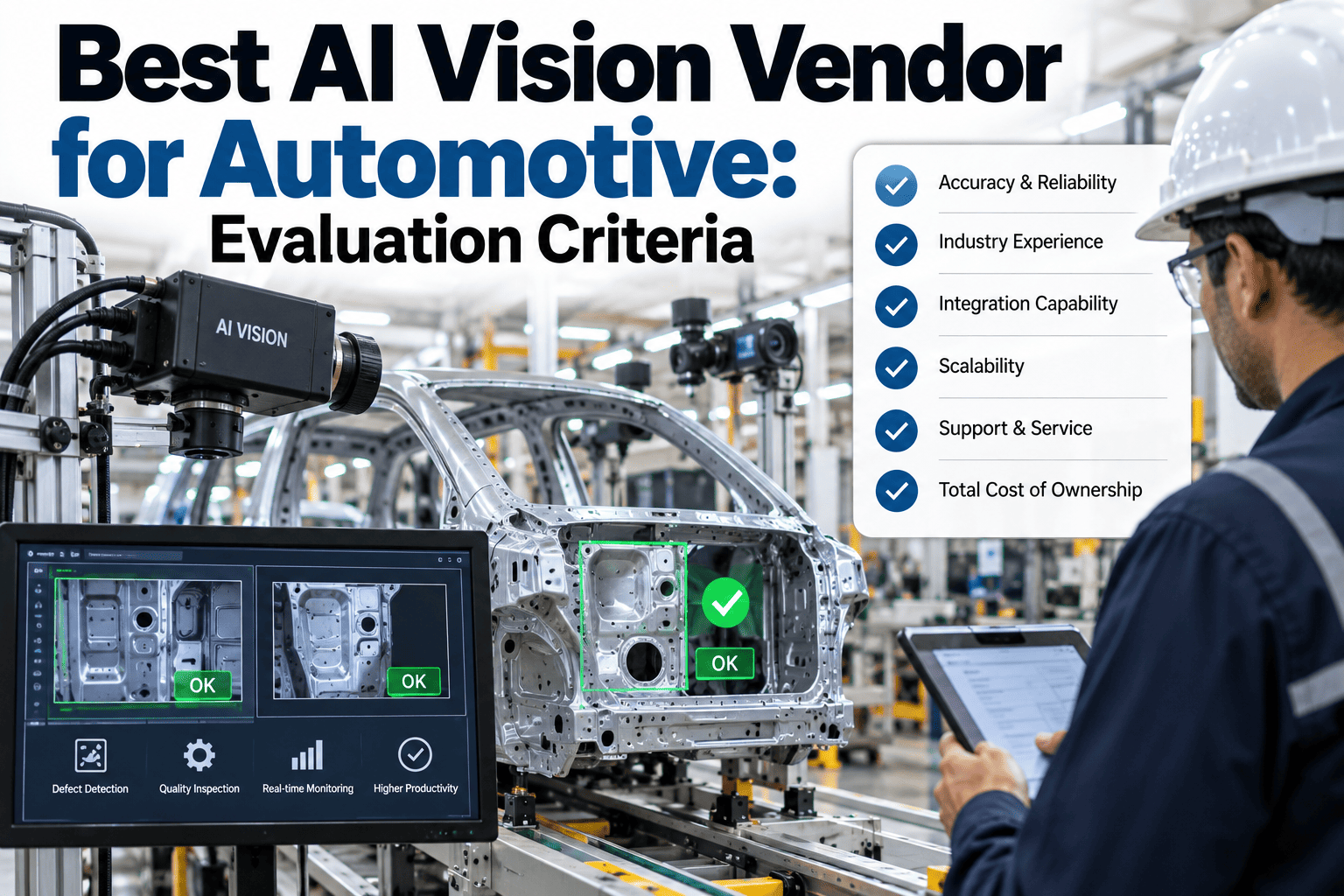
Vendors with specific experience across automotive components, understanding the difference between paint defect detection and weld inspection, tend to anticipate integration challenges and defect nuances that a generalist vision vendor won't have encountered before.
Accuracy claims from a vendor's marketing material or even their demo sample set mean little compared to accuracy measured against a pilot run using your actual parts and defect history.
How readily the vendor's system integrates with your existing line control systems, MES, and quality data infrastructure affects both deployment timeline and ongoing data accessibility for cross-station analysis.
Model retraining, troubleshooting response time, and how the vendor handles a new model variant or an unexpected accuracy issue after go-live matter more over the system's life than initial deployment support.
What to Ask Before Signing a Contract
Understanding the ongoing retraining process, timeline, and cost structure upfront avoids surprises when a production change inevitably requires a model update months into deployment.
Clarity on data and model ownership matters for long-term flexibility, particularly if a vendor relationship needs to change down the road.
A vendor with a track record across similar defect categories to yours brings relevant institutional knowledge that a generalist vendor without automotive-specific deployments won't have.
A vision inspection failure that halts or bypasses inspection on a live line is a production issue, and understanding realistic response time expectations before an incident occurs matters more than after one.
Designing a Pilot That Tests What Actually Matters
A pilot that simply confirms the vendor's demo results on a new sample set doesn't tell you much you didn't already know. A more useful pilot deliberately tests the specific factors that predict long-term success: accuracy against your actual defect history including edge cases, integration effort with your real line configuration, and how the vendor responds when something in the pilot doesn't go smoothly on the first attempt.
Test against actual defective units from your own production history, including subtle or borderline cases, not just the vendor's curated demonstration set.
Run the pilot connected to your actual line control and data systems rather than a standalone demo setup, to surface integration challenges early.
Deliberately introduce a new sample type mid-pilot and evaluate how quickly and effectively the vendor can retrain the model to handle it.
Pay attention to how the vendor's technical team responds to pilot issues, since this is a reasonable preview of what post-sale support will actually look like.
How Vision Vendor Pricing Structures Actually Differ
Vision inspection vendors price their offerings in meaningfully different ways, and understanding the structure behind a quoted number matters as much as the number itself when comparing options. Some vendors charge primarily for hardware and a one-time integration fee, with retraining treated as a separate paid service each time it's needed. Others use a subscription model that bundles ongoing retraining and support into a predictable recurring cost. Neither structure is inherently better, but the total cost of ownership over a multi-year deployment can differ substantially depending on how frequently your production actually requires retraining.
- Lower upfront cost commitment in many cases
- Retraining billed as needed, which can add up if frequent
- May incentivize the vendor to minimize retraining recommendations
- Total cost harder to predict over a multi-year horizon
- Predictable recurring cost easier to budget against
- Retraining incentives align better with your actual accuracy needs
- Often includes ongoing monitoring as part of the package
- May cost more than hardware-plus-service if retraining needs are low
Asking each vendor to model out a realistic three-year total cost of ownership scenario based on your anticipated production changes and retraining frequency, rather than comparing only initial quotes, tends to produce a much more accurate basis for comparison across different pricing structures.
Choosing Between a Polished Demo and a Proven Track Record
One vendor's demo showed near-perfect accuracy on a curated sample set with a sleek interface, but had limited prior automotive deployment experience and a support model built around a self-service ticketing system with no stated response time commitment for production-impacting issues.
A second vendor's demo was less flashy but included specific automotive weld and paint inspection case studies, a clear retraining process with defined turnaround times, and a dedicated support contact for production issues. A structured pilot testing both vendors against real historical defect samples confirmed the second vendor's real-world accuracy matched the first's demo performance, while its support and retraining process proved substantially more reliable during the pilot period.
Getting Plant Floor and Quality Teams Aligned on the Decision
Vendor selection decisions that are made purely at a procurement or IT level, without meaningful input from the plant floor teams who will actually work with the system daily, tend to face more resistance during deployment even when the vendor itself is technically strong. Involving line supervisors, quality engineers, and the technicians who will handle day-to-day operation of the system in the pilot evaluation process builds ownership and surfaces practical concerns, such as ease of use or physical placement constraints, that a purely technical evaluation might miss.
This doesn't mean every stakeholder needs equal weight in the final decision, but structuring the pilot to include their feedback, and being transparent about how that feedback factored into the final vendor choice, tends to produce smoother adoption once the system moves from pilot to full deployment. A vendor that scores well on paper but that plant floor teams find frustrating to work with day to day often ends up underperforming its technical potential simply because the humans working alongside it aren't fully bought in.