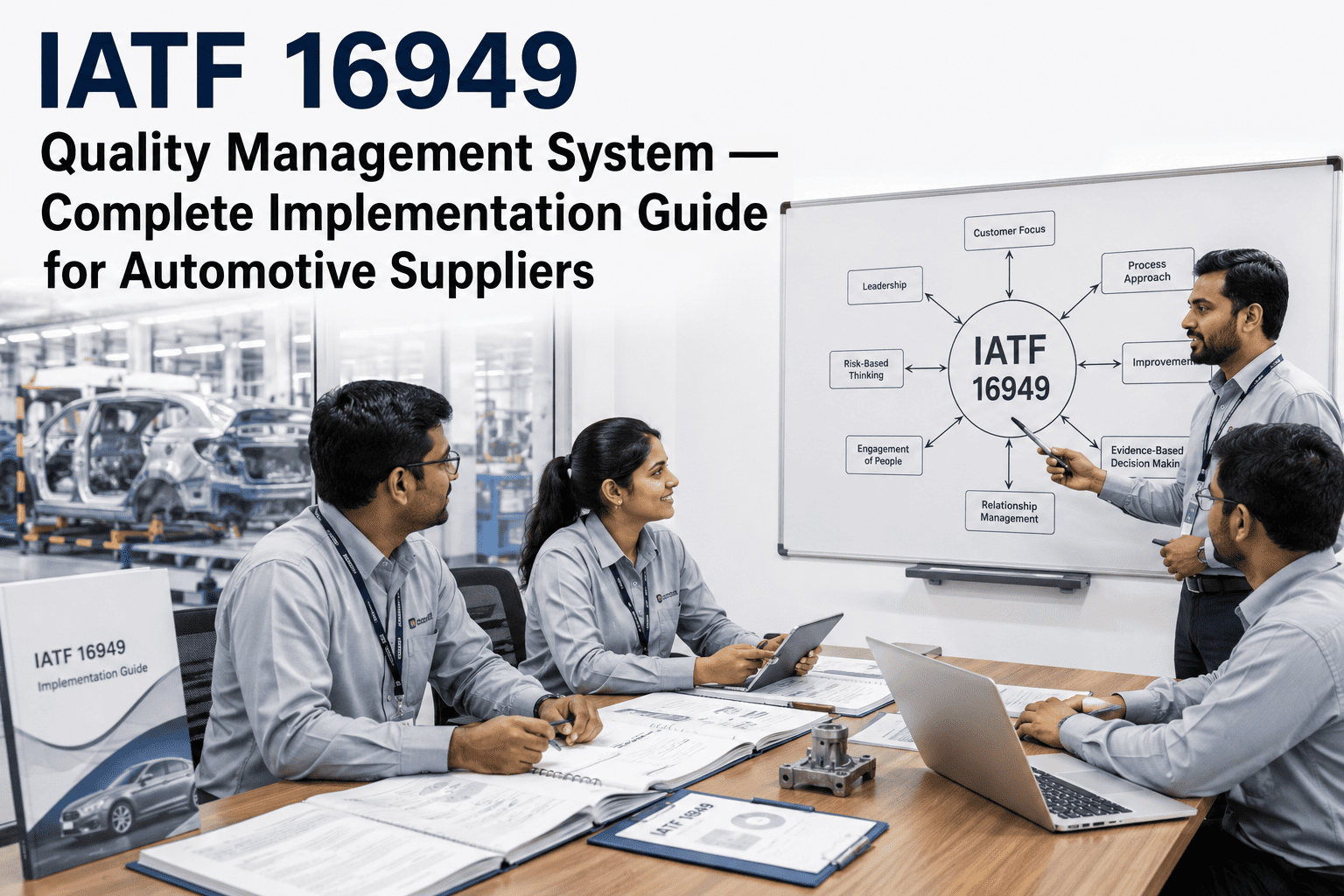
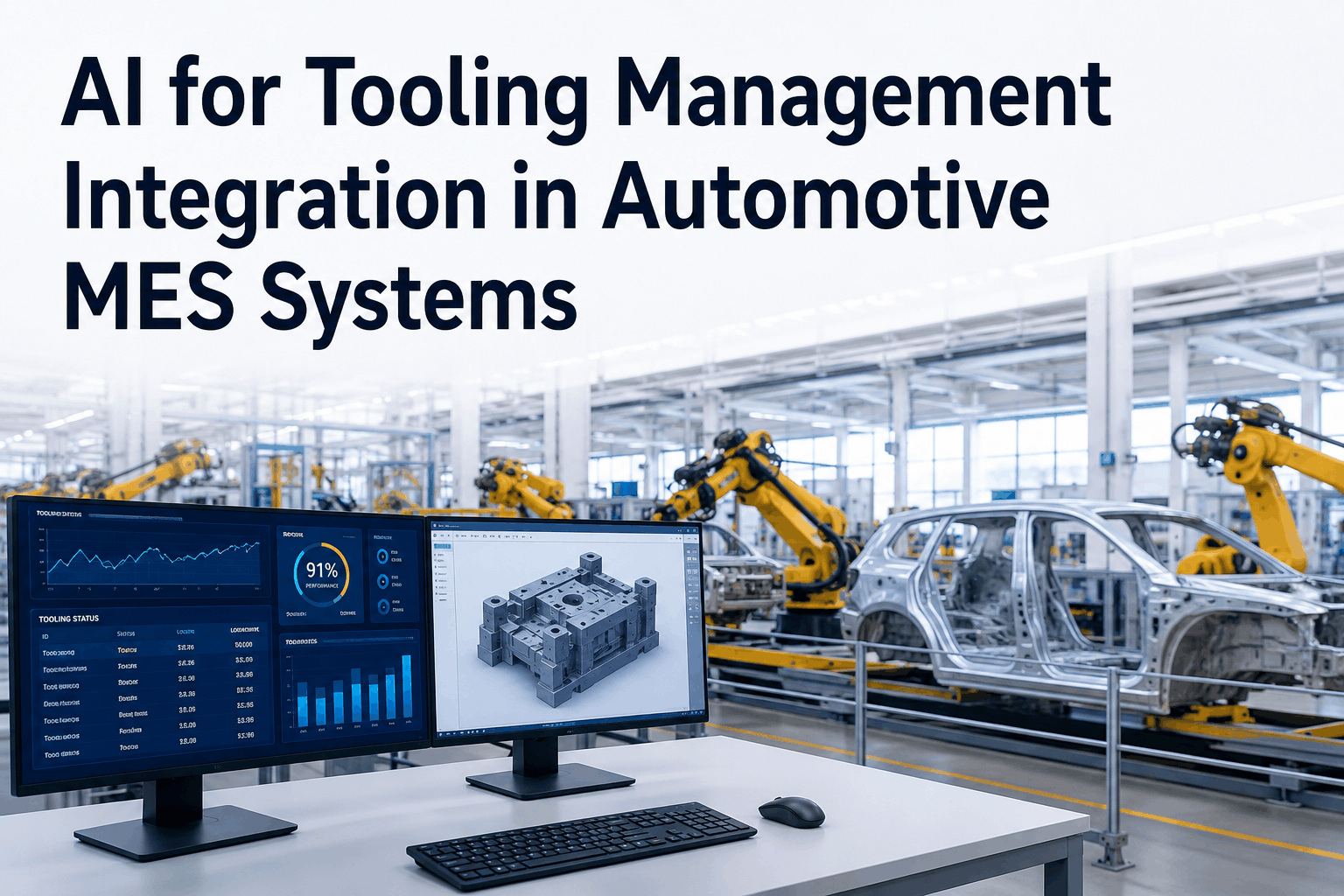
Choosing a manufacturing execution system for an automotive plant is a decision that outlives the process engineer who makes it — a poorly fitted MES gets patched around for a decade because ripping it out and starting over is rarely a decision any single budget cycle wants to own. Process engineers tasked with MES selection are balancing production tracking, quality management, full-part traceability, and IATF 16949 compliance requirements against a shortlist of platforms that all look similar in a sales demo but behave very differently once real production volume and audit scrutiny hit them. Getting the evaluation criteria right before the vendor conversations start matters more than almost any other part of the selection process. Book a demo to see how MES selection criteria apply specifically to your production environment.
AUTOMOTIVE MANUFACTURING · MES SELECTION
Choose an MES That Survives Your Next IATF Audit, Not Just the Demo
iFactory helps automotive manufacturers evaluate and implement MES platforms built for production tracking, quality management, traceability, and IATF 16949 compliance from day one.
Why MES Selection Is Different in Automotive
The Compliance Layer That Generic MES Platforms Often Miss
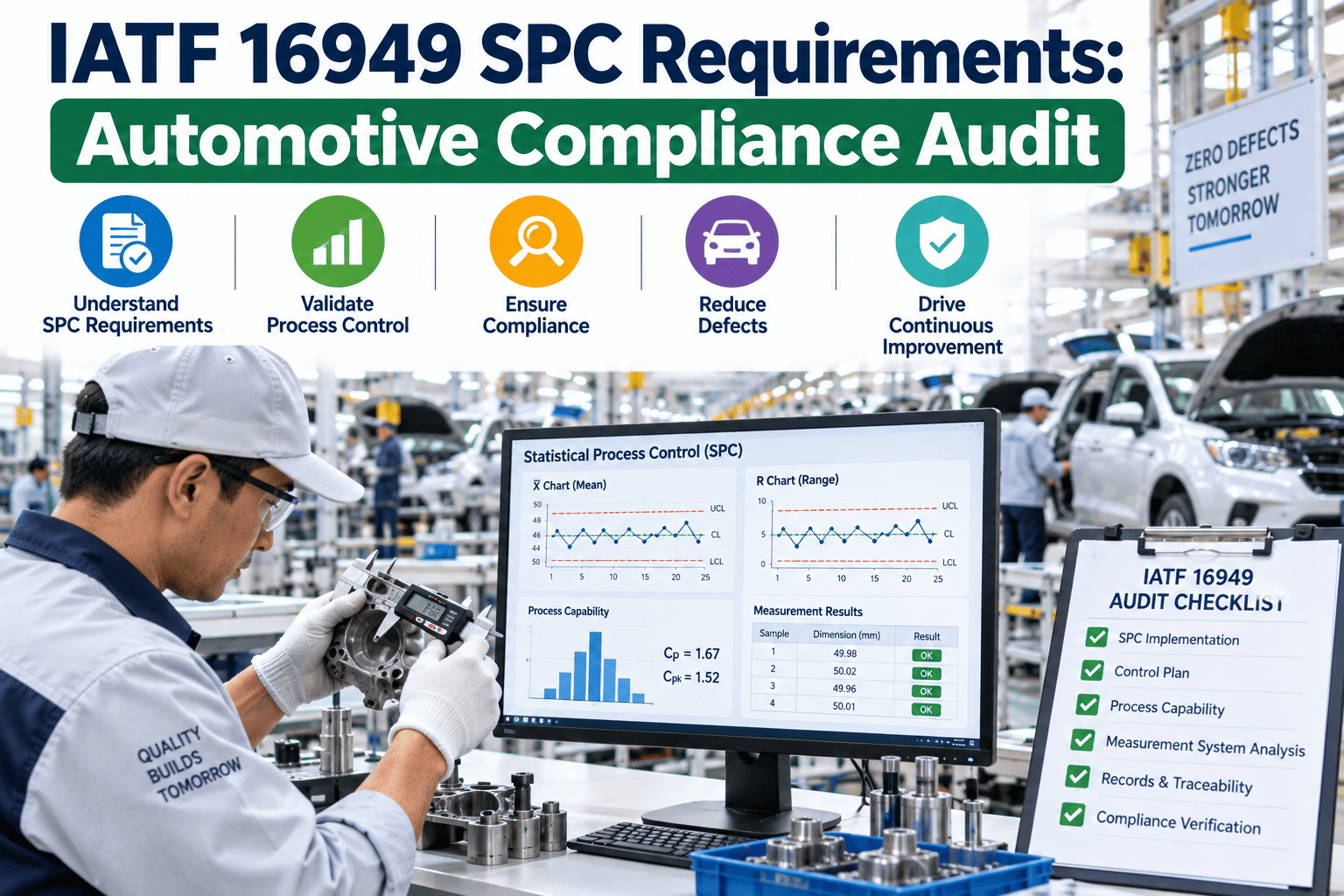
Manufacturing execution systems exist across nearly every industrial sector, and a large share of the platforms on the market are built as generic production tracking tools with quality and compliance features layered on afterward. That approach can work fine in industries with lighter regulatory requirements. It tends to fall short in automotive manufacturing, where IATF 16949 compliance isn't an optional add-on — it's a structural requirement that shapes how traceability, quality documentation, and corrective action processes have to work from the ground up.
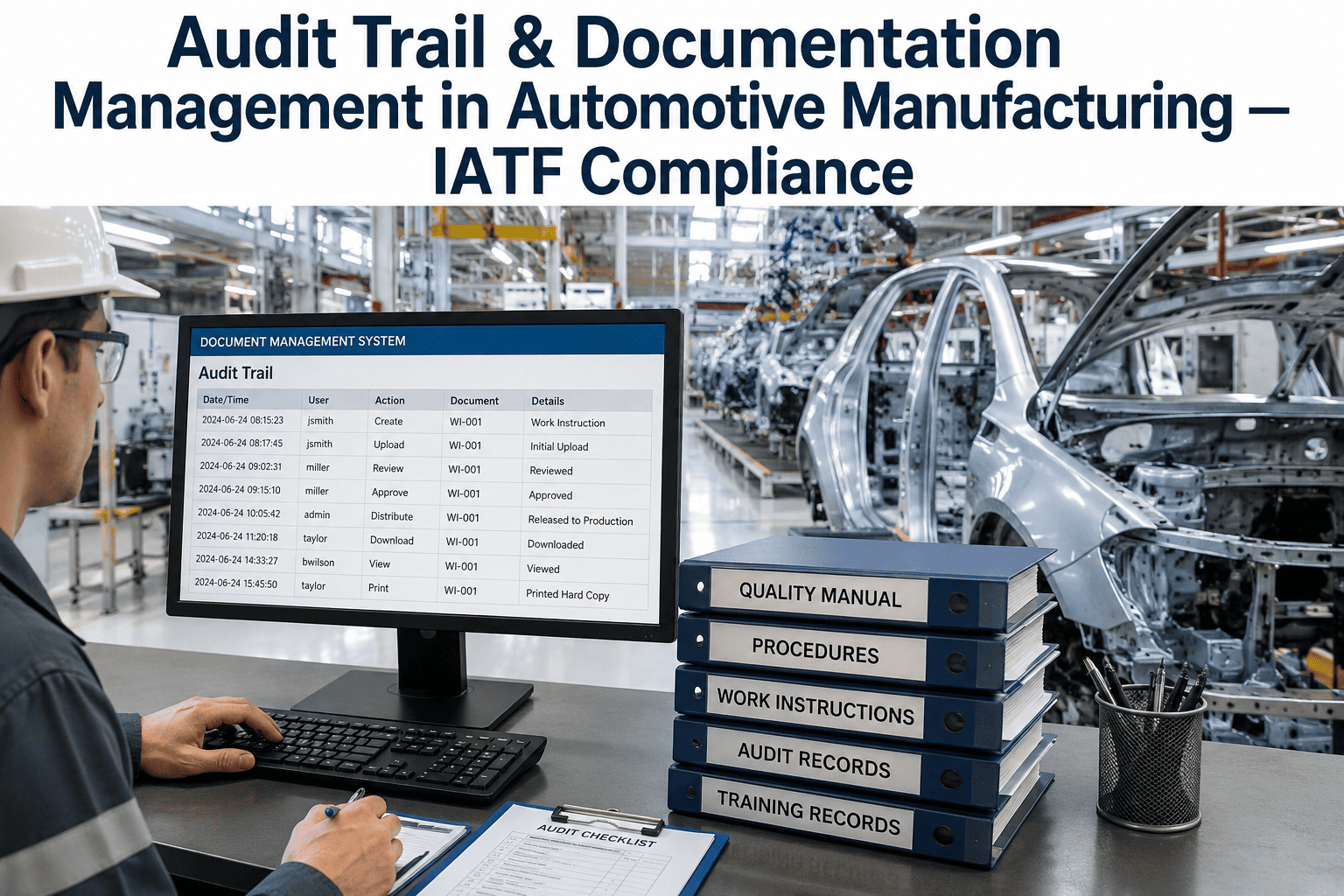
The gap shows up most clearly during an actual audit or a warranty investigation, when an auditor asks for a specific part's complete production and quality history and the answer depends on how deeply traceability was actually built into the MES architecture rather than bolted on as a reporting feature. A platform that tracks production volume well but treats part-level genealogy as an afterthought will struggle to produce that record quickly, which is precisely the moment selection criteria that looked fine in a sales demo start to matter in a very concrete way.
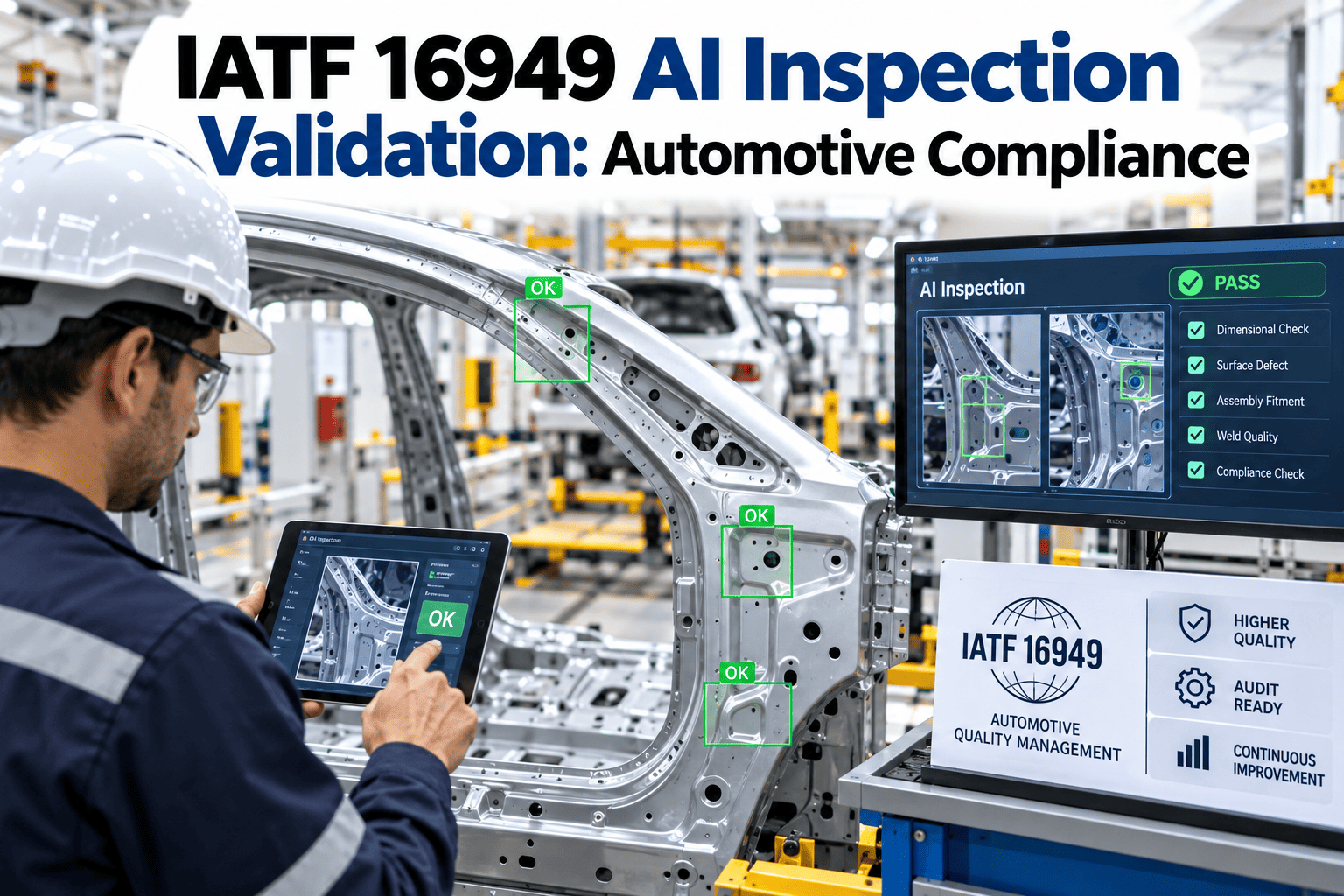
This is why MES selection for an automotive plant needs a different evaluation lens than a generic manufacturing software comparison. Production tracking capability matters, but so does the depth of built-in quality management, the genealogy model underlying traceability, and how naturally the platform maps to IATF 16949's specific documentation and corrective action requirements.
Evaluation Criteria
What to Actually Weigh in an Automotive MES Evaluation
Part-Level Traceability Depth
Whether the system tracks full genealogy — component lots, process parameters, operator, and station history — down to individual serial numbers, or only aggregate batch-level records.
IATF 16949 Documentation Mapping
How directly the platform's built-in reporting maps to IATF 16949's specific quality record and corrective action documentation requirements versus needing custom report building.
Real-Time Production Tracking
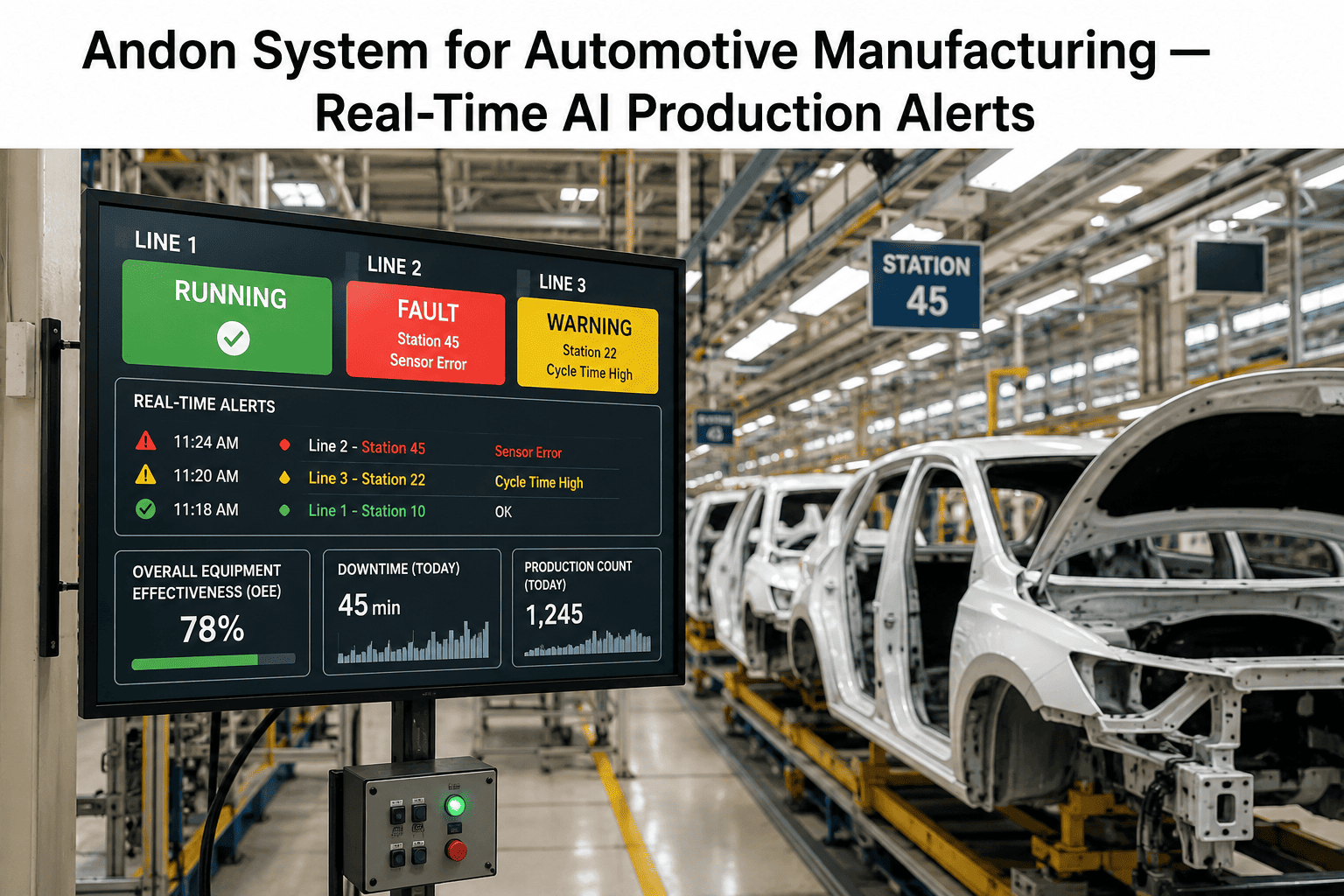
Accuracy and latency of production status, cycle time, and downtime tracking across stations, since delayed or inaccurate data undermines every downstream quality and scheduling decision.
ERP Integration Depth
How cleanly the MES exchanges data with existing ERP systems for scheduling, procurement, and financial reporting, avoiding a disconnected shop-floor data island.
Platform Comparison
How Automotive-Focused MES Platforms Typically Compare
Every plant's specific requirements differ, but a structured comparison across the criteria that matter most for automotive manufacturing helps narrow a broad market into a realistic shortlist. Book a demo to walk through a comparison built around your specific production environment.
MES Evaluation Dimensions for Automotive Manufacturing
Implementation Path
From Selection to a Live, Audit-Ready MES
1
Requirements and Gap Analysis
Document current production tracking, quality, and traceability gaps against IATF 16949 requirements before evaluating specific platforms.
2
Platform Shortlist and Evaluation
Score candidate platforms against the traceability, compliance, and integration criteria specific to automotive manufacturing rather than generic feature comparisons.
3
Pilot Zone Implementation
Deploy the selected MES on a single line or zone first, validating traceability accuracy and quality workflow before a full plant rollout.
4
ERP Integration and Full Rollout
Connect the validated MES to ERP systems and extend deployment plant-wide, carrying lessons from the pilot zone into each subsequent phase.
Common Selection Mistakes
Where MES Selection Decisions Go Wrong
Most regrettable MES decisions trace back to a small number of recurring evaluation mistakes rather than genuinely difficult tradeoffs, and they're worth naming explicitly before a shortlist gets finalized.
Evaluating on Feature Checklist Alone
A platform can check every feature box in a sales demo while still handling traceability and compliance reporting in a way that becomes painful at real production volume and audit scrutiny.
Underweighting Implementation Complexity
A platform's raw capability matters less than how much custom configuration is needed to reach that capability, since implementation complexity directly drives both cost and timeline.
Treating ERP Integration as an Afterthought
Selecting an MES without confirming clean ERP integration upfront often leads to a disconnected data island that undermines the broader value of the investment.
Skipping a Pilot Zone Validation
Committing to plant-wide rollout before validating traceability accuracy and quality workflow on a single zone raises the cost of any configuration mistakes discovered later.
EVALUATE WITH THE RIGHT CRITERIA
Get an MES Evaluation Framework Built for Automotive Compliance
Our team will walk through evaluation criteria and platform fit specific to your traceability and IATF 16949 requirements.
Frequently Asked Questions
MES Selection and Implementation — FAQs
What's the biggest difference between a generic MES and one built for automotive manufacturing?
The clearest difference shows up in traceability depth and IATF 16949 alignment. A generic MES often tracks production at a batch level with serial traceability added as a retrofit, while an automotive-focused platform builds part-level genealogy and compliance documentation into its core architecture from the start.
How long does a typical MES implementation take from selection to go-live?
Pilot zone implementations often reach go-live within twelve to sixteen weeks, with full plant-wide rollout extending several months beyond that depending on plant size and how many zones need to be integrated.
Book a demo to discuss a realistic timeline for your specific plant.
Can our existing ERP system stay in place after MES implementation?
Yes, MES implementation is designed to integrate with your existing ERP system rather than replace it, exchanging production, quality, and scheduling data between the two systems so plant-floor activity properly informs business-level planning and reporting.
How does MES traceability actually support an IATF 16949 audit?
During an audit, being able to retrieve a specific part's complete production, quality, and corrective action history quickly and completely is often the deciding factor in how smoothly the audit proceeds. A well-architected MES makes that retrieval a standard query rather than a manual reconstruction effort.
Should we pilot the MES on one line before committing to a full plant rollout?
Yes, this is strongly recommended. A pilot zone lets you validate traceability accuracy, quality workflow fit, and integration behavior at a manageable scale, surfacing configuration issues while they're still inexpensive to correct rather than after a full plant-wide commitment.
AUTOMOTIVE MANUFACTURING · MES SELECTION
Select an MES Built for Traceability and Compliance From the Start
iFactory helps automotive manufacturers evaluate, implement, and integrate MES platforms designed for real production tracking and IATF 16949 requirements.