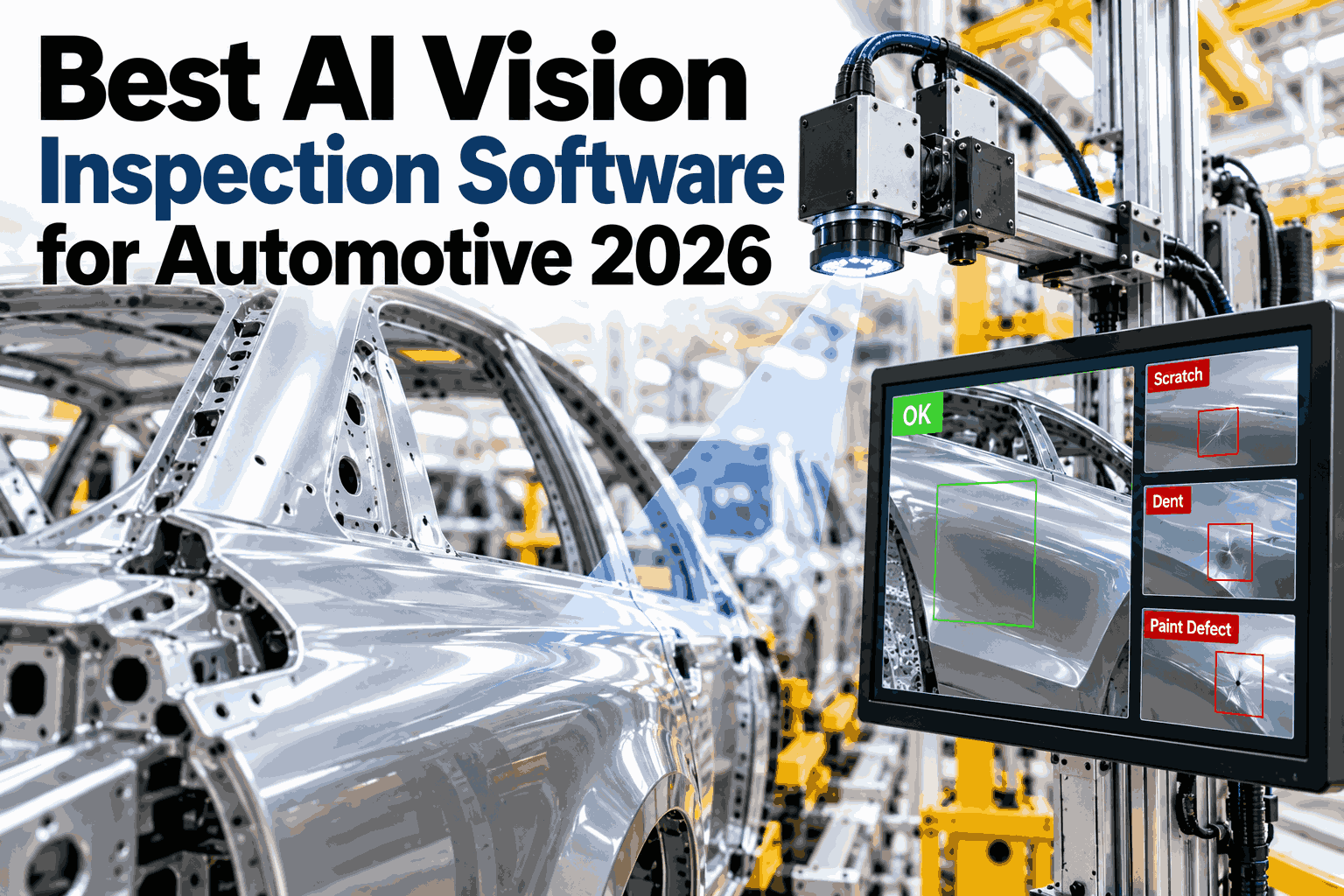
Most automotive plants did not choose one vision inspection system on purpose — they inherited three or four, one per line, bought at different times for different problems. A camera rig on the stamping line catches surface tears, a separate rule-based checker watches weld spatter, and paint defects still get a human eye under a booth light. None of these tools share a model, a calibration method, or a report, so quality data never adds up to one plant-wide picture. Before comparing vendors line by line, it helps to see how other automotive teams are scoring their 2026 shortlist against a single, repeatable framework.
What Actually Makes Vision Inspection Software "Best" for an Automotive Line
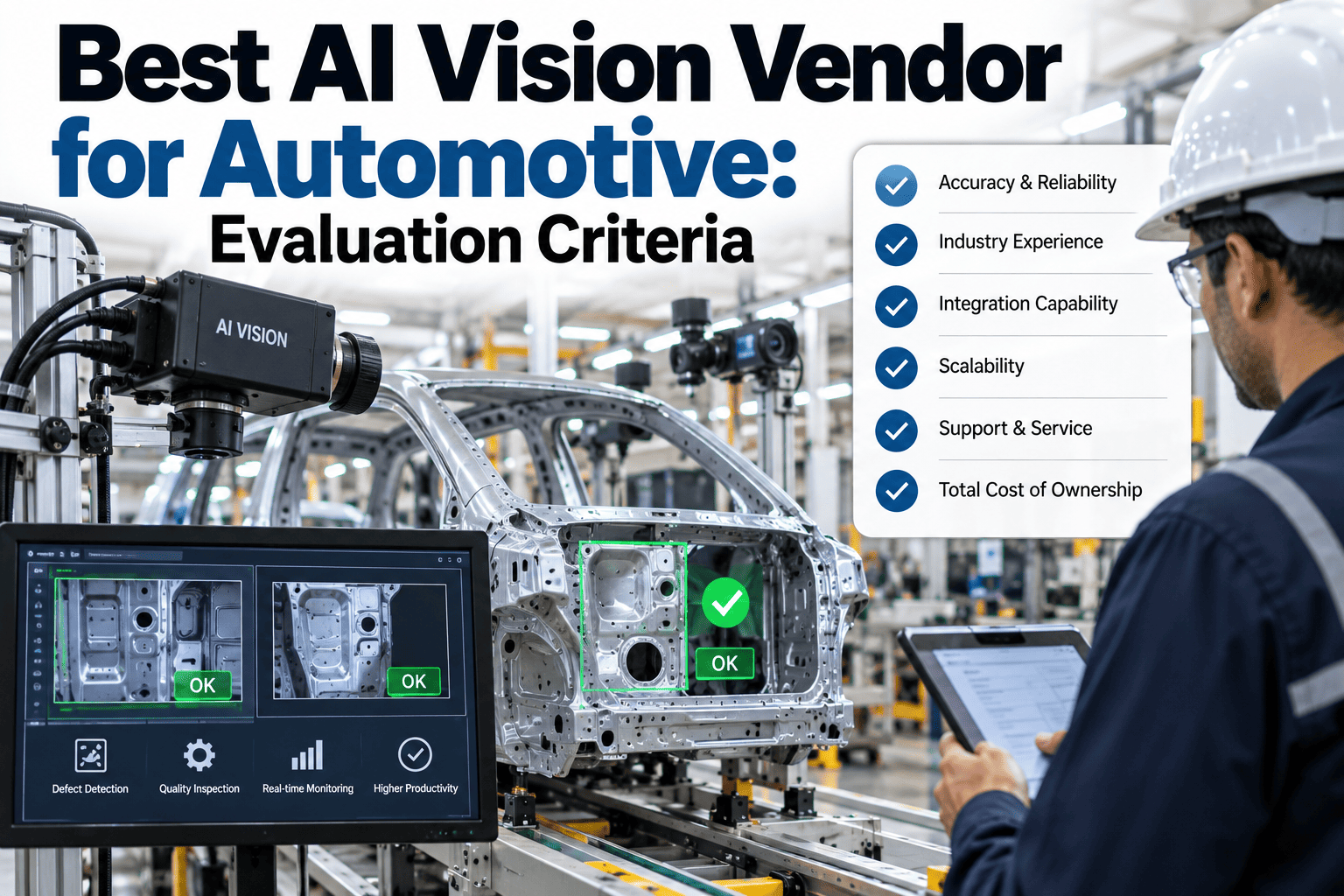
iFactory AI evaluates automotive vision platforms the way a plant manager would: by how well one model holds up across stamping, welding, paint and final assembly without a rebuild at every station. The scorecard below reflects the weighting used throughout this guide, built from conversations with quality teams who have already run a pilot.
Why Generic Machine Vision Breaks Down Across an Automotive Plant
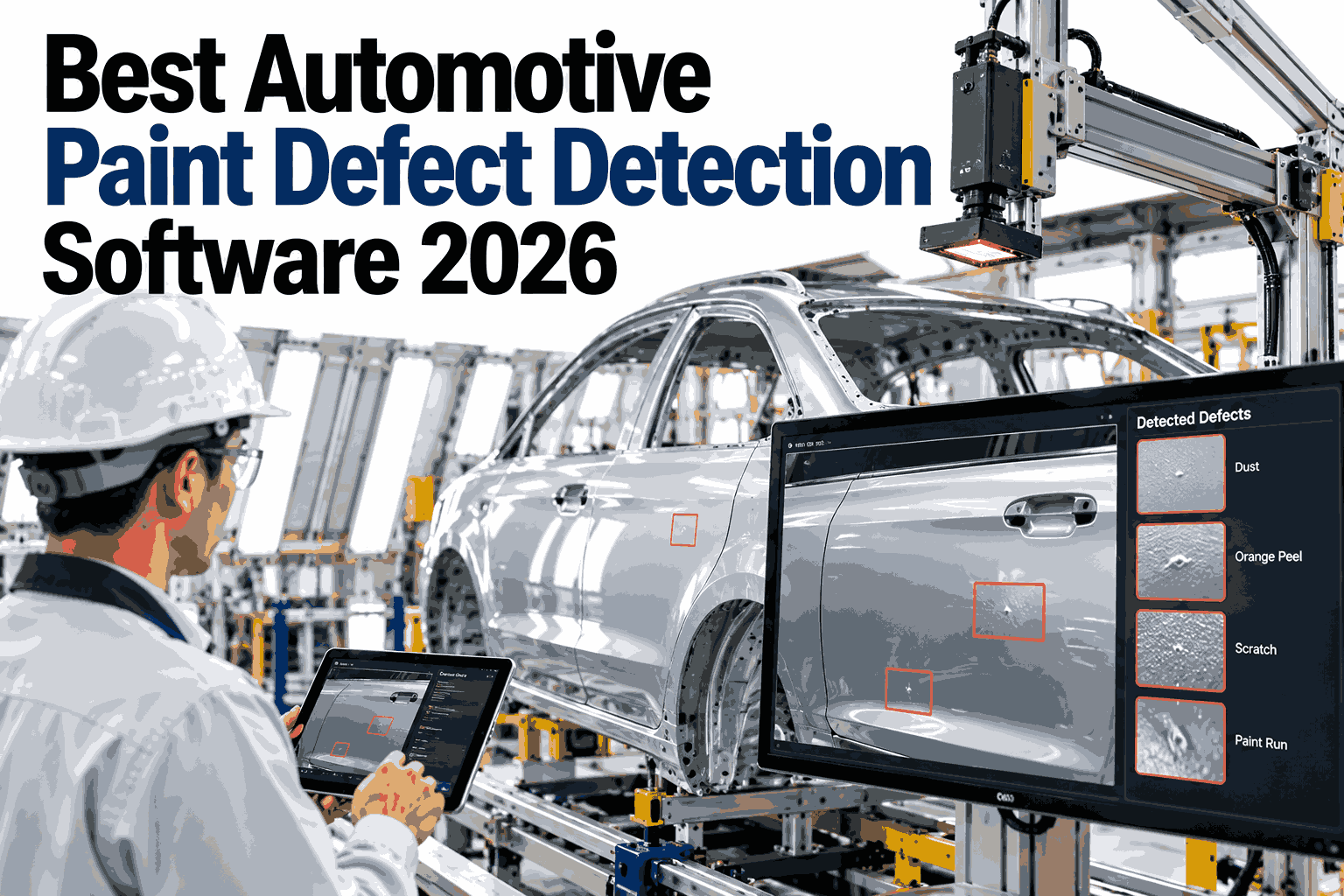
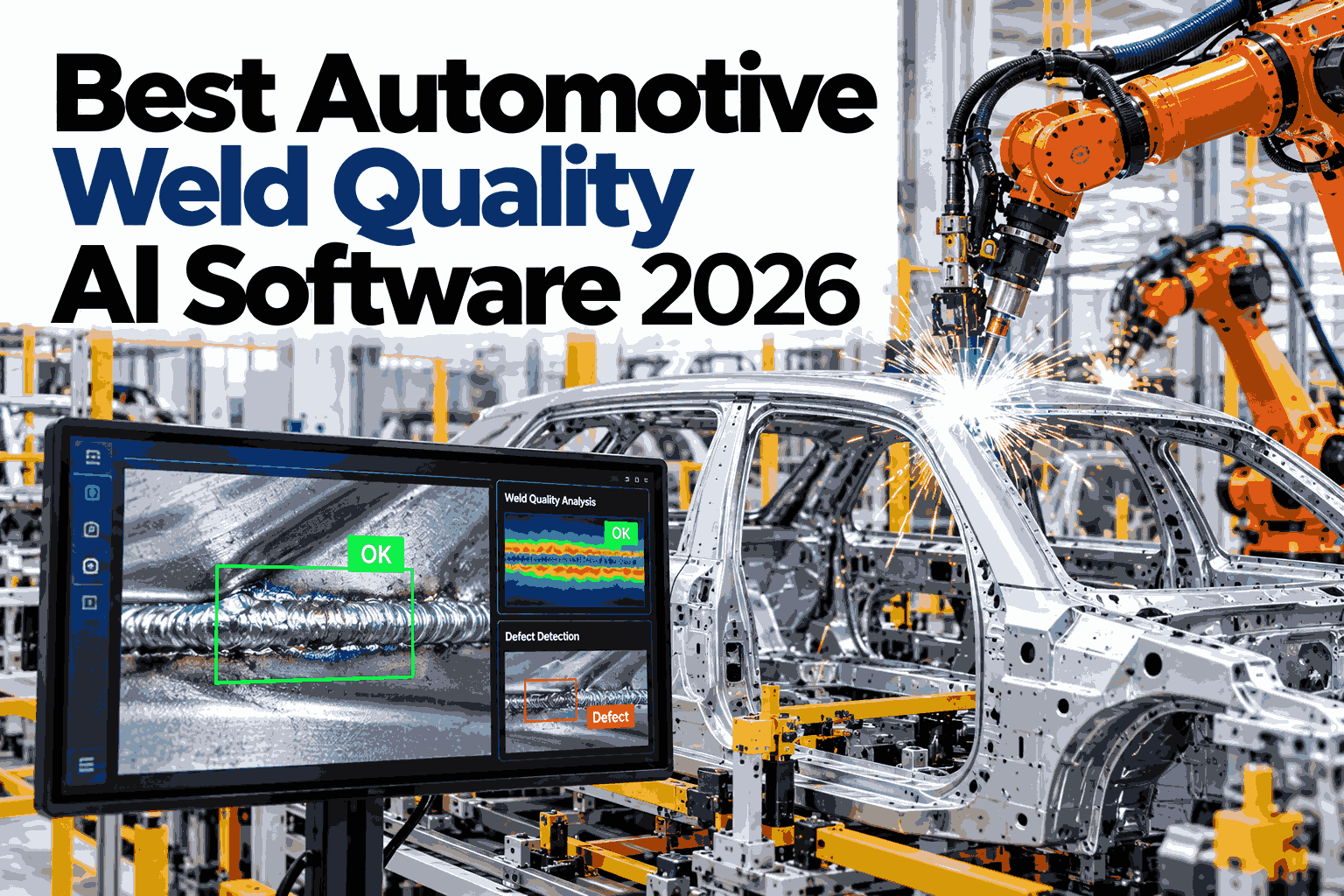
A single body-in-white moves through metal forming, robotic welding, e-coat, paint and trim before it is a finished vehicle. Each stage has its own surface, its own lighting and its own failure modes.
The result is usually a patchwork: one vendor's rig at the press, a different tool at weld, and a camera that was never fully trusted at paint. None of it talks to the others.
The cost rarely shows up as a single line item. It shows up as rework hours spent re-checking parts that already passed one station, as audit prep that takes days because reports live in four formats, and as new hires who have to learn four different interfaces before they can inspect anything confidently.
Five Capabilities That Separate Leading Platforms From Basic Cameras
These are the capabilities worth testing before a contract gets signed, ranked by how often they decide whether a pilot actually scales.
Notice that raw detection accuracy is not first on this list. A model that scores well in a lab but cannot survive a shift change or a new light fixture never earns its keep on the floor, and most of the vendor demos that impress in a conference room quietly skip this part of the conversation.
Basic Cameras vs. Rule-Based Systems vs. AI Vision Platforms
Most shortlists end up comparing three categories of tooling rather than individual brands. Here is how they typically compare on the features that matter for automotive lines.
| Capability | Basic camera checks | Rule-based legacy systems | AI vision platforms |
|---|---|---|---|
| Handles new defect types | No, fixed thresholds only | Only after manual rule rewrite | Learns from new flagged images |
| Works across multiple lines | One line per install | Limited, heavy reconfiguration | One model, many stations |
| Tolerant of lighting change | Poor, needs fixed booths | Moderate, with recalibration | Trained across conditions |
| Sends data to MES or SCADA | Rarely built in | Custom integration needed | Native reporting pipeline |
| Typical time to new line | Weeks per install | Days to weeks per rule set | Hours with existing model |
None of these categories is wrong for every plant. A single, stable, high-volume stamping line can run well on a basic camera check. The gap shows up the moment a plant tries to standardize across more than one process, which is exactly when most automotive quality teams start shopping for a platform rather than another point tool.
Score Your Own Shortlist Against This Framework
Bring your current vendor list and we will walk through each capability against your actual lines, not a generic demo.
Lighting-Invariant Detection: The Feature That Quietly Decides Everything
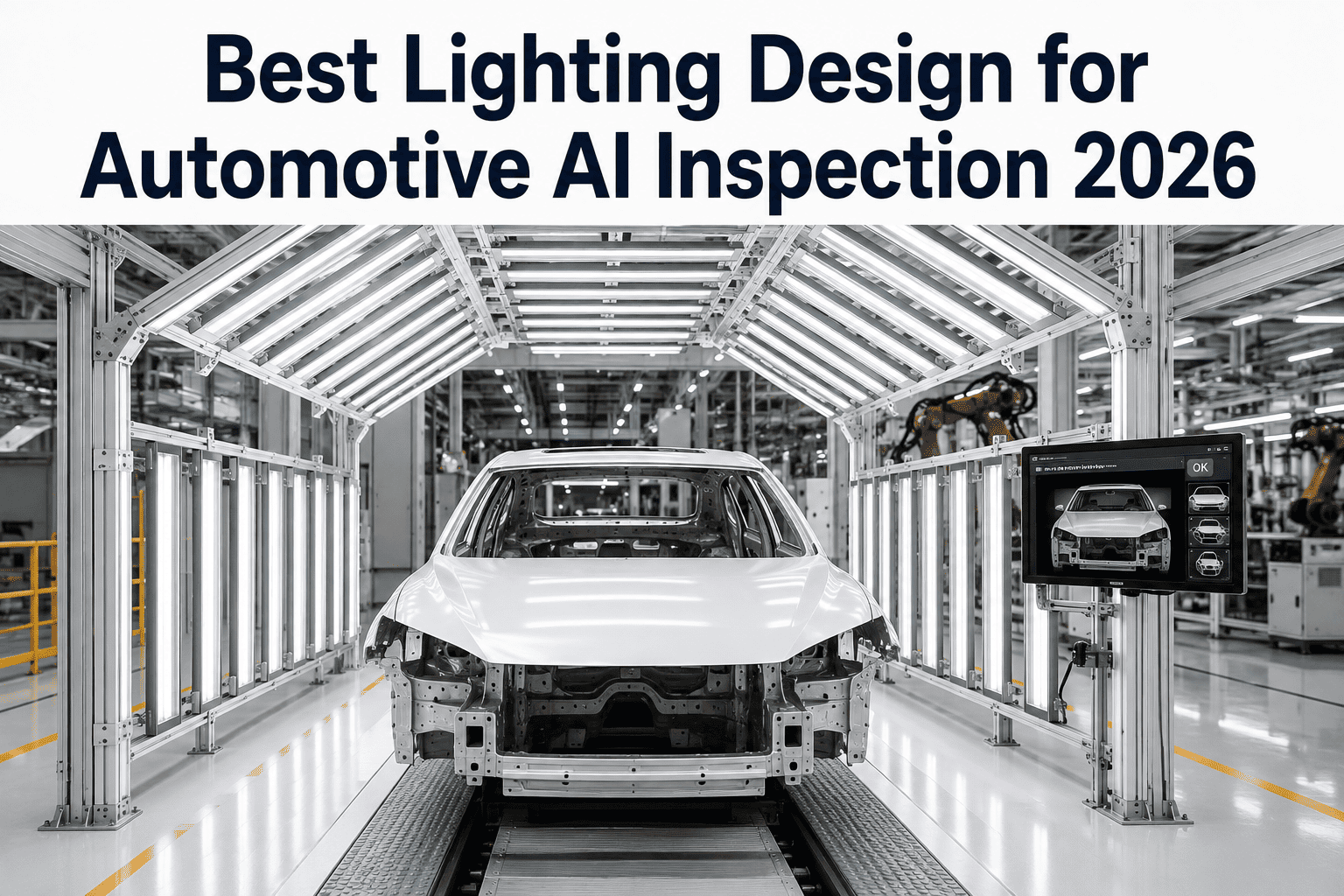
Ask any plant that piloted a vision system and abandoned it, and lighting is usually near the top of the reason list. A model trained under one fixture often fails under another.
These figures are illustrative targets rather than a guarantee for any single install, but they show the right question to ask a vendor: not "does it work," but "how does accuracy change across the lighting you actually have."
It is worth asking, too, how a vendor handles seasonal light changes near windows and dock doors, since a model validated in winter can behave differently once summer sun angles shift across the same station.
Cross-Line Calibration: Moving One Model Through Five Stations
Cross-line calibration is what separates a pilot that stays a pilot from a platform that actually rolls out. The workflow below is the typical path from a single proven station to plant-wide coverage.
Plants that skip calibration planning tend to treat every new line as a fresh project, which is exactly the cost a shared model was supposed to remove. A documented calibration routine also makes it far easier to hand the rollout to a second team or a second shift without losing consistency.
Scoring a Sample Shortlist: What the Numbers Actually Mean
A simplified example makes the scorecard easier to use. Imagine three platforms rated out of 25 points across the four weighted categories from the hero scorecard above.
Platform A scores well on paper because it is accurate at the one station it was built for, but it loses points fast once multi-line deployment and MES integration are weighted in. Platform C's advantage comes from consistency, not from any single number being dramatically higher, which is exactly the kind of difference that is easy to miss in a single demo but obvious after a month on the floor.
None of these questions require a vendor's full technical documentation to answer well. A platform that is confident in its own performance should be able to answer each one in a single working session.
Run This Scorecard Against Your Shortlist
We will walk your team through a live scoring session using your own stations, lighting conditions and MES requirements.
Four Mistakes That Stall an Automotive Vision AI Rollout
Most failed pilots do not fail because the model was inaccurate. They fail for reasons that have nothing to do with detection quality, and that show up only after the contract is signed.
Each of these is avoidable with planning rather than better software, which is why the rollout path below puts ownership and baselines ahead of the technical steps.
A 90-Day Rollout Path for an Automotive Plant
Teams that succeed with vision AI rarely try to cover the whole plant at once. A staged path keeps risk low and makes the case for expansion with real numbers.
This pacing also gives operators time to trust the system's calls before it becomes the primary check rather than a second opinion.
What Automotive Teams Ask Before Choosing a Vision Platform
Find Out Where Your Shortlist Really Stands
Book a session with iFactory AI and score your current vendors against the same framework used throughout this guide, on your own lines.