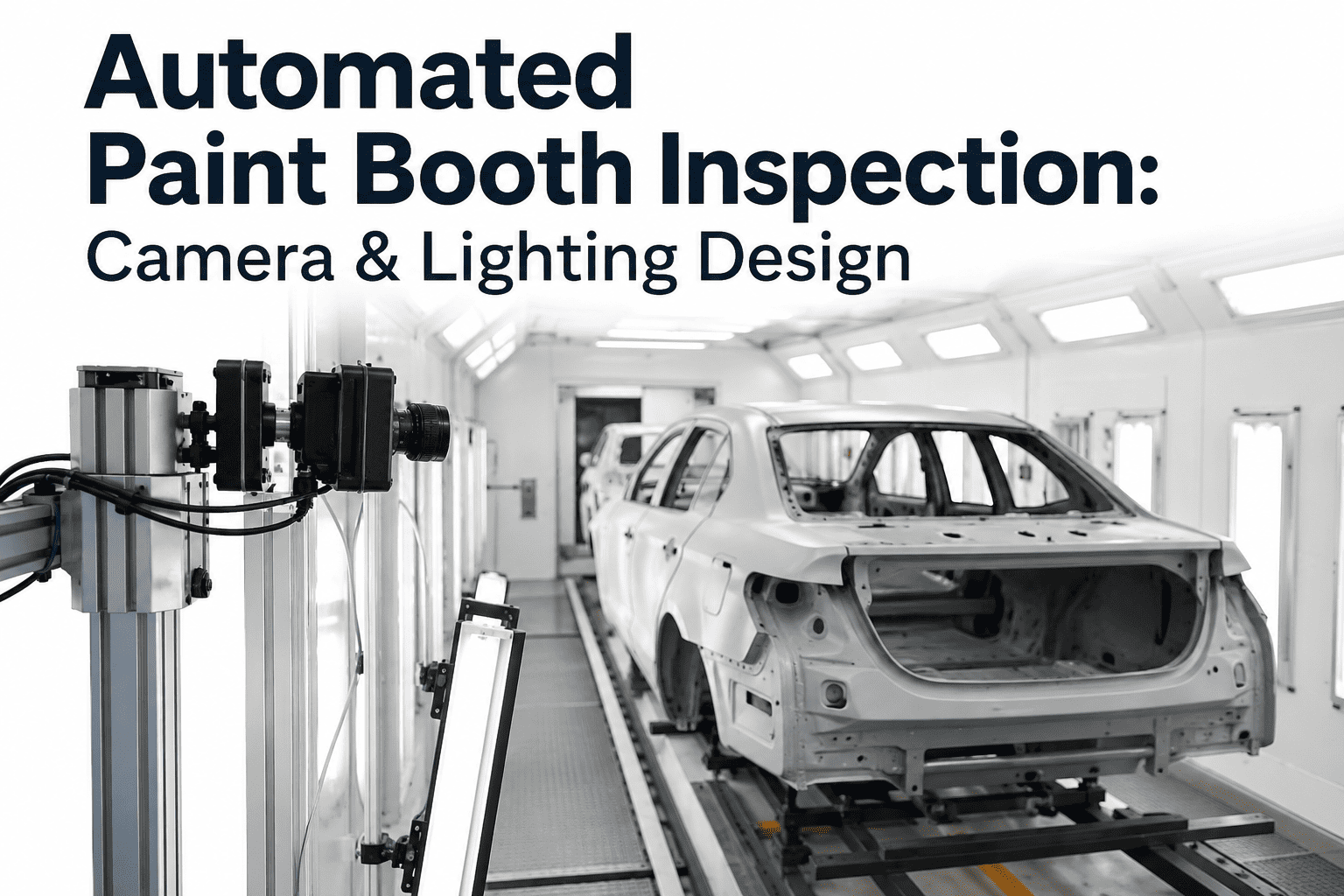
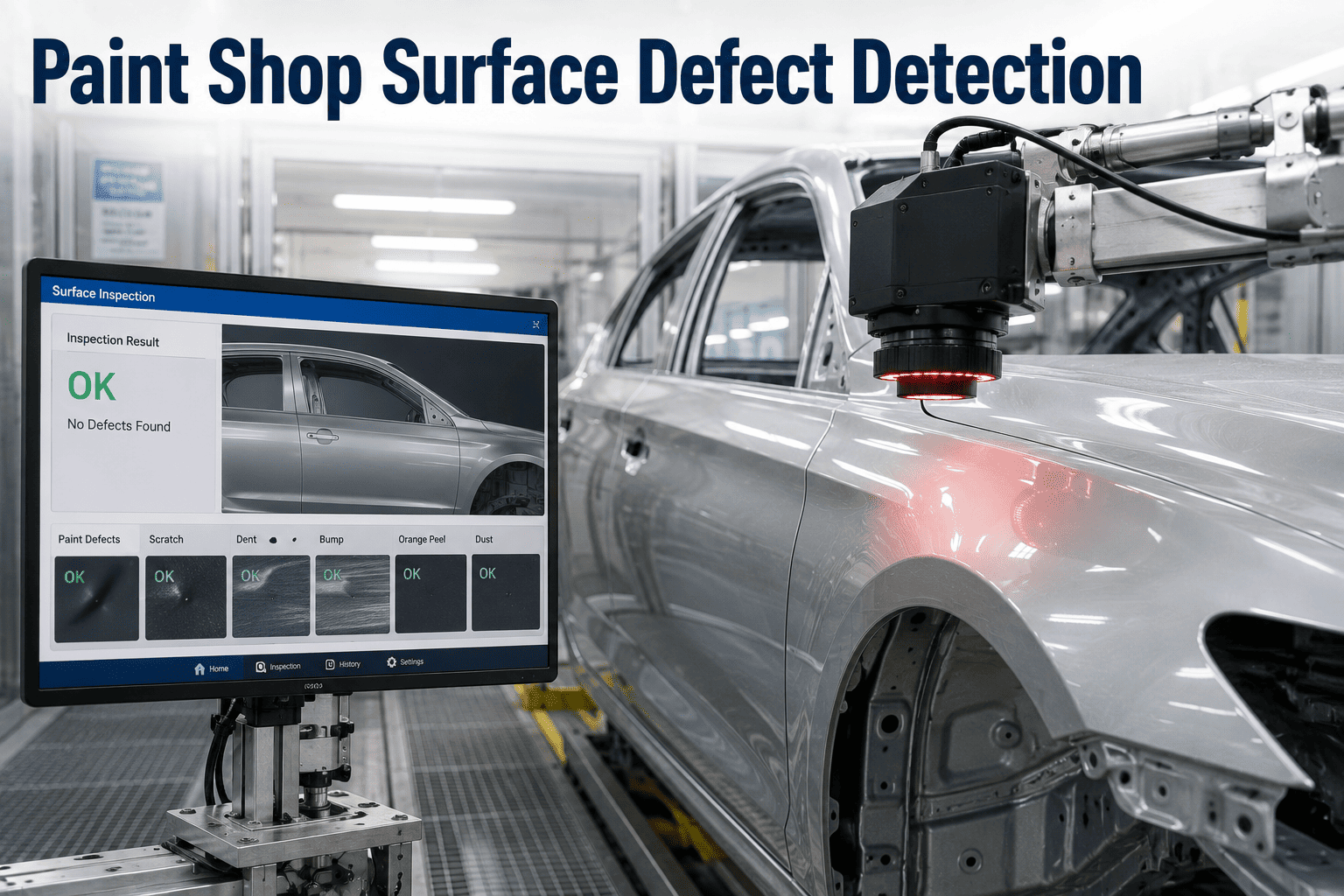
An AI inspection model can only be as good as the image it is given, and more inspection projects fail on lighting than on the model itself, because a defect that is perfectly visible under one light angle disappears entirely under another. Painted panels need a different approach than bare metal, which needs a different approach again than textured plastic or matte rubber trim, and a single generic light setup applied across all three will always compromise at least one of them. iFactory's deployment process treats lighting as its own design step, matched surface by surface, before a single frame is used for model training, and you can book a demo to review a lighting plan for your own inspection points.
LIGHTING DESIGN · AUTOMOTIVE AI INSPECTION
The Right Light Finds Defects the Wrong Light Hides
iFactory designs illumination surface by surface, matching structured, diffuse, or dark-field lighting to paint, metal, plastic, and rubber so the inspection model sees the defect clearly and consistently, every time.
Paint
Bare Metal
Textured Plastic
Rubber Trim
WHY LIGHTING GETS TREATED AS AN AFTERTHOUGHT
Most Vision Projects Underspend on Light and Overspend on Model Tuning
It is common practice to install a generic ring light or panel light across an entire station and expect the model to compensate for whatever inconsistency results, but a model cannot learn a defect signature that is not reliably present in the image to begin with. Teams then spend weeks retraining a model to fix what was actually a lighting problem, when a half day of illumination testing at the start would have avoided the entire detour.
Structured Light
Projects a known pattern onto the surface to reveal dents, warping, and dimensional deviation through pattern distortion.
Best for: metal panels, dimensional checks
Diffuse Light
Spreads light evenly from multiple angles to minimize harsh shadows and specular hotspots on reflective or glossy surfaces.
Best for: painted panels, glossy plastic
Dark-Field Light
Illuminates from a low, near-grazing angle so surface scratches and texture defects scatter light while flat areas stay dark.
Best for: scratches, fine surface texture
Get a Lighting Plan Before You Build the Model
iFactory reviews your specific surfaces and defect types and proposes an illumination setup before any training data is captured.
MATCHING LIGHT TO SURFACE
A Decision Matrix for Common Automotive Surfaces
The right lighting choice depends on both the surface material and the specific defect type being targeted, since a single surface can require different lighting for different defects.
| Surface |
Common Defect Target |
Recommended Lighting |
| Painted body panel |
Orange peel, runs, contamination |
Diffuse dome or coaxial light |
| Bare or stamped metal |
Dents, warping, dimensional deviation |
Structured pattern projection |
| Textured plastic trim |
Sink marks, flow lines, scuffs |
Diffuse with directional fill |
| Rubber seals and gaskets |
Surface tears, incomplete seating |
Dark-field at low grazing angle |
| Glossy metal trim |
Scratches, polishing marks |
Dark-field combined with polarization |
HOW A LIGHTING PLAN IS BUILT
Testing Before Committing to a Fixed Setup
1
Catalog the target defects for each station, since lighting choice follows from what specifically needs to be seen, not the surface alone.
2
Test two to three lighting configurations against real sample parts, including known-defective samples, before selecting a final setup.
3
Check consistency across the part's full surface, not just a single test point, since curvature and edges often need supplementary fill light.
4
Validate against ambient light changes at the actual station, including sunlight through bay doors or shift-to-shift lighting differences.
5
Lock the configuration and document it so future maintenance replaces lights with the exact same specification rather than a close approximation.
WHAT HAPPENS WHEN LIGHTING IS WRONG
The Downstream Cost of Skipping This Step
False Rejects Rise
Shadows or hotspots get misread as defects, increasing scrap review workload for parts that were actually fine.
Real Defects Go Uncaught
A defect present in the physical part simply does not register in the image under the wrong lighting angle.
Shift-to-Shift Drift
Ambient light changes across the day cause inconsistent results that look like model instability but are actually a lighting gap.
Endless Retraining Cycles
Teams retrain the model repeatedly to compensate for image inconsistency that a lighting fix would have resolved directly.
FREQUENTLY ASKED QUESTIONS
What Inspection Teams Ask Before a Lighting Redesign
Can one lighting setup work for multiple surface types at the same station?
Sometimes, if the surfaces are similar enough in reflectivity and the target defects overlap, but it is safer to test rather than assume, since a setup tuned for painted panels will often underperform on an adjacent textured plastic component at the same station. A combined setup with zone-specific supplementary lighting is common where multiple materials meet.
Book a demo to review your specific station layout.
How much does ambient factory lighting interfere with a designed inspection setup?
Ambient light can significantly affect results if the station is near windows, bay doors, or overhead fixtures that change intensity through the day, which is why enclosure or shrouding is often recommended around the inspection zone to keep the designed lighting the dominant light source regardless of time of day or season.
Contact our support team to assess ambient light exposure at your station.
Do we need to redesign lighting every time a new part variant is introduced?
Only if the new variant has meaningfully different surface finish, color, or geometry than what the current lighting was designed for, since a color change alone on the same material and finish often works within the existing setup while a finish change, such as gloss to matte, typically requires re-testing.
Book a demo to check whether your upcoming variant needs a lighting update.
Is dark-field lighting always better for catching scratches than diffuse lighting?
Dark-field is generally stronger for fine surface scratches because the grazing angle makes the scratch scatter light against an otherwise dark background, but it can also make normal surface texture look defective on certain textured plastics, so the choice depends on distinguishing genuine defects from expected surface texture.
Contact our support team to test both approaches against your parts.
How long does a lighting design phase typically take before model training can start?
A focused lighting design phase for a single station with a defined surface and defect list typically takes a short testing window against real sample parts, considerably less time than the retraining cycles it prevents later, and can often run in parallel with other setup work rather than delaying the project.
Book a demo to scope a lighting timeline for your station.
Get Your Lighting Right Before You Train a Single Model
iFactory designs surface-matched illumination first, so the inspection model sees a consistent, defect-revealing image every time.