Somewhere on most automotive plant floors, a controller older than half the operators running it is still quietly holding a line together — an Allen-Bradley SLC 500, a Siemens S5, a Modicon 984 that the manufacturer stopped supporting years ago. It still runs. That's the problem. Because it still works, replacing it keeps losing the budget argument to whatever's on fire this quarter, right up until a card fails, the grey-market replacement doesn't exist, and a line sits down for days while someone tries to source a part that hasn't been manufactured since before the plant's current operators director started the job. Modernization doesn't have to mean ripping out every controller at once. Gateway-based integration can connect legacy PLCs into modern SCADA and data platforms in weeks, buying time for a phased hardware migration while eliminating the total blackout risk today. Talk through your specific controller inventory with a Book a Demo.
Legacy SCADA and PLC Systems Don't Fail Gracefully. They Fail on a Tuesday, With No Warning.
Connect discontinued Allen-Bradley, Siemens, and Mitsubishi controllers into a unified monitoring platform through protocol gateways — without ripping out working hardware or waiting for a capital-intensive rip-and-replace project to clear budget.
Three Reasons the "It Still Works" Argument Runs Out of Road
Legacy controllers don't announce their obsolescence — they keep running until a specific, unpredictable failure exposes exactly how exposed the operation has become. The risk isn't hypothetical; it's a matter of when, not if, and the cost of waiting compounds every year the decision gets deferred.
Parts Scarcity
Discontinued platforms mean sourcing replacement I/O modules from grey markets at ten to twenty times list price — when they exist at all. A single failed card can halt a line for days while a part is located.
Zero Security Patches
Legacy controllers predate modern industrial cybersecurity standards and can't receive patches for vulnerabilities discovered years after the platform's last software release.
Institutional Knowledge Walking Out
When the technician who understands your legacy ladder logic retires, that knowledge often leaves with no documentation trail — and no one left who can safely troubleshoot the system.
Connect Your Legacy Fleet Without Waiting for Capital Approval
Gateway integration typically connects Allen-Bradley, Siemens, and Mitsubishi controllers in 2 to 4 weeks — no hardware replacement required to start seeing unified plant floor data.
Speaking Every Legacy Controller's Language at Once
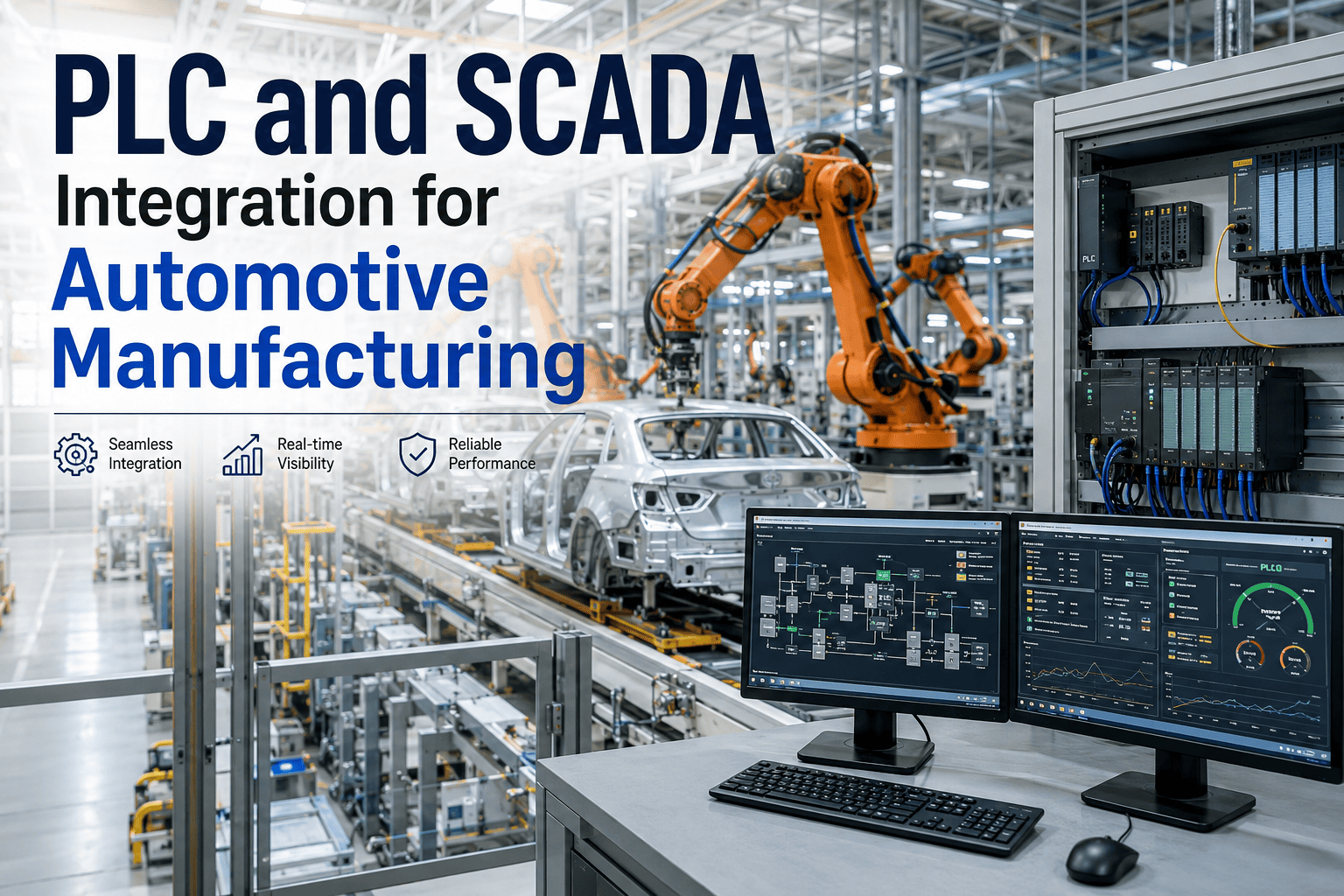
Legacy PLCs communicate through proprietary serial protocols and closed vendor networks that modern SCADA and MES platforms don't natively understand, which is exactly the gap a protocol gateway layer is built to bridge without requiring changes to the controller itself.
Rip-and-Replace vs Gateway-First Modernization
Full controller replacement is sometimes the right answer, particularly for platforms with no remaining parts supply chain at all. But for most fleets, a gateway-first approach de-risks the transition by delivering unified visibility and modern data access immediately, while hardware replacement proceeds on a phased schedule aligned to actual failure risk and budget cycles rather than a single disruptive cutover.
| Consideration | Rip-and-Replace | Gateway-First |
|---|---|---|
| Time to unified data visibility | Months to years, per line | 2 to 4 weeks per controller family |
| Production disruption | Line down during cutover | Minimal — no wiring changes to control logic |
| Capital outlay timing | Large upfront investment | Phased, aligned to failure risk |
| Institutional knowledge risk | Ladder logic often rewritten from scratch | Existing logic preserved during transition |
| Cybersecurity posture | Fully modern once complete | Improved immediately at the gateway layer |
A Modernization Path That Doesn't Require a Single Big-Bang Cutover
Manufacturers that have run legacy platforms for fifteen to thirty years rarely have the appetite — or the production calendar room — for replacing everything simultaneously. A phased approach prioritizes the controllers carrying the highest failure risk first, while establishing the data infrastructure that makes every subsequent phase faster.
Connect highest-risk legacy controllers through protocol gateways for immediate visibility and alerting, with zero changes to existing ladder logic.
Establish unified SCADA and historian layer across both legacy and modern controllers, standardizing operator views across the plant.
Replace controllers on a schedule driven by parts scarcity risk and end-of-life timelines, not a fixed capital calendar.
Retire the gateway layer for fully modernized lines while retaining it for controllers still mid-migration.
We had SLC 500s from the early nineties running three lines and a director who kept getting told "next year's budget" for six straight years. What actually moved the needle was showing what a single failed card would cost in downtime versus what a gateway integration cost to deploy in a month. Once the visibility was there, the replacement budget got approved within the same quarter.
Frequently Asked Questions
Q: Do we need to physically rewire our legacy PLCs to connect them through a gateway?
No — the gateway layer connects to the existing communication port on the controller using its native protocol, whether that's DH+, DF1, S7, Profibus, or Modbus, without requiring any rewiring of the control logic or field devices. The controller keeps running exactly as it has been; the gateway simply translates its data into open standards like OPC UA or MQTT for consumption by modern SCADA and analytics platforms.
Q: How long does it take to connect a legacy controller family through a gateway?
Legacy controllers can typically be connected in 2 to 4 weeks without hardware replacement, depending on the number of distinct protocol types in your fleet and how well-documented the existing point mapping is. Facilities running a mix of Allen-Bradley, Siemens, and Mitsubishi controllers usually see the first protocol family connected fastest, with subsequent families following once the integration pattern is established.
Q: Does gateway integration fix the cybersecurity risk of running unpatched legacy controllers?
It significantly improves the posture by placing a modern, patchable, monitored layer between the legacy controller and the broader network, reducing direct exposure of an unpatched system to network-based threats. It doesn't eliminate every risk inherent to the legacy hardware itself, which is why a phased replacement plan for the highest-risk controllers still matters even after gateway integration is in place. Discuss your specific risk profile with Support.
Q: What happens to our existing ladder logic during a gateway-first approach?
Existing ladder logic is preserved entirely during gateway integration, since the gateway reads data from the controller without modifying or replacing the control program running on it. This is one of the main advantages over a full rip-and-replace migration, which often requires rewriting or re-validating decades of accumulated logic that may not be fully documented anywhere else.
Q: How do we decide which controllers to replace first once we're ready for phased hardware upgrades?
Prioritization typically weighs three factors together — how scarce replacement parts have become for that specific platform, how critical the line is to overall plant output, and how much unified monitoring data has already revealed about that controller's health and failure risk. Lines with the least parts availability and highest production impact generally move to the front of the replacement schedule. Walk through your fleet inventory with a Book a Demo to build a prioritized roadmap.
Stop Betting Production on a Card That No Longer Exists
Bridge your legacy controller fleet into unified, modern monitoring in weeks — and build a phased replacement plan that never requires a single risky cutover.