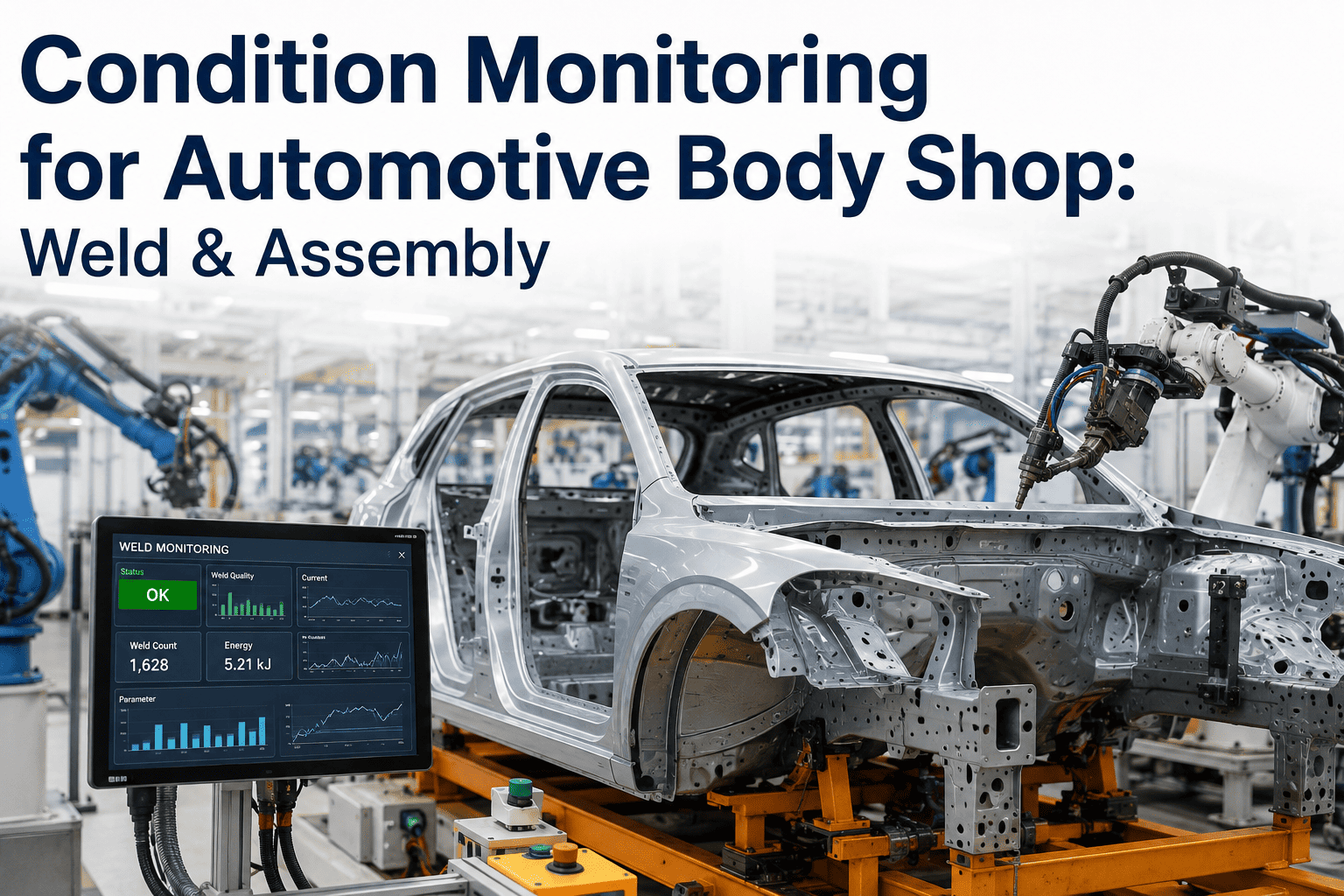
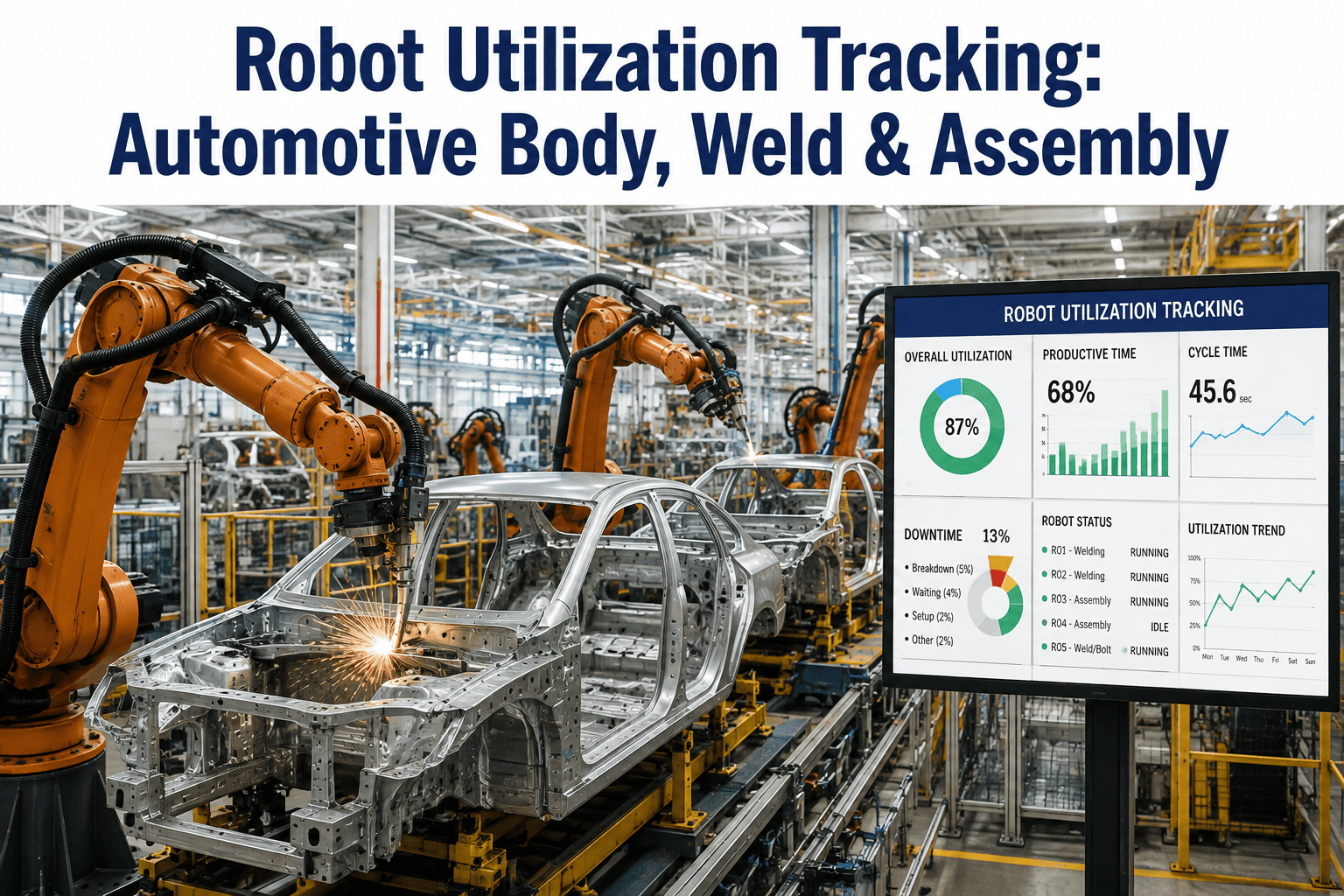
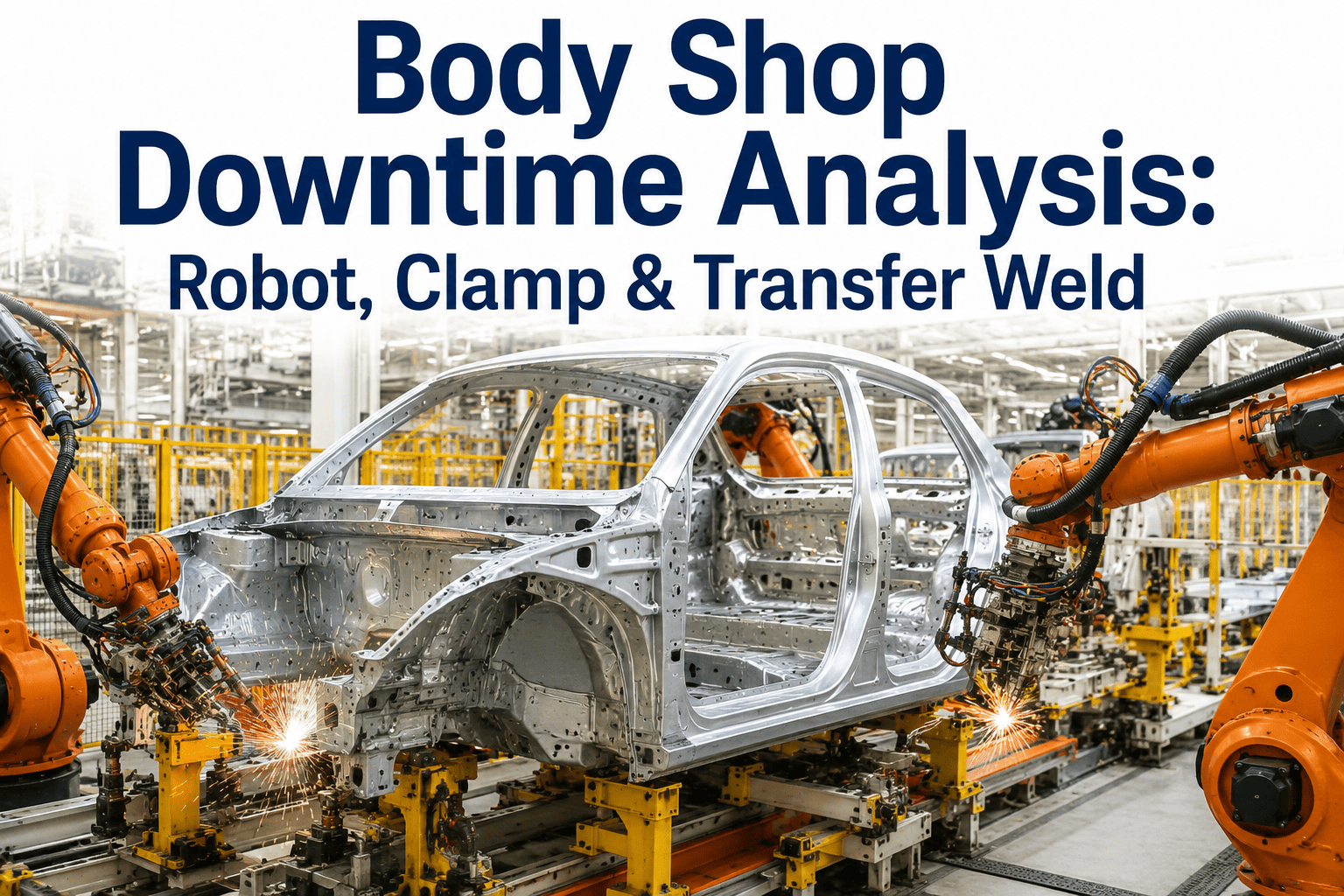
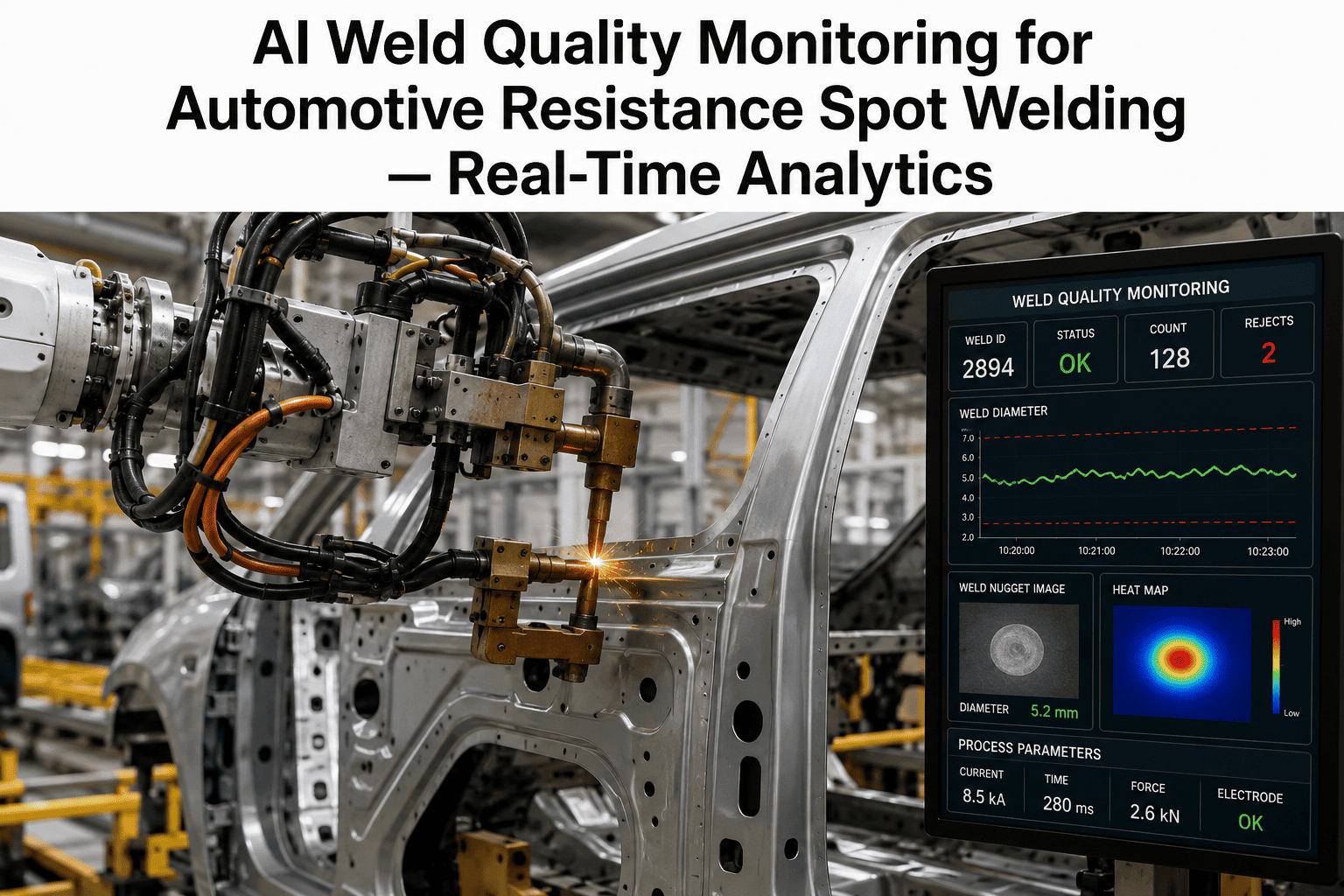
A weld gun that fails mid-shift on a body-in-white line doesn't just stop one station — it stops the entire line behind it, and on a high-volume automotive plant that can mean tens of thousands of dollars in lost production for every hour the line sits idle waiting for a maintenance crew to diagnose and fix equipment that gave no warning it was about to fail. Body shop equipment — weld guns, pneumatic clamps, transfer systems moving bodies station to station — tends to fail in ways that are genuinely predictable from vibration and current signatures well before the actual breakdown, if anyone is watching those signals continuously instead of waiting for a scheduled inspection or an actual failure. Condition monitoring turns that predictability into advance warning, giving maintenance teams days or weeks of lead time instead of a surprise line stop. Book a session with iFactory's reliability engineering team to map condition monitoring coverage across your body shop's critical equipment.
Automotive Body Shop · Predictive Maintenance
Condition Monitoring for Automotive Body Shop Weld and Assembly Equipment
Weld guns, clamps, and transfer systems fail in predictable ways. Here is how vibration and current monitoring gives body-in-white lines advance warning instead of surprise downtime.
Why Body Shop Downtime Hurts Most
The Cascading Cost of an Unplanned Body Shop Stop
Body-in-white lines are typically the most tightly sequenced section of an automotive plant, with dozens of stations feeding each other in close succession. An unplanned equipment failure at any single station doesn't just idle that station — it backs up every upstream process and starves every downstream one, multiplying the true cost of the failure far beyond the repair itself.
Single Weld Gun Fails
One station's actuator or transformer gives out mid-shift with no advance warning.
→
Upstream Backup
Bodies queue behind the failed station, and upstream operations either stop or build inventory they can't move forward.
→
Downstream Starvation
Paint and assembly downstream run out of bodies to work on, idling stations that had nothing to do with the original failure.
Find Out Which Stations Are Most at Risk
Get a Body Shop Reliability Assessment Before Your Next Unplanned Stop
iFactory reviews your body shop's critical equipment and failure history to prioritize which stations would benefit most from condition monitoring first.
Equipment Coverage
What Gets Monitored and What It Reveals
| Equipment Type |
Monitored Signal |
What Early Warning Looks Like |
| Weld gun actuators |
Vibration and motor current signature |
Gradual current draw increase preceding bearing or motor failure |
| Pneumatic clamps |
Cycle time and pressure response |
Slowing cycle response indicating seal wear before full failure |
| Transfer systems |
Vibration on drive motors and conveyor bearings |
Emerging vibration frequency signature tied to bearing wear |
| Servo-driven robots |
Motor current and joint vibration |
Torque anomalies signaling mechanical binding before a hard stop |
What Changes on the Floor
Four Outcomes Body Shops Report After Deploying Condition Monitoring
Maintenance Scheduled, Not Reactive
Repairs get planned into a scheduled maintenance window instead of forcing an emergency line stop during production.
Fewer Cascading Line Stops
Catching a failure before it happens prevents the upstream backup and downstream starvation that follow an unplanned stop.
Longer Equipment Life
Addressing developing issues early, rather than running equipment to failure, extends the usable life of expensive body shop assets.
Better Parts Planning
Advance warning gives maintenance teams lead time to order the correct replacement part instead of scrambling for an emergency substitute.
Field Perspective
Body shop maintenance teams almost always know intuitively which stations fail most often, but knowing which station fails most and knowing when the next specific failure is coming are two completely different problems. Condition monitoring solves the second problem, and in body shops specifically the payback tends to be faster than in almost any other part of the plant, because the cascading nature of a tightly sequenced line means even a single prevented stop can offset a meaningful chunk of the monitoring investment. The plants that get the most value are the ones who resist the urge to monitor everything at once and instead start with the two or three stations their own failure history already tells them are the worst offenders.
Ingrid Castellanos-Whitmore
Reliability Engineering Manager · 13 years in automotive body shop maintenance and reliability · Former Maintenance Manager, automotive body-in-white operations
Common Questions
Body Shop Condition Monitoring — Frequently Asked
How much advance warning does condition monitoring typically give before a weld gun or clamp failure?
Warning windows vary by failure mode, but developing bearing and seal wear issues are commonly detected days to a few weeks ahead of an actual failure, giving maintenance teams enough lead time to plan the repair.
Book a demo to review typical warning windows for your specific equipment types.
Do we need to install new sensors on every piece of body shop equipment, or can existing controller data be used?
Many modern weld controllers and servo drives already generate current and cycle data that can be tapped without new hardware, while older equipment may need retrofit vibration sensors to get full coverage.
Book a demo to assess what your existing equipment can already provide.
How do we decide which stations to prioritize for condition monitoring first?
Prioritization typically starts with equipment that has the highest historical failure frequency combined with the most downstream impact when it fails, since those stations offer the fastest and clearest return on monitoring investment.
Book a demo to build a prioritized rollout plan from your own failure history.
Can condition monitoring reduce false alarms compared to simple threshold-based vibration alerts?
Modern condition monitoring uses pattern-based analysis across multiple signal characteristics rather than a single fixed threshold, which significantly reduces false alarms compared to older vibration alarm systems that trigger on any deviation.
Book a demo to see how pattern-based detection compares to threshold alarms.
Does condition monitoring integrate with our existing maintenance management system?
Yes — alerts and predicted failure windows can feed directly into standard CMMS platforms to automatically generate work orders, keeping the predictive data connected to the actual maintenance workflow instead of sitting in a separate dashboard.
Book a demo to review integration with your specific CMMS.
Stop Letting Body Shop Failures Cascade
Give Your Maintenance Team Advance Warning Before the Next Line Stop
iFactory deploys condition monitoring across weld guns, clamps, and transfer systems, turning body shop maintenance from reactive firefighting into planned, scheduled work.