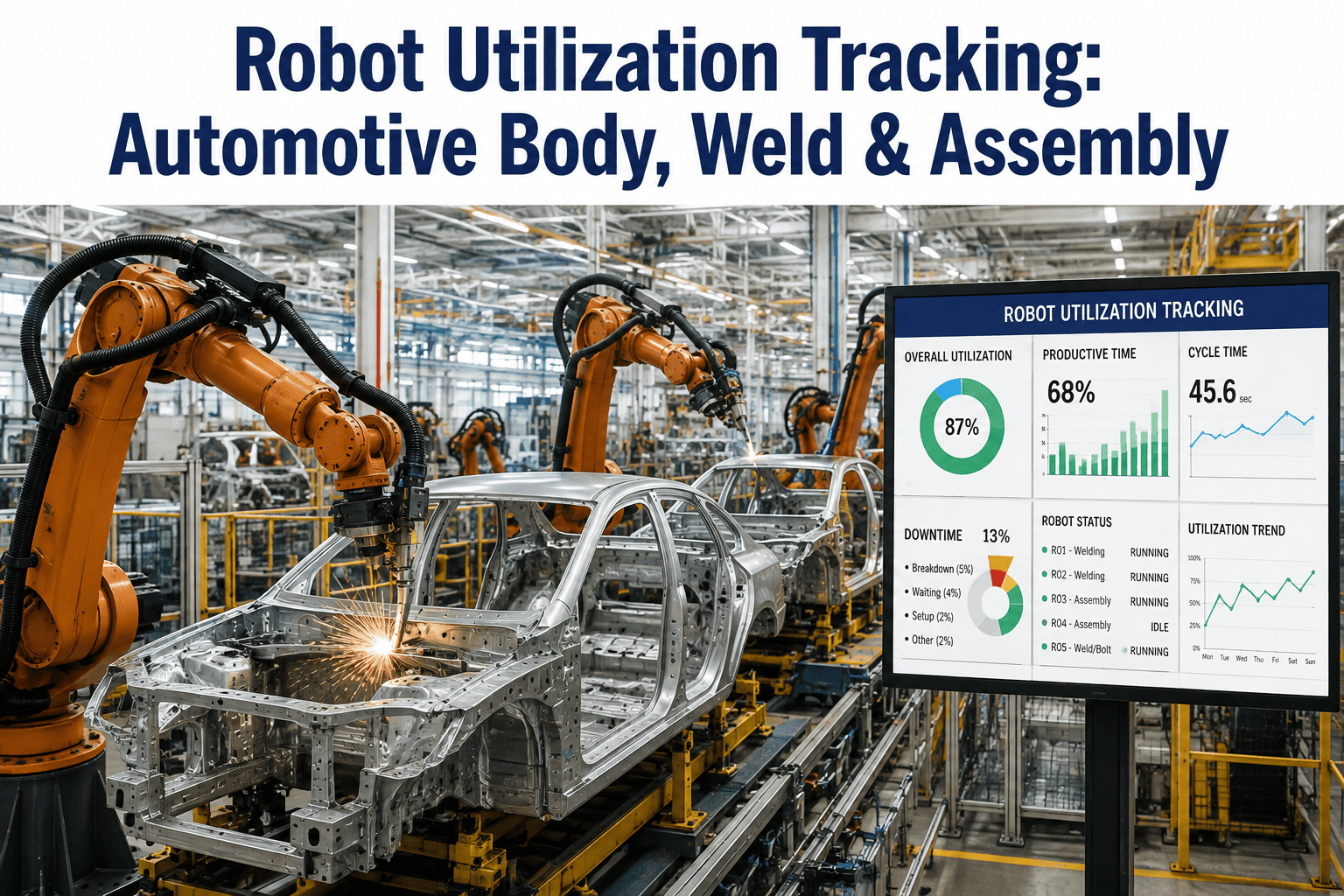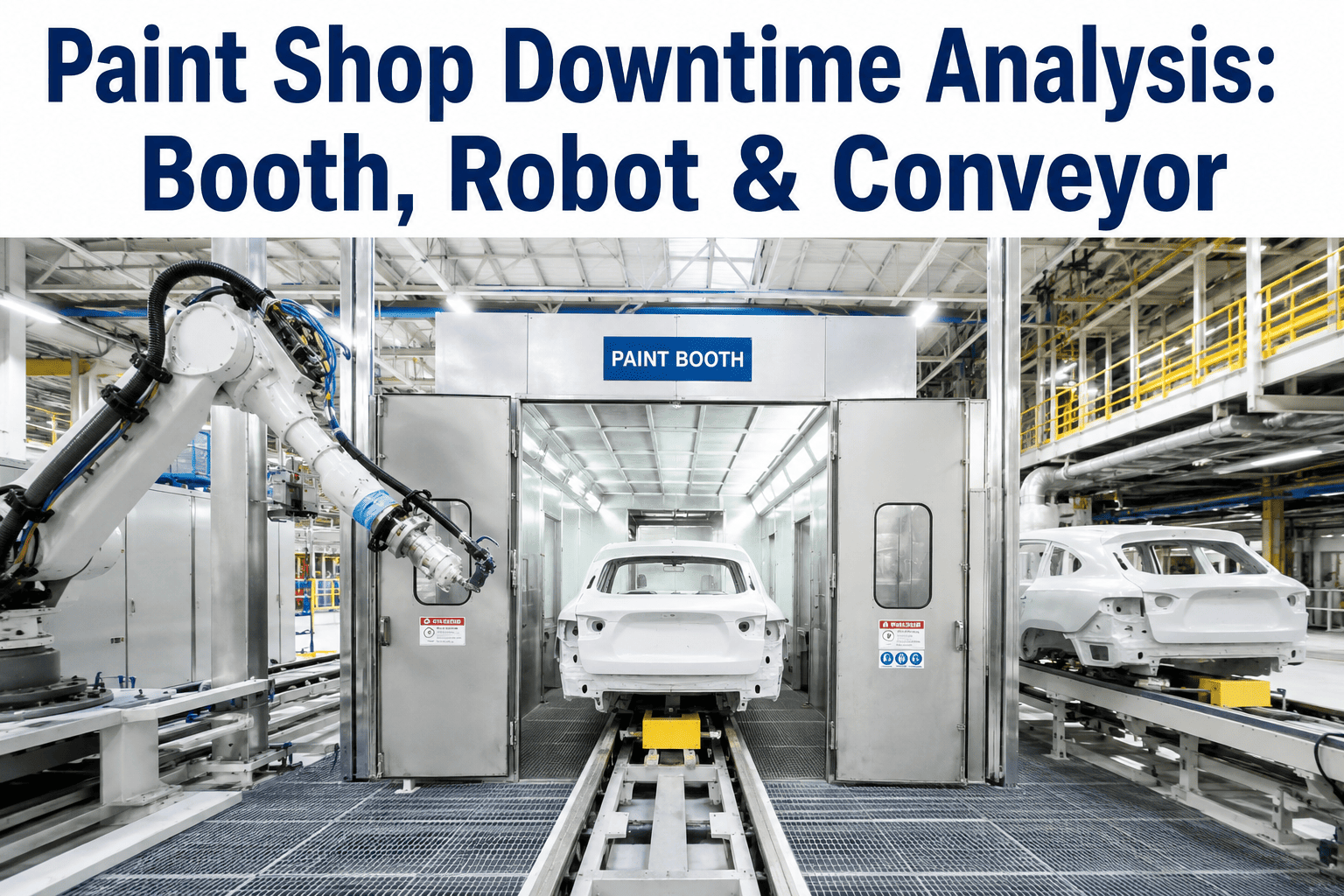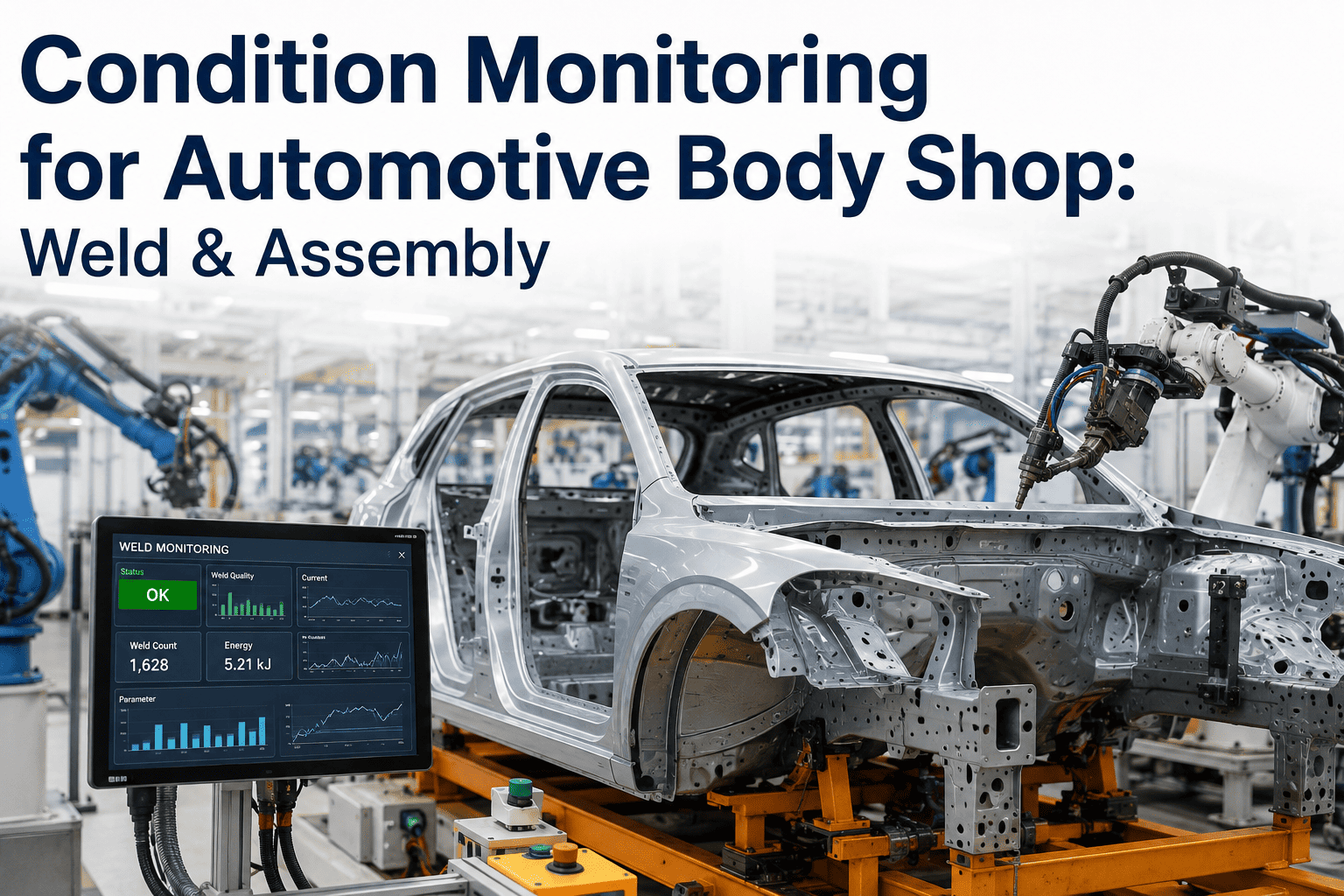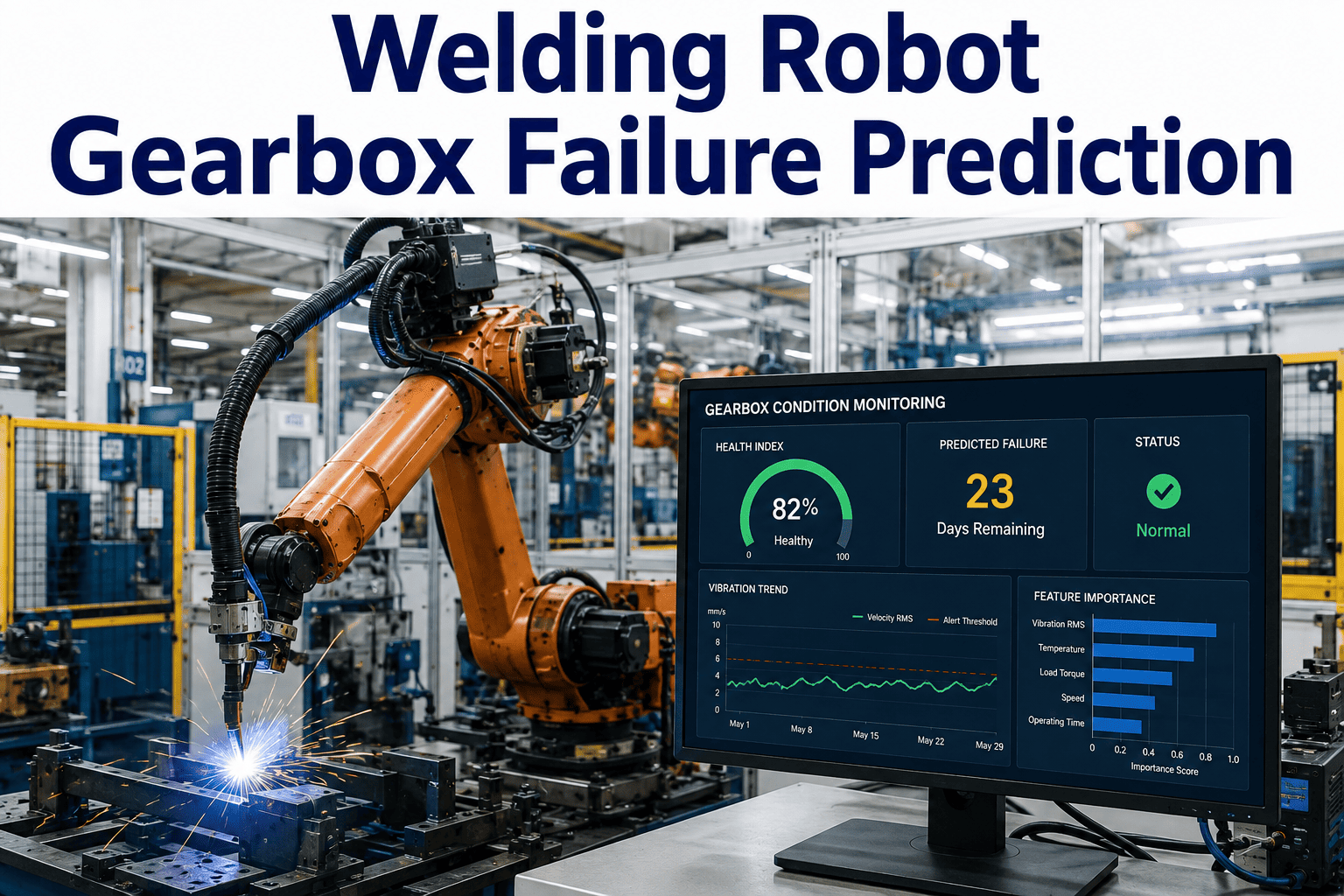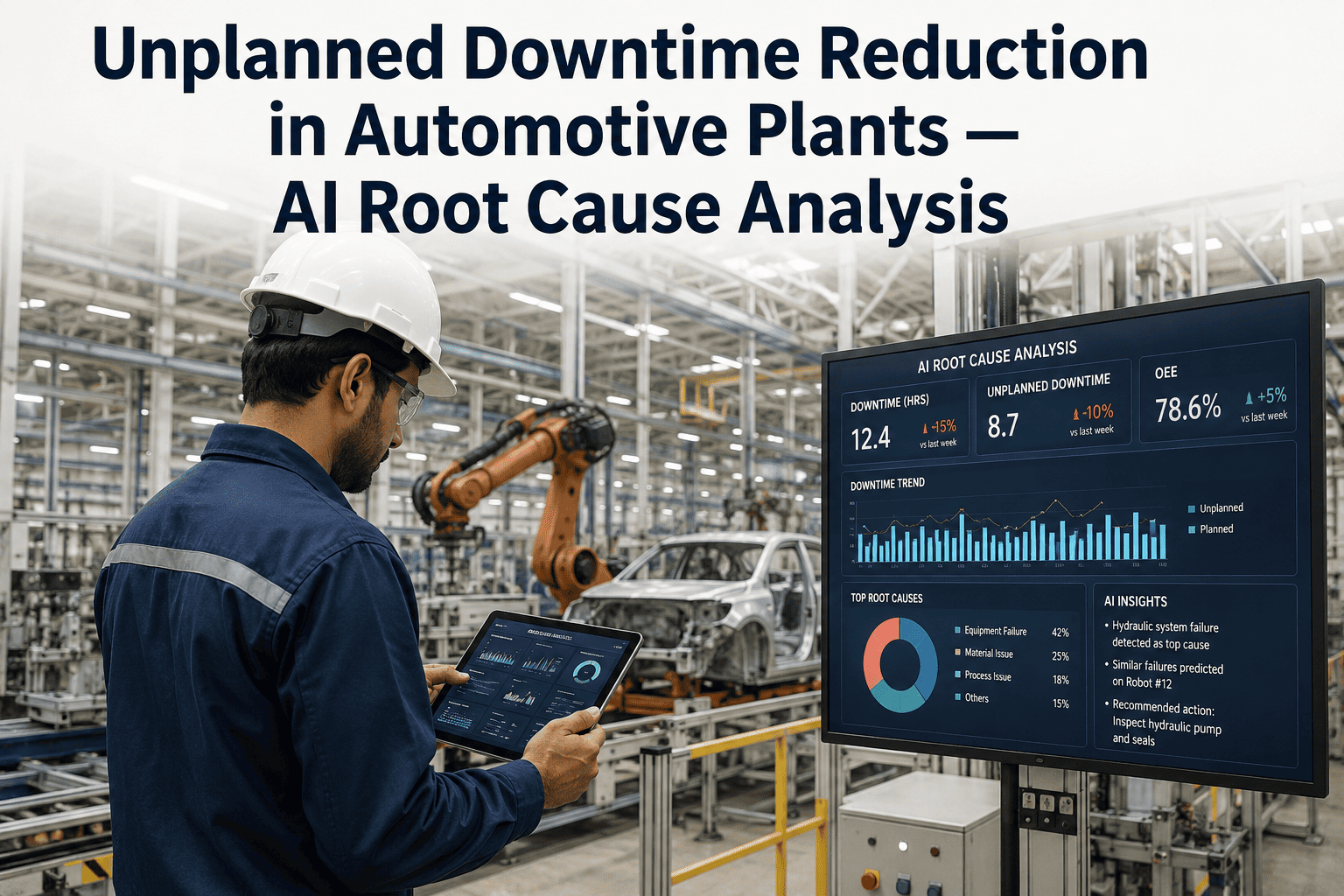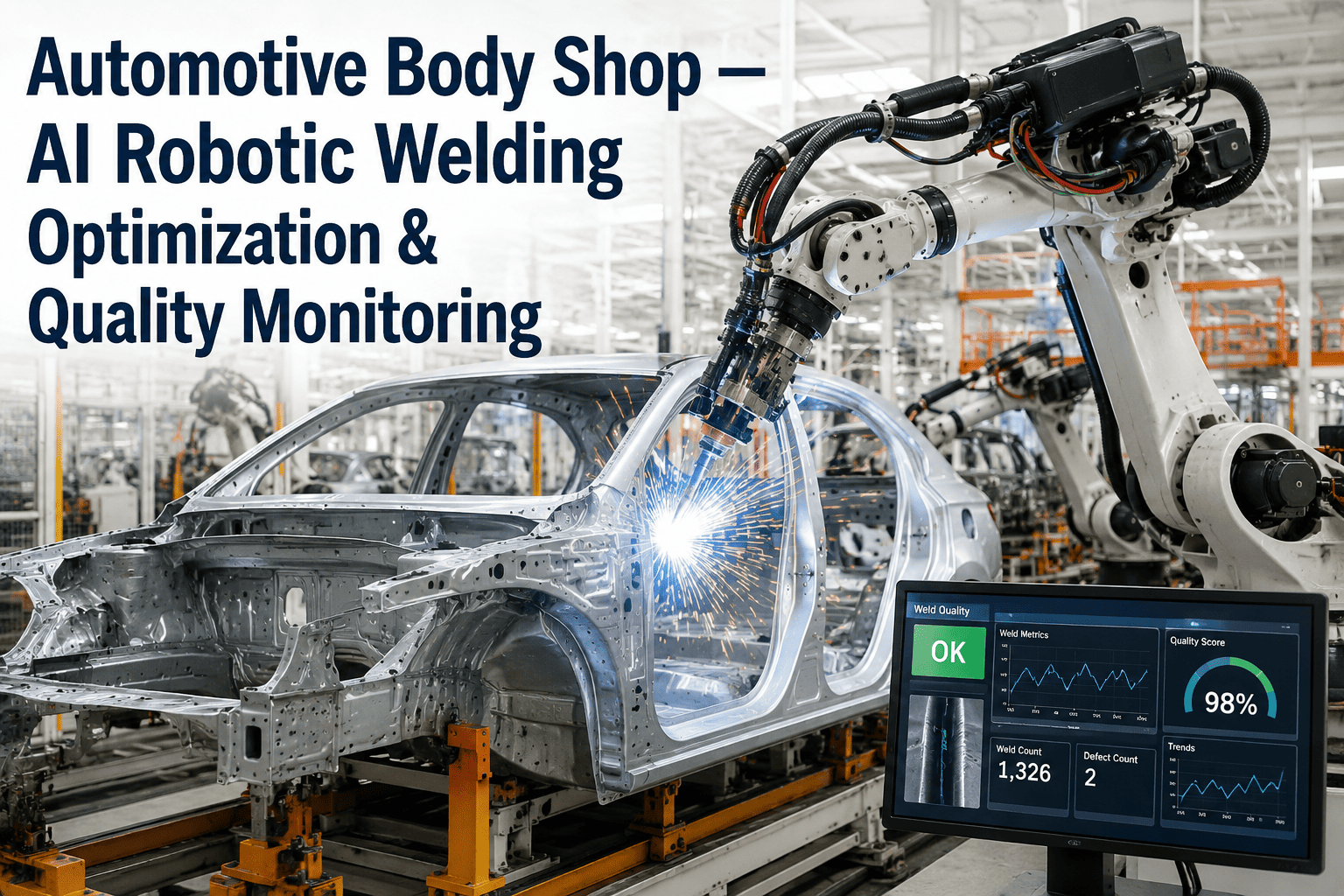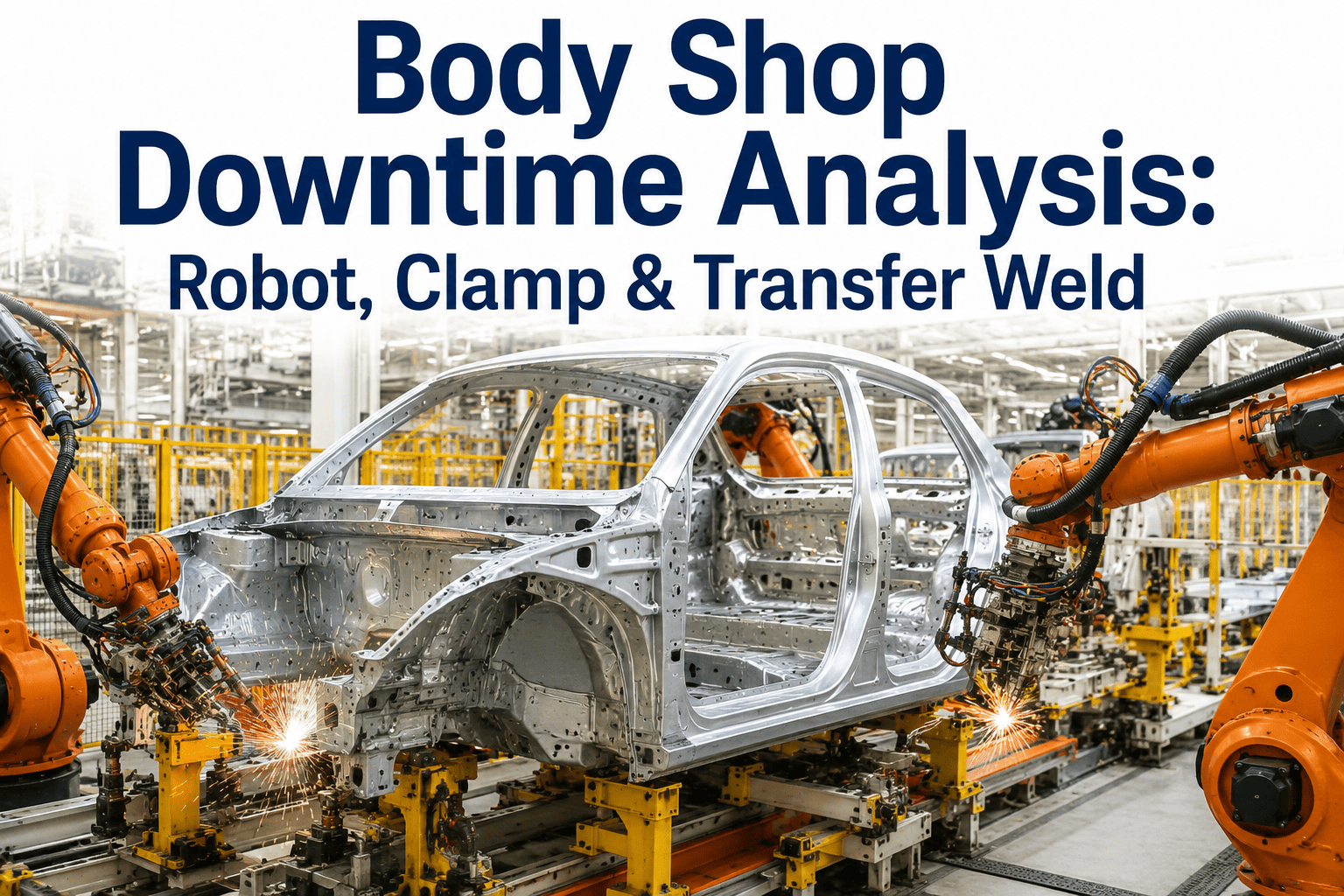
The body shop is usually the most heavily automated area of an automotive plant, and also the area where downtime attribution gets murkiest fastest. A single body-in-white station might have a welding robot, a set of pneumatic clamps, a transfer system moving the shell between stations, and a weld controller all interacting within a two-second cycle. When the line stops, "robot fault" gets written in the log far more often than it's actually the true cause, because the robot is simply the last thing to throw an alarm before the operator looks up. Getting body shop downtime attribution right requires ranking failures by equipment type, not by which alarm fired loudest — read on for the method, and if you'd like it applied to your own body shop data, book a demo with iFactory.
Know Which Equipment Actually Owns Your Body Shop Downtime
Robot, clamp, transfer, and weld controller failures each have distinct signatures — ranking them correctly is what makes a reliability program work.
Why "Robot Fault" Is Often the Wrong Answer
A robot's controller frequently reports the alarm even when the robot itself did nothing wrong — a clamp that failed to fully close will trigger a robot collision-avoidance stop, and a transfer system running late will hold the robot at a wait state that logs as robot idle. Without breaking the failure down by root equipment, months of maintenance effort can go into a robot reliability program that never touches the actual cause.
Ranking Failures by Equipment Type
A properly attributed Pareto separates the four major equipment families in a typical body shop station, letting maintenance target the true leading cause rather than the most visible alarm.
Get an Attributed Pareto for Your Own Body Shop
iFactory traces each stop back to the root equipment family — not just the alarm that happened to fire — so reliability spend goes where it actually matters.
Failure Signatures by Equipment Family
Each equipment family fails in a recognizably different pattern once you know what to look for in the event timeline.
Weld robot / gun
Tip dress overdue, electrode wear causing expulsion, path deviation from collision. Alarms cluster near end of tip life and after unplanned collisions.
Clamp / fixture
Incomplete clamp closure, worn locating pins, air pressure drop. Failures often correlate with part variation or upstream dimensional drift.
Transfer system
Servo lag, sensor misread on shuttle position, mechanical binding. Failures tend to cascade into every downstream station simultaneously.
Weld controller
Current/voltage out of window, timer drift, communication loss to the cell PLC. Often intermittent and harder to reproduce on demand.
Turning Attribution Into a Reliability Program
Once failures are correctly attributed, the improvement path for each equipment family looks different — a single "fix the robots" initiative rarely addresses all four causes at once.
Confirm root cause per event
Cross-check the reporting alarm against the actual triggering condition for at least two weeks of stops before trusting the Pareto.
Set family-specific PM intervals
Tip dressing schedules, clamp pin replacement cycles, and transfer servo maintenance each follow different wear curves.
Track MTBF by family, not by station
A station-level MTBF blends four failure modes together — family-level tracking shows which one is actually driving the trend.
Re-rank quarterly
As the leading failure family gets addressed, the next one moves to the top — the Pareto shifts and the program should shift with it.
Frequently Asked Questions
How do you separate a robot fault from a clamp-caused robot stop after the fact?
The reliable method is correlating the robot's alarm timestamp against the state of the clamp and fixture sensors in the same millisecond window. If the clamp sensor shows an incomplete close signal immediately before the robot's collision-avoidance alarm fires, the true root cause is the clamp even though the robot logged the fault. This kind of cross-signal correlation is exactly what automated downtime attribution is built to catch that a manual log cannot.
Which equipment family typically causes the most downtime in a body shop?
Weld robots and guns tend to lead in most body shops, largely due to electrode wear and tip dressing cycles that accumulate over thousands of welds per shift. That said, the ranking is genuinely plant-specific — a facility with older transfer systems or high part-variation upstream can see clamp or transfer failures dominate instead, which is exactly why attributed data matters more than a generic industry assumption.
Can transfer system failures really affect stations that aren't directly connected to it?
Yes — a transfer system failure at one point in the line frequently cascades into every downstream station simultaneously, since parts stop arriving at the expected cadence. Without cascade attribution logic, this shows up as a dozen separate "station starved" events across the line rather than the single transfer failure that actually caused all of them, badly inflating the apparent failure count for unrelated stations.
How often should clamp and fixture pins be inspected given this kind of failure data?
Inspection intervals should be driven by the specific wear trend visible in the failure data rather than a fixed calendar schedule, since clamp wear correlates more closely with cycle count and part variation than with elapsed time. Plants with attributed downtime data commonly find they can extend intervals on low-wear fixtures while tightening them on high-cycle stations, improving both uptime and maintenance labor efficiency.
What's the first step to get this level of attribution on our own body shop?
The first step is integrating with the existing robot, PLC, and weld controller signals already present in the cell — most body shops don't need new sensors, just a system that correlates the signals that already exist. A short discovery call is usually enough to map out what's already available on your controllers; book a demo to see what that would look like on your line.
Get an Accurately Attributed Body Shop Pareto
Book a 30-minute demo and see how iFactory separates robot, clamp, transfer, and weld controller failures on your own line data.