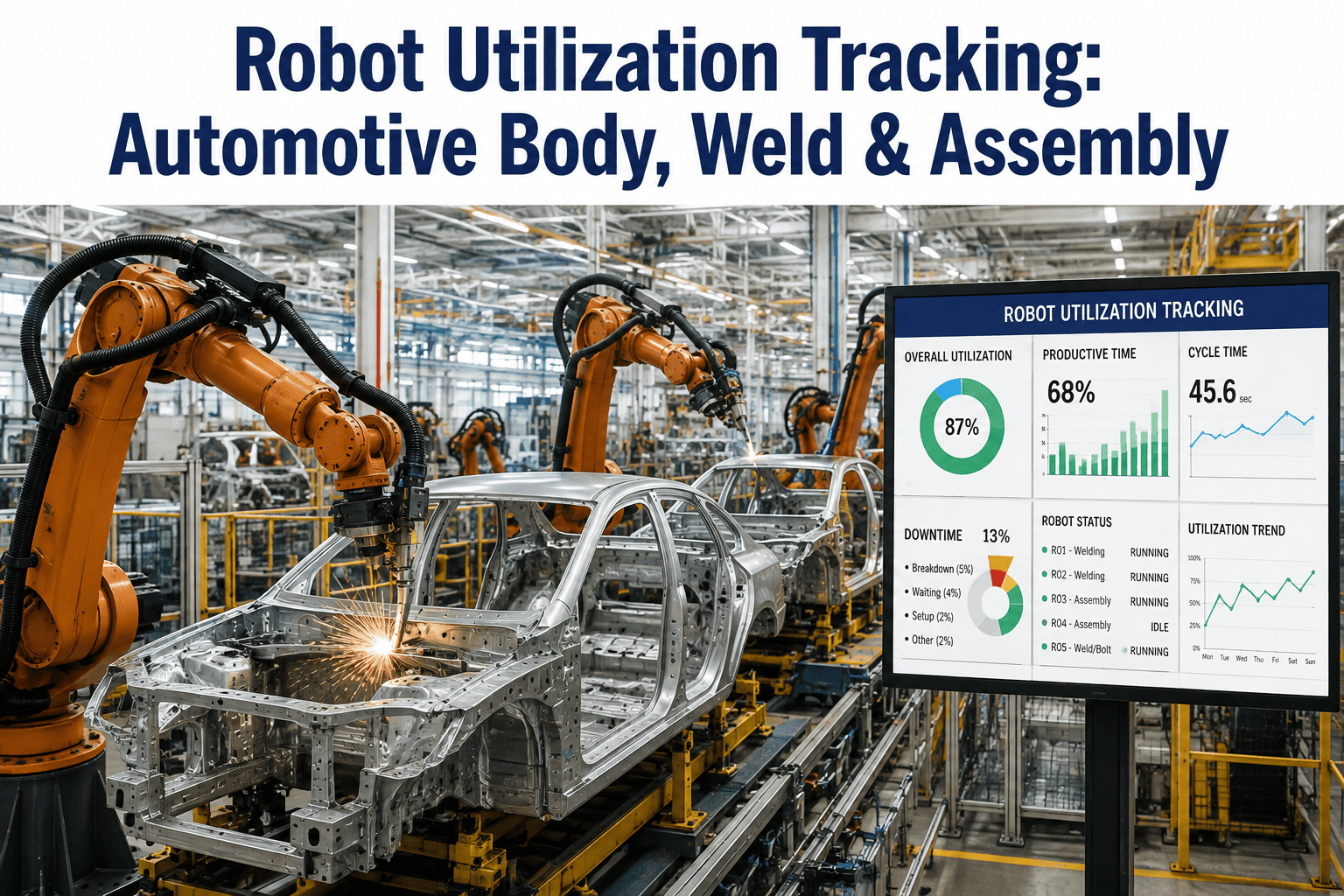
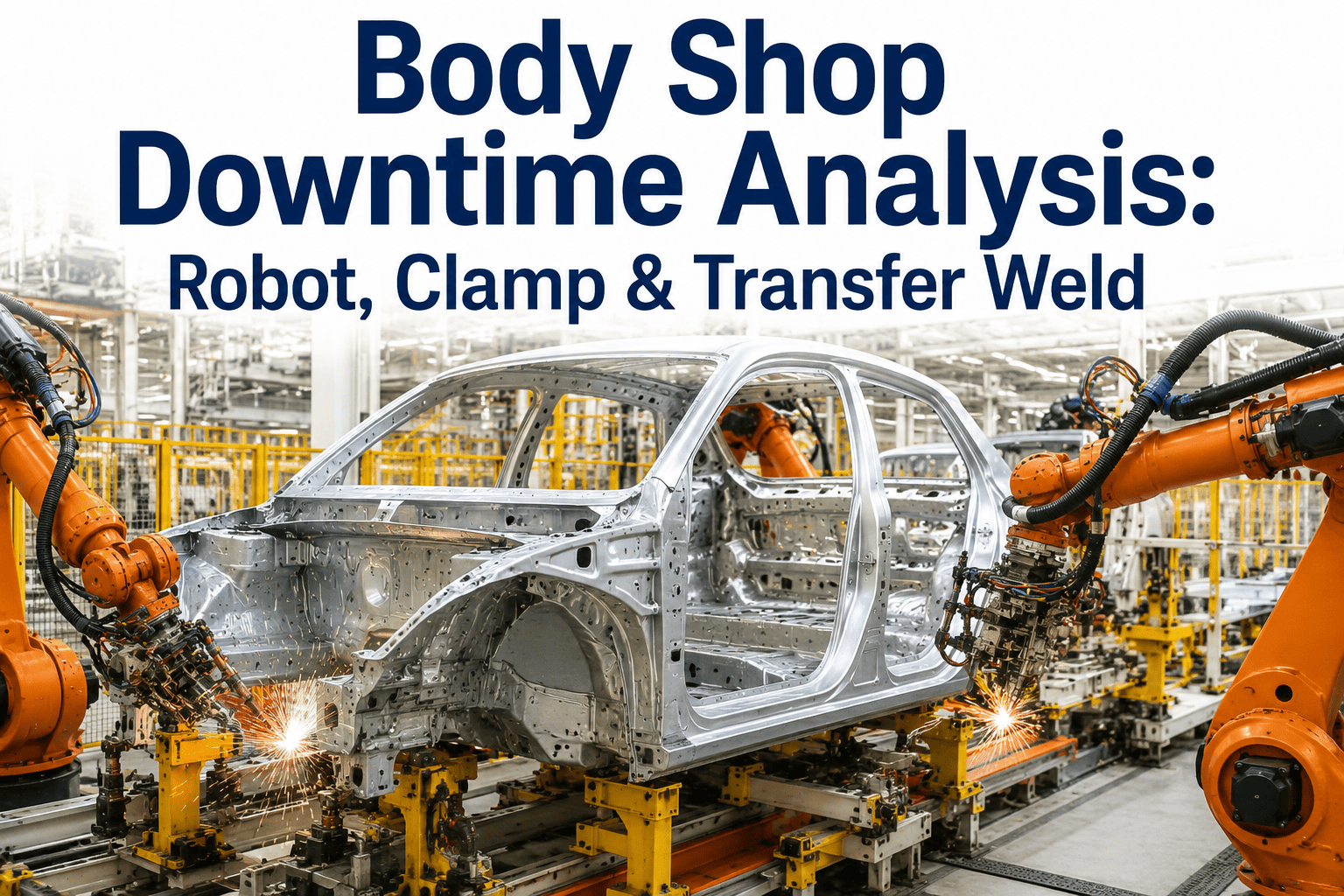
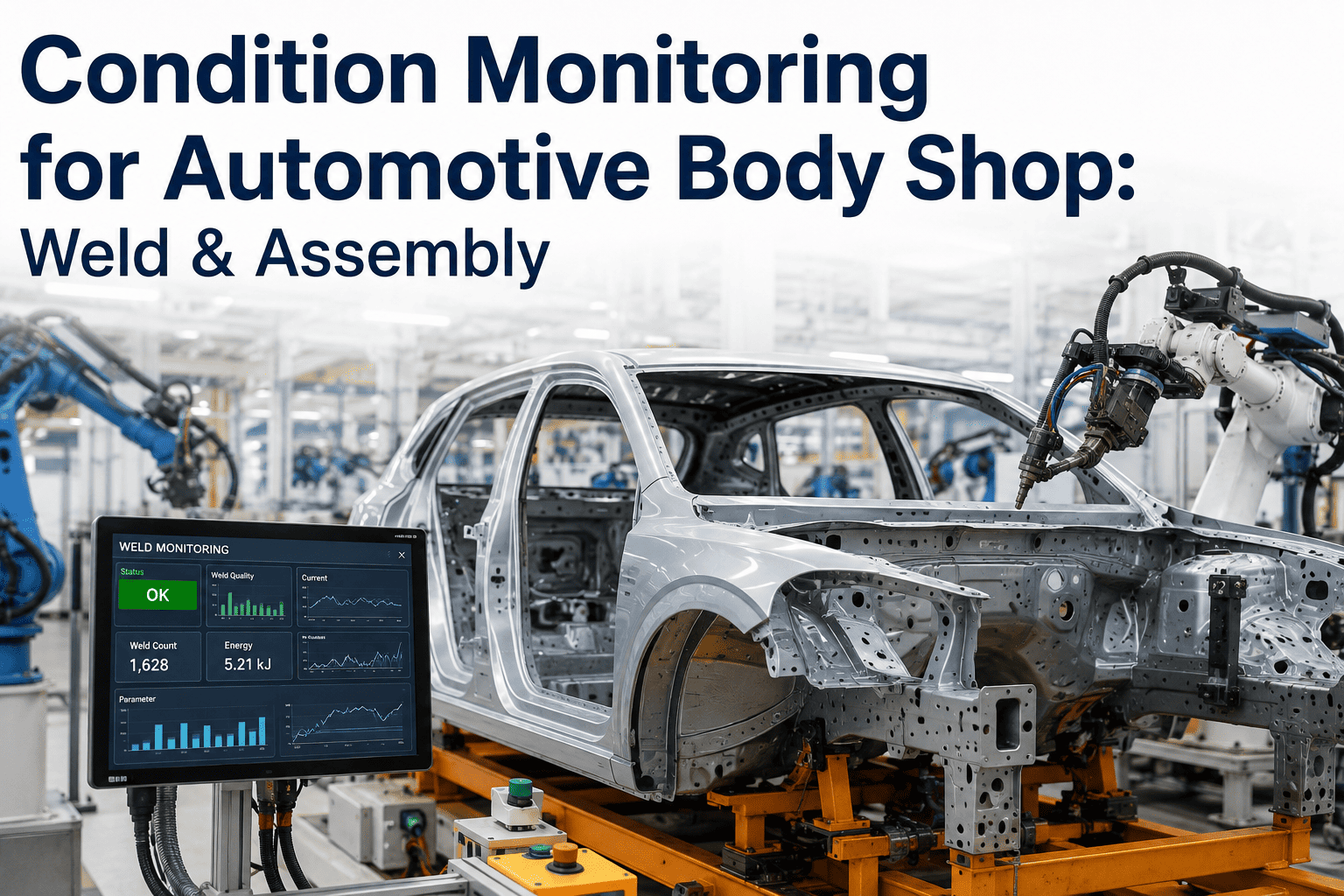
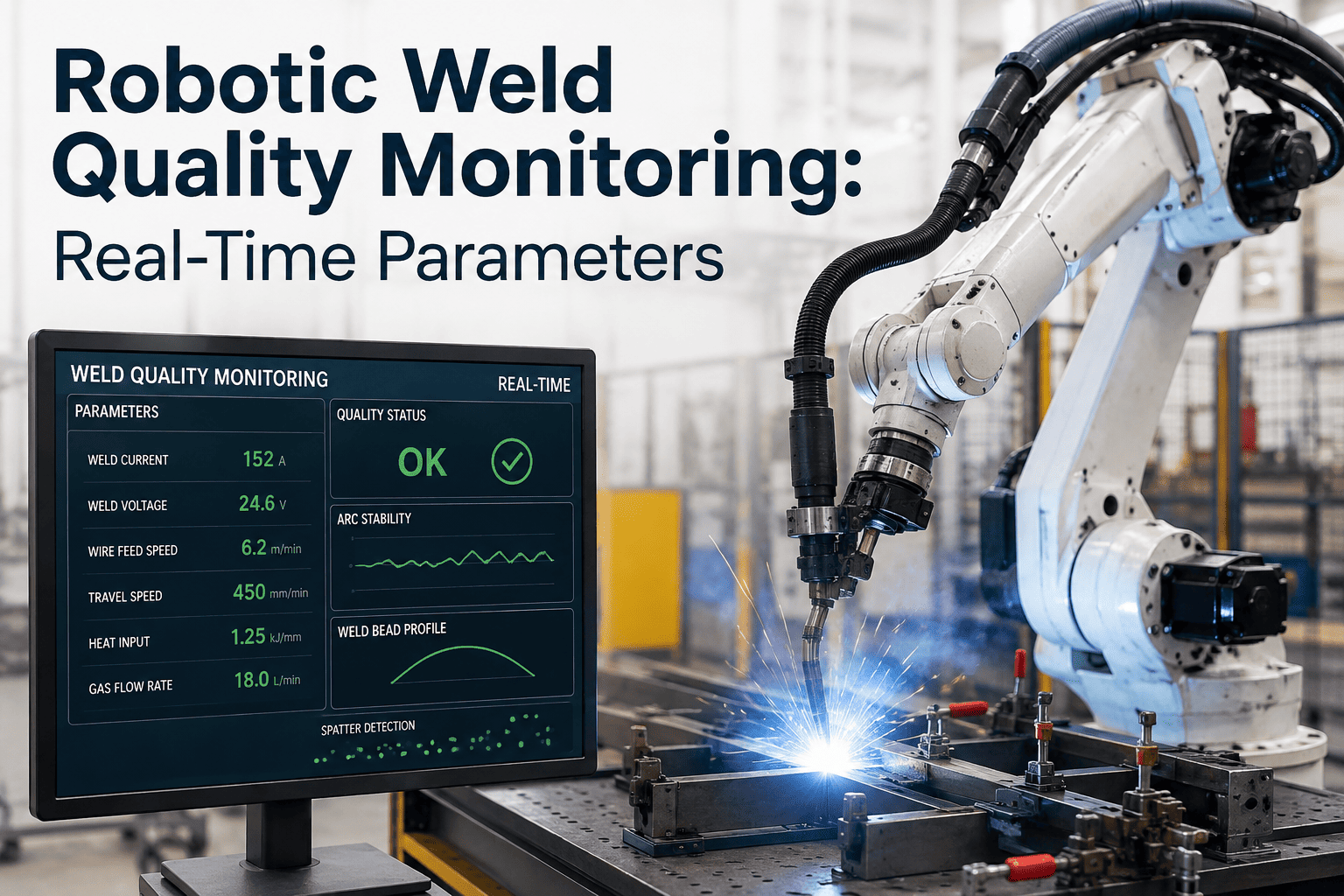
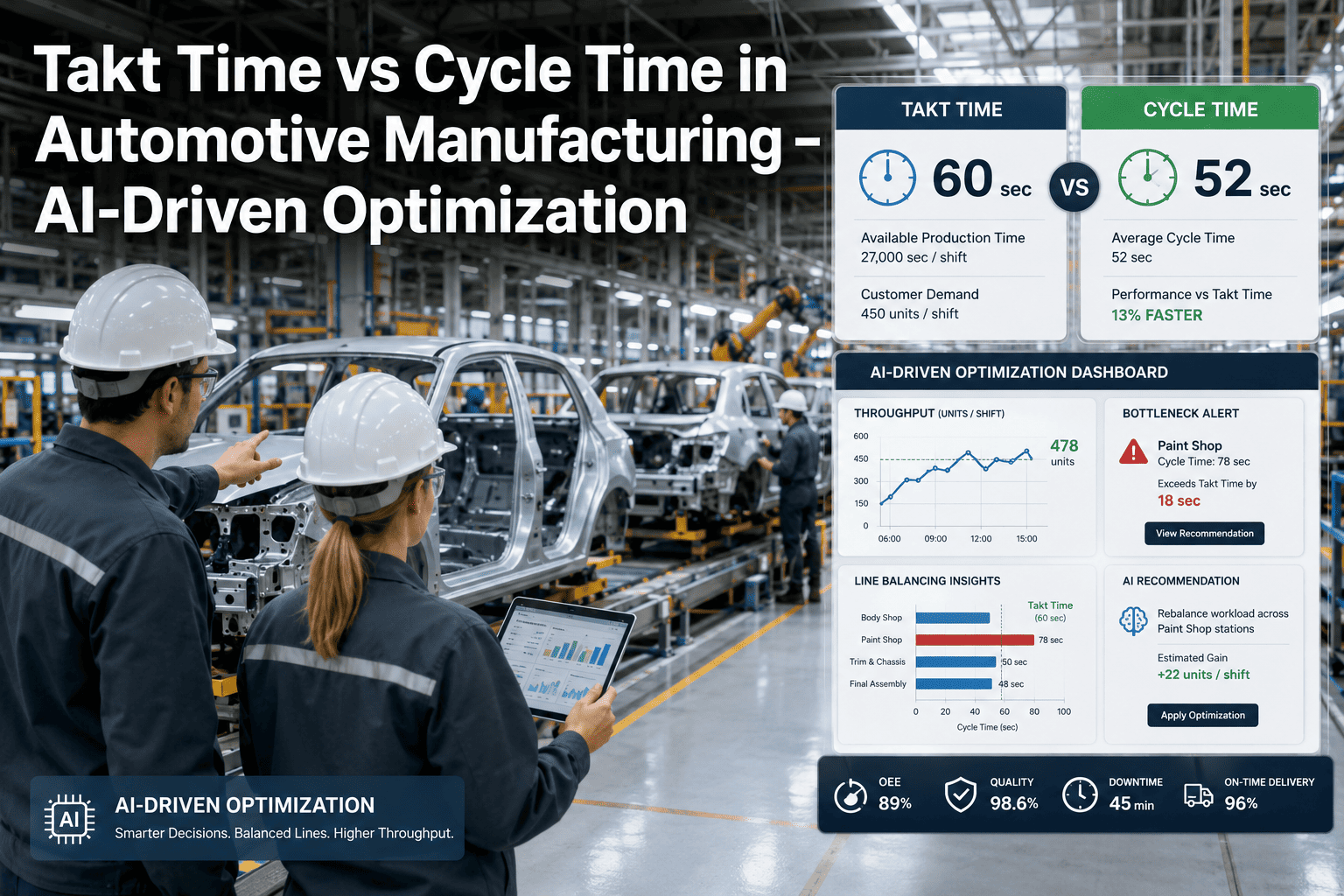
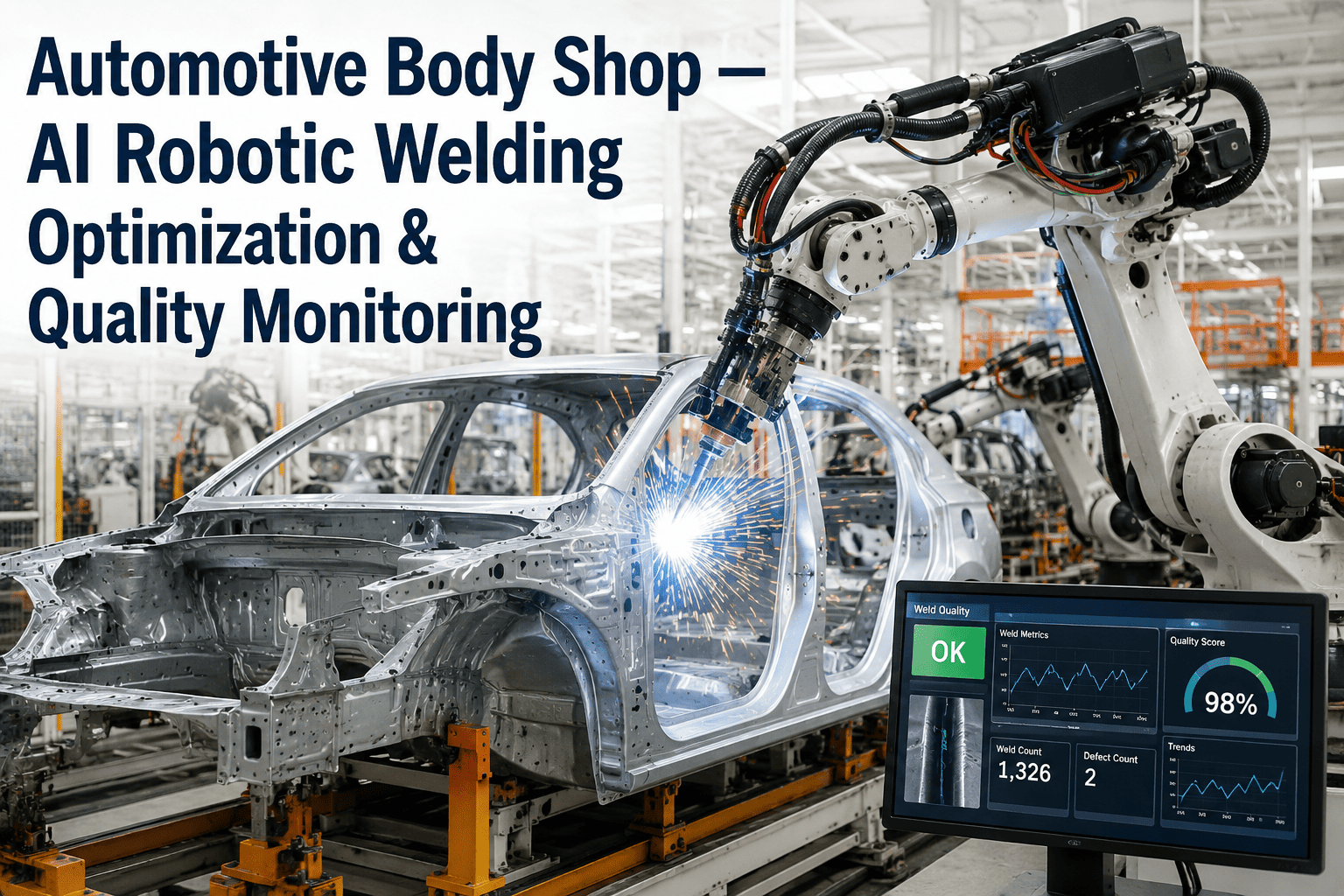
The automotive body shop is the crucible of vehicle manufacturing, where hundreds of sheet metal parts are fused into a unibody structure with micron-level precision. At the heart of this operation lie robotic welding cells—complex systems of articulated arms, positioners, weld controllers, and dressing stations that must operate in perfect synchrony to meet takt times often below 60 seconds. Yet, most body shops operate these cells at 60-70% of theoretical capacity due to suboptimal sequencing, excessive tip dressing cycles, and idle time from unbalanced workloads. The hidden cost is staggering: a single welding cell running at 65% OEE can lose over 5000 production hours annually. This guide presents a rigorous, data-driven methodology for robotic welding cell optimization, leveraging AI and real-time analytics to push OEE beyond 85% without capital expenditure. Whether you are a Plant Manager, CTO, or Maintenance Director, the insights here will empower you to transform your body shop into a lean, high-throughput operation. Book a Demo to see how iFactory's AI platform can accelerate your optimization journey.
Transform Your Welding Cell Performance
Discover how AI-driven optimization can boost throughput by 20% or more. Schedule a consultation with our experts today.
Cycle Time Decomposition
Every welding cell cycle consists of robot motion, weld time, dressing, and part handling. AI-driven time studies break down each component to identify micro-delays. For example, a 0.5-second dwell at a weld point, repeated 3000 times per shift, wastes 25 minutes daily. Advanced analytics can pinpoint these inefficiencies and suggest corrective actions such as path smoothing or acceleration adjustments.
Weld Sequencing Optimization
The order in which welds are executed significantly impacts cycle time. AI algorithms evaluate thousands of possible sequences to minimize robot travel distance and collision risk. A typical 50-weld sequence optimized with AI can reduce cycle time by 8-12%, directly translating to higher throughput without any hardware changes.
Tip Dressing Intelligence
Tip dressing is essential for weld quality but consumes valuable cycle time. Traditional fixed-interval dressing wastes time and electrode life. AI models predict optimal dressing timing based on real-time weld current, voltage, and resistance data. This reduces dressing frequency by up to 30% while maintaining perfect nugget formation.
Five-Step AI Optimization Roadmap
Data Acquisition & Baseline
Install edge sensors and connect to robot controllers (e.g., Fanuc, ABB, KUKA) to capture cycle times, weld parameters, and fault codes. Establish a baseline OEE and identify top loss modes.
AI Model Training
Train deep learning models on historical data to predict cycle time variations, weld quality deviations, and optimal dressing intervals. Models are continuously retrained for adaptive optimization.
Real-Time Optimization
Deploy AI agents that adjust weld sequencing, robot speeds, and dressing schedules in real time based on current cell conditions. This closed-loop control maximizes throughput dynamically.
Operator Dashboard
Provide intuitive dashboards showing real-time OEE, cycle time breakdown, and recommended actions. Empower operators to make data-driven decisions and escalate issues.
Continuous Improvement
Use AI-generated reports to identify recurring bottlenecks and drive kaizen events. Track improvements over time and benchmark against best-in-class cells.
Ready to Optimize Your Welding Cells?
Our AI platform has delivered measurable results in automotive body shops worldwide. Let's discuss your specific challenges.
Deep Dive: Cycle Time Decomposition Using AI
Cycle time decomposition is the process of breaking down a welding cell's total cycle into its constituent elements: robot motion (approach, weld, departure), weld time (current flow, hold, forge), auxiliary operations (tip dressing, part clamping), and idle time (waiting for positioner, robot interference). Traditional methods rely on stopwatch studies or PLC logs, which are coarse and labor-intensive. AI-powered time studies use high-frequency data from robot controllers and sensors to automatically segment each cycle with millisecond precision. For instance, by analyzing joint velocity and torque profiles, the AI can identify when a robot is decelerating unnecessarily or when two robots are interfering, causing a standby delay. These micro-inefficiencies, often invisible to operators, accumulate to significant losses. A case study from a Tier 1 automotive supplier revealed that AI-driven decomposition uncovered 4.2 seconds of hidden idle time per cycle, leading to a 7% throughput increase after corrective path programming. The AI also correlates cycle time variations with weld parameters (current, voltage, wire feed speed) to detect suboptimal settings that prolong weld time without quality benefit. By continuously monitoring and adjusting these parameters, the system maintains optimal cycle time even as electrode wear occurs. This level of granularity is impossible with manual methods and is the foundation for true OEE improvement.
Comparative Analysis: Traditional vs. AI-Optimized Welding Cell
| Metric | Traditional Cell | AI-Optimized Cell |
|---|---|---|
| Average Cycle Time (sec) | 58.2 | 49.7 |
| Tip Dressing Frequency (per shift) | 12 | 8 |
| Weld Quality Reject Rate (%) | 1.8 | 0.4 |
| Idle Time per Cycle (sec) | 5.1 | 1.3 |
| OEE (%) | 67 | 86 |
| Throughput (parts/shift) | 420 | 530 |
Robot Weld Sequencing
AI sequencing algorithms treat weld points as nodes in a traveling salesman problem, but with constraints like weld direction, heat input, and robot reachability. The optimal sequence minimizes total travel distance while respecting weld quality requirements. For example, a sequence that alternates between left and right sides of the body can reduce distortion and improve fit-up. AI can also dynamically resequence if a robot is delayed due to a fault, preventing cascading idle time.
Weld Cell Balancing
In multi-robot cells, workload imbalance is a major source of idle time. AI analyzes the cycle time contribution of each robot and suggests redistributing welds or adjusting robot speeds to balance the load. This is particularly effective in body shops where different models are produced on the same line, as the AI can adapt the balance for each variant.
Predictive Maintenance for Weld Guns
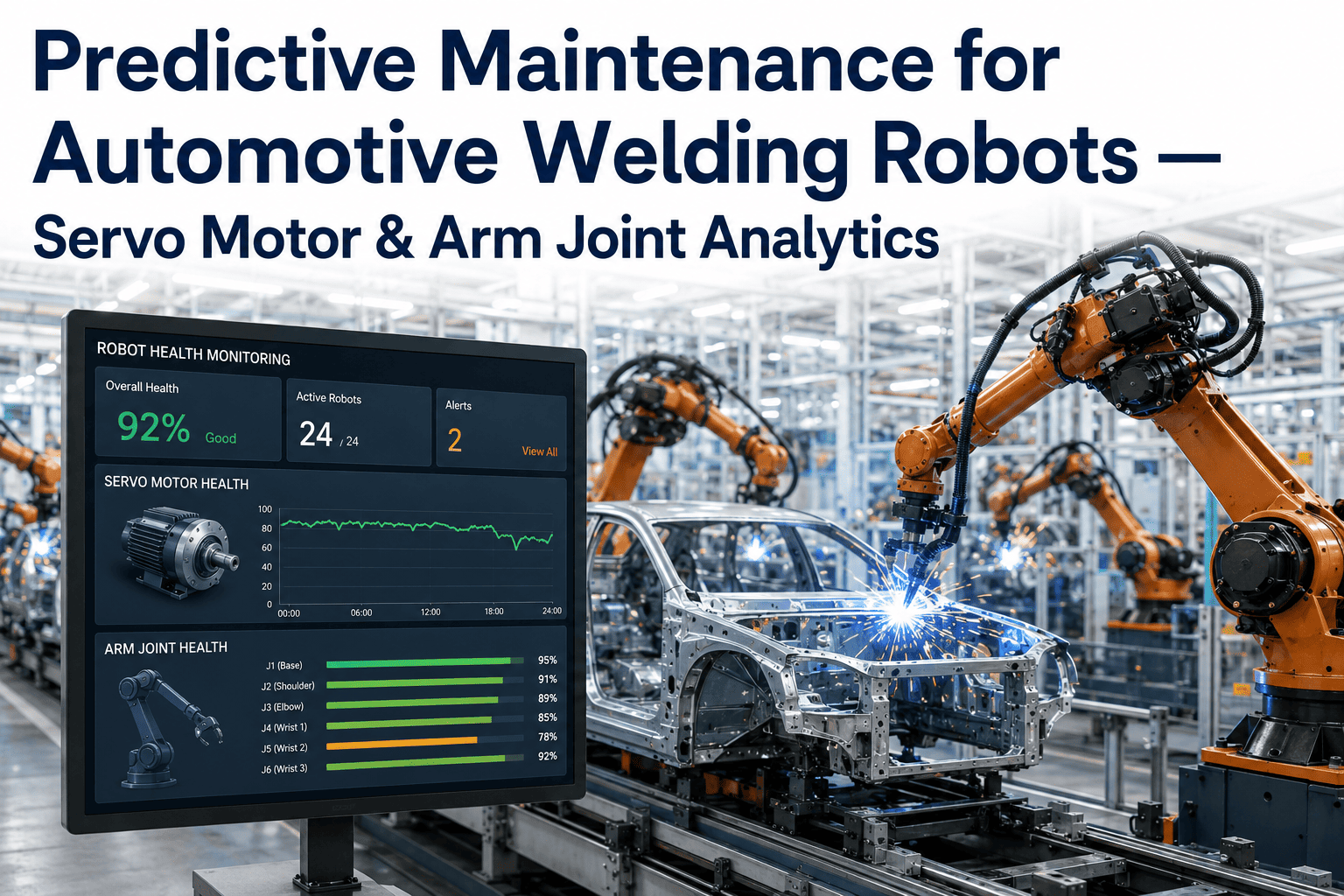
Weld gun degradation (electrode wear, misalignment, cable fatigue) causes quality defects and unscheduled downtime. AI models predict remaining useful life of electrodes and alert maintenance teams before failure occurs. This proactive approach reduces unplanned stops by 40% and extends electrode life by 20%.
Frequently Asked Questions
How does AI optimize weld sequencing without affecting quality?
AI optimization respects all weld quality constraints, including heat input limits, weld direction, and joint geometry. The algorithm uses a physics-informed model that simulates the thermal and mechanical effects of each sequence. It then selects the sequence that minimizes travel time while maintaining temperature profiles within specified ranges. This ensures that quality is not compromised; in fact, reject rates often decrease due to reduced distortion. For more details, visit our support page or book a demo to see real case studies.
What data is required to start AI optimization in a welding cell?
To begin, we need access to robot controller data (e.g., via OPC UA or Modbus), weld parameter logs (current, voltage, wire feed speed), and cycle time records. Ideally, we also collect sensor data from tip dressers and positioners. The more historical data available (at least 3 months), the more accurate the AI models. However, we can start with a minimum of 2 weeks of high-frequency data to establish a baseline and begin generating insights. Our team will guide you through the data collection process. Contact us via support to schedule a data readiness assessment.
Can AI optimization be applied to mixed-model production lines?
Absolutely. AI models are trained on data from multiple product variants and can adapt optimization strategies in real time as the line changes over. The system recognizes each model via PLC signals or robot program IDs and applies the appropriate weld sequence, dressing schedule, and speed settings. This flexibility is a key advantage over fixed-programming approaches. For a detailed technical whitepaper, book a demo with our engineering team.
How long does it take to see results from AI optimization?
Typical implementation takes 4-6 weeks from data acquisition to full deployment. Initial insights and quick wins (e.g., identifying top idle time sources) are available within the first week. Most customers see a 5-10% throughput improvement within the first month, with full optimization (15-25% improvement) achieved by the third month. The AI continuously learns and improves over time. For a timeline tailored to your facility, book a demo.
What is the ROI of AI-driven welding cell optimization?
ROI varies based on current OEE and production volume, but typical payback periods are 6-12 months. For a body shop producing 500 parts per shift, a 15% throughput increase translates to 75 additional parts per shift, representing significant revenue. Additionally, reduced tip dressing and predictive maintenance lower consumable costs by 20-30%. The intangible benefits include improved quality, less rework, and higher operator morale. Request a personalized ROI analysis by booking a demo.
Elevate Your Body Shop Performance
Join industry leaders who have transformed their welding operations with AI. Take the first step towards unprecedented efficiency.