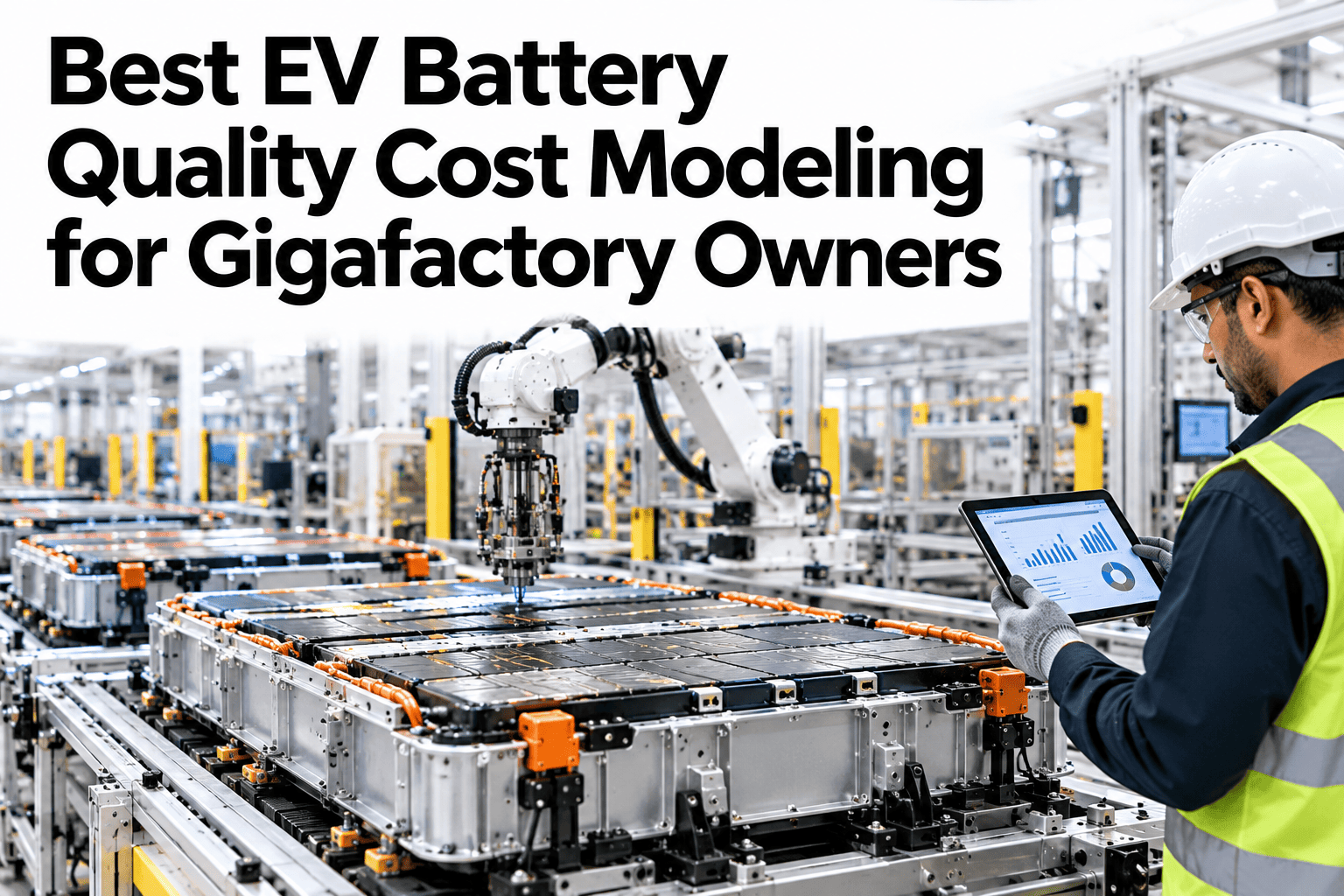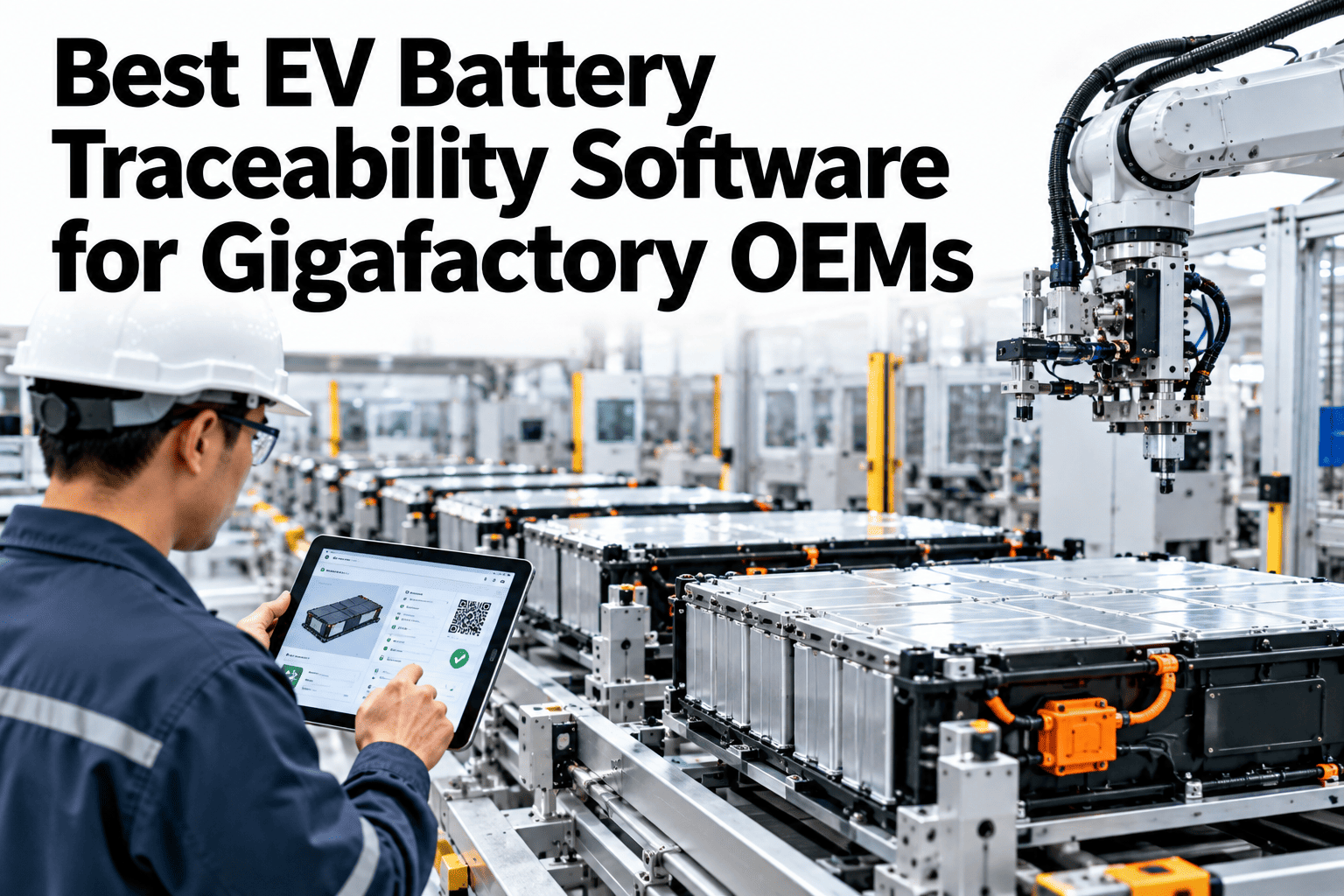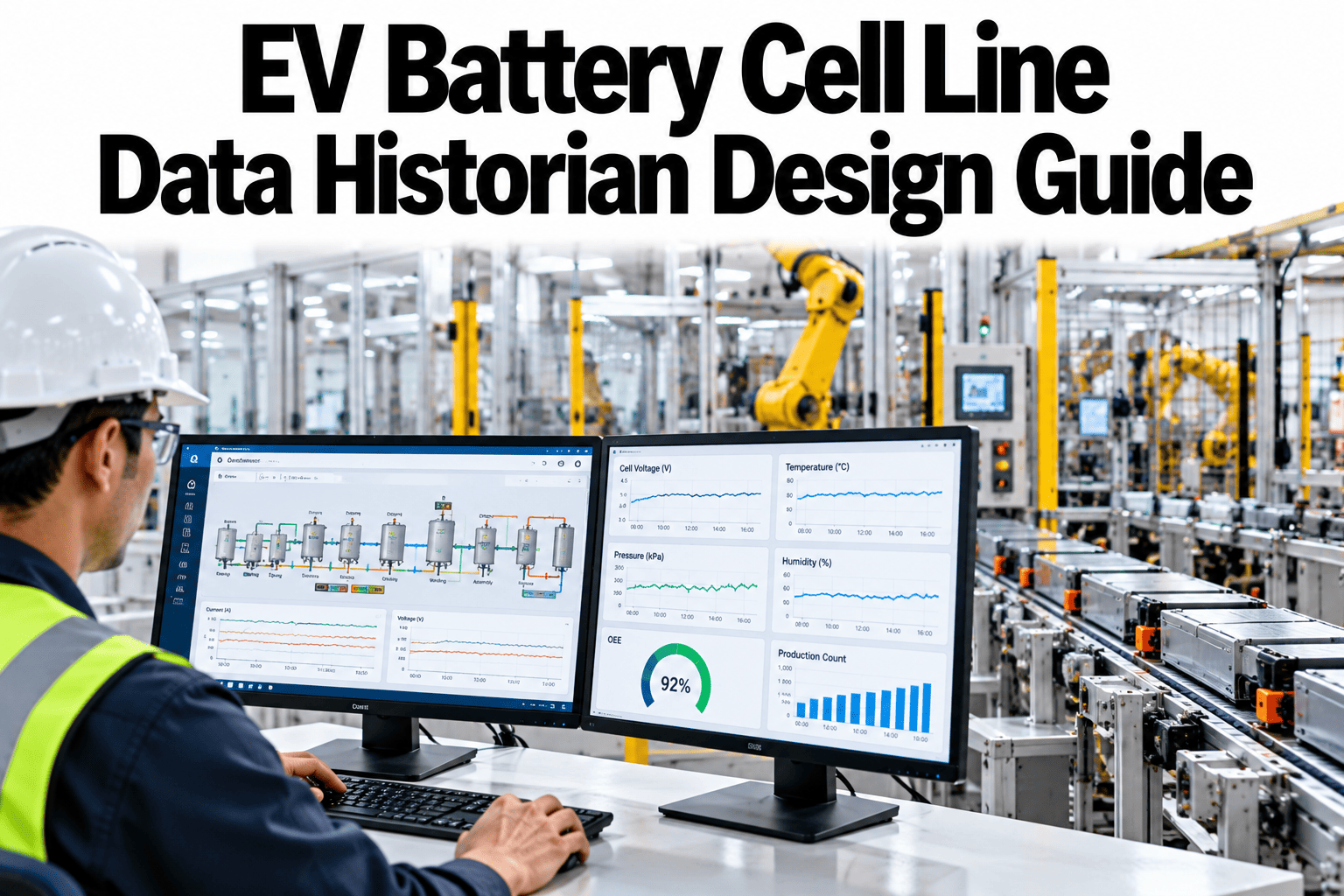
A battery gigafactory produces more data than almost any other plant, and most of it is only valuable if it can be found again years later. A coating thickness trace, a formation curve or a dry room reading may be needed long after production to explain a field issue. The historian is the foundation, and its design, from sample rates to tag names to retention, decides what analytics will ever be possible. Teams designing one can ask iFactory AI how cell line data is captured, named and retained.
Design a Cell Line Data Historian That Analytics Can Trust for Years
iFactory AI helps structure high-frequency capture, consistent tag naming and layered retention, so gigafactory data stays complete, searchable and linked to every cell.
The Cell Line and Where Its Data Comes From
Each stage of the cell line produces a different kind of data. A good design starts by listing them.
Signal Families and How to Capture Them
Not every signal needs the same sample rate or retention. Matching capture to purpose controls cost without losing value.
| Signal Family | Typical Capture Approach | Why It Matters |
|---|---|---|
| Fast machine signals such as tension, speed and force | High-frequency capture around events or windows | Explains defects that last a fraction of a second |
| Process measurements such as thickness and temperature | Steady sampling with compression | Shows drift and process capability |
| Environmental data such as dry room conditions | Regular sampling with alarms | Protects moisture-sensitive materials |
| Cell test curves from formation and ageing | Full curves stored per cell | Core evidence for cell quality and traceability |
Anatomy of a Good Tag Name
A tag name is a promise that anyone can find a signal without asking. These parts make names predictable.
Site and area
Where the signal lives, so plants and lines can be compared fairly.
Line and machine
The equipment that produced it, so signals roll up cleanly.
Signal and unit
What is measured and in which unit, so nobody guesses.
Cell or lot link
How the signal ties to a cell, electrode roll or batch for traceability.
Raw Detail or Summaries: Layering Retention
Keeping every raw sample forever is rarely affordable, and keeping only summaries loses the evidence. Layers solve it.
Get the Historian Design Right Before the Data Piles Up
Book a 30-minute session and iFactory AI will review your cell line, signals and traceability needs to outline a capture, naming and retention design.
How Historian Maturity Grows
Plants move through clear stages. Knowing yours shows what to fix next.
Designing the Historian in Five Steps
A sound design follows a simple order. Skipping steps is how rework starts.
Inventory every machine, signal and the question it answers.
Sort signals into families with capture and retention rules.
Agree one tag naming scheme and unit standard.
Tie every signal to cell, roll or batch identifiers.
Prove that one cell can be traced back through every stage.
Historian Design Checklist
Use this list before any line goes live. Each box protects data you will need later.
A Composite Scenario: The Question Nobody Could Answer
This is a composite example, not a named plant. It shows what design decisions mean years later.
Design Mistakes That Limit Analytics Later
Most historian regrets come from a few early choices.
No common tag naming
Every analysis starts with a hunt for the right signal.
Unsynchronised clocks
Events across machines cannot be lined up.
Raw data deleted too soon
New problems cannot be investigated.
No cell-level link
Signals cannot be tied to the cells that matter.
Example Questions the Historian Should Answer
A good design is judged by the questions it can answer. These examples are a useful test.
What iFactory AI Adds to Cell Line Data
iFactory AI is smart manufacturing and industrial software for automotive and battery plants. Explore cell line analytics in a live product tour on realistic data.
Consistent Data Model
Signals from many machines are mapped to one naming and unit scheme.
Cell-Level Traceability
Every cell is linked to the signals, rolls and batches behind it.
Smart Retention
Raw detail, summaries and key curves are kept by purpose.
Analytics Ready
Quality, yield and drift analysis run on the same trusted data.
Review of Cell Line Historian Design
A practical review of what keeps gigafactory data useful, written as editorial guidance rather than a named expert quote.
Name things once
A tag scheme written down early is worth more than any later cleanup.
Link to the cell
Data that cannot be tied to a cell cannot explain a cell.
Retain by purpose
Layered retention keeps evidence without unaffordable storage.
Frequently Asked Questions
What is a data historian in a battery cell line?
It is the system that stores time-stamped signals from machines and processes, so they can be searched and analysed later. See a cell line historian view in a live demo with realistic data. Design choices decide how useful it will be years later.
How fast should signals be sampled?
It depends on the signal. Fast machine signals may need high-frequency capture around events, while thickness or temperature can be sampled steadily and compressed. Match the rate to the question the data must answer.
Why does tag naming matter so much?
Consistent names let analysts find and compare signals across machines and lines without asking. Ask support for a naming template used on other lines before you start. It prevents large cleanup projects later.
How long should data be retained?
Keep detailed raw data for a recent window and keep summaries and key per-cell curves much longer to support traceability. Required periods depend on customer and regulatory needs, so confirm them early.
Can an existing line be improved without a rebuild?
Often yes, by mapping existing signals to a consistent scheme and adding cell links gradually. Book time to scope a historian clean-up for one line. Starting small proves the approach safely.
Build a Cell Line Historian You Will Still Trust in Five Years
iFactory AI structures capture, naming and retention so every cell stays traceable and every question can be answered. Book a walkthrough to see it on your own line.