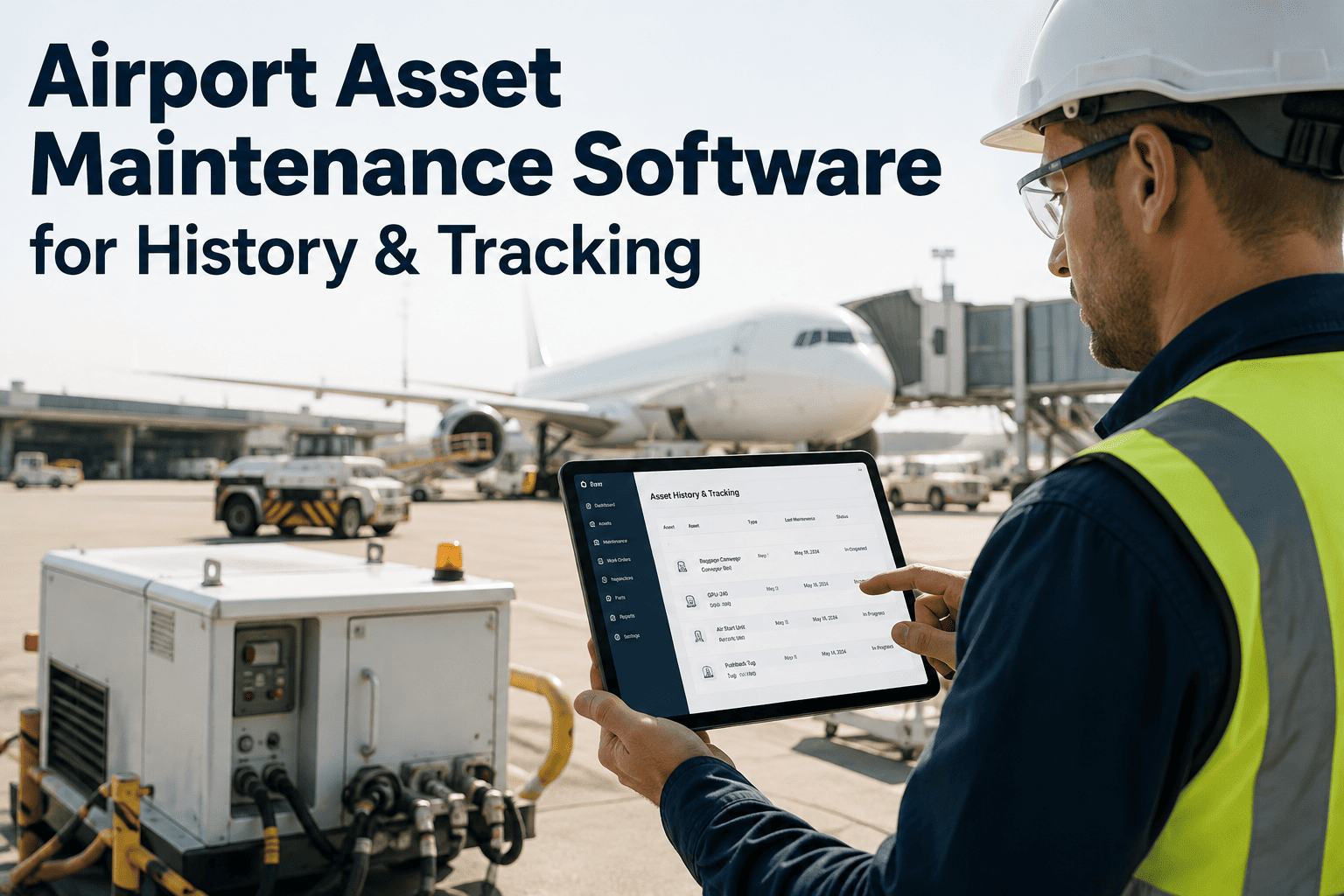
A ground power unit throws an unfamiliar fault code at 2 a.m., and the technician standing in front of it has eighteen months of experience, not eighteen years. The person who would have known exactly which procedure to pull, which torque spec applied, and which sensor usually caused that exact symptom retired last spring, and the knowledge left with him. What used to be a two-minute conversation across the shop floor is now a twenty-minute search through binders and PDFs that may or may not cover this specific asset, this specific fault, and this specific history of past repairs. iFactory's AI maintenance procedure recommendation software closes that gap by matching the asset, the symptom, and the equipment's own repair history against the right procedure automatically, and you can book a demo to see it recommend a procedure against your own fault data.
Give Every Technician the Judgment of Your Most Experienced One
iFactory recommends the exact maintenance procedure for the asset in front of a technician, built from the asset type, the failure symptom, the equipment's own repair history, and prior work order notes, so the right fix does not depend on who happens to be on shift.
Airport Maintenance Is Losing Its Most Experienced Diagnosticians Faster Than It Can Replace Them
The gap a retiring technician leaves behind is not just a headcount problem, it is a diagnostic reasoning problem. The instincts built over decades of seeing the same failure patterns on the same fleet of equipment rarely make it into a written procedure, which means every retirement quietly erodes how fast the remaining team can diagnose an unfamiliar fault. The figures below reflect what aviation and airport maintenance organizations report as this knowledge gap widens.
Four Sources of Context the Recommendation Is Actually Built On
A useful procedure recommendation is never generic. It has to reflect the exact asset in front of the technician, not a manufacturer average, which means the AI has to pull from several sources of context before it can recommend anything with confidence.
Asset Type and Model
The specific make, model, and configuration of the equipment, since the correct procedure for a 2015 GPU and a 2023 GPU are rarely identical even when the fault code looks the same.
Failure Symptom or Fault Code
The reported symptom, fault code, or sensor reading the technician is actually seeing right now, entered directly from the field rather than looked up separately after the fact.
Asset Repair History
Every prior work order, part replacement, and repeat fault logged against that specific asset, since a unit with a documented history of a recurring issue points toward a very different root cause than a first-time fault.
Technician and Work Order Notes
Free-text notes left by technicians on prior jobs, which often contain the informal observations, tested-around fixes, and field shortcuts that never make it into an official manual.
A Manufacturer Manual Was Never Written for Your Specific Fleet
Manufacturer documentation covers the equipment as it left the factory, not as it exists after years of field modifications, part substitutions, and asset-specific quirks that develop over a working life on the ramp. A GPU that has had its cooling fan replaced twice with a different supplier's part, or a belt loader that runs a slightly different firmware revision than the manual assumes, will not always behave the way the official troubleshooting flowchart expects. Experienced technicians learn to compensate for these gaps instinctively, cross-referencing what they remember about that specific unit against what the manual says, which is exactly the kind of tacit knowledge that disappears when they leave.
This is the reason a static PDF library, no matter how well organized, still leaves a new technician guessing. The manual tells you what should happen in theory, but it cannot tell you that this particular unit has thrown the same fault twice before and was fixed both times by replacing a connector the manual does not even mention. A recommendation engine built on the asset's own history closes that gap by learning from what actually happened on that equipment, not just what the factory documentation assumes.
From Reported Symptom to Recommended Procedure in Five Steps
The recommendation engine is designed to work the way an experienced technician actually reasons through a fault, starting from what is observed and narrowing down to the most likely cause and correct fix.
Technician Logs the Symptom
A fault code, an unusual sound, a warning light, or a sensor reading is logged against the specific asset directly from a mobile device on the ramp.
AI Matches Against Similar Past Faults
The system searches the equipment's own history and comparable assets in the fleet for prior instances of the same or a closely related symptom.
Repair History Narrows the Ranking
Prior parts replaced, prior repeat faults, and time since last service on that exact asset are weighed to rank the most probable cause first, not just the most common one.
Procedure and Reference Data Are Surfaced
The matching procedure, torque specs, safety precautions, and likely parts are pulled together into a single recommendation rather than requiring a separate manual lookup.
Outcome Feeds Back Into the Model
Whether the recommended fix resolved the fault is logged automatically, so the next technician who sees the same symptom benefits from what was learned this time.
Every Retirement Should Not Mean Starting the Diagnosis From Zero
iFactory turns decades of diagnostic experience into a recommendation every technician can access at the point of the fault. Book a demo and see a recommended procedure generated from your own fleet's fault history.
What Changes When Procedure Lookup Stops Depending on Tenure
A manual troubleshooting process is not necessarily wrong, it is simply slow and inconsistent, since it depends heavily on whichever technician happens to be available and how well the manuals happen to be organized that day. The table below sets the two approaches side by side.
| Factor | Manual Manual and Binder Lookup | iFactory AI Procedure Recommendation |
|---|---|---|
| Time to Find the Right Procedure | 15 to 30 minutes searching manuals and past work orders | Seconds, ranked by likelihood based on asset history |
| Dependence on Individual Experience | High, relies on whichever technician is on shift | Low, every technician sees the same ranked recommendation |
| Use of Past Repair History | Manual cross-check against separate work order logs | Automatically factored into the ranked recommendation |
| Capture of Field Knowledge | Informal, often lost when a technician leaves | Logged from work order notes and fed back into future matches |
| Repeat Fault Rate | Higher, since root cause is not always confirmed | Lower, since outcomes are tracked and used to refine ranking |
How a Recommendation Plays Out on the Ramp
A junior technician is dispatched to a belt loader reporting an intermittent motor stall. Two years ago, this exact model threw the same symptom across the fleet three separate times, and each time a different senior technician diagnosed it differently before landing on the same root cause: a worn drive belt tensioner that only failed under full load. None of those three diagnoses were written down anywhere a new technician would think to look.
With the symptom logged against this specific asset, the recommendation engine cross-references the fleet's history, surfaces the tensioner fault as the top-ranked probable cause, and attaches the correct replacement procedure along with the torque spec and the part number already used successfully the last three times. The technician completes the repair on the first visit instead of replacing the motor controller first, testing it, and discovering the actual cause a full shift later.
Every Procedure Comes With the Context a Technician Actually Needs
A useful recommendation is more than a document link. It bundles everything a technician would otherwise have to hunt down separately across multiple systems.
Step-by-Step Task Card
The specific repair sequence for this asset type and fault, not a generic manufacturer procedure that may not match the installed configuration.
Torque and Spec Reference
The exact torque values, clearances, and settings tied to the recommended procedure, pulled directly from the equipment's documentation.
Safety Precautions
Lockout, PPE, and hazard notes relevant to the specific repair, surfaced automatically rather than requiring a separate safety manual check.
Likely Parts List
The parts most commonly used to resolve this exact fault on this exact asset type, based on what has worked in prior repairs.
Similar Past Fault Matches
A short list of prior work orders with a matching symptom, so a technician can see exactly how the same issue was resolved before.
Confidence Ranking
A ranked list of probable causes rather than a single guess, so a technician always has a next step if the top recommendation does not resolve the fault.
Rolling Out Procedure Recommendations Without Slowing Down Live Repairs
The value of a recommendation engine depends entirely on the quality of the history it is built from, which is why iFactory's rollout starts with the fault types your team already sees most often rather than trying to cover every possible failure on day one.
Frequently Asked Questions About AI Maintenance Procedure Recommendations
Stop Losing Diagnostic Knowledge Every Time a Technician Retires
iFactory's AI procedure recommendation software puts decades of diagnostic experience in front of every technician, on every shift, for every asset. Book a demo and see it run against your own fault history.