A single narrow-body aircraft type carries more than 40,000 pages of maintenance documentation spread across AMMs, CMMs, service bulletins, and airworthiness directives, and when a technician can't find the right fault path fast enough inside that library, a diagnosis that should take 12 minutes stretches to 55. That gap repeats on every shift, every fault, every aircraft on the line, and it's a large part of why component removals without an actual fault behind them remain so common across the industry. Seeing what AI-guided diagnosis looks like against your own fleet takes about 30 minutes to walk through.
Give Every Technician The Diagnostic Judgment Of Your Best One
AI technician decision support reads equipment symptoms, maintenance history, procedures, and current asset condition together, then ranks the most probable causes before a single panel comes off. Less searching, fewer wrong-part removals, faster return to service.
A Technician Isn't Slow — The Documentation They're Searching Is Just Enormous
Nobody hands a technician bad judgment. What they hand them is a fault code, a write-up, and a documentation library built for completeness rather than speed. A single aircraft type's combined AMM, CMM, service bulletin, and airworthiness directive library regularly exceeds 40,000 pages, and none of it is organized around the specific symptom sitting in front of the technician right now. So the technician does what the job has always required: they search, cross-reference, call a colleague, search again. A fault path that a decision-support system can rank in seconds turns into the better part of an hour once it's a manual page-by-page hunt, and that hour repeats on every write-up, every shift, every tail number on the line.
Symptom Logged
A fault code, pilot write-up, or BITE message enters the system as the starting point for diagnosis.
Manual Cross-Reference
The technician searches the FIM, AMM, and any relevant ADs or SBs to find a matching fault-isolation path.
Best Guess Applied
Without ranked probability, the FIM's listed first cause is tried, even when history on that tail says otherwise.
Component Pulled
A part is removed and sent to the shop, sometimes only to test as fully serviceable once inspected.
No Fault Found Isn't A Rounding Error — It's One In Four Removals
A No Fault Found event happens when a component is removed on suspicion of failure, sent to the shop, and tested as fully serviceable. It isn't rare. Industry-wide, an estimated 25 to 30 percent of component removals end up NFF, and each one carries a real cost even though nothing was actually broken: shop testing labor, freight both directions, a spare pulled from stock to keep the aircraft flying, and a return-to-service delay while the real cause is still sitting undiagnosed on the aircraft. Probability-ranked fault isolation, where the system weighs symptom pattern against that specific tail's maintenance history before a technician commits to a removal, is the single change that moves this number the most, because it stops the guess from happening in the first place.
The Technicians Who Carry This Judgment Today Are Retiring Faster Than They Can Be Replaced
Boeing's 2026 Pilot and Technician Outlook puts the number plainly: the industry needs roughly 728,000 new maintenance technicians globally over the next two decades just to keep pace with fleet growth and retirements. In North America alone, close to a quarter of certified mechanics are over 64, and the training pipeline is not filling seats fast enough to offset who's leaving. That matters here specifically because fault-pattern recognition, the instinct a 20-year technician has for which of five possible causes is actually the real one, does not transfer through a job posting. It transfers through years on the floor, and a lot of those years are walking out the door faster than new ones are coming in.
Decision support built on your own fleet's fault and repair history is one of the few ways to make that judgment portable. A newer technician working alongside ranked, symptom-matched guidance reaches full diagnostic competency in roughly 4 to 5 months instead of the traditional 15, because the system is surfacing the same pattern-matching a senior technician would do from memory, just backed by actual maintenance records instead of recall.
Five Inputs Feed One Ranked Recommendation
A useful recommendation isn't a single lookup against a manual. It's several sources of context weighed together, the same way an experienced technician does it in their head, just done consistently and in seconds instead of relying on whoever happens to be on shift.
Current Fault Or Symptom
The write-up, BITE message, or fault code the technician is actually looking at right now becomes the starting query.
This Tail's Maintenance History
Prior write-ups, repeat squawks, and past corrective actions on that specific airframe are weighed alongside the current symptom.
Fleet-Wide Fault Pattern
How the same symptom has resolved across every other aircraft of that type in the operator's fleet, not just this one tail.
Current AMM, FIM, And AD Status
Procedures and directives are matched to the fault automatically, including any AD currently open against that airframe.
Ranked Recommendation Returned
The technician sees probable causes in order, with the supporting history behind each one, before deciding what to test or pull.
Every Guessed Removal Is A Cost You Can See Coming
iFactory's technician decision support ranks probable causes against your own fleet's fault history before a panel comes off, so the removal a technician makes is the one backed by data, not the one that happened to be listed first in the manual.
The Difference Isn't The Manual — It's What Happens Before The Panel Comes Off
The FIM itself doesn't change. What changes is how fast a technician gets from symptom to a confident, evidence-backed decision, and how much of that decision is guesswork versus pattern-matched history.
| Step In The Process | Manual Fault Isolation | AI-Guided Decision Support |
|---|---|---|
| Finding The Right Procedure | Technician searches AMM/FIM by symptom, often across hundreds of pages | Relevant procedure surfaced automatically against the logged symptom |
| Weighing Prior History | Depends on technician memory or manually pulling past work orders | Tail-specific and fleet-wide fault history factored into every recommendation |
| Cause Selection | First-listed cause in the FIM tried regardless of fit to this aircraft | Causes ranked by probability specific to this symptom and this tail |
| AD/SB Cross-Check | Manually cross-referenced against active directives, error-prone under time pressure | Open ADs and applicable SBs matched automatically to the fault in progress |
| New Technician Ramp | Roughly 15 months to reach independent diagnostic competency | Roughly 4 to 5 months with ranked, scaffolded guidance |
The FIM Was Never Designed To Learn From Your Fleet's Own History
A Fault Isolation Manual is deliberately generic. It's written once per aircraft type by the OEM, published to every operator flying that type, and updated on a fixed revision cycle rather than in response to what any one fleet is actually experiencing. That's by design, and it's also exactly why it can't be the whole answer. A fault pattern that repeats constantly on your specific aircraft, because of your route profile, your climate, or a component batch that's aging faster than expected, is invisible to a document that treats every operator's fleet the same. Decision support doesn't replace the FIM's procedures; it adds the layer the FIM was never built to provide, a live memory of what's actually been happening on your tails, weighed alongside the approved procedure every time.
This distinction matters most in the moments where a fault has more than one plausible cause. The FIM will list them in a fixed order, usually most-common-first across the entire fleet type worldwide. But the most common cause worldwide isn't always the most likely cause for the specific aircraft standing in the hangar right now. When a technician can see that this exact tail has had three prior write-ups pointing toward one particular LRU, that context changes the decision, and it's context no printed manual can carry.
Fault Isolation Looks Different By Aircraft System — Decision Support Adapts To Each
Not every system fails the same way, and not every fault carries the same downstream cost. Decision support is most valuable where symptom overlap between multiple possible causes is highest, since that's exactly where a guess is most likely.
Avionics And Electrical
Intermittent faults with overlapping symptom sets across multiple LRUs are the most common source of NFF removals, making ranked history especially valuable here.
Engines And APU
An unplanned engine event alone can tie up four to six technicians for two to four days and cascade into adjacent inspections, so getting the first diagnostic path right matters most here.
Hydraulics And Flight Controls
Faults here often share symptoms across several possible failed components, and a wrong first guess means a second removal cycle before the aircraft returns to service.
Airport And Ground Support Equipment
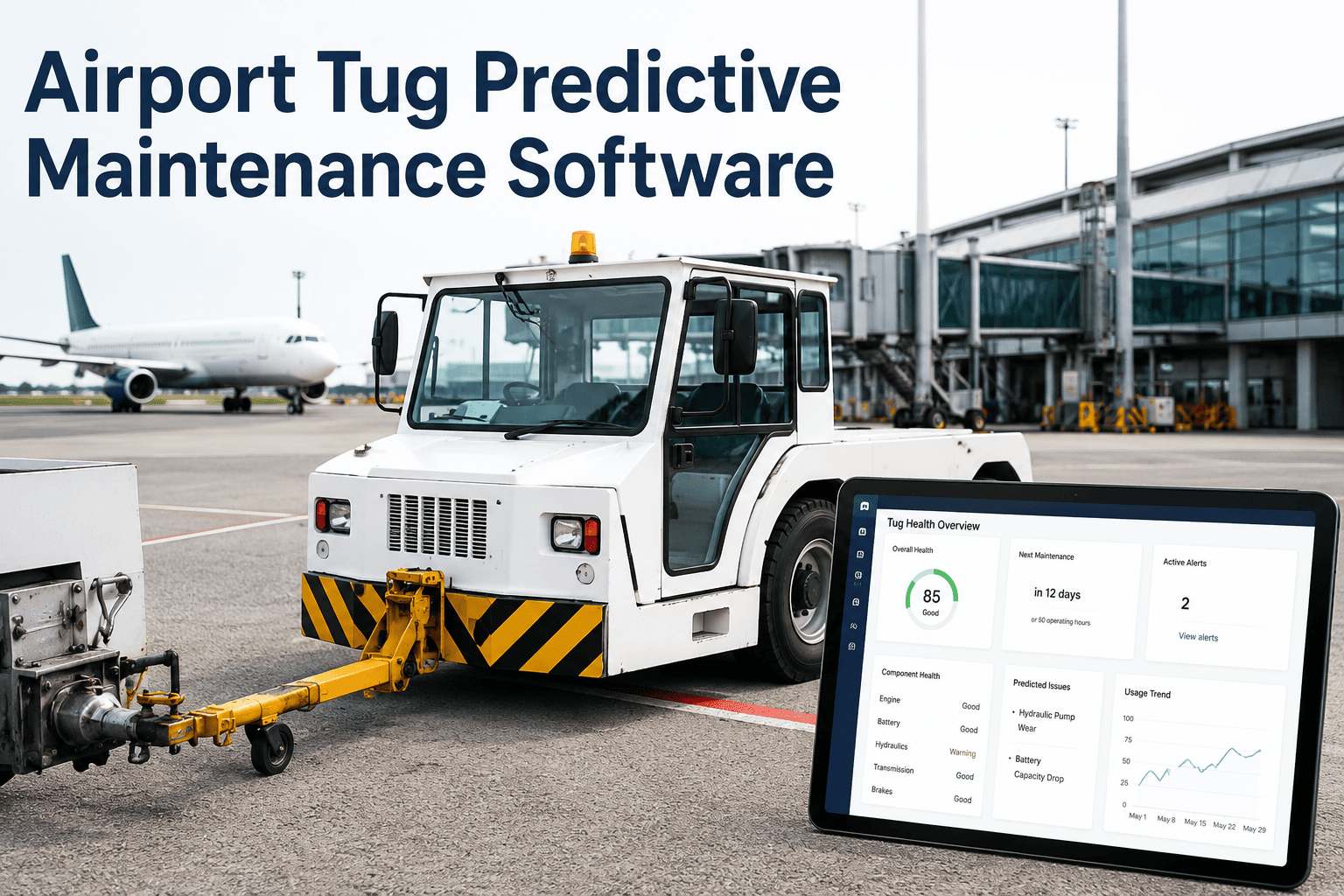
Tugs, GPUs, and de-icing rigs generate their own fault histories and AD-equivalent service bulletins that benefit from the same ranked, history-matched approach.
A Rollout That Builds Trust Before It Changes How Technicians Work
The fastest way to lose technician buy-in is to hand them a black-box recommendation with no visible reasoning behind it. A rollout that earns trust starts by showing its work, then expands as technicians see the ranked causes hold up against what they find on the aircraft.
Start by connecting the platform to your existing maintenance record system and AMM/FIM library, then run it in an advisory mode alongside current troubleshooting practice for a defined period, so every ranked recommendation can be checked against what technicians actually find. Once the match rate is visible and trusted, decision support becomes the default starting point for fault isolation rather than an optional second opinion, and new technician onboarding can begin leaning on it directly instead of waiting on shadow time with a senior mechanic.
Data connectivity is usually the longest step in the sequence, not the AI itself. Most operators already have the underlying records in a CMMS or maintenance tracking system; the work is mapping that history cleanly against tail numbers, component serials, and applicable AMM sections so the recommendation engine has something accurate to reason over. Fleets with clean, consistent record-keeping over the past several years typically move through this step fastest, while fleets coming off paper-based or fragmented digital records may need a data cleanup pass first. Either way, this groundwork only has to happen once, and every fault diagnosed afterward adds to the same growing history rather than starting from zero again.
Common Questions From MRO And Airport Maintenance Managers
Stop Letting A 40,000-Page Manual Decide How Fast Your Aircraft Return To Service
iFactory connects your maintenance history, AMM/FIM library, and fleet data into one ranked decision-support layer, so every technician on every shift starts a fault with the same evidence your best technician would use. Book a demo and see it run against a real fault from your fleet.