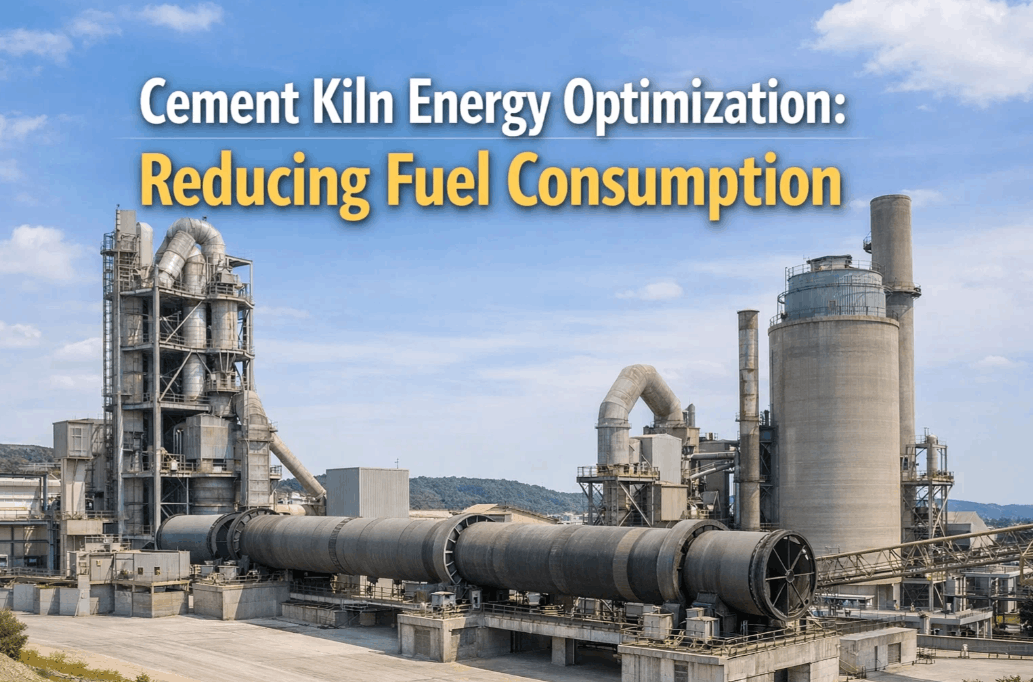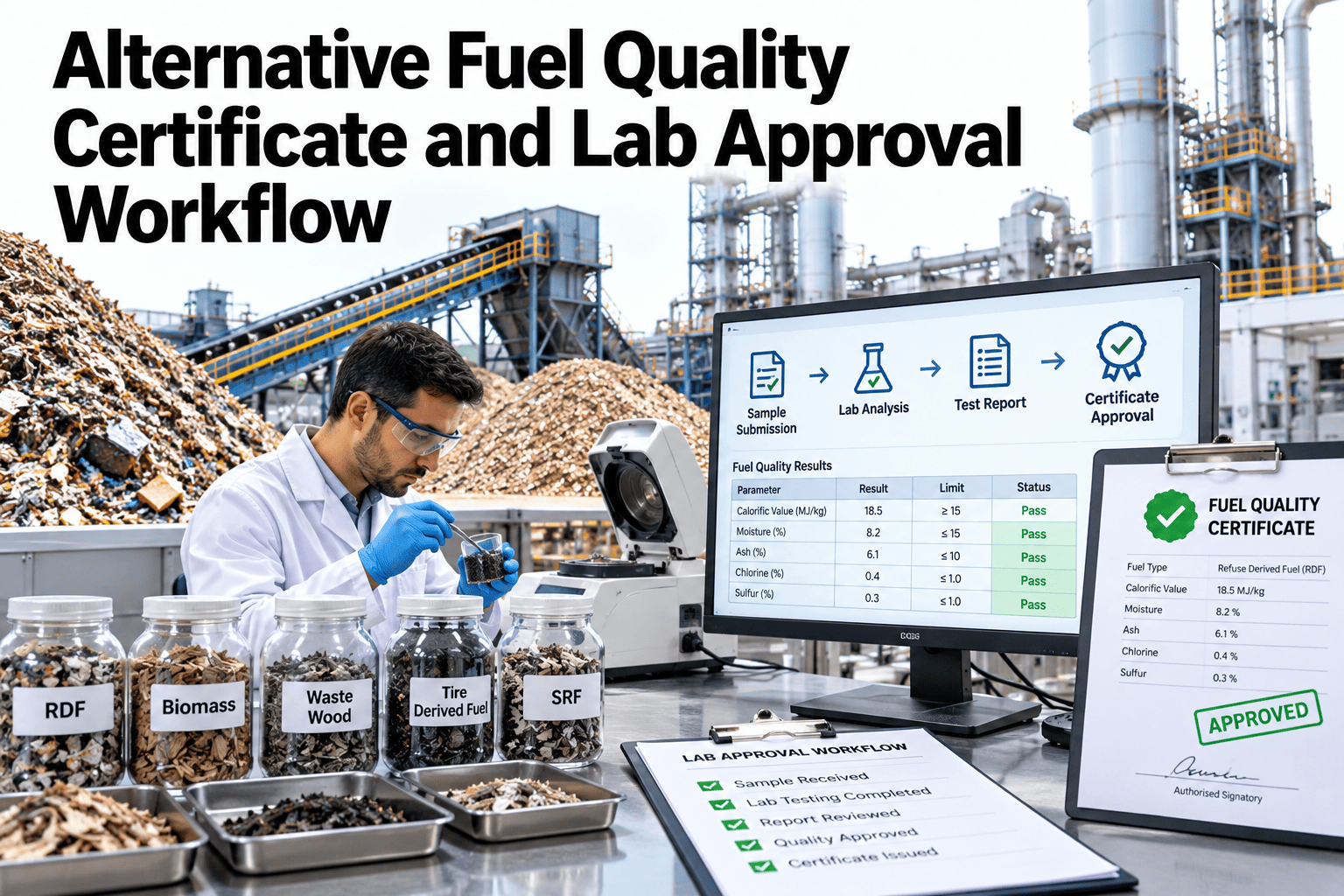
A load of refuse-derived fuel arrives with a certificate that says everything is fine, and the kiln team is asked to trust it. Whether that certificate is complete, whether it matches the sample the lab tested and whether anyone actually approved the batch before it was fed are questions a stack of PDFs rarely answers on its own. A defined approval workflow takes each certificate from intake through required-field checks, sample linkage and a visible approval status, with a clear path for exceptions and feedback to the supplier. Fuel quality and kiln teams can trace a fuel certificate from intake to approval on iFactory AI to see how the workflow would look for their own suppliers.
Don't Feed a Batch Nobody Actually Approved
iFactory AI takes each alternative fuel certificate through intake, sample linkage and approval, so every batch has a visible status before it reaches the kiln.
Certificate Intake: Where the Trail Starts
Certificates arrive through one defined channel, not scattered inboxes.
Each certificate ties to a specific truck, batch or load.
The intake time is recorded, not reconstructed later.
Required Fields: A Certificate Is Only as Good as What It Contains
| Field | Why It Matters | If Missing |
|---|---|---|
| Supplier and batch ID | Ties the document to a real delivery | Certificate can't be matched to a load |
| Calorific value | Drives the energy and cost comparison | Fuel can't be planned against |
| Moisture and ash | Affects burning and kiln feed behavior | Quality unknown, risk to the process |
| Chlorine, sulfur, heavy metals | Protects kiln operation and emissions limits | Compliance and process risk |
| Test date and method | Shows how current and comparable the result is | Result can't be trusted or compared |
See Your Own Certificates Checked Against These Fields
Bring a few recent fuel certificates to a 30-minute session and see how many would pass a complete-field check.
Sample Linkage and Approval Status
Plant lab samples the delivered fuel on arrival.
Result attached to the same batch as the certificate.
Differences between stated and tested values are flagged.
Approved, held or rejected, visible to everyone who needs it.
Exception Handling and Supplier Feedback
A Composite Scenario: The Certificate That Didn't Match the Lab
Picture a delivery where the supplier certificate states a calorific value well above what the plant lab later measures. The batch has already been fed, and nobody can say who accepted the certificate as sufficient.
With sample results linked to the certificate before approval, the mismatch would have put the batch on hold, and the discrepancy would have gone back to the supplier as documented feedback instead of a phone conversation.
Where iFactory AI Fits
Captures every certificate
Brings certificates into one tracked intake, linked to the delivery.
Checks required fields
Flags missing or incomplete information before a batch moves forward.
Links the lab result
Compares stated and tested values and shows the difference.
Tracks supplier performance
Shows exception patterns by supplier to support feedback.
Expert Review
A cement alternative fuel quality perspective, reviewed for accuracy before publication: the weak point in most alternative fuel programs is not the testing, it is the gap between the certificate, the sample and the decision to feed. Connecting those three records for a real delivery usually exposes where approvals currently depend on memory. Confirm specific integrations with your lab and procurement systems before relying on any workflow.
Frequently Asked Questions
What should an alternative fuel quality certificate contain?
Typically supplier and batch identification, calorific value, moisture and ash, chlorine and sulfur, relevant metals, and the test date and method. Exact requirements depend on your permit and process. See a required-field list matched to your own fuel types in a short session.
Why link the plant lab sample to the supplier certificate?
The certificate states what the supplier claims; the plant sample shows what actually arrived. Comparing the two on the same batch is how mismatches get caught before the fuel is fed. Ask for a walkthrough of how certificate and sample are linked on one batch.
How should out-of-range batches be handled?
By raising an exception against the specific batch, recording the decision and approver, and sending documented feedback to the supplier. A defined path avoids decisions being made informally and forgotten. Explore an exception path built around your own approval authority.
Does this connect to our existing lab and procurement systems?
Connecting to lab and procurement data is generally the aim, though the path depends on what your current systems support for data access. This should be confirmed against your actual tools. Try a compatibility review of your lab and procurement setup.
How does supplier feedback improve fuel quality over time?
When exceptions are recorded by supplier, repeat problems become visible and can be raised with evidence rather than anecdote. Suppliers tend to respond better to documented patterns than occasional complaints. Join a session on structuring supplier feedback from your own exception history.
Give Every Fuel Batch a Visible Approval Status
iFactory AI tracks fuel certificates from intake to approval and links them to lab results. Request a demo built around your own suppliers.