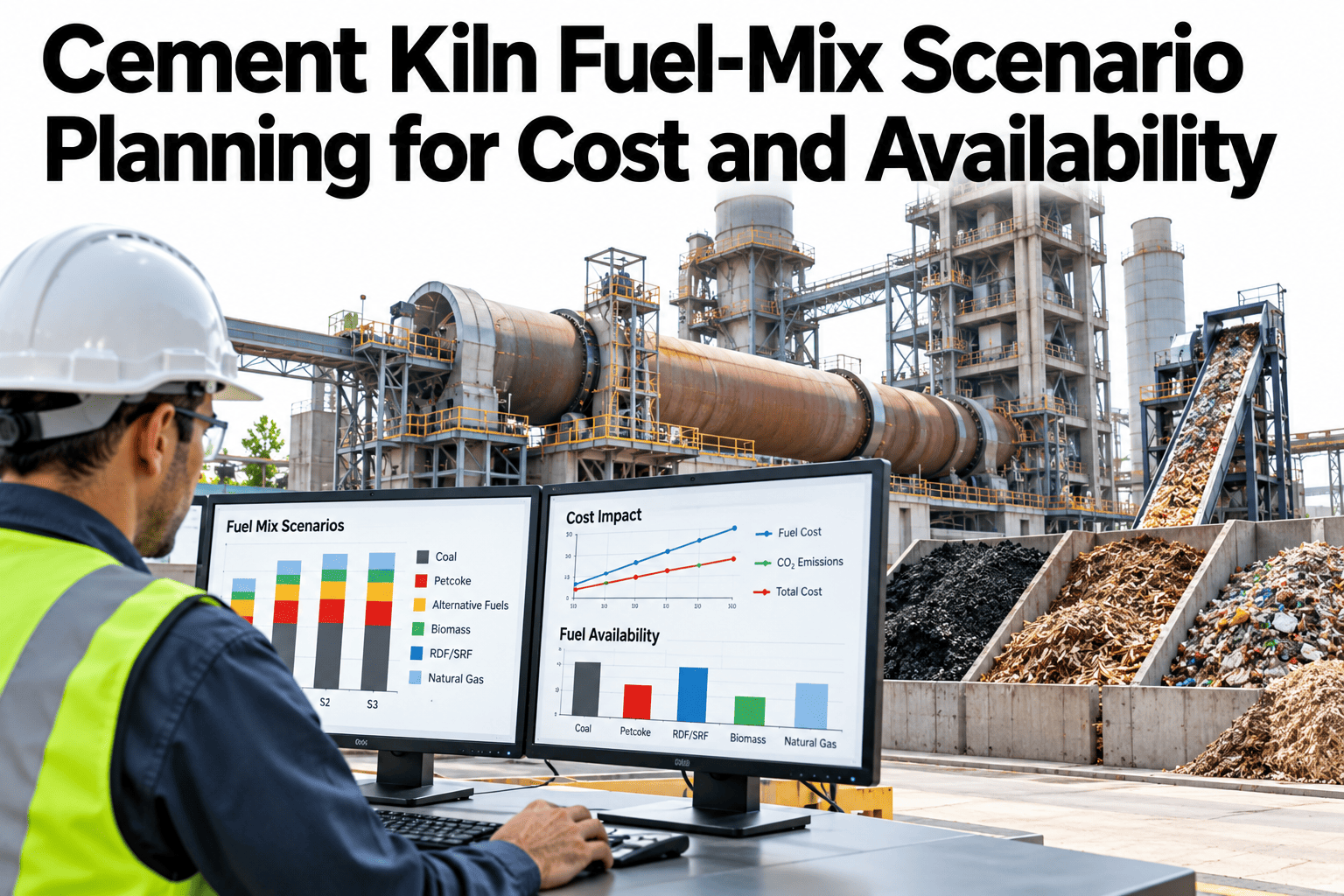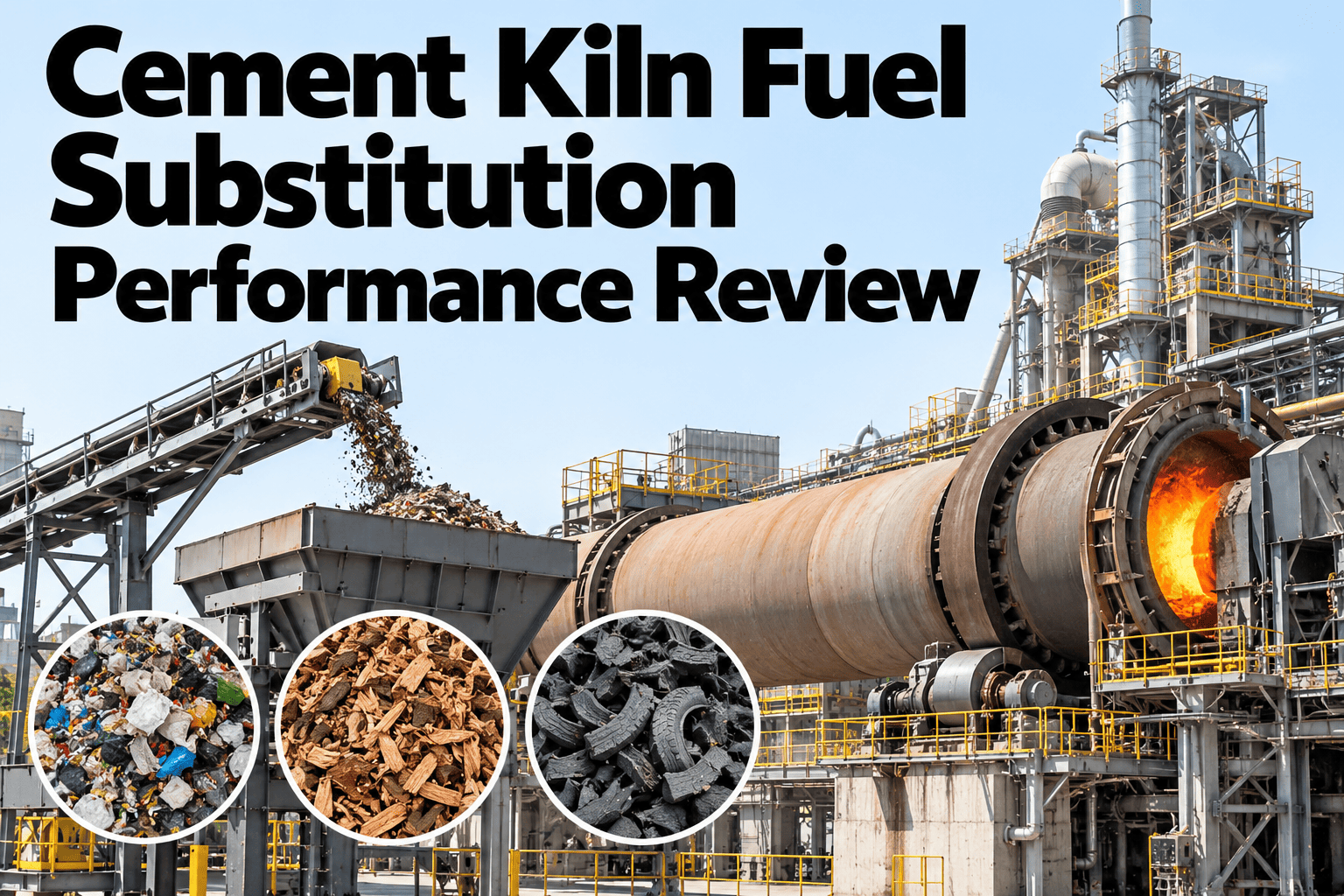
A fuel substitution rate that goes up every month looks like progress, until someone asks what happened to kiln stability, clinker quality and cost per tonne over the same period. A single headline figure can hide a process that is quietly working harder to hold the same output. A performance review lines up the substitution indicators against cost, stability and quality for the same period, compares one period with another, and ends in a short list of actions someone owns. Process and energy teams can run a fuel substitution review across periods on iFactory AI to see whether a rising rate is really a gain.
A Higher Substitution Rate Is Only Progress If the Kiln Agrees
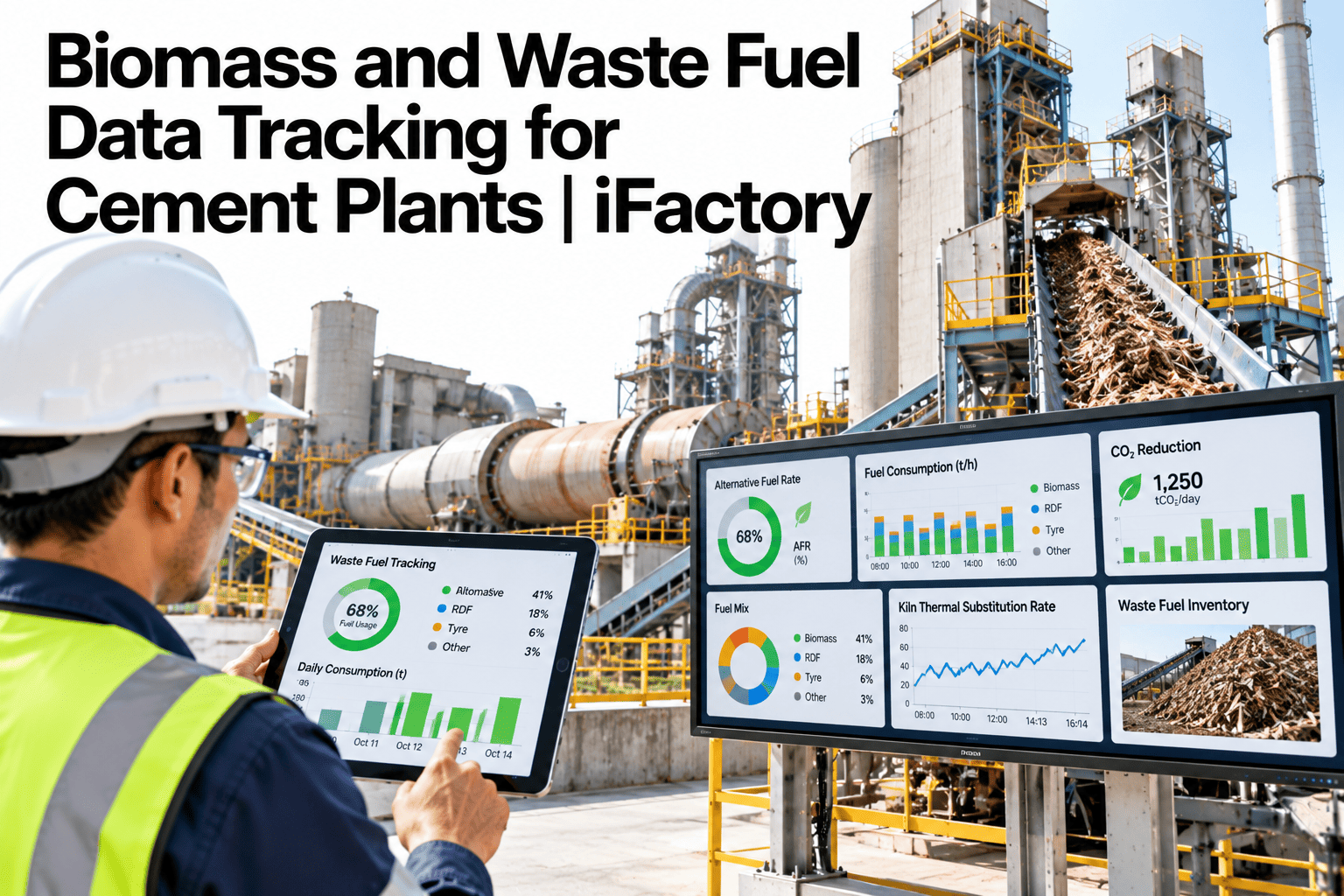
iFactory AI reviews substitution against cost, stability and quality for the same period, so the headline rate is read in context.
Fuel Substitution Indicators Worth Tracking
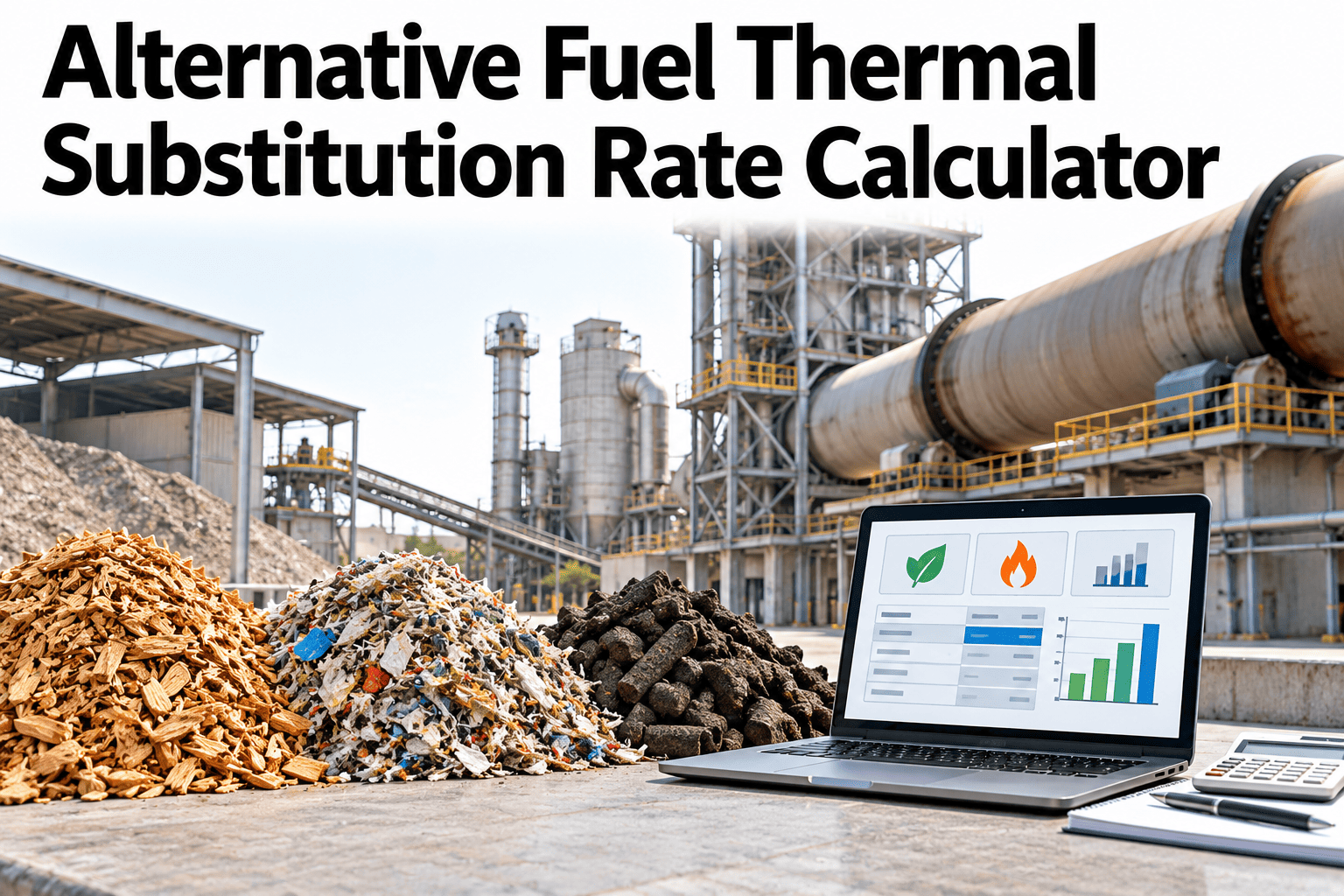
The share of kiln heat supplied by alternative fuels rather than conventional fuel.
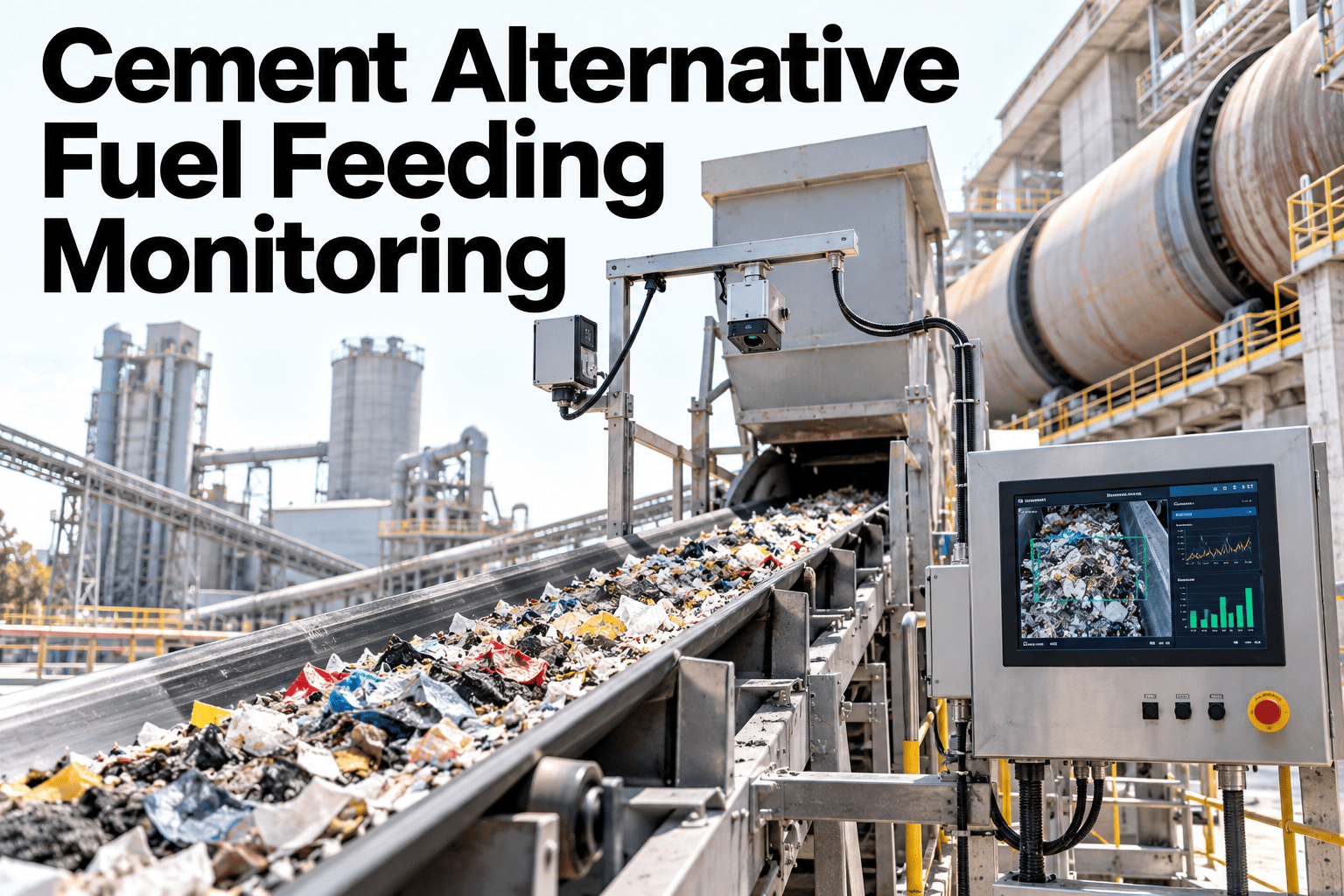
How steadily each alternative fuel is actually being fed.
Heat used per tonne of clinker, which can rise if fuel quality drops.
How often the alternative fuel feed trips or blocks.
Cost Context: What the Rate Alone Doesn't Show
| Question | What to Look At | Why It Matters |
|---|---|---|
| Is fuel cheaper per unit of heat? | Delivered cost per unit of usable energy | Substitution is not a saving if the energy cost is similar |
| Did handling cost rise? | Processing, storage and feed maintenance | Hidden costs can offset the fuel saving |
| Did emissions cost change? | Compliance and carbon-related cost per tonne | May shift the real benefit either way |
Read Your Own Substitution Rate in Context
Bring two recent periods of fuel and kiln data to a 30-minute session and compare them side by side.
Process Stability and Quality Checks
Period Comparisons: This Quarter Against Last
Review Actions: Ending With Someone Owning the Next Step
Where did stability or quality move against the rate?
Adjust feed, blend or supplier mix.
A named person and a date.
Confirm the action changed the result.
A Composite Scenario: The Rate That Rose While the Kiln Struggled
Picture a plant celebrating a substitution rate that climbed over three quarters. A contextual review shows specific heat consumption creeping up and fuel-feed stoppages becoming more frequent over the same period.
Seen together, the rising rate and the rising stoppage count point to a feed-system limit the plant had been pushing past, and the next action is a feed reliability fix, not a higher target.
Where iFactory AI Fits
Joins the indicators
Puts substitution, cost, stability and quality on one timeline.
Compares periods
Shows this period against the last with consistent definitions.
Flags the trade-offs
Highlights where a rate gain came with a process cost.
Tracks the actions
Records review actions and checks them against the next period.
Expert Review
A cement kiln operations perspective, reviewed for accuracy before publication: substitution rate is an easy number to report and an easy one to misread. The reviews that lead to real improvement are the ones that always show it beside heat consumption and stoppages. Reviewing two of your own periods side by side tends to be revealing. Confirm specific product capabilities and data connections against your plant before relying on a review process.
Frequently Asked Questions
What is thermal substitution rate?
It is the share of the kiln's heat input supplied by alternative fuels instead of conventional fuels, usually expressed as a percentage. It is a useful headline but should be read with cost and stability. See how your own substitution rate is currently calculated in a short session.
Why compare substitution against process stability?
Because pushing alternative fuel harder can strain the feed system and the burning zone, and the cost shows up as instability rather than in the rate itself. Reading them together reveals whether a gain is sustainable. Ask for a review of rate against stability for your own kiln.
How should two review periods be compared fairly?
Use the same definitions, the same data sources and, where possible, similar production conditions. Changes in product mix or raw material can distort a simple comparison. Explore how consistent definitions would be set for your reviews.
What data is needed for this kind of review?
Fuel feed rates, fuel quality results, kiln operating data, clinker quality and cost inputs. Much of this exists across existing systems, though how easily it connects depends on your setup. Try a data availability check for your fuel and kiln records.
How often should a substitution review happen?
Many plants review monthly with a deeper quarterly comparison, though the right rhythm depends on how quickly your fuel mix and process change. Join a session on setting a review rhythm for your plant.
Judge the Substitution Rate by What It Does to the Kiln
iFactory AI reviews substitution beside cost, stability and quality. Discuss your own plant's fuel performance with our team.