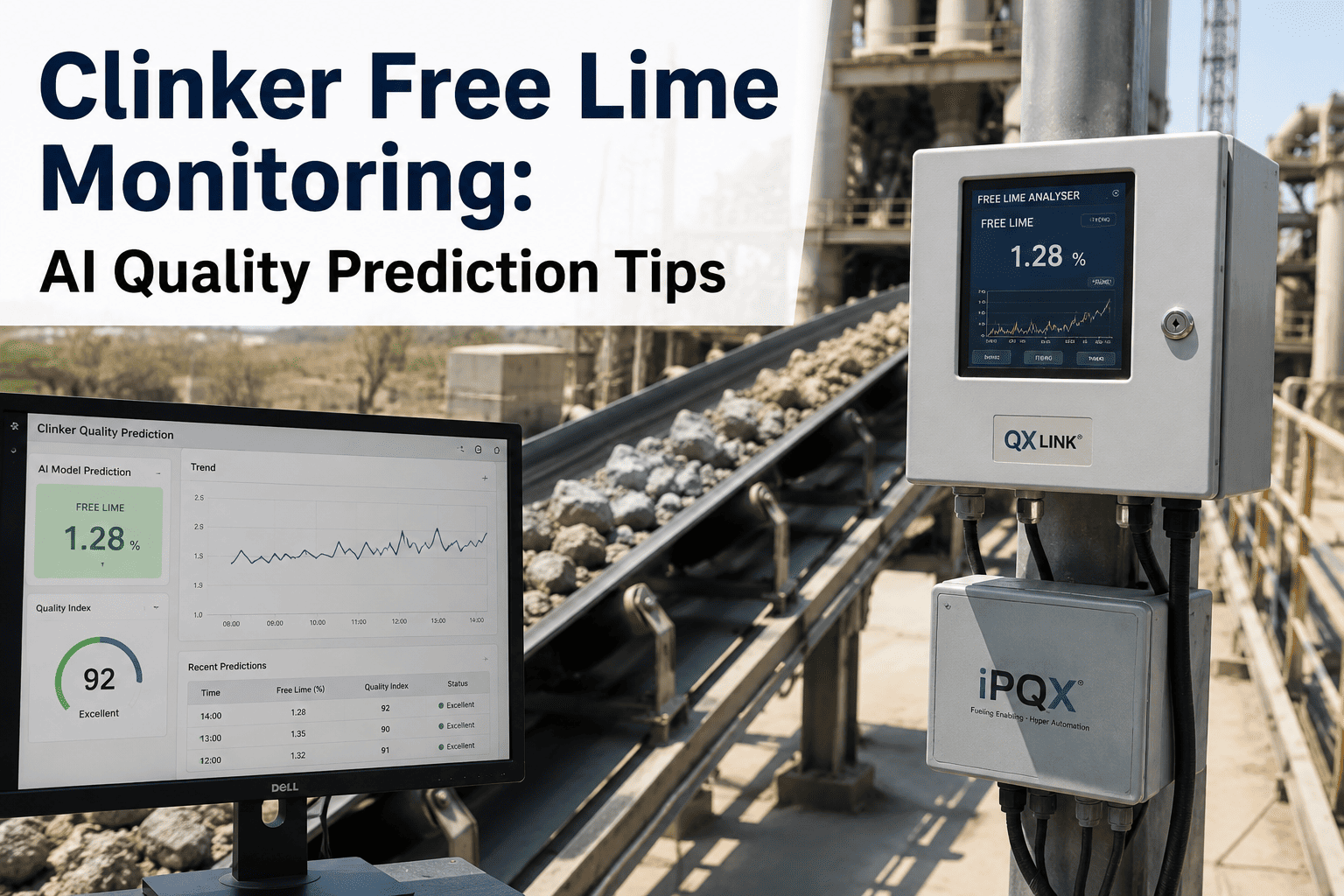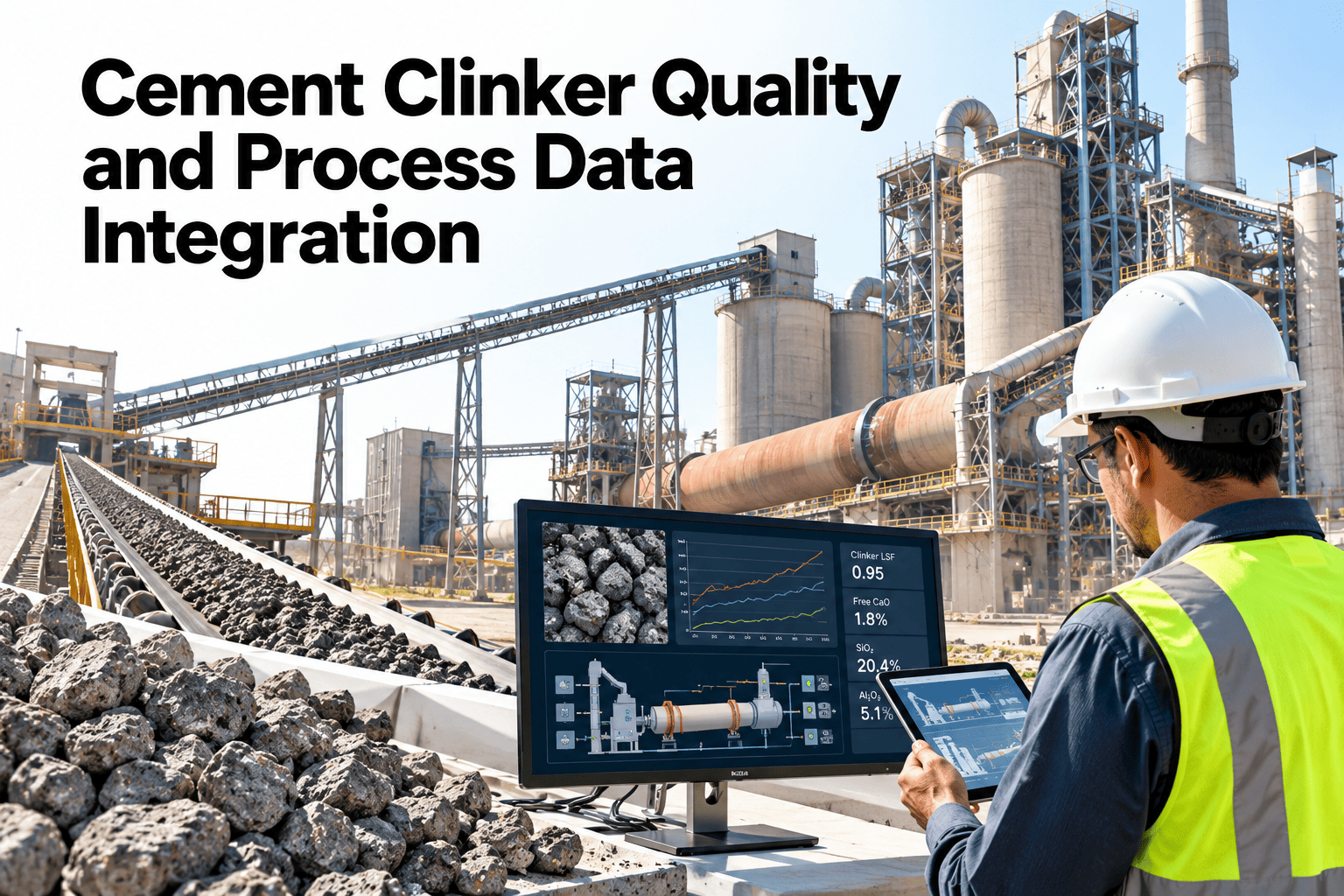
A free lime result that comes back high tells the lab something is wrong. It doesn't tell them which kiln shift, which raw mix batch, or which process parameter to look at first, unless that result is already connected to the production context it came from. Integrating quality test records with process and material batch data is what turns a free lime number into an investigation instead of a question mark. Quality and process teams can trace a clinker quality deviation back through process data on iFactory AI to see how the connection would work for their own records.
A Free Lime Number Alone Is Not an Investigation
iFactory AI connects clinker quality test records to the process and material batch data behind them, so a deviation review starts with context already attached.
Quality Test Records: What Should Travel With Them
A key indicator of burning degree and clinker reactivity.
Oxide composition confirming the clinker matches target design.
Setting time, strength development and related mechanical results.
Time, location and the production batch the sample represents.
Sample Traceability, Batch by Batch
| Record Type | What It Links | Why It Matters |
|---|---|---|
| Sample ID | Specific clinker batch or time window | Anchors the quality result to a real production moment |
| Process snapshot | Kiln conditions at the time the batch was made | Shows what the process was actually doing |
| Material lot | Raw mix and fuel batch used | Connects input variation to output quality |
| Downstream use | Where the clinker batch went afterward | Supports scope decisions if a deviation is confirmed |
See Your Own Quality Records Connected to Process Data
Bring a recent free lime deviation to a 30-minute session and trace the batch it came from.
Deviation Review, With and Without Context
A Quality Dashboard Built Around the Deviation Workflow
Test comes back outside the expected range.
Linked process and material data surface automatically.
Affected batches identified from the same batch record.
Outcome logged against the original test and batch.
A Composite Scenario: The Free Lime Spike With No Clear Source
Picture a free lime result spiking on a single batch, with the quality team unable to quickly determine whether it was a burning issue, a raw mix issue or a lab error, because each data source lives in its own system.
With process and material context already attached to the test record, the same spike shows, in one view, a kiln temperature dip at the matching production time, pointing the investigation in a specific direction within minutes.
Where iFactory AI Fits
Links test to batch
Connects every quality result to the specific production batch it represents.
Attaches process context
Surfaces kiln conditions from the same time window automatically.
Shows material lots
Connects raw mix and fuel batch data to the finished clinker result.
Supports the dashboard view
Keeps quality records organized around the deviation workflow, not scattered reports.
Expert Review
A cement quality systems consultant's perspective, reviewed for accuracy before publication: most clinker quality investigations I've seen lose their first hour just assembling the picture that should have come with the test result in the first place. Reviewing a recent deviation with context already attached shows the time difference immediately. Confirm specific integration capabilities against your plant's actual lab and process systems before relying on this for quality decisions.
Frequently Asked Questions
What does "process context" mean for a clinker quality result?
It generally means the kiln operating conditions, such as burning zone temperature, fuel rate and feed rate, that were in effect when the specific clinker batch being tested was produced. Attaching this to the quality result lets an investigator see what the process was doing without separately pulling kiln logs and manually matching timestamps. See what process context would be available from your own kiln data in a short session.
How are quality test records linked to a specific production batch?
This typically relies on consistent sample identification and timestamping at the point of sampling, matched against production and material tracking records. The reliability of this link depends heavily on how sampling and labeling are handled on the floor, which is worth reviewing before assuming a particular level of precision. Ask for a review of your current sampling and labeling process.
Can this connect to our existing LIMS or quality management system?
Integration with an existing lab or quality system is generally the goal, though the specifics depend on what that system supports for data access or export, and this should be confirmed directly against your plant's actual tools. Explore what your specific lab and quality systems would support.
How does this help scope a deviation once it's confirmed?
Because the quality result is linked to a specific production batch and time window, the batches that share the same raw mix lot or process conditions can often be identified more precisely than a broad assumption, which supports a more targeted disposition decision rather than treating an entire production run as suspect. Try a review of how batch scoping would work with your production records.
Does integrating this data require changes to how the lab works today?
Some adjustment to sample labeling or timestamping discipline is often needed to get reliable links between test records and production batches, but the core lab testing process itself typically doesn't need to change. The scope of adjustment depends on your current practices. Join a session that reviews what would change in your lab's current workflow.
Give Every Quality Result Its Production Context
iFactory AI connects clinker test records to the process and material data behind them. Request a demo built around your own plant.