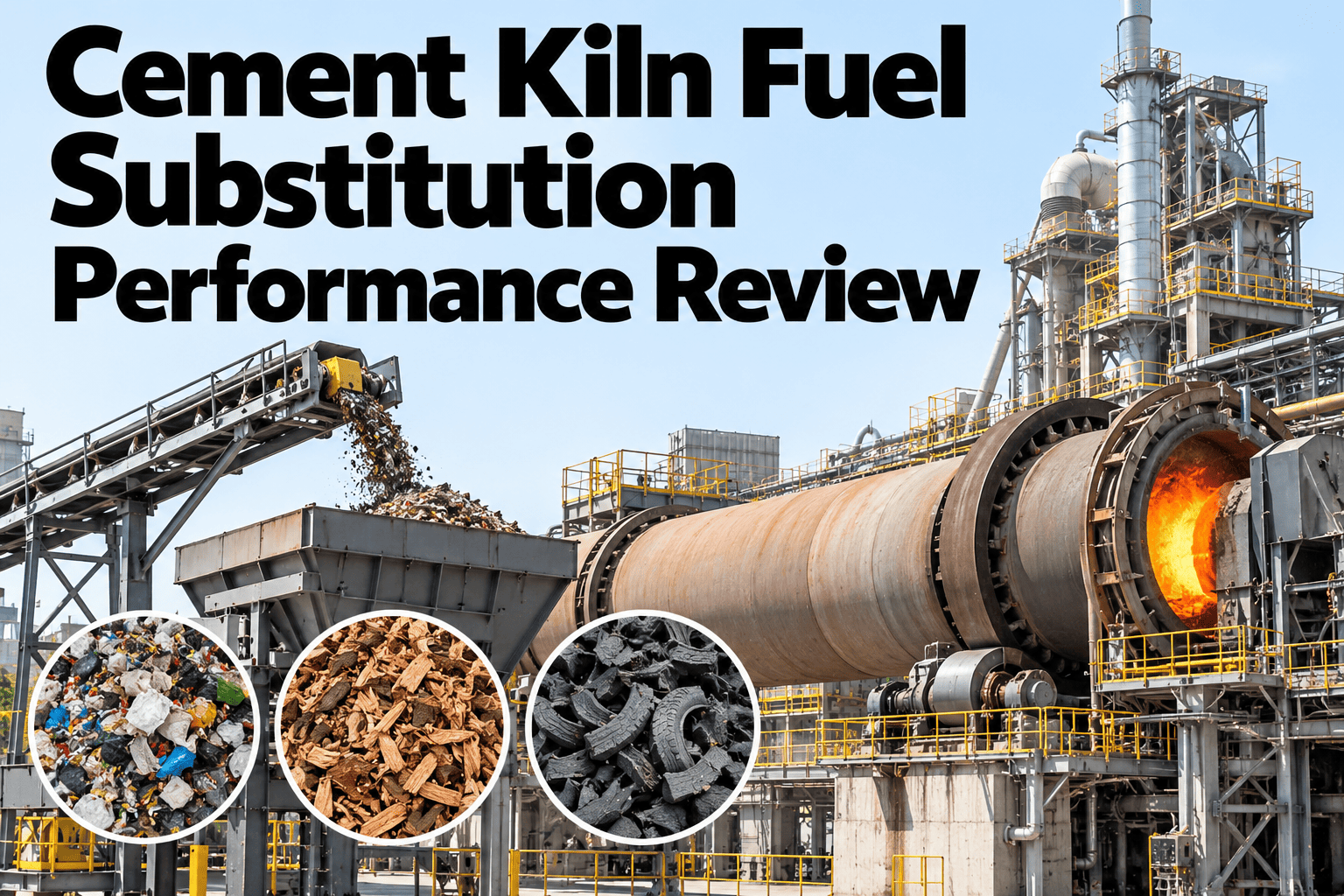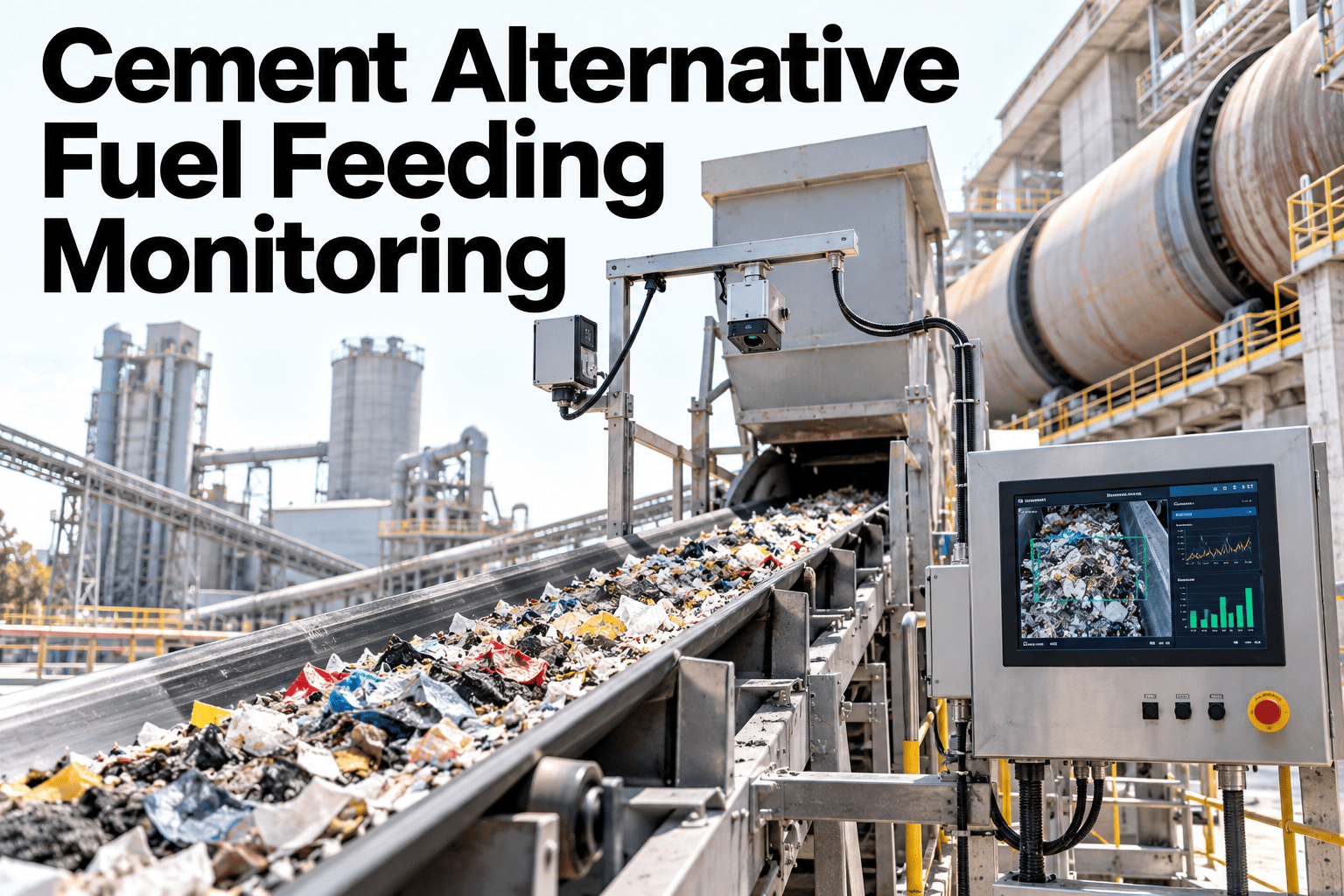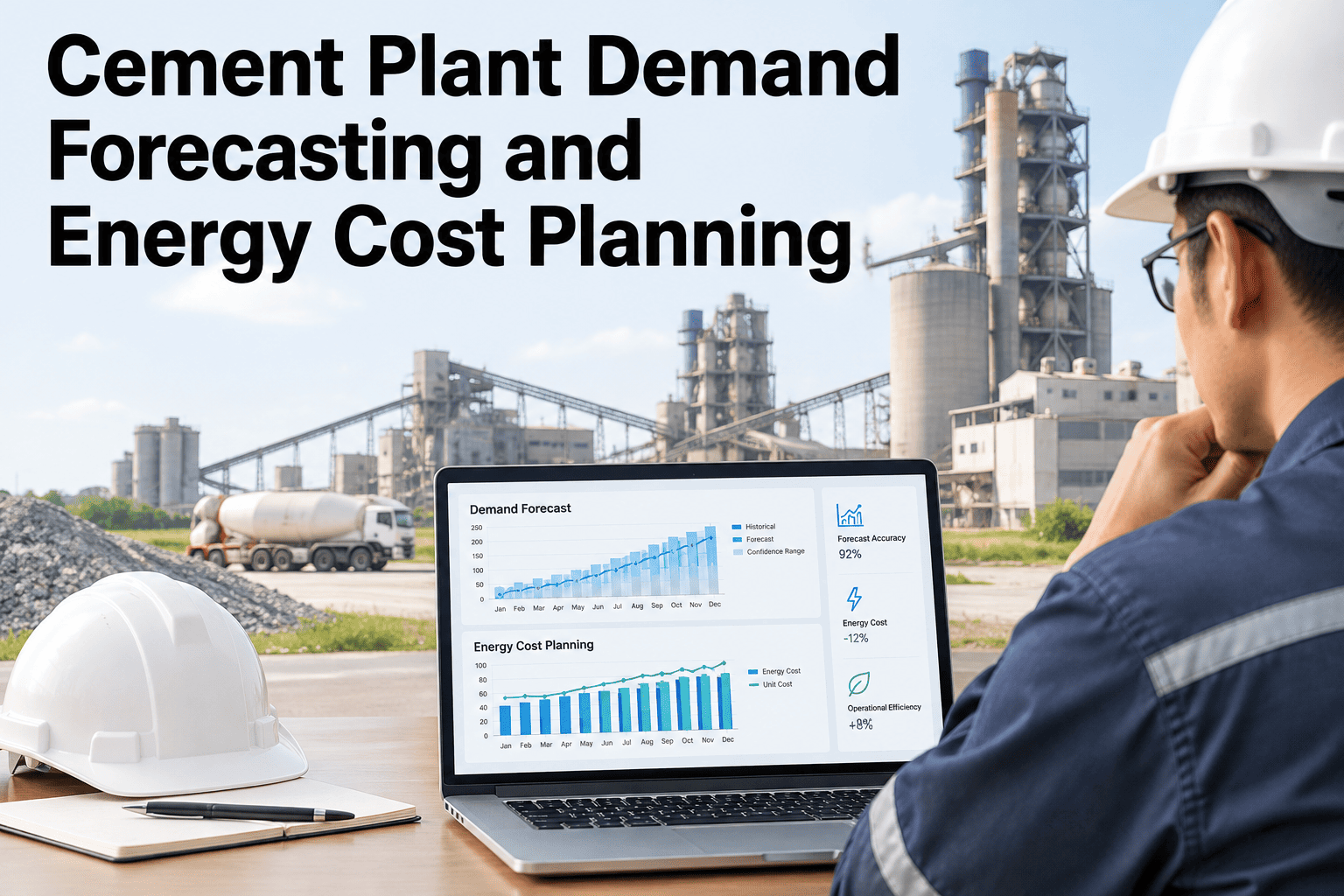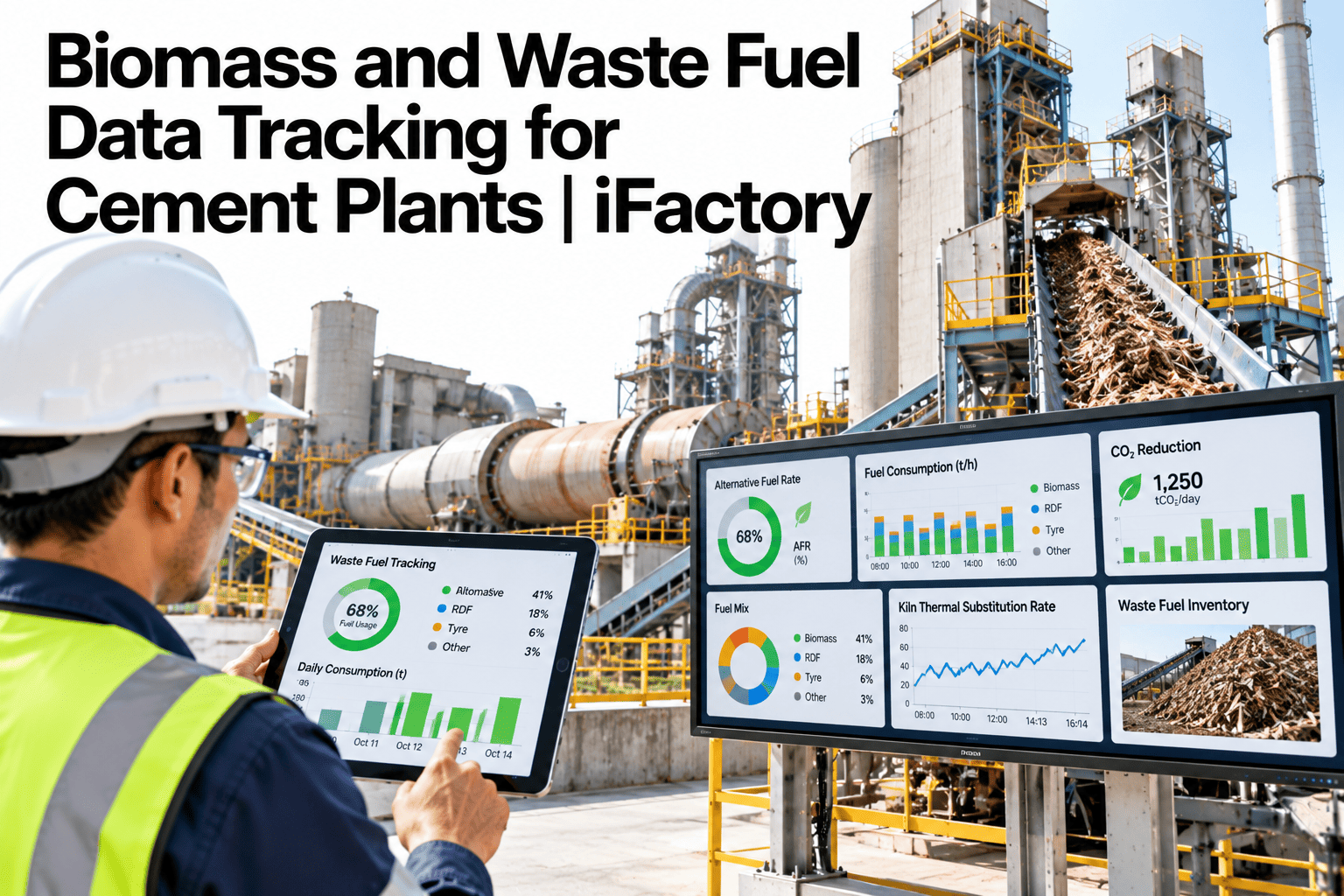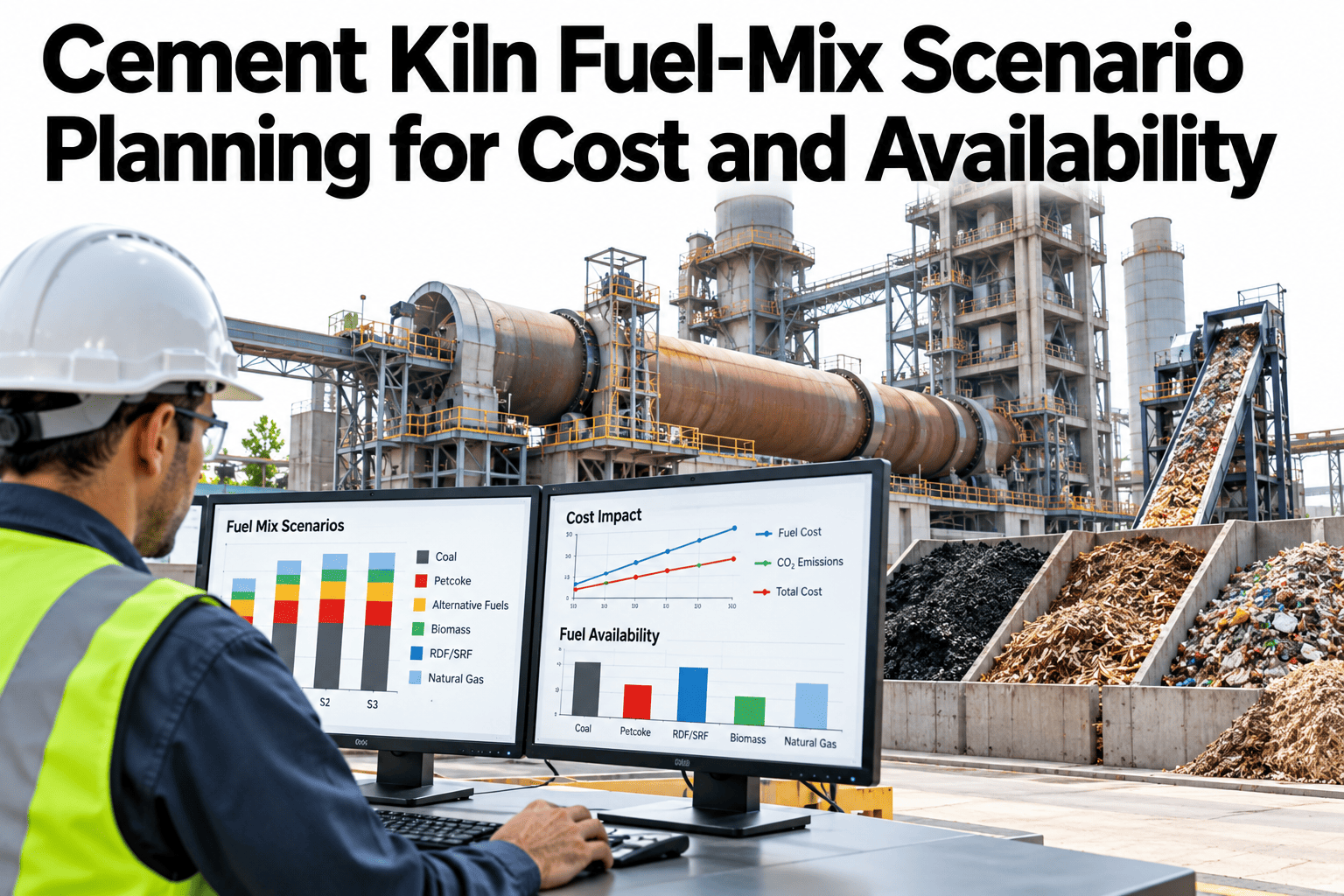
A fuel-mix decision made on last month's prices and this week's optimism tends to fall apart the first time a supplier misses a delivery. Alternative fuel looks cheaper on a per-tonne basis until its calorific value, its availability and the kiln's tolerance for it are all put on the same page. Scenario planning lays out several possible fuel mixes side by side, with the cost inputs, the availability assumptions and the operating limits written down, so the choice can be reviewed and approved instead of improvised. Fuel and process teams can build a side-by-side fuel-mix scenario with iFactory AI using their own inputs before the next procurement cycle.
Compare the Fuel Mixes Before the Supplier Misses a Delivery
iFactory AI lines up cost, availability and kiln constraints for each fuel-mix scenario, so the decision is reviewed instead of improvised.
Fuel Cost Inputs: What Goes Into the Comparison
Purchase price plus transport, handling and any gate fees or credits.
Shredding, drying or blending needed before the fuel can be fed.
Any carbon or compliance cost that differs between fuel types.
How far each fuel's price has moved over the past planning periods.
Calorific-Value Normalization: Comparing on Energy, Not Weight
A tonne of one fuel is not a tonne of energy equal to a tonne of another. Normalizing every fuel to cost per unit of delivered heat is what makes a comparison honest.
| Step | What Happens | Common Gap |
|---|---|---|
| Take the as-received value | Use the lab-measured net calorific value of the fuel batch | A supplier's stated value is used instead of the tested one |
| Adjust for moisture | Account for the moisture the kiln actually has to evaporate | Moisture ignored, overstating usable energy |
| Convert to cost per unit of heat | Divide delivered cost by usable energy | Compared per tonne, which hides the real difference |
Put Your Own Fuels on the Same Energy Basis
Bring recent fuel prices and lab values to a 30-minute session and compare them per unit of heat.
Availability Assumptions: The Part That Breaks Plans
What a supplier is actually committed to deliver.
How often past deliveries arrived on time and in full.
How many days of fuel can be held on site.
What the kiln runs on if the alternative fuel doesn't arrive.
Scenario Comparison and Operational Constraints
The Approval Record
A scenario only becomes a decision once someone signs off on it. Keeping the inputs, assumptions and approver in one record means the choice can be explained months later.
A Composite Scenario: The Cheap Fuel That Wasn't
Picture a plan that shifts toward a lower-priced alternative fuel based on cost per tonne. Once calorific value and moisture are normalized, the fuel's cost per unit of heat is close to the coal it replaced, and a delivery gap forces an emergency purchase at a premium.
A scenario comparison with normalized energy cost and a written fallback would have shown the thin margin and the supply risk before the commitment was made.
Where iFactory AI Fits
Normalizes fuel energy
Brings lab values and moisture into one cost-per-heat basis.
Holds the assumptions
Keeps availability and price assumptions visible beside each scenario.
Checks operating limits
Flags where a scenario pushes against kiln constraints.
Keeps the approval trail
Records who approved which scenario, on what inputs.
Expert Review
A cement thermal energy perspective, reviewed for accuracy before publication: the most common weakness in alternative fuel planning is comparing fuels per tonne and treating supply as certain. Putting energy-normalized cost and a written fallback in the same document usually changes which scenario looks best. Laying your own scenarios side by side is the quickest way to see it. Confirm specific product capabilities and integrations against your plant's systems before relying on this for a fuel decision.
Frequently Asked Questions
Why compare fuels per unit of energy instead of per tonne?
Different fuels carry very different amounts of usable heat per tonne, so the cheapest tonne is not always the cheapest energy. Normalizing to cost per unit of delivered heat, after adjusting for moisture, puts every fuel on the same footing. See your own fuels compared on a per-heat basis in a short session.
How should supply risk be built into a fuel-mix scenario?
By writing down contracted volumes, delivery history, on-site storage days and a fallback fuel for each scenario. A scenario that only works when every delivery arrives on time is a fragile plan. Ask for help stress-testing a scenario against past delivery gaps.
What kiln limits typically cap alternative fuel use?
Common limits include feed-system capacity, chlorine, sulfur and alkali levels, flame stability and emission or permit boundaries. The actual limits are specific to your kiln and permit. Explore how your own operating limits would be captured per scenario.
Can scenario planning use data from our existing systems?
Often yes, since fuel purchase prices, lab results and kiln operating data usually already exist across procurement, lab and process systems. How easily they connect depends on your specific setup and should be confirmed first. Try a data readiness check for your fuel planning inputs.
Why keep an approval record for a fuel-mix decision?
Because fuel choices affect cost, emissions and kiln stability, and someone will eventually ask why a mix was chosen. A record of inputs, assumptions and the approver makes the decision explainable and repeatable. Join a session on structuring an approval record for your plant.
Decide the Fuel Mix Before the Supply Gap Decides It
iFactory AI compares fuel-mix scenarios on energy, availability and kiln limits. Discuss your own plant's fuel planning with our team.