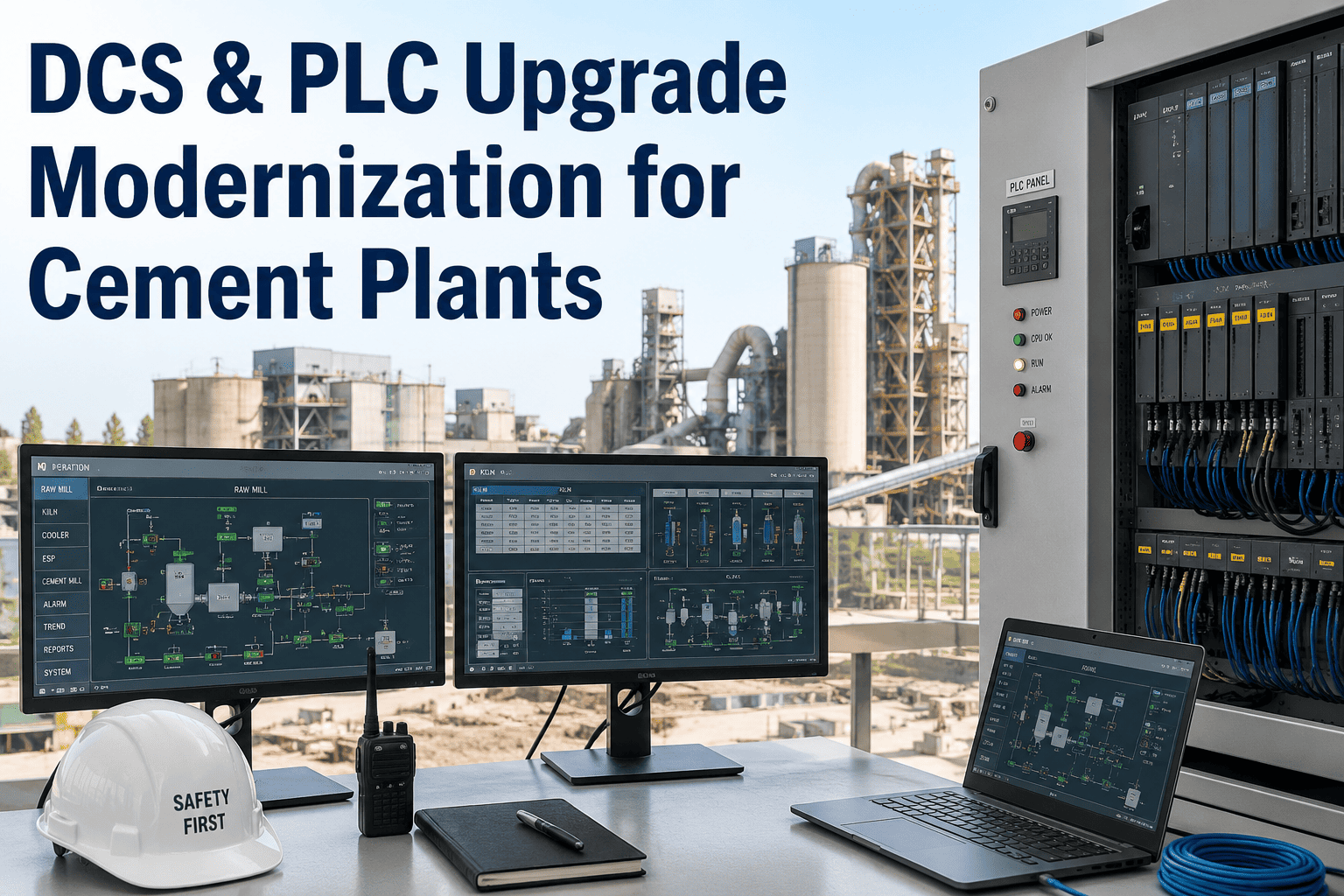
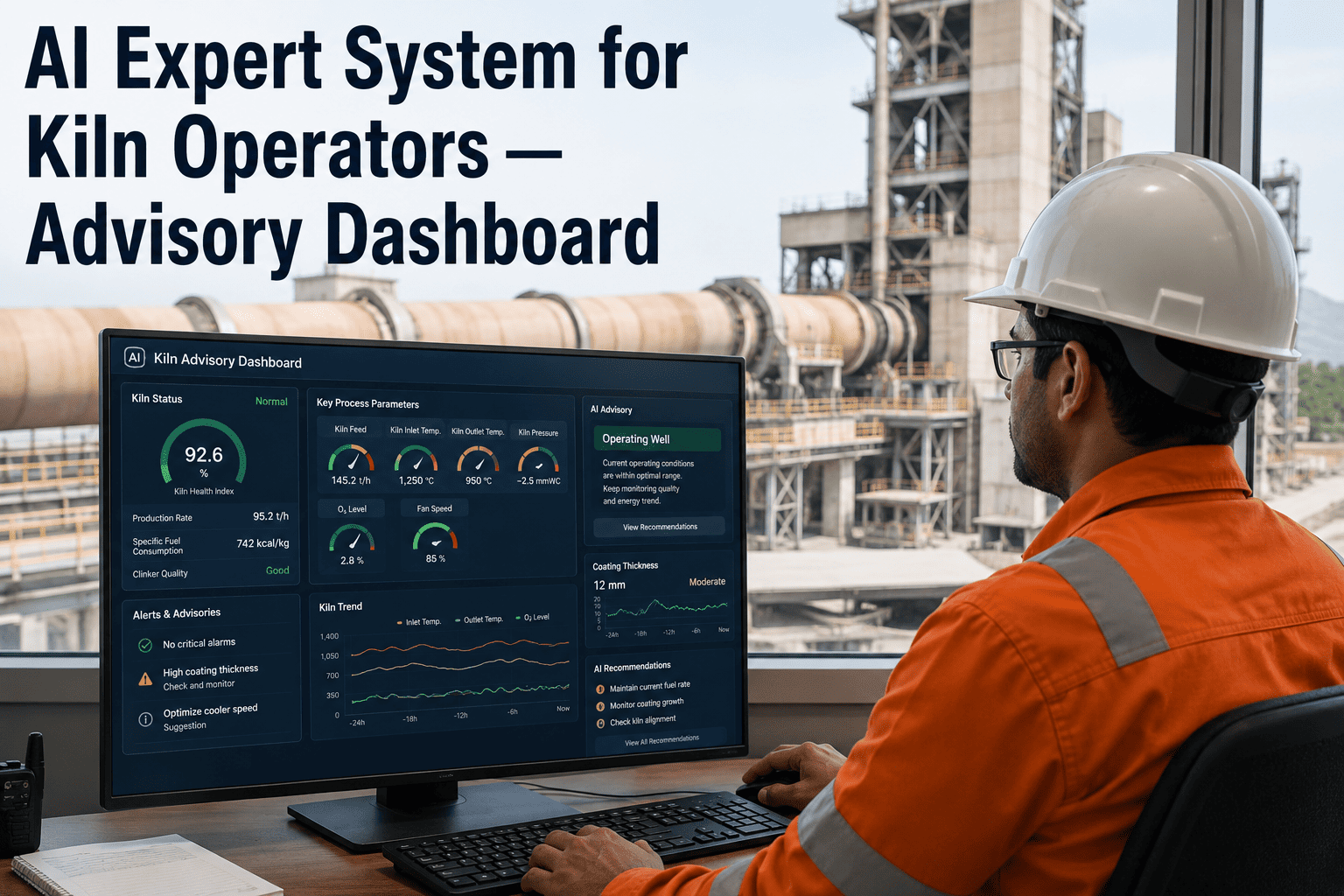
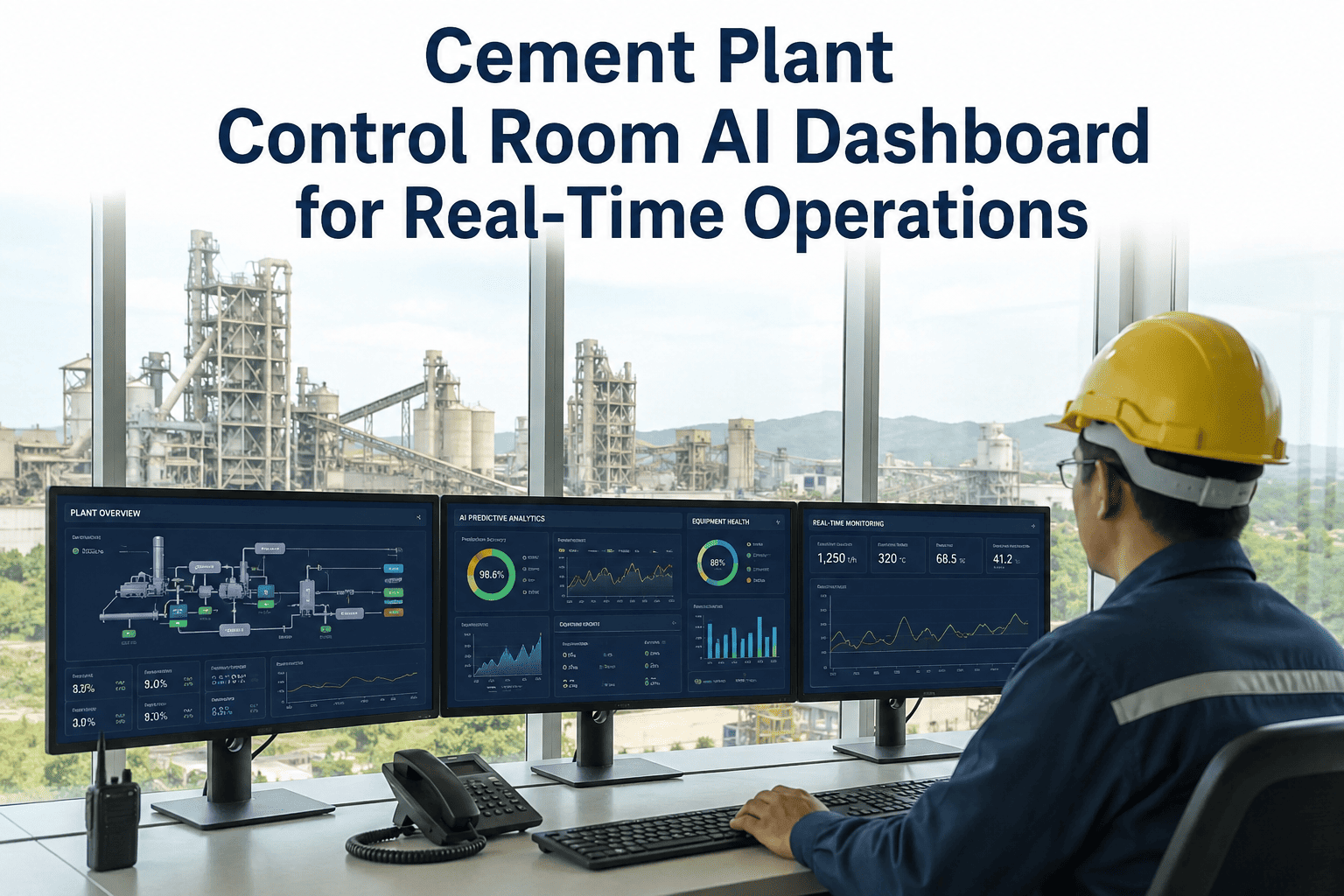
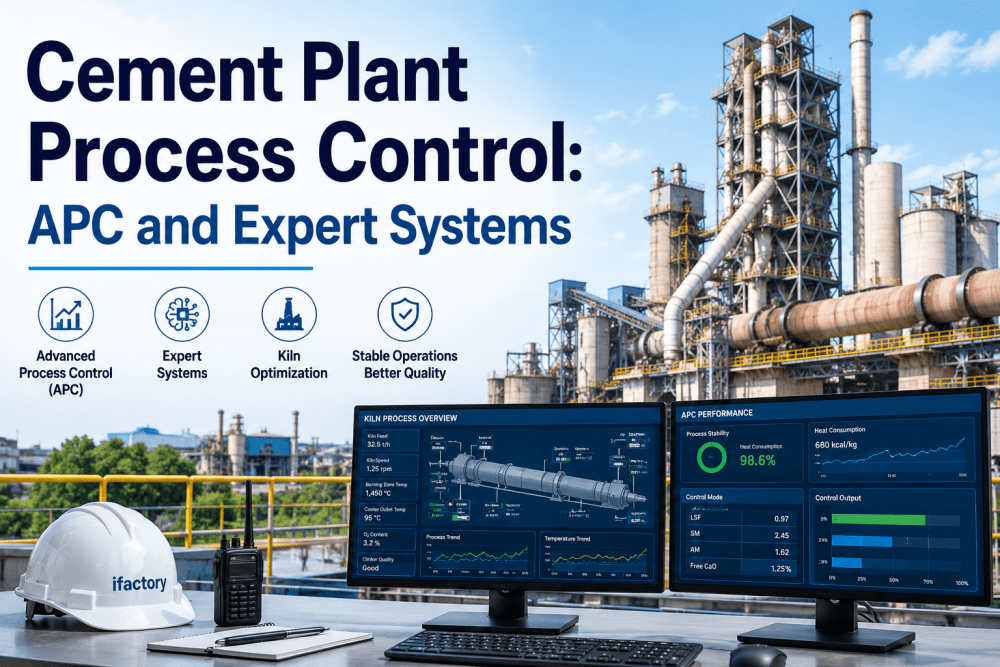
A control room technician spends twenty minutes hunting eBay for a discontinued processor card because the original manufacturer stopped making it twelve years ago. This is not a rare event — it is Tuesday at hundreds of cement plants still running DCS and PLC platforms installed in the 1990s and early 2000s. The mill keeps grinding, the kiln keeps turning, and underneath it all a control system nobody can fully repair is one card failure away from an unplanned shutdown. Book a demo to see how a modernization roadmap is built for a legacy control environment like this.
AUTOMATION & CONTROLS · DCS/PLC MODERNIZATION
Your Cement Plant's Brain Is Running on Parts Nobody Makes Anymore
Legacy DCS and PLC platforms don't fail gracefully — they fail expensively, at the worst possible moment, with no spare part on the shelf. A structured modernization roadmap replaces the risk before it becomes the emergency.
8–15%Additional Throughput From Modern PID and Cascade Control Tuning
3–5×Cost Premium for Sourcing Obsolete Spare Parts vs. Modern Equivalents
$200K–$600KTypical Control Migration Cost for a Cement Mill Circuit
THE RISK NO ONE BUDGETS FOR
Obsolescence Doesn't Announce Itself — It Accumulates Until One Card Failure Stops the Line
A legacy control system rarely fails all at once. It fails one processor, one I/O card, one HMI workstation at a time, each event a little more expensive and a little harder to resolve than the last. Spare parts for discontinued platforms become unavailable or custom-fabricated at a steep premium over original cost, and the operators who understood the old system's quirks retire faster than replacements can be trained on hardware that hasn't shipped in two decades.
Every year a plant runs a legacy kiln or mill circuit on obsolete controls, it typically consumes measurably more energy than a digitally optimized counterpart — because relay logic and outdated PID loops cannot make the sub-second adjustments modern control platforms make routinely. The inefficiency is structural, not fixable with better maintenance scheduling.
RISK AUDIT
Five Signs Your Control System Has Crossed From "Old" Into "Liability"
01
Discontinued or "End of Support" Hardware
The OEM lifecycle page lists your PLC or DCS processor as discontinued, meaning no new units, no firmware updates, and support tickets that go unanswered.
02
Unsupported Operating Systems on HMI Workstations
Operator stations running Windows XP, Windows 7, or Server 2008 can no longer receive security patches, leaving a direct cybersecurity gap into the control network.
03
Personnel Who Understand the Platform Are Retiring
Institutional knowledge of a 30-year-old DCS lives in two or three people's heads, not in documentation — and that knowledge walks out the door at retirement.
04
Spare Parts Sourced From Refurbished or Grey Markets
Maintenance is buying used processor cards on secondary markets with no warranty, because the manufacturer stopped producing new ones years ago.
05
Safety and Diagnostic Gaps Against Current Standards
Legacy systems frequently lack the safety interlocks, redundancy, or diagnostic depth required by current safety standards — a gap that only shows up during an audit or, worse, an incident.
THREE PATHS FORWARD
Component Upgrade, Panel Upgrade, or Full Replacement — Choosing the Right Scope
Not every obsolescence problem needs a full DCS replacement. The right scope depends on how much of the architecture is still sound versus how much is structurally limiting. Getting this decision wrong in either direction — under-scoping a system that needs full replacement, or over-scoping a system that only needed component swaps — wastes capital budget that could fund the next plant priority.
Component-Level Upgrade
Replace specific failing or discontinued parts — a processor, an HMI, a batch of I/O modules — while keeping the overall architecture intact. Appropriate when the platform itself is sound and the driver is parts availability, not capability.
Panel Upgrade with Hardware Replacement
Swap the control hardware inside the panel — new PLC or DCS platform, new I/O, new HMI — while preserving existing field wiring and devices. Delivers a modern platform without the cost of rewiring the field.
Full System Migration
Complete conversion to a new hardware platform with new field infrastructure where needed. Reserved for systems where the underlying architecture itself is the limitation — not just individual components.
A Modernization Roadmap Should Tell You Which Path Fits Each System — Not Push One Answer for Everything
An automation modernization assessment maps every controller, HMI, and I/O rack against its lifecycle status, then recommends the least disruptive path that actually solves the risk — component upgrade, panel upgrade, or full migration, system by system.
HOW A MIGRATION ACTUALLY RUNS
From Assessment to Cutover — What a Phased DCS or PLC Migration Looks Like on the Ground
1
Lifecycle Assessment
Every controller, HMI, and I/O rack is mapped against manufacturer support status, spare parts availability, and remaining useful life to build the risk-ranked asset list.
2
Control Narrative Documentation
Existing control logic is captured in a control narrative — a plain-language record of what the system does — used as the validation reference for the new platform instead of the aging original system.
3
Parallel Build & Bench Testing
The new platform is configured and tested against the control narrative off-line, catching logic errors before anything touches live field wiring or a running kiln.
4
Phased Cutover in Maintenance Windows
Loops migrate in planned stages rather than a single event, with safety and critical process I/O prioritized and kept online throughout — most projects execute inside scheduled maintenance windows rather than requiring extended downtime.
5
Commissioning & Operator Training
Final validation confirms the new system matches the control narrative, followed by structured operator training on the new HMI before the legacy system is decommissioned.
BUDGET PLANNING
Why Waiting for a Failure Costs More Than Planning the Migration
The financial case for modernization is often misunderstood as a discretionary technology upgrade competing against other capital projects for budget. It isn't. It's risk transfer. A planned migration executed on the plant's schedule, with bench-tested logic and trained operators, costs a known, budgeted amount. An emergency replacement forced by an unrepairable processor failure costs whatever the vendor charges for expedited engineering, plus the production downtime while the plant runs in a degraded or manual state, plus whatever premium the secondary market demands for a part that was already scarce.
Plants that treat obsolescence as a lifecycle-managed risk — reviewing support status annually and budgeting migrations before end-of-life dates arrive — consistently spend less over a ten-year horizon than plants that wait for the failure to force the decision. The math favors planning every time; it's the timing discipline that most plants struggle to maintain against competing priorities.
CYBERSECURITY
Why Modernization and Cybersecurity Are the Same Project, Not Two Separate Ones
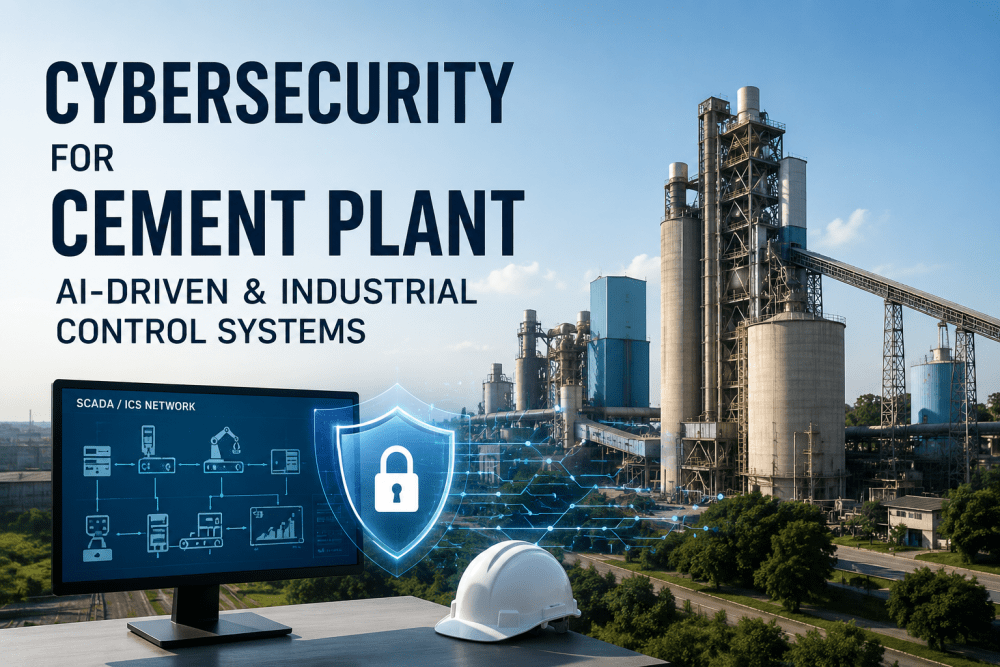
Legacy DCS and PLC platforms were designed for a plant network that was air-gapped by default. Today's plants run MES integration, remote monitoring, and cloud reporting — all of which route through a control network that legacy platforms were never built to secure. Unsupported operating systems on operator stations cannot receive patches against vulnerabilities discovered after the platform's end-of-life date, meaning every day the legacy system runs, its exposure window only widens.
A modernization project should fold in network segmentation, patched operating systems, and role-based access control as part of the same scope — not as a follow-on project scheduled for "someday." Retrofitting security onto a legacy platform after the fact is consistently more expensive and less effective than designing it into the migration from day one.
OPERATOR EXPERIENCE
The HMI Upgrade Operators Actually Notice on Day One
Modern HMI screens do more than look better — they reduce the cognitive load on an operator managing a kiln, mill, and cooler simultaneously during an upset. Alarm rationalization removes nuisance alarms that trained operators learn to ignore, which is exactly the failure mode that lets a real alarm get missed. Trend overlays, drill-down navigation, and consistent color coding across screens cut the time it takes a new operator to become proficient — a meaningful advantage as experienced staff retire and DCS-native training pipelines shrink.
Remote monitoring access, layered with proper authentication, also lets a process engineer or reliability manager check kiln stability from outside the control room without physically walking to the panel — a small convenience that compounds into real responsiveness during an unstable process condition.
FREQUENTLY ASKED QUESTIONS
What Plant Engineers Ask Before Committing to a DCS or PLC Modernization Project
How do we know if our control system needs a full replacement or just a component upgrade?
The answer comes from a lifecycle audit of every PLC, HMI, and I/O module against manufacturer support status, cross-referenced with how much of the underlying architecture is still structurally sound. If the platform itself supports modern protocols and expansion, targeted component swaps solve the obsolescence risk. If the architecture is the limitation, a panel upgrade or full migration is the better investment.
Book a demo to see how a lifecycle audit is scoped for your specific control environment.
Can a DCS migration happen without shutting down the kiln for weeks?
Phased migration is standard practice for continuous processes like cement kilns. Critical safety and process I/O stay online throughout the changeover, with the new platform validated against a control narrative before cutover rather than validated against the legacy system directly. Most migrations execute in planned maintenance windows rather than requiring an extended dedicated shutdown.
Contact automation support to discuss phased migration planning for your kiln and mill circuits.
What is the realistic payback period on a control system modernization project?
Payback comes from two directions at once: avoided emergency replacement costs at three to five times normal pricing when a critical component fails without warning, and process gains from modern control — typically single-digit to low-teens percentage throughput improvement from better PID tuning and cascade control that relay logic could never deliver. Most plants see combined payback inside three years, faster when an emergency failure is the alternative being compared against.
Do operators need extensive retraining after a DCS or PLC upgrade?
Some retraining is unavoidable, but modern HMI design is built around reducing that burden — consistent navigation, better alarm management, and trend visualization that map closely to how operators already think about the process. Migration projects that preserve the control narrative and involve operators in HMI screen design during commissioning see faster proficiency than projects that treat the HMI as purely an engineering deliverable.
Talk to automation support about operator training approaches used in past migration projects.
How does modernization address cybersecurity risk, not just parts obsolescence?
A modernization project scoped correctly folds in network segmentation, patched and supported operating systems on every HMI workstation, and role-based access control as part of the same migration — closing the exposure window that unsupported legacy platforms leave open. Treating cybersecurity as a bolt-on after the automation upgrade is typically more expensive and structurally weaker than designing it into the migration plan from the outset.
Book a session to review a combined modernization and cybersecurity scope for your control network.
BUILT FOR PLANTS RUNNING ON BORROWED TIME
Replace the Risk Before a Discontinued Card Replaces Your Production Schedule
A modernization roadmap maps every controller against its obsolescence risk and recommends the least disruptive path to a secure, supported control platform — without guessing which system fails first.