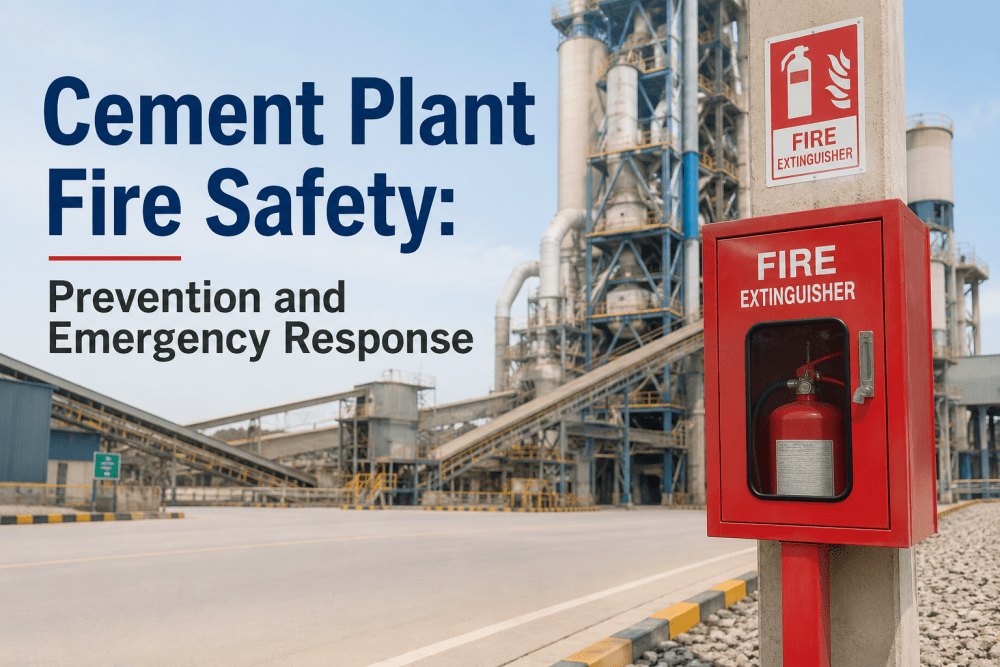
Coal dust doesn't need a spark to become a fire — it just needs enough time sitting above roughly 80°C for oxidation to do the rest, quietly, inside a bunker nobody is watching in real time. That's the uncomfortable truth about fire protection in a cement plant: the hazard zones are already known — coal mill, oil storage, electrical rooms, conveyor galleries — but the systems protecting them are only as good as the maintenance schedule behind them. A deluge valve that hasn't been function-tested in a year, or a smoke detector buried in cement dust, doesn't fail loudly. It fails silently, right up until the day it's needed. This guide walks through what a complete fire protection maintenance program actually covers across every hazard zone, and you can see how continuous monitoring closes the gaps a testing calendar alone can't when you book a walkthrough of your fire safety systems.
FIRE PROTECTION · DETECTION · SUPPRESSION · MAINTENANCE
Four hazard zones, one testing calendar that can't afford to slip.
Coal mill, oil storage, electrical rooms, and conveyor galleries each carry a different fire risk profile — and each one depends on a different combination of detection and suppression hardware staying functionally ready, not just installed.
COAL MILL
OIL STORAGE
ELECTRICAL
CONVEYOR
80°C
Threshold above which coal storage oxidation can spontaneously ignite an entire stockpile.
3–8% O2
Typical low-oxygen atmosphere in indirect coal firing systems, monitored against explosion thresholds.
45 ms
Time for pressure to peak once a coal mill ignition event actually begins.
NFPA 72
The detection and alarm compliance standard every event log needs to satisfy.
Four hazard zones, four different fire risks
Fire protection isn't one system applied everywhere — it's a different combination of hazard, detection method, and suppression agent for each zone, because a suppression agent that's right for one zone can actively damage another.
Coal Mill & Storage
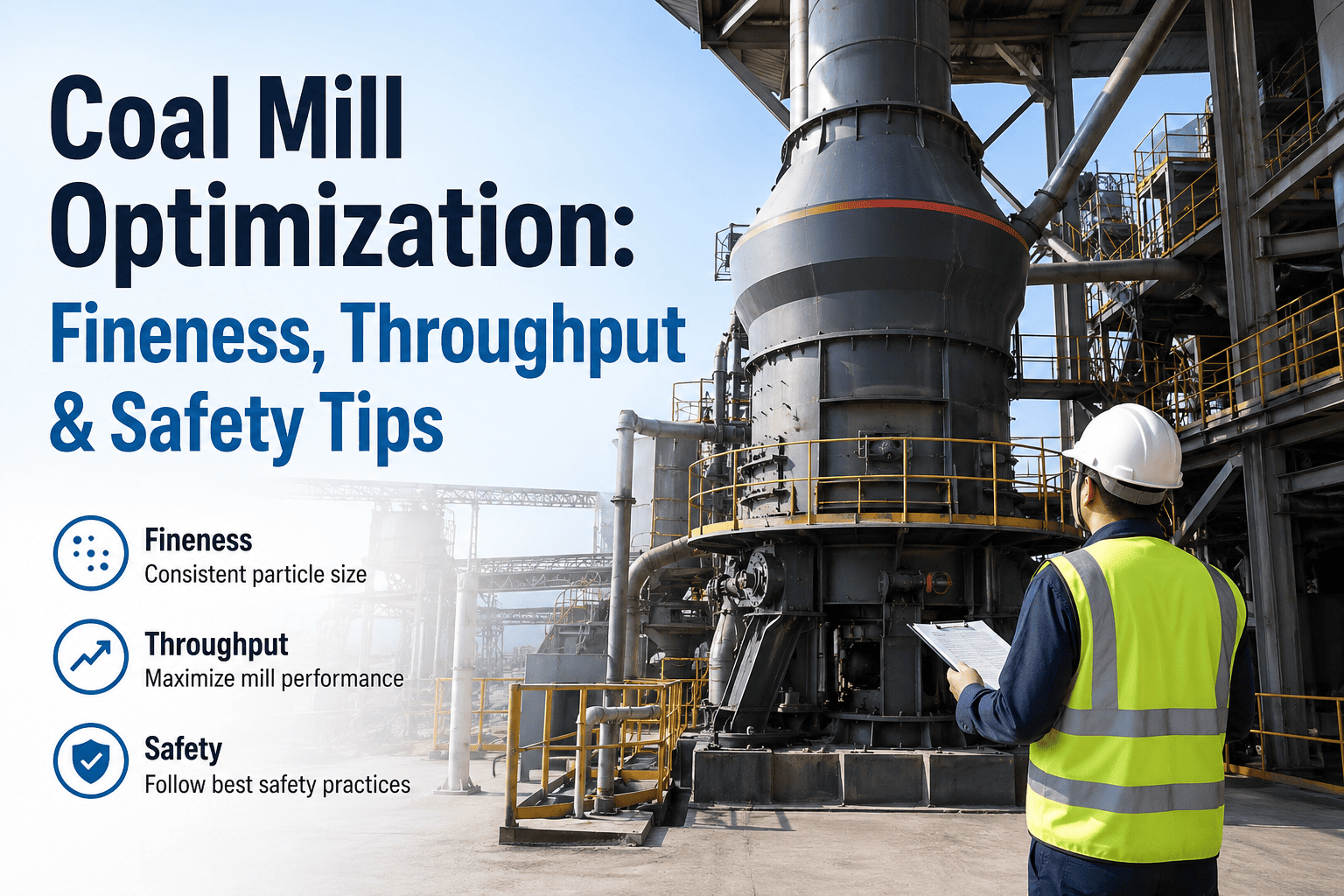
Fine coal dust in bag filters and bunkers creates fire and explosion risk from spontaneous combustion and mechanical sparks. Requires thermocouple monitoring, CO detection, and deluge or foam suppression rated for dust environments.
Oil and Fuel Storage
Hydraulic fluid and fuel storage areas carry flammable liquid fire risk. Foam suppression systems blanket the surface to smother the fire and prevent the re-ignition that water alone cannot stop.
Electrical Rooms & MCC
Unmanned substations with multiple cable joints carry electrical fire risk where water-based suppression would cause more damage than the fire itself. Clean agent gas systems protect sensitive equipment without residue or component damage.
Conveyor Galleries
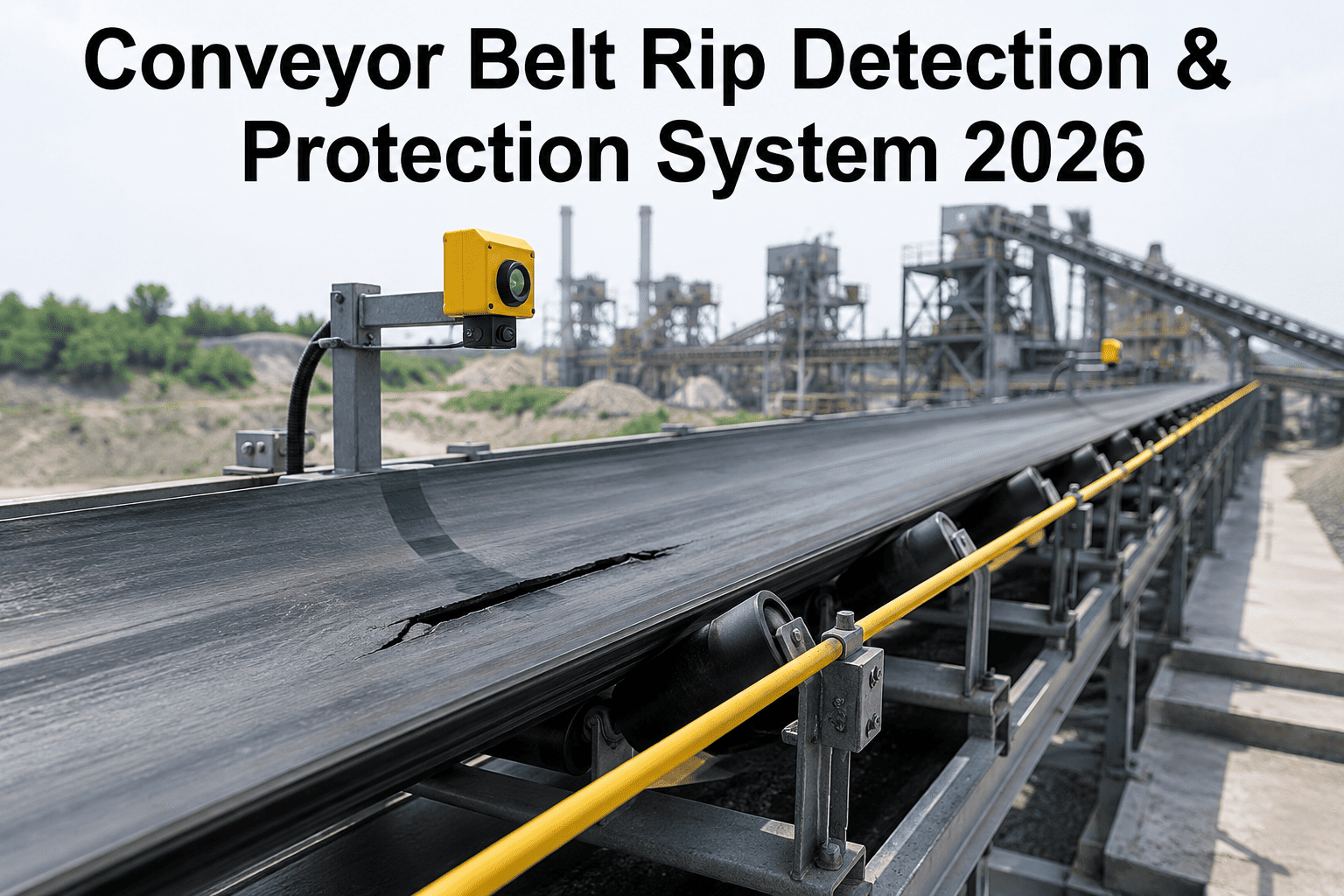
Belt friction sparks and dust accumulation along long conveyor runs need rapid, wide-area response. Deluge sprinkler systems flood the entire gallery simultaneously since fire here can spread faster than a zone-by-zone system can react.
The fire protection system stack
A complete program layers detection, decision, and suppression together. Detection alone just tells you something is wrong; suppression alone has no way to know when to act. Both need to be tested on their own schedule and as a connected sequence.
DETECT
Detection and Alarm
Optical smoke detectors, thermocouples, and continuous CO monitoring identify developing fire conditions early — often before visible smoke or flame, particularly for smouldering coal bunker fires.
DECIDE
Cross-Referenced Confirmation
A single temperature spike shouldn't trigger a full response on its own — it needs to match the pattern of a genuinely developing fire rather than a routine process swing, or false alarms erode trust in the whole system.
SUPPRESS
Water, Foam, and Gas Systems
Deluge and sprinkler systems for coal and conveyor zones, foam for fuel storage, and clean agent gas for electrical rooms — each matched to the specific hazard rather than applied as a one-size response.
RESPOND
Isolation and Evacuation Sequence
Automatic damper closure, nitrogen purge sequencing, and evacuation routing need to fire in the correct order the moment suppression activates — a manual sequence under panic conditions is where seconds get lost.
Map your fire protection stack against these four hazard zones
We'll review your current detection, suppression, and testing records against coal mill, oil storage, electrical, and conveyor risk profiles.
The maintenance and testing calendar
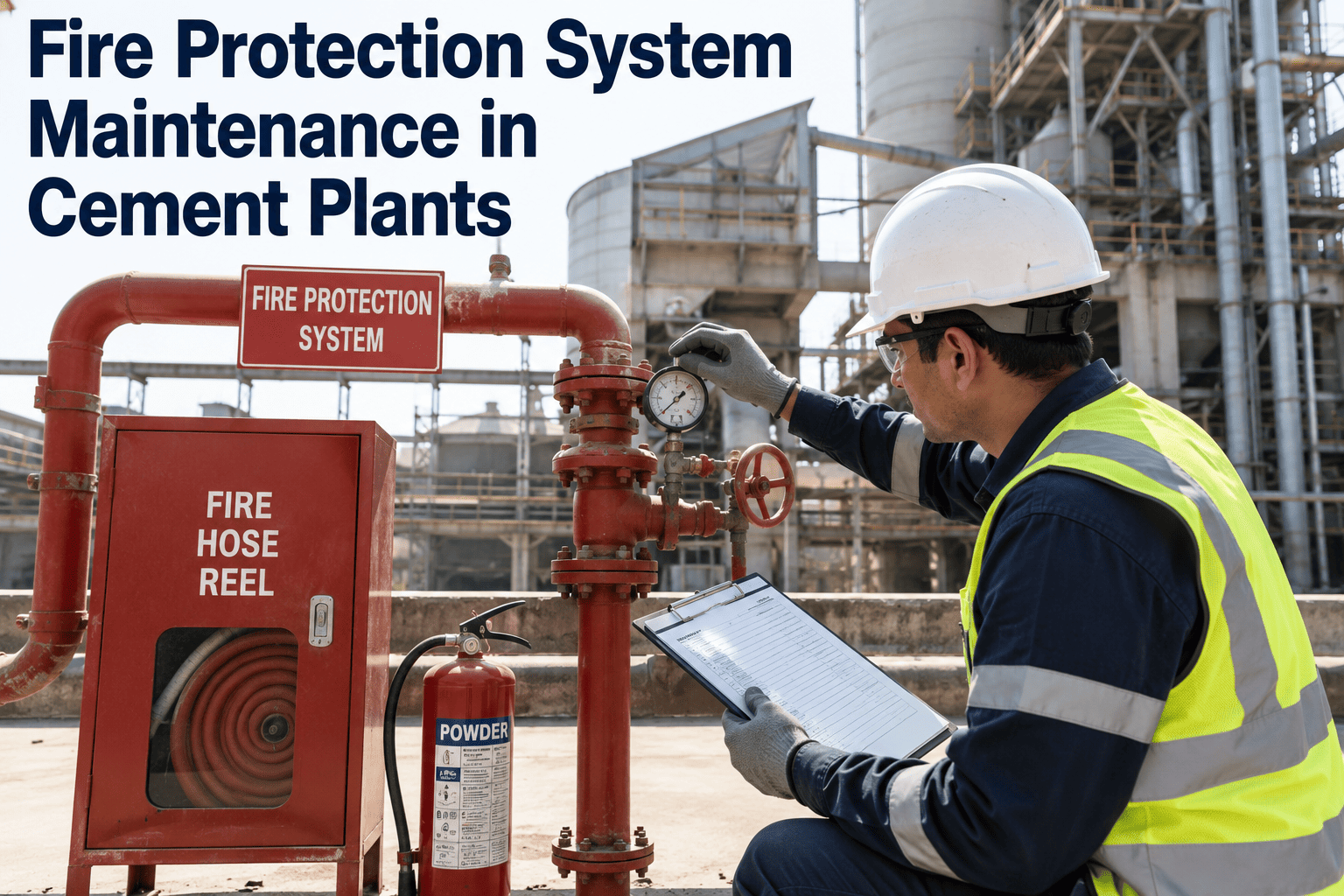
Every fire system component has its own certification interval, and skipping one doesn't announce itself — it just means the system is silently unready the next time it's called on.
| Cadence | System | What gets checked |
| Daily |
Coal bunker CO monitoring |
Continuous readings reviewed for early smouldering trend |
| Weekly |
Detector visual inspection |
Dust accumulation on smoke detectors and sensor lenses |
| Monthly |
Sprinkler and deluge valves |
Visual inspection, gauge pressure, control valve position |
| Quarterly |
Alarm panel and notification devices |
Functional test of horns, strobes, and panel signal routing |
| Annual |
Full system function test |
Deluge activation test, foam concentrate check, gas system discharge test |
Where maintenance programs quietly fall short
Most fire protection failures trace back to one of these gaps, and each one is invisible on a walkthrough unless someone is specifically looking for it.
Sensors Buried in Dust
Optical smoke detectors and thermocouples accumulate cement and coal dust over weeks, degrading sensitivity long before an alarm test would ever catch it.
Deluge Valves Never Function-Tested
A valve can pass a visual inspection every month and still fail to actuate under real pressure if it hasn't been function-tested at full flow within its certification interval.
Isolation Sequence Never Rehearsed
Damper closure, nitrogen purge, and evacuation routing are tested as separate components but rarely rehearsed as the full automatic sequence they need to execute in during an actual event.
Alarm Fatigue From False Positives
Detection tuned too sensitively for routine process conditions trains operators to dismiss alerts, so the one real signal arrives into an environment already conditioned to ignore it.
Periodic testing versus continuous monitoring
A monthly or quarterly test tells you the system worked at that moment. It says nothing about the weeks in between — and coal bunker fires in particular can develop well within that gap.
Periodic Testing Only
System status known only at the moment of the last scheduled test
Smouldering coal bunker fires can develop unnoticed between test cycles
Sensor degradation from dust accumulation goes undetected between inspections
Event logs reconstructed manually after an incident, if at all
Continuous AI Monitoring
Thermal and gas profile for each zone tracked around the clock
Early smouldering trends flagged days before reaching dangerous levels
Cross-referenced signals reduce false alarms from routine process swings
Every event automatically logged for NFPA 72 compliance and post-incident review
Compliance standards that shape the maintenance program
Fire protection maintenance in a cement plant doesn't operate against a single rulebook — it sits under a few overlapping standards that each expect their own kind of documented proof.
NFPA Codes
Governs detection, alarm, and suppression system design, inspection intervals, and event logging — the standard most audit documentation is measured against directly.
OSHA Requirements
Covers emergency action planning, evacuation routes, and worker safety around fire hazard zones, overlapping with but distinct from equipment-focused fire codes.
ISO 50001 Alignment
Ties fire risk reduction into broader energy and asset management practices, particularly around routine equipment maintenance that prevents overheating in the first place.
Frequently asked questions
Do we need to replace our existing fire alarm and suppression hardware?
No. A continuous monitoring layer is designed to work with your existing fire alarm panels, deluge systems, thermocouples, and CO detectors rather than replacing them. The goal is to add an AI decision layer on top of hardware you already have, so gaps get closed without ripping out certified suppression infrastructure that already meets your compliance requirements.
Book a demo to see how it connects to sensors and panels similar to yours.
How does continuous monitoring actually catch a coal bunker fire early?
Continuous carbon monoxide monitoring tracks the gas signature that appears well before a smouldering fire produces visible smoke or reaches dangerous temperature, since spontaneous combustion in coal storage develops gradually through oxidation rather than starting from a sudden spark. Watching that trend continuously, rather than checking a reading during a scheduled inspection, is what allows intervention before the stockpile reaches ignition.
Contact our support team for a CO monitoring zone map for your specific bunkers.
Why do electrical rooms need a different suppression agent than coal mills?
Water-based suppression that works well against a coal dust fire would badly damage sensitive electrical equipment and could create its own electrical hazard if discharged into an energized panel. Clean agent gas systems extinguish fire in these spaces without leaving residue or damaging components, which is why fire protection design treats each hazard zone as its own suppression decision rather than a single plant-wide system.
Book a demo to review the suppression mapping across your zones.
What happens to fire monitoring if the plant network goes down?
A properly designed monitoring system runs on local, on-premise processing with local storage and power backup, so it continues detecting and alerting even if the wider plant network connection fails. Alerts route through local horns, strobes, and hardwired relay outputs rather than depending on internet connectivity for any safety-critical function, which matters most in exactly the kind of disruption that might accompany a real incident.
Contact our support team to review the on-premise failover design.
How long does it take to deploy fire safety monitoring across a full plant?
A working pilot covering coal mill, conveyor, and silo zones can typically be delivered within a few weeks, learning the normal thermal and gas profile for each zone from existing plant data before expanding to full plant coverage. The timeline depends on the number of zones, existing sensor coverage, and how much cross-referencing is needed to distinguish genuine fire signatures from routine process variation.
Book a demo to scope a deployment timeline for your specific zones.
Turn scheduled testing into round-the-clock fire risk visibility
iFactory adds an AI detection and response layer on top of your existing fire alarm panels, deluge systems, and suppression hardware — no replacement required.

.png)