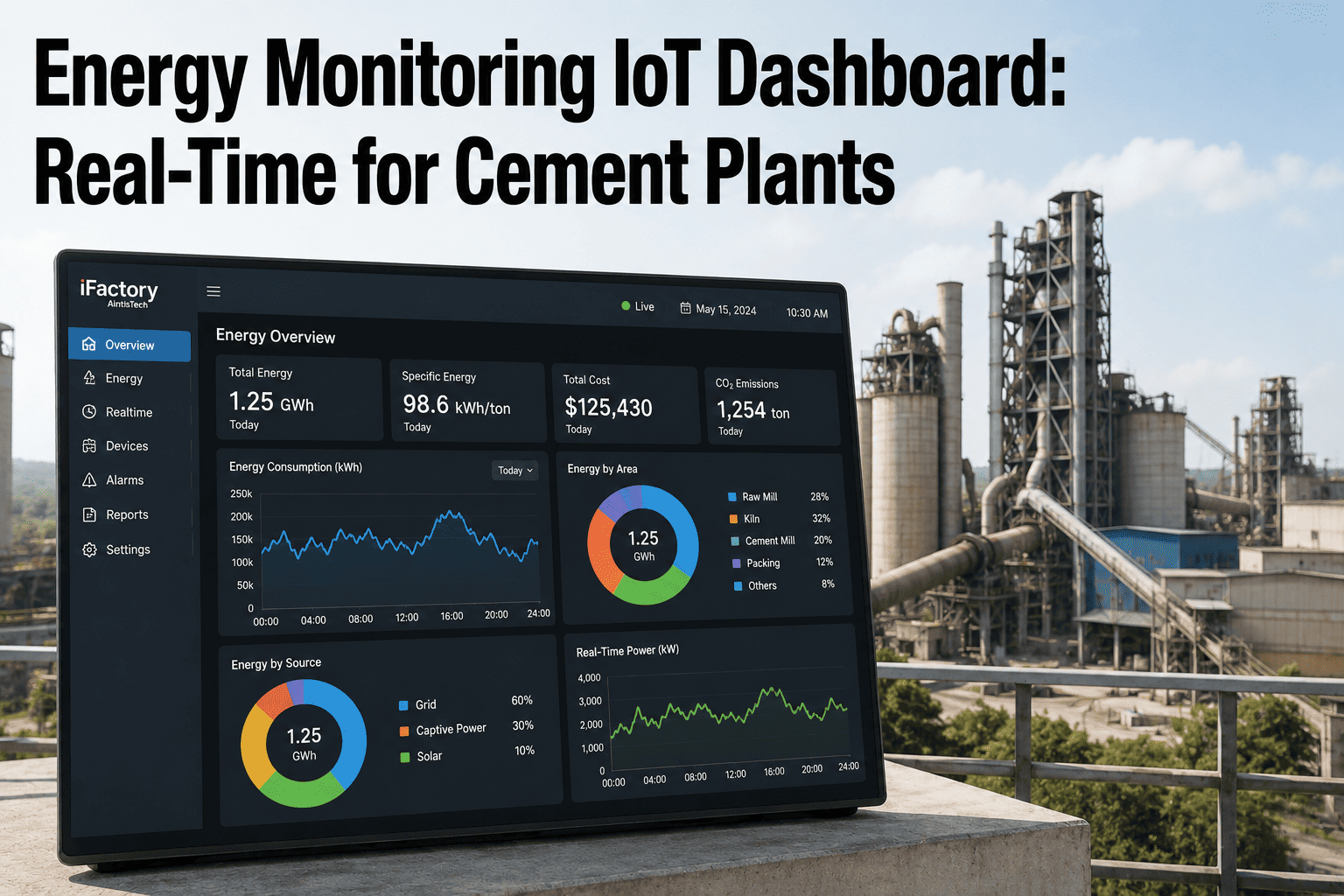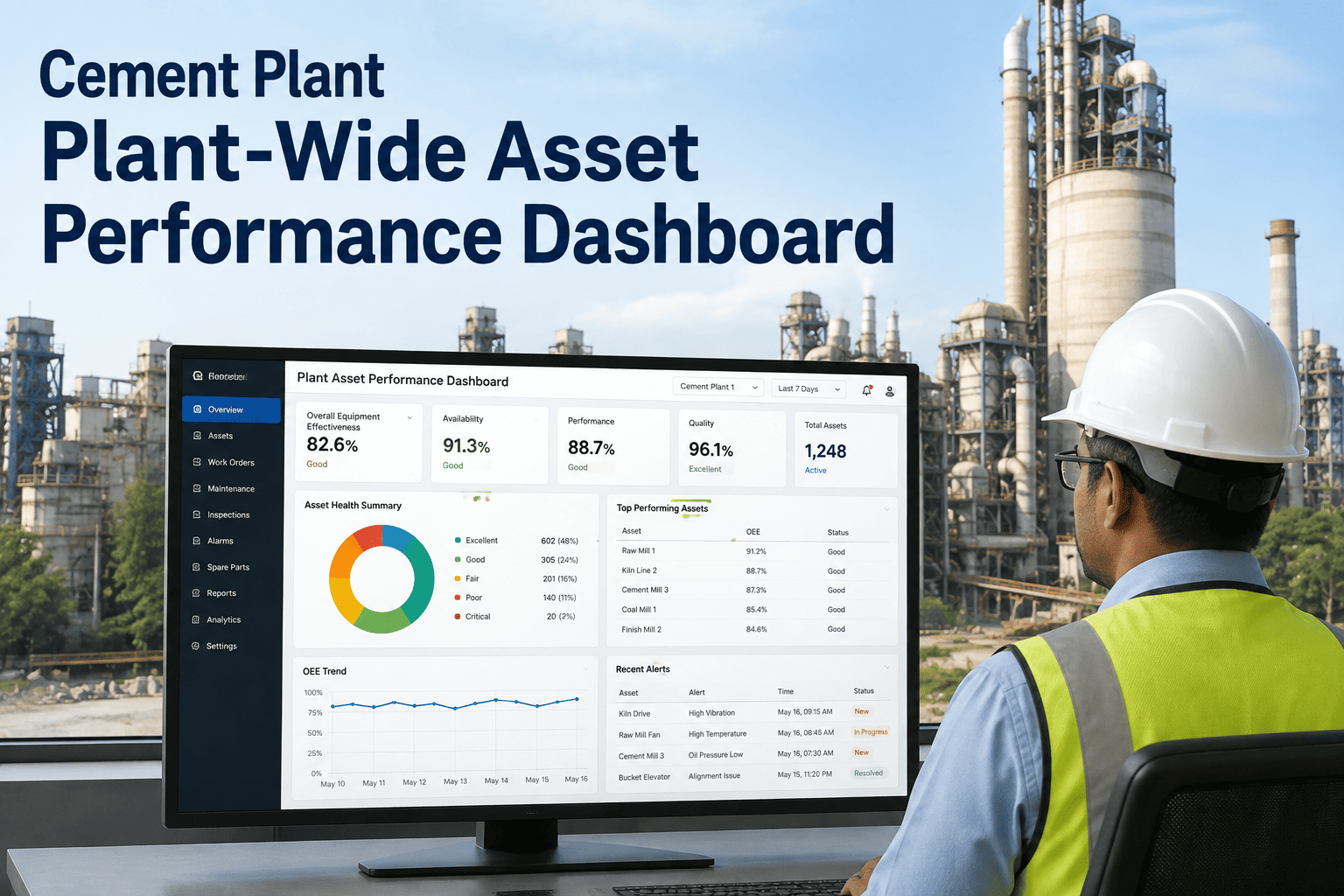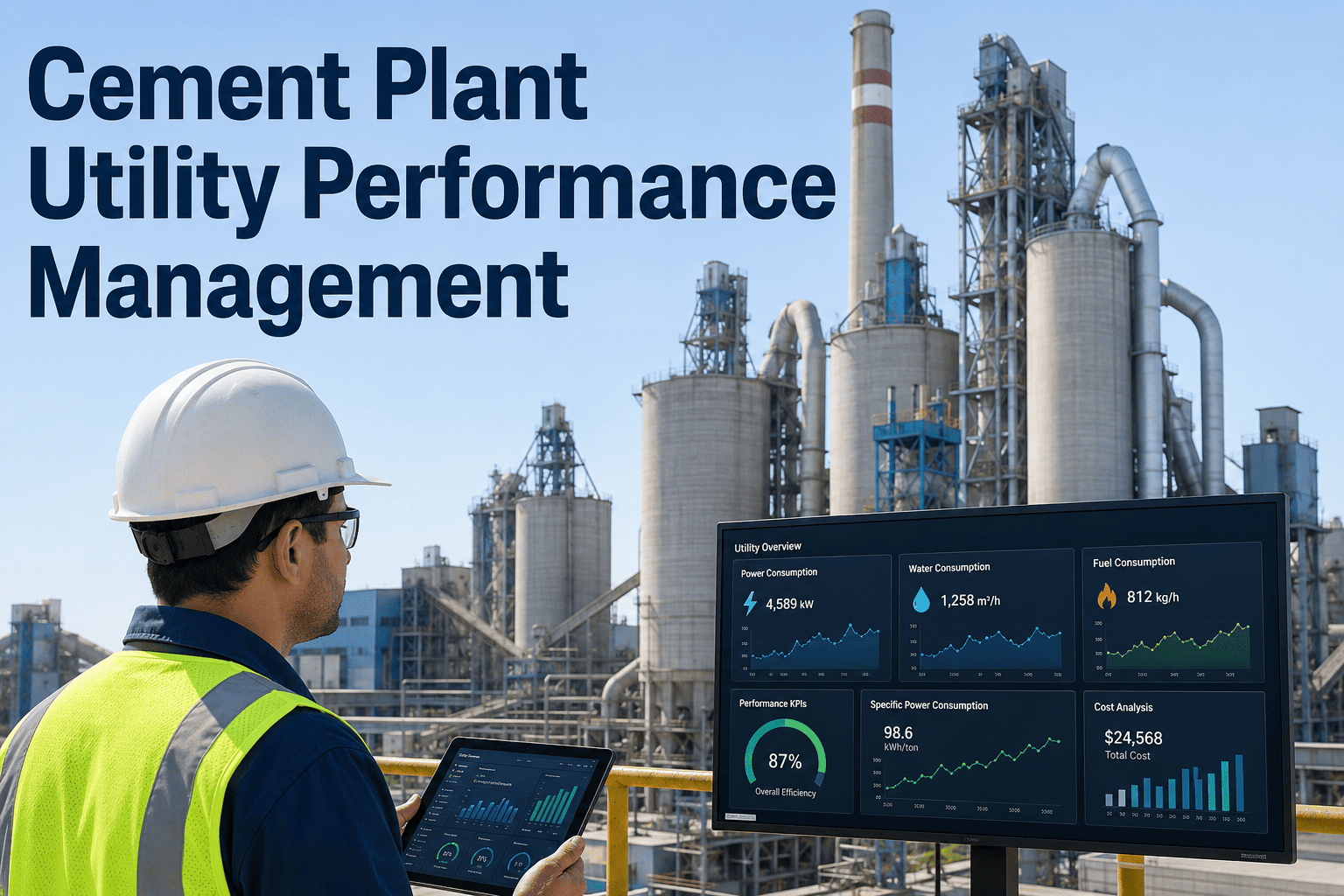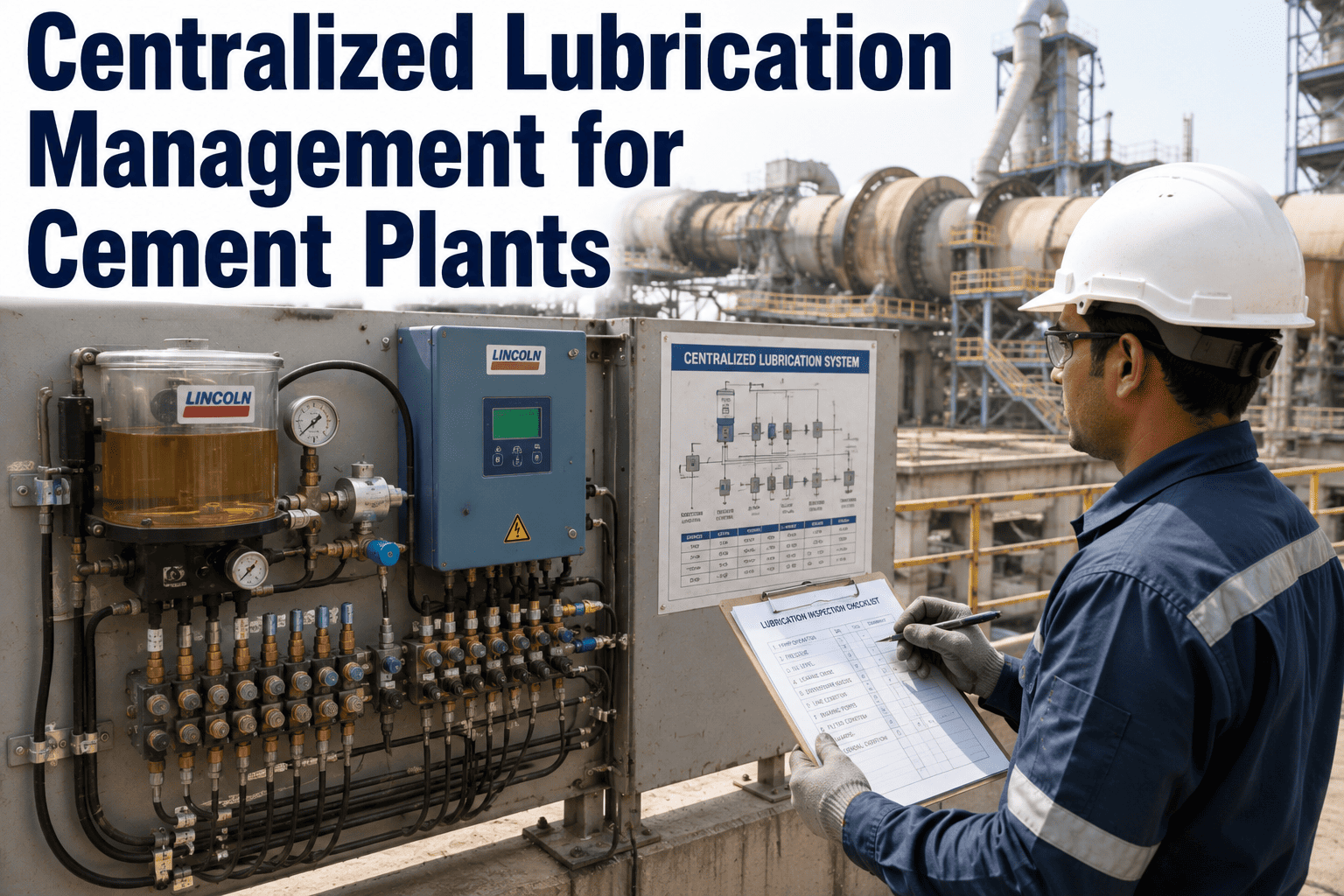
Managing a network of cement plants across multiple geographies presents a unique set of operational challenges. From varying raw material qualities to disparate equipment vintages and local regulatory demands, achieving consistent production efficiency and product quality is a monumental task. Traditional site-by-site management often leads to siloed data, delayed decision-making, and reactive maintenance cycles that erode profitability. However, the advent of Industry 4.0 technologies offers a transformative solution: a centralized remote monitoring and operations center that consolidates real-time data from every plant into a single pane of glass. This approach empowers cement manufacturers to harmonize processes, preempt equipment failures, and optimize energy consumption across the entire enterprise. By leveraging advanced analytics, machine learning, and expert advisory services, companies can move from a fragmented, reactive model to a proactive, intelligence-driven ecosystem. Book a Demo to see how iFactory can unify your cement operations.
Real-Time KPI Dashboards
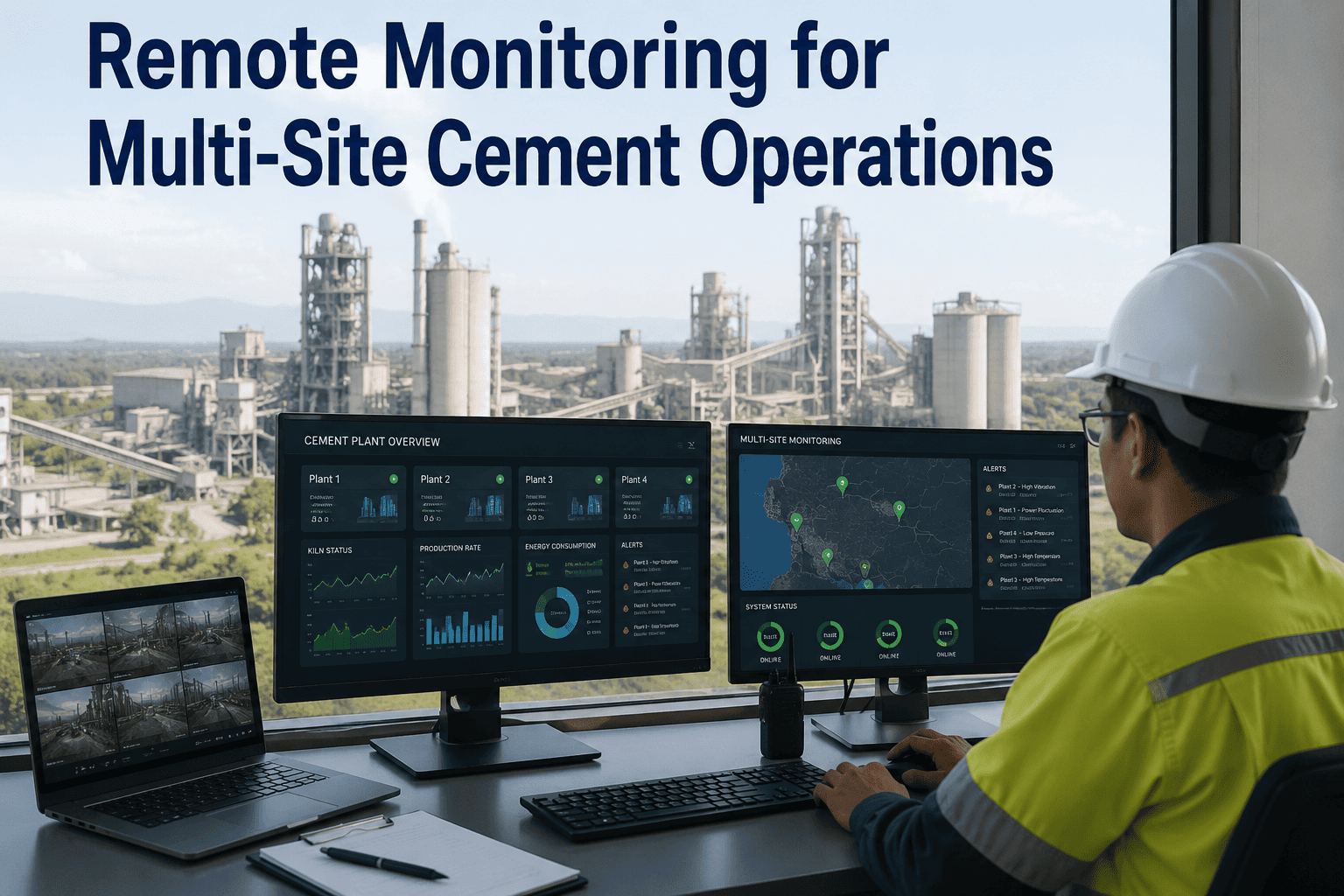
Unified dashboards displaying production rates, energy consumption, emission levels, and equipment health across every site. Customizable views for plant managers and executives.
Alarm Consolidation
Aggregate and prioritize alarms from thousands of sensors. Reduce noise by 70% and focus on critical events that impact production or safety.
Expert Advisory Services
Access a pool of cement process experts who analyze trends, recommend optimizations, and provide remote troubleshooting 24/7.
The Strategic Imperative for Multi-Site Cement Monitoring
Cement production is inherently capital-intensive, with margins heavily dependent on operational efficiency and asset utilization. For companies operating multiple plants, the complexity multiplies. Each site may have different kiln designs, raw meal compositions, fuel blends, and maintenance histories. Without a unified monitoring platform, performance comparisons are anecdotal, best practices remain isolated, and small issues at one plant can escalate into costly downtime across the network. A centralized remote monitoring center addresses these challenges by ingesting data from all plants—process parameters, vibration readings, thermal images, and production logs—into a common data lake. Advanced analytics then detect patterns, correlate events across sites, and generate actionable insights. For instance, a subtle increase in preheater exit gas temperature at Plant A might mirror a similar trend observed at Plant B six months earlier, allowing preemptive adjustments before a blockage occurs. This cross-plant learning capability is a game-changer for continuous improvement programs.
Implementing a Centralized Operations Center: A Step-by-Step Roadmap
1. Data Aggregation & Standardization
Deploy edge gateways at each plant to collect data from PLCs, SCADA, and IoT sensors. Normalize data formats and timestamps to ensure consistency. Use OPC UA and MQTT protocols for secure, real-time streaming.
2. KPI Definition & Dashboard Design
Collaborate with plant managers to define key performance indicators: clinker production rate, specific heat consumption, mill availability, and emission compliance. Design role-based dashboards for operators, engineers, and executives.
3. Alarm Rationalization & Correlation
Analyze historical alarm data to identify nuisance alarms. Implement advanced correlation rules that group related alarms and suppress duplicates. Prioritize alerts based on impact on production, safety, and environment.
4. Predictive Model Deployment
Train machine learning models on historical failure data to predict equipment degradation. Deploy models for critical assets: kiln drives, vertical roller mills, baghouse filters, and compressors.
5. Expert Advisory Integration
Establish a remote expert center staffed with cement process engineers. Provide them with live dashboards, video conferencing, and augmented reality tools to guide on-site teams during complex troubleshooting.
Tangible Benefits of Centralized Remote Monitoring
| Metric | Before Centralized Monitoring | After Centralized Monitoring | Improvement |
|---|---|---|---|
| Planned Maintenance Efficiency | 60% adherence | 92% adherence | +53% |
| Mean Time Between Failures (MTBF) | 45 days | 78 days | +73% |
| Energy Cost per Ton of Cement | $32 | $27 | -15.6% |
| Cross-Plant Best Practice Adoption | Manual, slow | Automated, real-time | 5x faster |
Ready to Unify Your Cement Operations?
Stop managing plants in isolation. Get a unified view of your entire fleet and unlock hidden efficiency gains.
Architecture of a Multi-Site Remote Monitoring Solution
A robust remote monitoring architecture for cement plants must be secure, scalable, and fault-tolerant. At the edge, industrial IoT gateways collect data from diverse sources: kiln shell scanners, gas analyzers, motor vibration sensors, and weigh feeders. These gateways perform initial data cleaning and compression before transmitting encrypted data to a cloud or on-premise central data lake. The central platform hosts a data historian, a real-time stream processing engine (e.g., Apache Kafka), and a machine learning inference server. Dashboards are rendered via a web application that supports role-based access, with plant-level views for local teams and aggregated enterprise views for headquarters. Alarm management is handled by a rules engine that applies both static thresholds and dynamic baselines learned from historical data. Integration with existing CMMS and ERP systems ensures that maintenance work orders and inventory updates are triggered automatically. Redundant communication links (cellular, satellite, or fiber) guarantee uptime even if primary networks fail.
Case Study: 20% Production Uplift at a 5-Plant Cement Group
A leading cement manufacturer with plants across three countries faced 18% unplanned downtime and 12% energy waste due to inconsistent operating practices. After deploying iFactory's centralized remote monitoring platform, they achieved a 20% increase in overall equipment effectiveness (OEE) within six months. The alarm consolidation module reduced daily alerts from 1,200 to 350 per plant, enabling operators to focus on critical events. Expert advisors identified a suboptimal mill grinding media charge at one plant and replicated the correction across all sites, saving $2.4M annually in energy costs. The client now plans to expand the center to include predictive quality control and automated report generation.
Cross-Plant Benchmarking
Compare performance metrics across plants to identify top performers and replicate best practices. Use statistical process control charts to detect deviations.
Remote Troubleshooting
Expert engineers can view live sensor data, camera feeds, and historical trends to diagnose issues without traveling. Reduce response time by 80%.
Automated Reporting
Generate daily, weekly, and monthly performance reports automatically. Distribute to stakeholders via email or dashboard. Eliminate manual data collection.
Frequently Asked Questions
How does centralized monitoring handle data security across multiple plants?
Data security is paramount in multi-site cement operations. Our platform uses end-to-end encryption (TLS 1.3) for all data in transit and AES-256 encryption at rest. Each plant's data is logically segregated with granular access controls based on roles. Annual third-party penetration tests and SOC 2 Type II certification ensure compliance with industry standards. For more details, visit our support page.
What is the typical timeline to deploy a centralized monitoring solution for 3-5 plants?
A phased deployment approach typically takes 4-6 months for the first plant (including edge hardware installation, data integration, and dashboard customization) and 2-3 months for each subsequent plant. The timeline depends on existing automation levels and data availability. Our team provides dedicated project management and on-site support to ensure minimal disruption. Book a demo to discuss your specific timeline.
Can the system integrate with legacy SCADA and PLC systems from different vendors?
Yes, our edge gateways support over 150 industrial protocols including Modbus, Profibus, Siemens S7, Allen-Bradley, and OPC DA/AE. We also provide custom protocol adapters for legacy systems. Data mapping and normalization are handled at the edge, so the central platform receives clean, standardized data regardless of the source. Contact our team at support for a compatibility assessment.
What kind of ROI can we expect from implementing remote monitoring?
Typical ROI for multi-site cement operations includes a 15-20% reduction in maintenance costs, 10-15% improvement in energy efficiency, and 30-40% decrease in unplanned downtime. Most clients achieve payback within 12-18 months. Additional benefits include improved regulatory compliance, reduced carbon footprint, and enhanced workforce productivity. Book a demo to receive a customized ROI analysis.
How do expert advisory services work in practice?
Our expert advisory team comprises senior cement process engineers with decades of experience. They monitor your plants remotely 24/7, analyzing trends and anomalies. When an issue is detected, they proactively contact the on-site team via integrated communication tools (voice, video, or chat) with recommended actions. They also conduct weekly performance reviews and monthly optimization workshops. This service is included in the premium subscription tier. Learn more at our support page.
Transform Your Cement Operations Today
Join industry leaders who have centralized their monitoring. Achieve 40% less downtime and 15% energy savings.