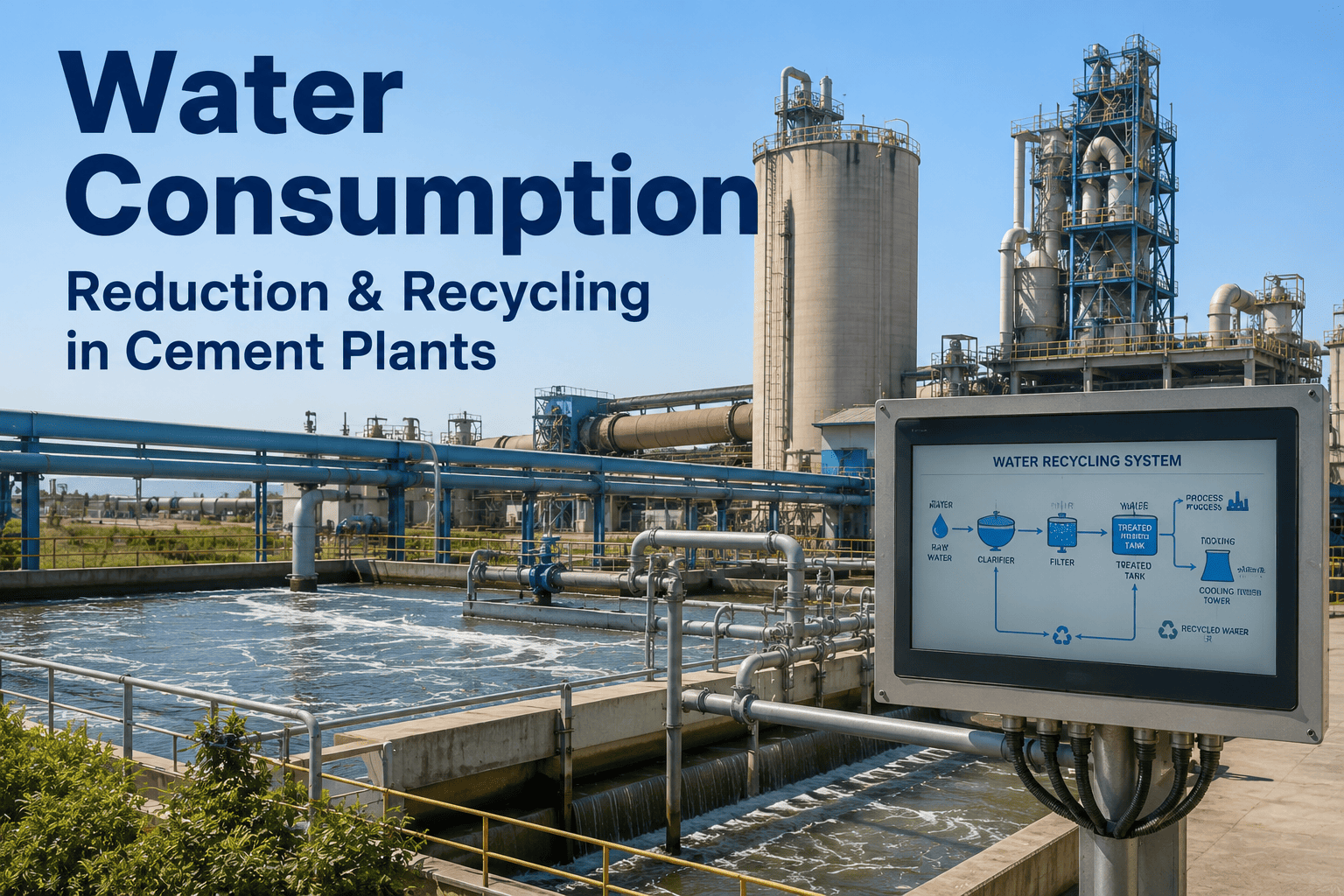
Cement production ranks among the most water-intensive industrial processes, consuming an estimated 100 to 200 liters of water per ton of cement produced. This staggering figure translates into billions of cubic meters of freshwater extracted annually, placing immense strain on local water resources, especially in arid and semi-arid regions where many cement plants operate. The water footprint of cement manufacturing spans multiple stages—from raw material preparation and cooling systems to dust suppression and employee consumption—each presenting unique opportunities for optimization. Reducing water consumption is not merely an environmental imperative; it is a strategic business decision that lowers operational costs, mitigates regulatory risks, enhances community relations, and strengthens corporate sustainability credentials. This comprehensive guide delves into the technical intricacies of water management in cement plants, offering data-driven strategies for water recycling, evaporation reduction, process water optimization, and water footprint benchmarking. Whether you are a plant manager seeking to meet stringent environmental targets or a CTO evaluating smart water solutions, the insights presented here will equip you with actionable knowledge. To explore how iFactory's AI-driven predictive analytics can transform your water management strategy, Book a Demo today and discover the future of sustainable cement manufacturing.
Transform Your Water Management Strategy
Unlock significant cost savings and sustainability gains with iFactory's AI-driven water optimization solutions. Reduce consumption, enhance recycling, and achieve compliance effortlessly.
200 L
Water per ton of cement (typical range)
40%
Potential reduction with recycling
70%
Water used in cooling processes
20%
Reduction via AI optimization
The Water Footprint of Cement Manufacturing: A Detailed Breakdown
Understanding the complete water footprint of a cement plant is the foundational step toward effective reduction. Water is utilized across multiple operational domains: raw material grinding (for slurry preparation in wet processes), cooling of clinker and equipment, dust suppression at crushers and conveyors, gas scrubbing in air pollution control systems, and domestic needs for the workforce. In wet-process plants, water consumption can exceed 300 liters per ton, while dry-process plants typically consume 80-150 liters per ton. The water footprint also includes indirect water use for electricity generation and raw material extraction. A comprehensive water audit must quantify all these streams, distinguishing between consumptive use (evaporation, incorporation into product) and non-consumptive use (cooling water returned to source). Advanced metering and IoT sensors enable real-time tracking, providing granular data that reveals inefficiencies. For instance, a plant in Rajasthan reduced its water consumption by 35% after identifying a leaking cooling tower that wasted 50,000 liters daily. Implementing a water management system aligned with ISO 14046 water footprint standards can help benchmark performance and set reduction targets. The next step is to leverage this data for targeted interventions, such as recycling process water, optimizing cooling tower operations, and adopting dry dust suppression methods. iFactory's platform integrates seamlessly with existing sensors to provide a unified dashboard for water monitoring, enabling plant managers to make informed decisions quickly. To see how real-time water analytics can drive savings in your plant, Book a Demo and explore our case studies.
Cooling Water Optimization
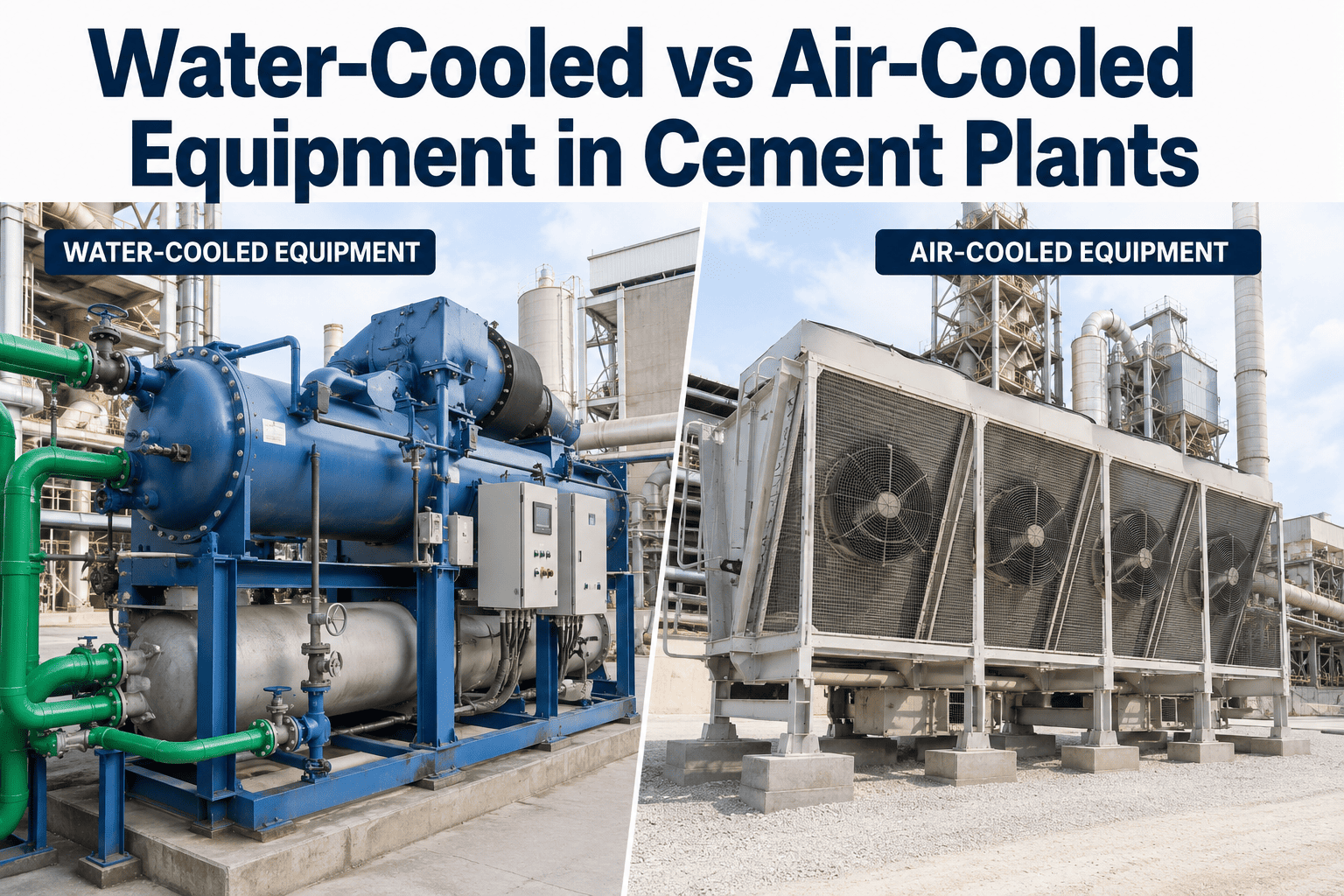
Cooling towers account for up to 70% of total plant water use. Optimizing cycles of concentration, using high-efficiency nozzles, and implementing automated blowdown control can reduce consumption by 20-30%. iFactory's predictive models forecast cooling demand based on ambient conditions, preventing overuse.
Process Water Recycling
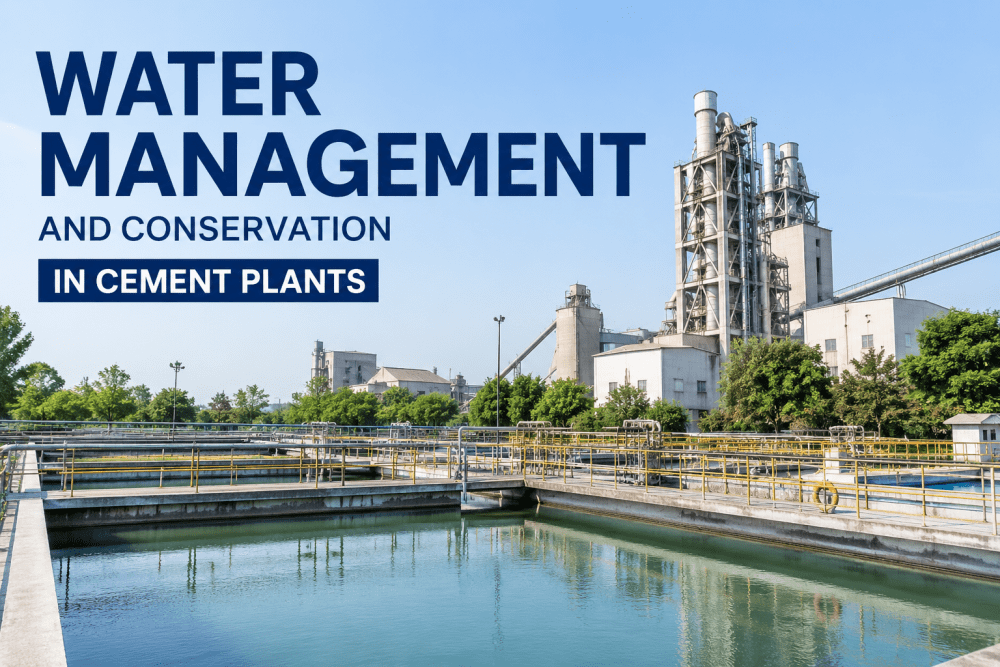
Wastewater from kiln gas scrubbing, equipment washing, and stormwater runoff can be treated and reused. Technologies like reverse osmosis, ultrafiltration, and zero liquid discharge (ZLD) systems enable up to 95% water recovery, significantly reducing freshwater intake.
Dust Suppression Innovations
Traditional water-based dust control at crushers and conveyors consumes large volumes. Alternatives like chemical dust suppressants, fogging systems, and enclosed transfer points can cut water use by 50-80% while improving air quality. Smart sensors activate suppression only when needed.
Rainwater Harvesting & Storage
Capturing rainwater from rooftops and paved areas provides a supplementary water source. With proper storage and filtration, harvested water can meet up to 20% of a plant's needs, reducing dependency on municipal or groundwater sources. This also mitigates stormwater runoff.
Step-by-Step Roadmap to Water Reduction
1. Conduct a Comprehensive Water Audit
Measure all water inflows, outflows, and consumption points using flow meters and IoT sensors. Establish a baseline water balance to identify major loss areas. Typical audits reveal 10-15% of water is lost to leaks and evaporation.
2. Set Benchmarking Targets
Compare your plant's water intensity (L/ton) against industry benchmarks (e.g., 100 L/ton for best-in-class dry process). Use frameworks like the Cement Sustainability Initiative (CSI) water protocol to set realistic reduction goals.
3. Implement Recycling Systems
Install treatment systems for process water and cooling tower blowdown. ZLD systems can recover up to 98% of water, leaving solid waste for disposal. Evaluate cost-benefit for your plant's water quality and volume.
4. Optimize Cooling Tower Operations
Upgrade to high-efficiency drift eliminators, automate blowdown based on conductivity, and use variable speed drives on fans. These measures can reduce cooling water consumption by 25% with payback periods under 2 years.
5. Adopt Smart Monitoring & Control
Deploy AI-driven analytics to predict water demand, detect anomalies, and optimize treatment processes. iFactory's platform provides real-time dashboards and alerts, enabling proactive management and continuous improvement.
Ready to Reduce Your Water Footprint?
Harness the power of AI and IoT to achieve measurable water savings. Our experts will design a tailored roadmap for your plant.
Comparative Analysis of Water Reduction Technologies
| Technology | Water Saving Potential | Capital Cost | Payback Period | Maintenance Complexity |
|---|---|---|---|---|
| Cooling Tower Optimization | 20-30% | Low | 1-2 years | Low |
| Process Water Recycling (RO) | 70-90% | Medium | 2-4 years | Medium |
| Zero Liquid Discharge | 95-98% | High | 3-5 years | High |
| Dry Dust Suppression | 50-80% | Low | 0.5-1 year | Low |
| Rainwater Harvesting | 10-20% | Medium | 2-3 years | Low |
This table provides a high-level comparison. The actual savings and costs depend on plant-specific factors such as water quality, climate, and existing infrastructure. iFactory's feasibility analysis can help you select the most cost-effective technologies for your plant. For a detailed assessment, Book a Demo today.
Advanced Water Management: AI and Predictive Analytics
Traditional water management relies on reactive measures—fixing leaks after they occur, adjusting treatment based on manual sampling. AI and predictive analytics transform this paradigm by enabling proactive, data-driven decision-making. Machine learning models can forecast water demand based on production schedules, weather conditions, and equipment status, allowing operators to optimize water usage in real time. For example, a cement plant in Spain used iFactory's platform to predict cooling water demand, reducing consumption by 18% while maintaining clinker quality. Anomaly detection algorithms identify unusual consumption patterns, such as a sudden increase in blowdown rate, indicating a potential cooling tower malfunction. Predictive maintenance on pumps and valves prevents unplanned downtime that can lead to water waste. Furthermore, AI optimizes chemical dosing in water treatment, minimizing chemical costs while ensuring water quality meets recycling standards. The platform integrates with existing SCADA and ERP systems, providing a unified view of water, energy, and production data. This holistic approach enables plant managers to identify trade-offs—for instance, reducing cooling water may increase energy consumption, but AI can find the optimal balance. The result is a sustainable, cost-effective water management system that adapts to changing conditions. To learn how iFactory's AI can transform your water operations, Book a Demo and see the platform in action.
Regulatory Compliance
Meet stringent water discharge regulations and avoid fines. iFactory's platform ensures compliance with real-time monitoring and automated reporting.
Cost Savings
Reduce water purchase and treatment costs. Typical savings of $0.50-$1.00 per ton of cement, with ROI within 18 months.
Sustainability Reporting
Enhance your ESG report with verifiable water reduction data. iFactory provides auditable metrics for water footprint disclosure.
Operational Efficiency
Minimize downtime due to water-related issues. Predictive alerts prevent cooling system failures and treatment upsets.
Frequently Asked Questions
What is the typical water consumption in a cement plant?
Water consumption in cement manufacturing varies widely based on process type, plant age, and local climate. For dry-process plants, typical consumption ranges from 80 to 150 liters per ton of cement. Wet-process plants can use 200 to 300 liters per ton. Cooling towers are the largest consumer, accounting for 60-70% of total water use. Other significant uses include dust suppression, gas scrubbing, and domestic purposes. A comprehensive water audit is essential to determine your plant's specific baseline. iFactory's platform can help you conduct a precise audit and benchmark against industry standards. Book a Demo to learn more.
How can recycling reduce water consumption in cement plants?
Recycling process water can significantly reduce freshwater intake. Technologies like reverse osmosis, ultrafiltration, and zero liquid discharge (ZLD) systems treat wastewater from cooling blowdown, gas scrubbing, and equipment washing for reuse. ZLD systems can recover up to 98% of water, leaving solid waste for disposal. Recycling also reduces wastewater discharge, lowering environmental impact and regulatory burden. The payback period for recycling systems is typically 2-4 years, depending on water costs and system scale. iFactory's AI optimizes recycling processes to maximize recovery and minimize energy consumption. Book a Demo to explore recycling options for your plant.
What is the role of AI in water management for cement plants?
AI and predictive analytics revolutionize water management by enabling proactive, data-driven decisions. Machine learning models forecast water demand based on production schedules, weather, and equipment status, allowing real-time optimization. Anomaly detection identifies leaks or inefficiencies early, preventing waste. AI also optimizes chemical dosing in water treatment, reducing costs while maintaining quality. The platform integrates with existing systems to provide a unified dashboard for water, energy, and production data. This holistic view helps plant managers balance trade-offs between water and energy use. iFactory's AI platform has helped clients reduce water consumption by 15-25% while improving operational efficiency. Book a Demo to see AI in action.
How do I start a water reduction program in my cement plant?
Starting a water reduction program involves several key steps. First, conduct a comprehensive water audit to measure all inflows, outflows, and consumption points. Establish a baseline water balance to identify major loss areas. Second, set benchmarking targets using industry standards like the CSI water protocol. Third, prioritize interventions based on cost-effectiveness and impact. Common measures include cooling tower optimization, process water recycling, and dry dust suppression. Fourth, implement smart monitoring and control systems to track progress and detect anomalies. Finally, continuously improve by analyzing data and adjusting strategies. iFactory offers a structured approach with AI-driven analytics to accelerate your program. Book a Demo to get started.
What are the benefits of zero liquid discharge (ZLD) in cement plants?
Zero liquid discharge (ZLD) systems eliminate wastewater discharge by recovering all water for reuse, leaving solid waste for disposal. The primary benefits include: 95-98% water recovery, reducing freshwater intake significantly; compliance with stringent discharge regulations; elimination of environmental risks from wastewater; and potential recovery of valuable salts or minerals. However, ZLD systems have high capital and operating costs due to energy-intensive processes like evaporation and crystallization. They are most viable in water-scarce regions or where discharge regulations are very strict. A feasibility study is essential to determine if ZLD is cost-effective for your plant. iFactory's AI can optimize ZLD operations to reduce energy consumption and costs. Book a Demo to discuss ZLD options.
Take the Next Step Toward Water Efficiency
Partner with iFactory to implement a data-driven water management strategy. Achieve measurable reductions in water consumption, cost savings, and enhanced sustainability.